REVIEW · ARUSHA
3 Days 2 Nights Serengeti, Ngorongoro & Tarangire Wildlife Lodge Safari
Book on Viator →Operated by Migration Venture Africa Ltd · Bookable on Viator
Three parks. One wildlife punch.
This is a focused circuit through Serengeti, Ngorongoro Crater, and Tarangire that’s built for serious animal spotting, from elephants and giraffes to lions and leopards. I especially like the sheer variety you can stack in a short time—Great Migration country in Serengeti, Garden of Eden views in Ngorongoro, then Tarangire’s birds and elephants. I also like how much your guide’s eyes seem to matter, with names like Joseph, Godlove, Noel, and Tom coming up for strong spotting and calm driving.
One possible drawback: the days are long and logistics can get chunky, including real vehicle issues on at least one trip that a guide had to fix quickly so safari time wasn’t lost. At a $2,000 per person price point, it’s still good value because meals and park-driving time are included, but you should budget extra for tips and the items listed as not included.
In This Review
- Key things that make this safari worth your attention
- Serengeti National Park: Great Migration country, from high rim to endless plains
- Ngorongoro Crater: rim-to-floor views and Lake Magadi’s concentrated wildlife
- Tarangire National Park: elephants, big birds, and a different pace from Serengeti
- How the 3 days / 2 nights format feels in real time
- Price and Logistics: what $2,000 covers, and what to plan for
- The guide is the difference: Joseph, Godlove, Noel, and Tom
- What to watch for at each park (so you don’t miss the best moments)
- Who this safari suits best (and who should think twice)
- Final call: should you book this Serengeti–Ngorongoro–Tarangire safari?
- FAQ
- What cities does this safari start and end in?
- Is pickup included?
- Is this a private safari or shared with other groups?
- What is included in the price?
- What is not included?
- How long does the experience last?
- Where will we go during the safari?
- What animals can I expect to see?
- Is birding part of the experience?
- Can I get a refund if I cancel?
Key things that make this safari worth your attention
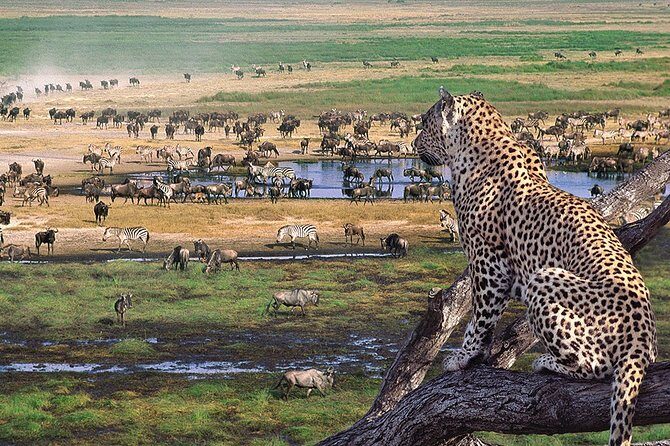
- Serengeti rim views plus big-plains viewing: you crest highlands, then spread into endless grazing country for predators and prey.
- Ngorongoro’s Lake Magadi stop: descending to the crater floor adds a different feel and concentrates sightings.
- Tarangire game drives with strong birding: 450+ bird species have been observed here.
- Private transportation: you’re not sharing the safari experience with other groups beyond your own party.
- Guides who steer the whole day: Joseph, Godlove, Noel, and Tom are specifically praised for animal know-how and driving.
Serengeti National Park: Great Migration country, from high rim to endless plains
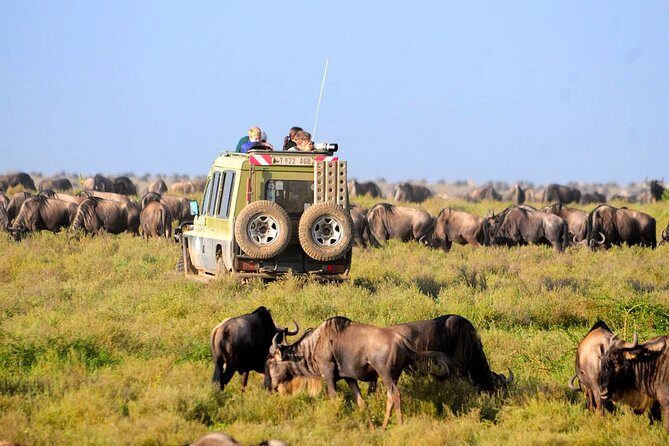
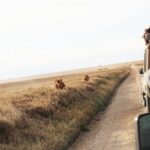
Your Serengeti day is set up for two kinds of wildlife moments: first the wide, elevated “wow” views, then the ground-level search for animals moving across open country. You start by driving up through crater highlands and stopping at the rim for a birds-eye view of Ngorongoro before you continue onward to the Serengeti. If you like the feeling of going from viewpoint to viewpoint, this pacing delivers.
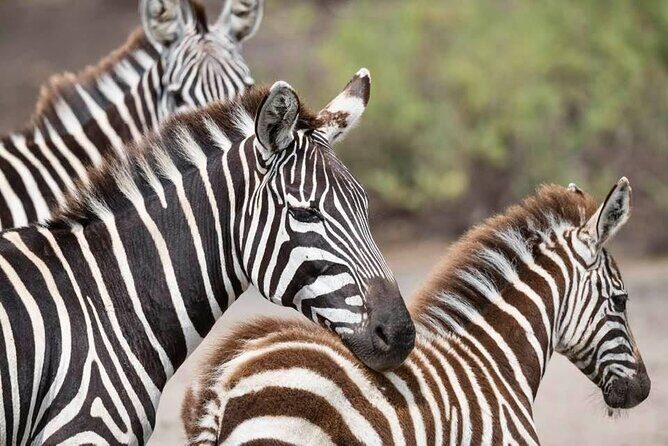
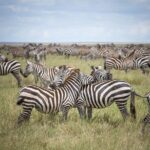
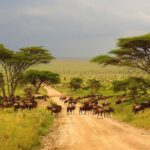
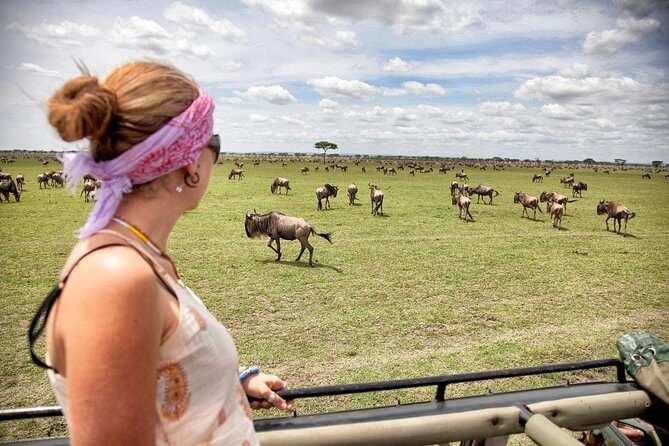
Serengeti here is described the way you’ll feel it: enormous. The park covers about 18,000 sq. km and supports more than 2 million large animals, including over a million wildebeest, plus plains zebra and Thomson’s gazelles. That’s the backbone of the predator story too—lions, cheetahs, and hyenas follow the prey, so you’re not just chasing random sightings. You’re watching an ecosystem at work.
Practical note: Serengeti time is often a game of “scan and wait.” So you’ll get more out of this if you go with patience, not just a checklist. You can set yourself up for better luck by paying attention to movement patterns—where grazers are clustered, where dust is rising, where predators tend to test the wind.
One more thing I like about this stop is that it doesn’t promise only Big Cat drama. You can also expect a broad mix—elephants, giraffes, buffalo, zebras, wildebeest—so even if you miss one headline animal, the day doesn’t collapse. It keeps the safari feeling full.
A few more Arusha tours and experiences worth a look
Ngorongoro Crater: rim-to-floor views and Lake Magadi’s concentrated wildlife
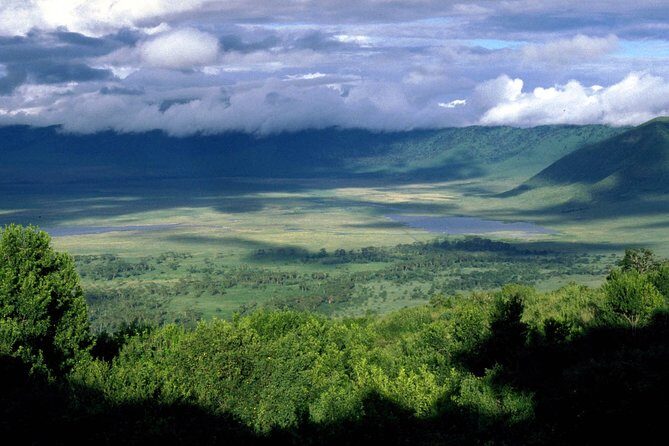
Ngorongoro is the part most people remember long after the itinerary details fade. The crater is described as the thick volcanic caldera known as the Garden of Eden, and the route sets you up with a visual contrast: wide high views turn into a crater-floor world once you descend.
Once you’re down, Lake Magadi is one of the key stops. It’s a large but shallow alkaline lake in the crater’s southwestern corner, and it’s clearly a “go look here” feature rather than a quick pass-through. In this kind of environment, animals don’t just show up randomly; they cluster around water and feeding grounds. That’s why a crater setting can feel more intense than flat-country drives.
This is also where “Big Five chances” becomes a real expectation. The experience description is explicit about spotting opportunities for big five mammals and other wildlife on the crater floor. If you care about both the famous and the interesting extras, this stop is strong: you’re not only hunting one or two icons.
Balanced reality check: Ngorongoro is popular and wildlife can be patchy depending on conditions, so build your excitement without building a demand. What helps is using your guide’s scanning habits—where to look first, what to watch for, and how to interpret small signs. That’s also why guide performance matters here; a good driver gets you to view points at the right time, and a strong spotter helps you notice animals you’d otherwise miss.
Tarangire National Park: elephants, big birds, and a different pace from Serengeti
After Serengeti and Ngorongoro, Tarangire brings a change in rhythm. You drive on tarmac road to reach the park, then you get game drives with lunch picnic-style there, followed by afternoon viewing. That “morning drive, lunch on-site, afternoon drive” structure makes it easier to stay patient and comfortable through the day.
Tarangire is a good counterbalance if your expectations are getting one-note. Here, you’re told to look for lion, leopard, elephant, buffalo, plus smaller and medium species like zebra, oryx, and impala. You’re also given a specific bird signal: over 450 bird species have been observed. If you like wildlife photography or simply enjoy noticing what most people rush past, Tarangire is a smart inclusion.
Elephants are called out directly, which matters because Tarangire can deliver that kind of encounter even when predators are harder to pin down. In practice, this is where you may feel the safari shift from “searching” to “watching”—standing at a good spot while animals move through your field of view at their own pace.
One caution: a bird-heavy park experience can tempt you to slow down too much. I’d balance it by doing both: take bird time, but also keep scanning for mammals. Your guide can help you decide where to focus during each drive, especially as the light changes.
How the 3 days / 2 nights format feels in real time
The tour is sold as 3 days and 2 nights, and the experience includes breakfast, lunch, and dinner. That’s important because it supports a full-day safari flow without you having to manage meals mid-circuit. At the same time, the schedule described for the day segments is long, with extended hours for each park day.
So what should you expect your body to feel like? Expect early starts and a lot of time in the vehicle. Serengeti, Ngorongoro, and Tarangire aren’t close to each other in a “pop over quickly” sense, so driving time and park time both matter. A private format helps here because you’re not stuck waiting for strangers or negotiating schedules with a bigger group.
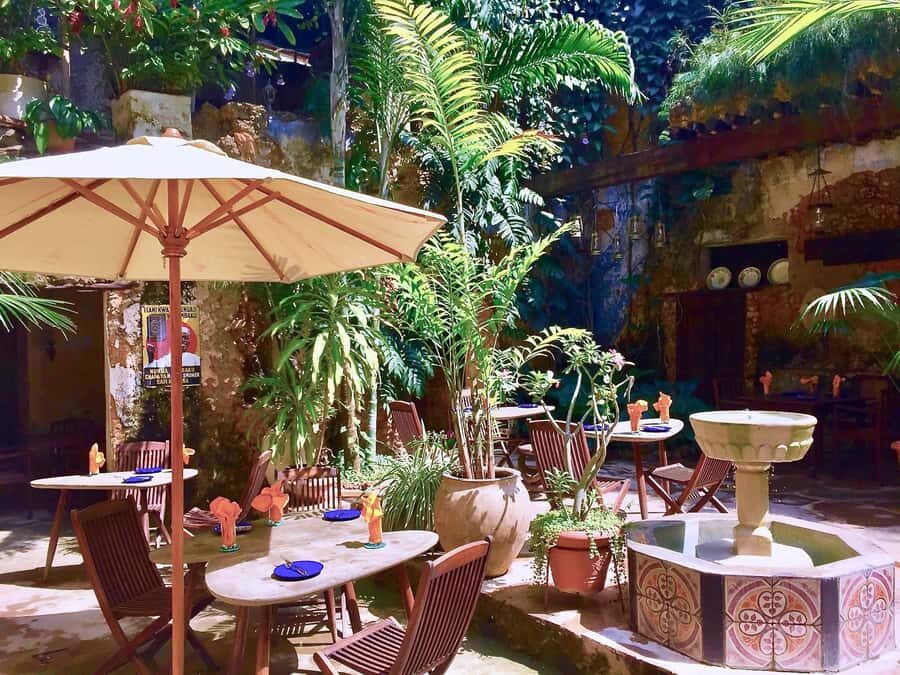
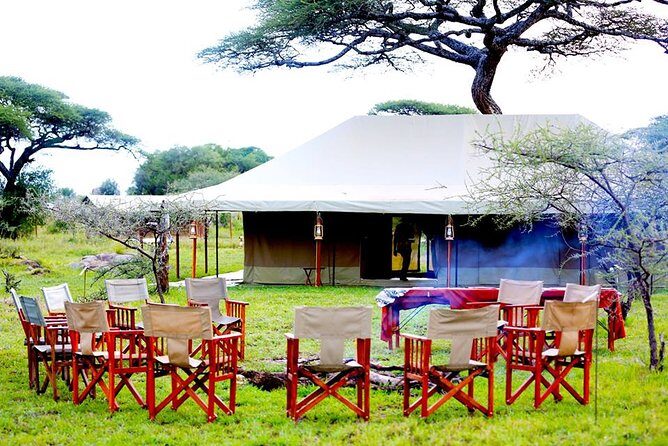
Lodge note: one provided experience mentioned a tent lodge in the Serengeti Park as a standout. I can’t claim every departure uses the same style, but it’s a useful clue that your “sleeping setup” might be closer to the wild edge than a city hotel. If that excites you, this route fits your mindset.
If you’re the kind of traveler who needs downtime in between activities, I’d plan for that mentally. Bring something small for the vehicle time—an easy way to pass hours without burning out. The upside is that you’re compressing multiple wildlife landscapes into one trip, so the trade-off can feel worth it.
Price and Logistics: what $2,000 covers, and what to plan for
At $2,000 per person, this is not a budget safari, but it’s also not priced like a luxury-only retreat. What makes it feel more reasonable is what’s included: breakfast, lunch, dinner, all fees and taxes, and private transportation. In places like Tanzania, those “small extras” add up fast, so the all-in structure can protect your budget from unpleasant surprises.
What’s not included is equally clear. You’ll need to handle international flights, insurance, visa, tips for your guide, and personal expenses such as laundry. If you’ve never done a safari before, tips can be the biggest “oops” line for first-timers, so I’d treat it as part of the real cost even when it’s not listed in the main price.
Also, you’re told you’ll have pickup offered and a mobile ticket. That matters because safari travel is not only about wildlife—it’s about avoiding confusion. Pickup reduces the chance that you start your trip stressed, and a mobile ticket keeps day-of details simpler.
Is it good value? For me, it comes down to expectations. If your priority is Big Five opportunities, plus mixing Serengeti, Ngorongoro, and Tarangire without managing separate bookings, this package is doing the organizing for you. If your priority is spending only short days driving and minimizing time in transit, you may feel the intensity.
A few more Arusha tours and experiences worth a look



The guide is the difference: Joseph, Godlove, Noel, and Tom
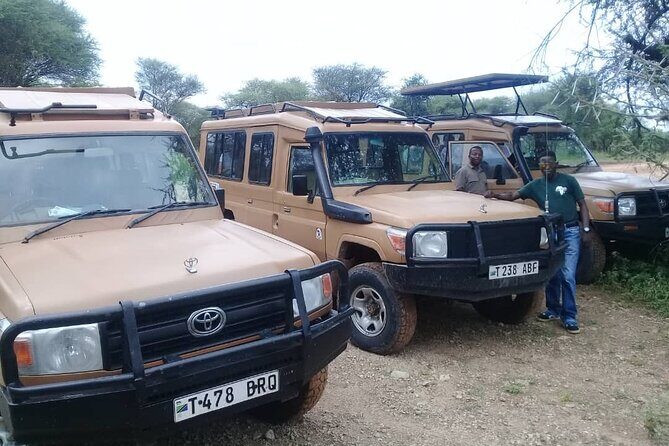
This is one of those experiences where the guide isn’t a background detail. You’re in a wildlife vehicle for long stretches, and your sightings depend on how your driver positions the car and how your guide manages the “scan, spot, explain, move” cycle.
Some guides are specifically praised by name in the provided experiences. Joseph is mentioned as a safe driver who helped sort out car issues so the trip could continue without turning into a disaster day. That kind of competence matters because safari vehicles can have problems anywhere—what counts is how quickly they get handled.
Godlove also comes up for doing everything and more to make the safari memorable. Noel is tied to an excellent overall experience and a standout lodge stay. Tom is praised for being professional and expert, with the comment that the lodge was very luxurious and the value was strong.
Even if you don’t care about names, you should care about the skill set those names represent. You want someone who can read animal behavior and also help you notice the smaller signals—like bird activity and movement patterns—that lead to better “wow” moments. The experience description even signals strengths in bird spotting through the way Tarangire is framed and how one of the mentioned guides is especially adept at sharing information about birds.
So when you book, I’d think of it this way: you’re paying for a day that runs on wildlife time. A good guide turns that into more sightings, less guesswork, and fewer wasted minutes.
What to watch for at each park (so you don’t miss the best moments)
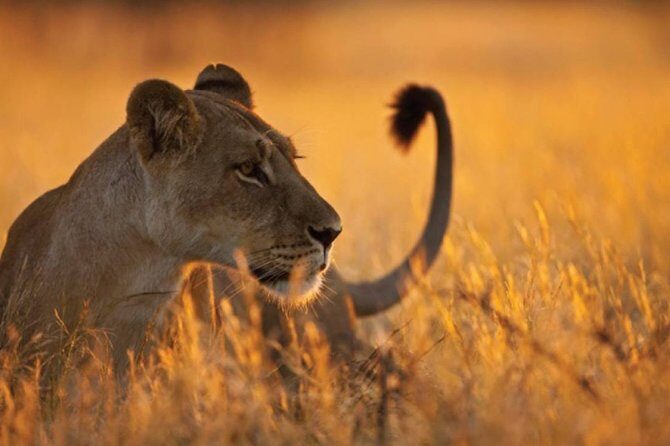
You’ll see the same broad categories across the circuit—predators, grazers, birds—but each park has its own “signature behavior” style.
In Serengeti, watch for predator-prey alignment. Lions, cheetahs, and hyenas are drawn by prey abundance, so your best time often comes when you find where animals are concentrating—then you wait for the story to unfold. Wildebeest and zebra activity can pull in both attention and opportunity.
In Ngorongoro, focus on crater-floor patterns. Lake Magadi is a named feature, so treat it as a focal point. Also, crater settings can offer multiple sighting chances from a few key viewpoints, which is why staying alert to your guide’s positioning helps.
In Tarangire, don’t only hunt big cats. The park calls out elephants and lists a broad mammal mix, but it also emphasizes birds. If you let your guide guide your attention, you can end up seeing both the show animals and the “quiet life” that makes safaris feel alive.
Who this safari suits best (and who should think twice)
This tour fits you best if you want a tight wildlife highlight circuit and you’re okay with long park days and vehicle time. It’s also a strong match if you care about seeing classic Tanzania icons—elephants, giraffes, buffalo, zebras, wildebeest—and you want real chances for lions, leopards, and cheetahs.
If you’re traveling with someone who gets restless easily, the private format helps, since your day can stay organized around your party. It’s also said that most travelers can participate, which suggests the basics are manageable for a wide range of comfort levels.
If you’re the type who hates surprises, take note of the mention of car problems in one experience. That doesn’t mean your trip will have the same issue, but it does mean you should choose a provider with strong on-the-ground problem-solving, which is exactly what your guide’s role covers when something goes wrong.
Final call: should you book this Serengeti–Ngorongoro–Tarangire safari?
I’d book this if you want the practical win: one package, three iconic places, private transport, and meals handled, with strong guide-driven spotting potential. The $2,000 price works best when you value time saved and don’t want to assemble separate parts of your safari.
I wouldn’t book if you’re trying to keep driving time minimal or if you’re extremely sensitive to schedule disruptions. Safari days can run long, and vehicle issues can happen anywhere—your experience depends on how quickly they’re addressed, which is why guide strength matters so much.
If you want a classic Tanzanian wildlife trip with a serious chance at headline sightings and a real mix of habitats, this circuit has a lot going for it.
FAQ
What cities does this safari start and end in?
This safari starts in Arusha, Tanzania and ends back at the meeting point.
Is pickup included?
Yes, pickup is offered.
Is this a private safari or shared with other groups?
This is a private tour/activity, so only your group participates.
What is included in the price?
The price includes breakfast, lunch, dinner, all fees and taxes, and private transportation.
What is not included?
Not included are international flight, insurance, visa, tips for guide, and personal expenses such as laundry.
How long does the experience last?
The duration is listed as 1 day 6 hours 30 minutes (approx.).
Where will we go during the safari?
You’ll visit Serengeti National Park, Ngorongoro Crater, and Tarangire National Park.
What animals can I expect to see?
The experience description highlights elephants, giraffes, buffaloes, zebras, wildebeests, lions, leopards, cheetahs, and other mammals. Ngorongoro is also framed for big five spotting.
Is birding part of the experience?
Yes. Tarangire is noted as having over 450 bird species observed, and one guide is praised for bird information.
Can I get a refund if I cancel?
Free cancellation is offered if you cancel up to 24 hours in advance for a full refund. If you cancel less than 24 hours before, the amount paid is not refunded.