REVIEW · DAR ES SALAAM
5 Days safari Selous GR and Mikumi NP
Book on Viator →Operated by Selous Game Reserve · Bookable on Viator
Two parks in one untamed route. You get Selous by river boat and on foot, then finish in Mikumi for long game drives that feel more relaxed and reachable. It’s a smart mix if you want variety without hopping airports every day.
I especially love the Great Rufiji River boat safari on Day 1. Hippos and crocodiles share the water up close, and the birdlife makes the whole experience feel alive even when you’re just drifting. I also love the walking safari with an armed ranger on Day 2—seeing tracks, droppings, and small creatures adds a level of detail you don’t get from a vehicle.
The main consideration is time. You’ll do long road days (about 5 to 6 hours on the first transfer, and around 8 hours to Mikumi), and you’ll also start early for sunrise game viewing. If you hate early mornings or long drives, build in extra patience.
In This Review
- Key highlights you’ll feel fast
- Selous and Mikumi: why this pairing makes sense
- Day 1 in Selous: the Great Rufiji river boat safari
- Day 2 in Selous: walking safari with an armed ranger
- Day 3 transfer: Uluguru Mountains to Mikumi with en route game drives
- Day 4 in Mikumi: full-day game drive with packed lunch boxes
- Day 5 in Mikumi: sunrise game drive, then back to Dar es Salaam
- Price and value: what $1,300 buys you
- Practical safari advice before you go
- Who this safari fits best
- Should you book the 5 Days Selous and Mikumi safari?
- FAQ
- FAQ
- What time does the tour start?
- Does the tour offer pickup in Dar es Salaam?
- Is this a private tour?
- How long is the safari?
- Which parks are included?
- What safari activities are included in Selous?
- How long is the walking safari?
- How much driving time should I expect?
- Is there a game drive on Day 5 for everyone?
- What if weather is bad?
- Can I cancel for a full refund?
Key highlights you’ll feel fast
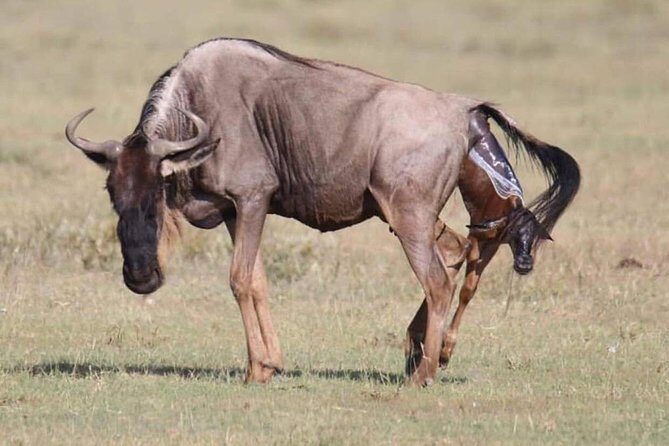
- Great Rufiji River boat safari with hippo and crocodile action plus close bank-side viewing
- Armed-ranger walking safari (about 2 to 2.5 hours) where tracks and droppings tell the story
- Wild drive through Uluguru Mountains toward Mikumi, passing villages and farms en route
- Full-day Mikumi game drives with picnic-style lunch boxes included for a full stretch
- Sunrise game drive on Day 5 for early light and active animals
- Private safari setup for only your group, with pickup and a mobile ticket
Selous and Mikumi: why this pairing makes sense
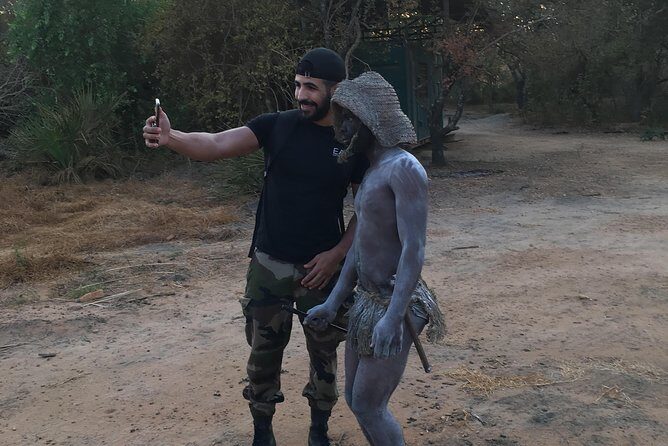
Selous Game Reserve is huge—about 54,600 km²—and it’s one of the most wildlife-forward places in southern Tanzania. It was named after Englishman Sir Frederick Selous, and the area’s protected status is tied to its wildlife variety and undisturbed nature. Selous became a UNESCO World Heritage Site in 1982, which is exactly the kind of label that usually comes with rules, effort, and careful management.
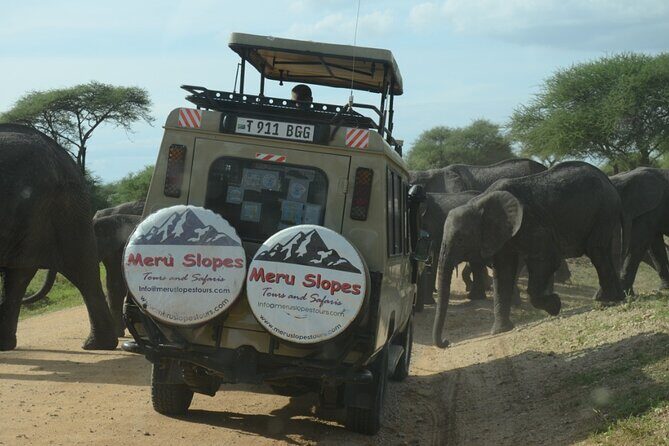
Mikumi National Park is the easier follow-up. It sits north of Selous, and it’s one of Tanzania’s more accessible parks from Dar es Salaam year-round. Mikumi is large enough to feel like real safari country (about 3,230 km² after expansion), and it’s famous for the chance to see common big-game species without the same level of logistical stress you might expect elsewhere.
Put together, the parks give you two different safari styles. Selous leans into the river, the wilderness feel, and walking with a ranger. Mikumi shifts toward classic drives and a higher chance of repeated big-animal sightings over a couple of full-day stretches.
A few more Dar es Salaam tours and experiences worth a look
Day 1 in Selous: the Great Rufiji river boat safari
After leaving Dar es Salaam, you’ll drive about 5 to 6 hours toward Selous. There’s a short break for hot lunch in Kibiti along the way, which matters because you arrive ready to enjoy the day instead of already cooked by the road.
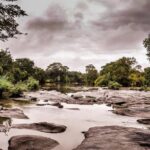
Once you reach Selous, the afternoon slot is for a boat safari along the Great Rufiji River. This is where Selous feels different from most parks. Instead of only scanning the bush from a high seat, you’re moving water-level through an animal corridor. The plan is to get you in close contact with hippos and crocodiles, plus excellent birdlife.
In practice, you’ll likely see animals come to the river to drink. The boat can approach elephants, waterbuck, and other animals on the river banks within a few meters, which is not a guarantee in every safari location, so it’s worth appreciating when it happens. And crocodiles have that calm, slow glide into the water that’s both eerie and fascinating.
Two smart ways to enjoy this day:
- Keep your camera ready but don’t lock your eyes on it. Some of the best moments are quick: a head lift, a splash, a bird that suddenly decides to land near the boat.
- Pay attention to sounds and movement along the bank. If you focus only on open water, you can miss animal action just off the shoreline.
Day 2 in Selous: walking safari with an armed ranger
Day 2 starts early. You’ll have coffee or tea before heading out for a wilderness walking safari with an armed ranger. The walk is guided and planned for about 2 to 2.5 hours, which is enough time to feel like you’re learning the area instead of just doing a short token walk.
This is where the safari becomes more sensory. You’re not only looking for animals; you’re reading the environment. You’ll get chances to spot footprints and droppings from different animals and small creatures that you might never see during a game drive.
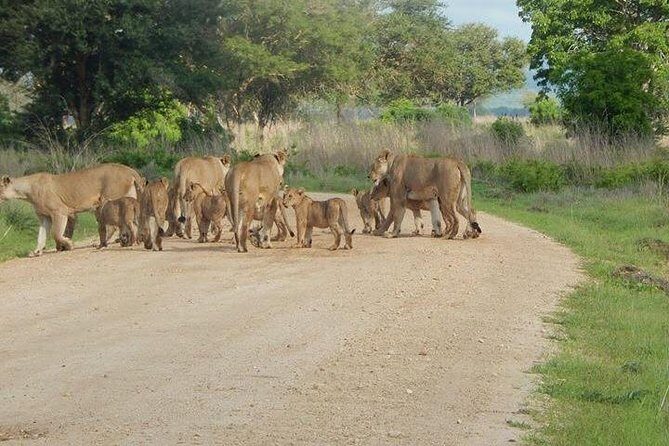
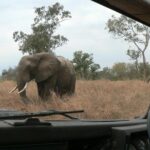
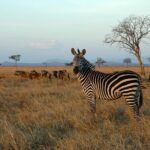
After the walk, you go back to the camp or lodge for breakfast. Then the day shifts into a game drive running until sunset. Selous is known for elephants, and you can also expect sightings of lions, wild dogs, buffaloes, bushbuck, impalas, elands, baboons, zebra, wildebeest, and greater kudus. That’s a lot of names—but the real value is that the habitat supports frequent variety.
A practical heads-up: walking safaris can feel tough if you’re not used to heat and uneven ground. The good news is that the tour is structured around you having a breakfast break afterward, so you aren’t spending the whole day on your feet without recovery.
Also, a strong guide makes this day better. In similar Selous experiences, guide names like Davis have come up for their skill at spotting wildlife—exactly what you want when you’re walking and visibility is more limited.
Day 3 transfer: Uluguru Mountains to Mikumi with en route game drives
Day 3 is travel, but it’s not wasted travel. After breakfast, you head from Selous toward Mikumi National Park with game drives along the way. The drive is described as truly wild and untouched areas of southern Tanzania, and it takes about 8 hours.
You’ll travel up into the Uluguru Mountains region, crossing rivers and passing through small local villages and farms. This kind of route does two helpful things. First, it breaks up the long days so you’re not trapped in silence for the entire drive. Second, it gives you extra chances to see animals before you even reach Mikumi.
The drawback is simple: it’s tiring. Eight hours of road time—plus looking for wildlife—adds up. Pack snacks if you’re allowed, hydrate well, and don’t plan to feel fully fresh until you settle in at camp.
If you’re coming with a focus on adventure rather than comfort, this is one of the best uses of a transfer day. If your top priority is rest and gentle pacing, you’ll want to adjust expectations for Day 3.
Day 4 in Mikumi: full-day game drive with packed lunch boxes
Mikumi gives you a classic safari day: a full-day game drive with a plan for lunch in packed lunch boxes. The schedule runs about 10 hours, so you’re out during enough daylight to see changing animal behavior—from morning movement to afternoon heat activity and evening patience near watering areas.
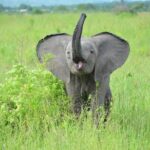
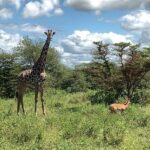
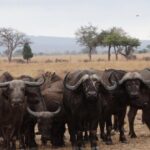
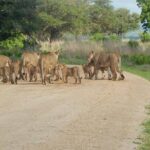
Mikumi is known for buffaloes, giraffes, elephants, lions, pythons, zebras, leopards, crocodiles, and more. Birds matter here too. Over 300 species have been observed in the park, and that’s not just trivia—it’s one reason the hours on the road can still feel interesting when big mammals are quiet for a stretch.
A balanced way to approach a long day like this:
- Accept that wildlife isn’t a vending machine. If one species is quiet, birds, tracks, and smaller mammals can keep the day engaging.
- When you do get the big sighting, slow down your attention. Watch the whole scene—feeding, warning calls, movement patterns. That’s often where you learn what’s happening.
A few more Dar es Salaam tours and experiences worth a look
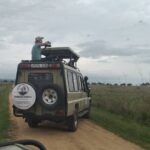
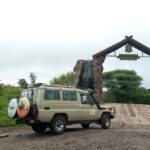
Day 5 in Mikumi: sunrise game drive, then back to Dar es Salaam
Day 5 starts with an early morning game drive designed around sunrise. The drive takes about 2.5 hours, which is a sweet spot: early enough for action and light, short enough that you still get breakfast afterward without feeling dragged.
Then you return to camp for breakfast. For people who stay inside the park, the plan is a morning game drive only. For those staying outside the park, the schedule notes that there is no game drive on this day—so it’s important to understand where you’re sleeping.
After breakfast, you drive back to Dar es Salaam with a stop for hot lunch. On arrival, the drop-off is flexible: you can be delivered to the airport, a hotel, or a ferry terminal for the last ferry to Zanzibar. If your next stop is Zanzibar, this structure can save you time and stress.
This day is usually the easiest to manage because your safari time is concentrated early, and the rest is travel back.
Price and value: what $1,300 buys you
At $1,300 per person for about five days, you’re paying for a package that strings together multiple safari formats, park-to-park transfers, and guided time on the ground. In plain terms: you’re not just buying an animal sighting. You’re paying for logistics and access—the hard part in safari planning.
Here’s what you actually get in the structure:
- Selous coverage across both river and land: afternoon boat safari plus a guided walking safari
- A transfer day with game drives en route to Mikumi
- Full-day game drives in Mikumi, plus a sunrise-focused morning on Day 5
- Pickup offered at the start and drop-off options at the end
- A mobile ticket, and confirmation at booking time
Value often comes down to whether the package matches how you like to see animals. If you enjoy variety—river viewing plus walking plus long drives—this format is a solid match. If you prefer a slower pace, you’ll still get plenty of safari time, but the long road days might feel like the trade-off.
Practical safari advice before you go
Start with the basics: Tanzania in safari areas can be hot, and safari schedules run early. Wear breathable clothes, bring sun protection, and plan to stay hydrated. Even when you’re seated on a vehicle, you’ll be out long enough for heat to catch up with you.
For the day-by-day expectations:
- Day 1 is an afternoon boat experience, so dress for sun and water-adjacent conditions.
- Day 2 includes a walking portion—bring shoes that can handle rough ground.
- Day 3 is the long drive with stops and game viewing. Comfort matters.
- Day 4 and Day 5 are vehicle-based game viewing, timed for maximum daylight and sunrise.
Guide quality is also part of the value. In the experiences connected to Selous and Mikumi, names like John and guides such as Davis have been associated with strong wildlife spotting and keeping the trip running smoothly. You can’t always choose the guide in advance with the info given, but you can ask your operator who’s leading and what their style is.
Who this safari fits best
This tour works especially well if you want:
- Two distinct safari styles in one trip (river boat + walking in Selous, then longer drives in Mikumi)
- A good balance between big-animal chances and meaningful time on the ground
- A straightforward route from Dar es Salaam with end drop-off that can connect to Zanzibar
It may not be your best match if you:
- Hate early starts (sunrise on Day 5)
- Struggle with long drives (about 5 to 6 hours on the first leg and roughly 8 hours on Day 3)
- Don’t want any walking at all. Day 2 is guided walking with a ranger for about 2 to 2.5 hours
The good news is that the tour says most people can participate, which usually means they expect a range of ability levels. Still, a walking safari isn’t the same as a short stretch on a flat sidewalk.
Should you book the 5 Days Selous and Mikumi safari?
If your goal is a classic southern Tanzania safari with real variety, I’d lean yes. The mix is thoughtful: river action in Selous, a chance to read the wilderness on foot, then the easier-to-reach big-park feel of Mikumi.
Book with confidence if you like:
- Being outside most of the day
- Watching animals from different angles (water-level on the boat and long scans from the vehicle)
- A route that ends cleanly in Dar es Salaam with options for Zanzibar
Skip it (or ask more questions) if you want a gentler pace. The schedule includes long drive days and early starts, and the walking portion requires a basic comfort level on your feet.
FAQ
FAQ
What time does the tour start?
The start time is 7:00 am.
Does the tour offer pickup in Dar es Salaam?
Yes. Pickup is offered.
Is this a private tour?
Yes. It’s private, so only your group will participate.
How long is the safari?
It’s approximately 5 days.
Which parks are included?
You’ll visit Selous Game Reserve and Mikumi National Park.
What safari activities are included in Selous?
Day 1 includes an afternoon boat safari along the Great Rufiji River. Day 2 includes a wilderness walking safari with a guided armed ranger, followed by a game drive.
How long is the walking safari?
It runs about 2 to 2.5 hours.
How much driving time should I expect?
The journey to Selous is about 5 to 6 hours, and the transfer from Selous to Mikumi is about 8 hours. Mikumi days also include long game-drive time (about 10 hours on Day 4).
Is there a game drive on Day 5 for everyone?
The plan notes that if you stay inside the park, there is a sunrise morning game drive. If you stay outside the park, there is no game drive on Day 5.
What if weather is bad?
The experience requires good weather. If it’s canceled due to poor weather, you’ll be offered a different date or a full refund.
Can I cancel for a full refund?
Yes. You can cancel up to 24 hours in advance for a full refund. If you cancel less than 24 hours before the start time, you don’t get a refund.