REVIEW · ARUSHA
7 Day Tanzania visiting Arusha, Lake Manyara, Serengeti, Ngorongoro & Tarangire
Book on Viator →Operated by Super Game Tanzania Tours and Safaris · Bookable on Viator
Four parks, one crater, and constant wildlife surprises. This 7-day route out of Arusha strings together Arusha National Park plus the big-wildlife payoff of Serengeti, then caps it with a crater-floor game drive that puts you close to animals in a way you can’t fake. I like that the day-to-day rhythm mixes big parks with one more local-feeling stop, so you’re not just driving and checking boxes.
I also love the practical pop-up-top 4×4 transport. When the jeep bounces and the light changes, being able to stand and scan makes a real difference for spotting lions, elephants, and birds without turning the whole trip into a photo-frenzy workout. The main consideration: the schedule is packed with early starts and long inter-park drives, and some key sightings (like tree-climbing lions or flamingos) depend on season and luck.
In This Review
- Key highlights I’d circle on your trip plan
- The real “value” of this 7-day route from Arusha
- Arusha National Park: ranger walk, Mount Meru scenery, and birding time
- Tarangire National Park: baobab country and river-fed elephant action
- Serengeti National Park: how Seronera’s water changes your odds
- Ngorongoro Crater: the rim-to-floor shift that makes the day special
- Lake Manyara on the way back: tree-climbing lions and seasonal flamingo chances
- Lodging choice: economy, comfort, or luxury tented camps
- Transport and group style: private jeep pace, pop-up viewing, and real flexibility
- The $3,430 price: when it feels like a bargain and when it doesn’t
- Should you book this 7-day Arusha-to-Ngorongoro safari?
- FAQ
- How long is the safari?
- Where does the safari start and end?
- What parks are included?
- What transport will we use?
- Is this a private tour?
- What type of accommodation is offered?
- Is there a walking or ranger-led activity?
- Do I need to worry about weather or cancellations?
Key highlights I’d circle on your trip plan
- Pop-up-top 4×4 jeep gives you better viewing during bumpy, slow savanna drives
- Armed ranger walk in Arusha National Park plus picnic lunch, in a park with strong scenery and birding
- Tarangire’s baobabs and elephant herds along the Tarangire River
- Serengeti game drives focused around Seronera and the water that draws wildlife
- Ngorongoro crater descent and ~5-hour crater-floor drive, including the hippo pool picnic
- Accommodation choice across economy, comfort, and luxury safari lodges and tented camps
The real “value” of this 7-day route from Arusha
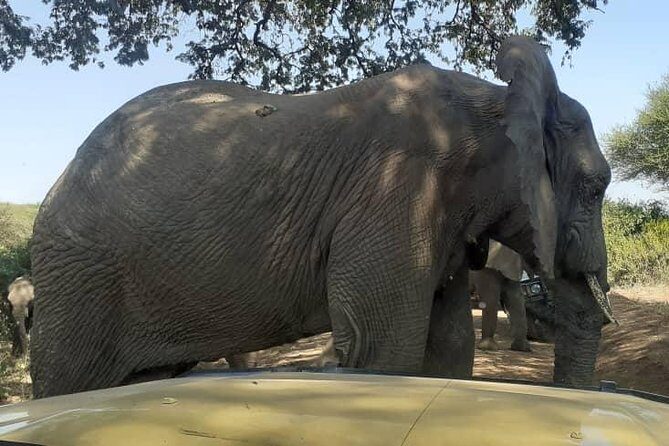
This safari makes a smart loop around Tanzania’s Northern Circuit. You’re moving through multiple habitats—mountain forest edges, river country, open plains, then the enclosed crater—so the wildlife feels varied instead of repetitive.
You’ll also spend most of your days doing what safaris are really about: long game drives, picnic lunches, and time in prime areas rather than rushing through. With a private setup (only your group), you’re not stuck watching someone else’s pace, and your guide can adjust stops when animals or road conditions change.
A few more Arusha tours and experiences worth a look
Arusha National Park: ranger walk, Mount Meru scenery, and birding time
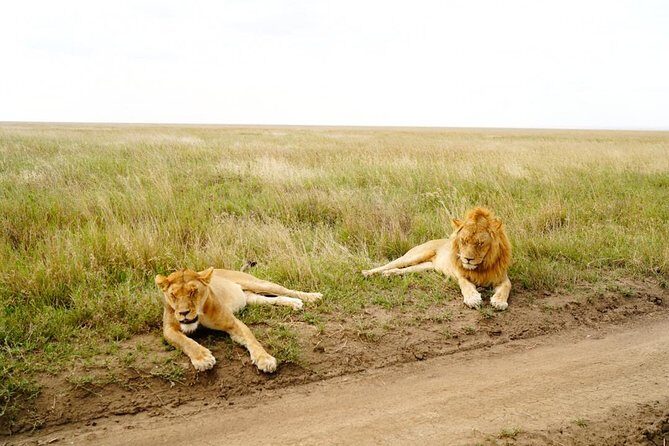
Day 1 starts with pickup from your Arusha hotel (listed at 8:30 AM) and heads to Arusha National Park at the base of Mount Meru. This is a smaller park compared to the big names on the circuit, but that’s the point: it’s scenic, habitat-diverse, and it lets you ease into safari mode without going straight to open plains.
One of the most distinctive moments is walking with an armed ranger. You’ll get a picnic lunch during this portion, and walking changes how you see animals and birds—you notice movement and sound in a way that a jeep drive can’t always match.
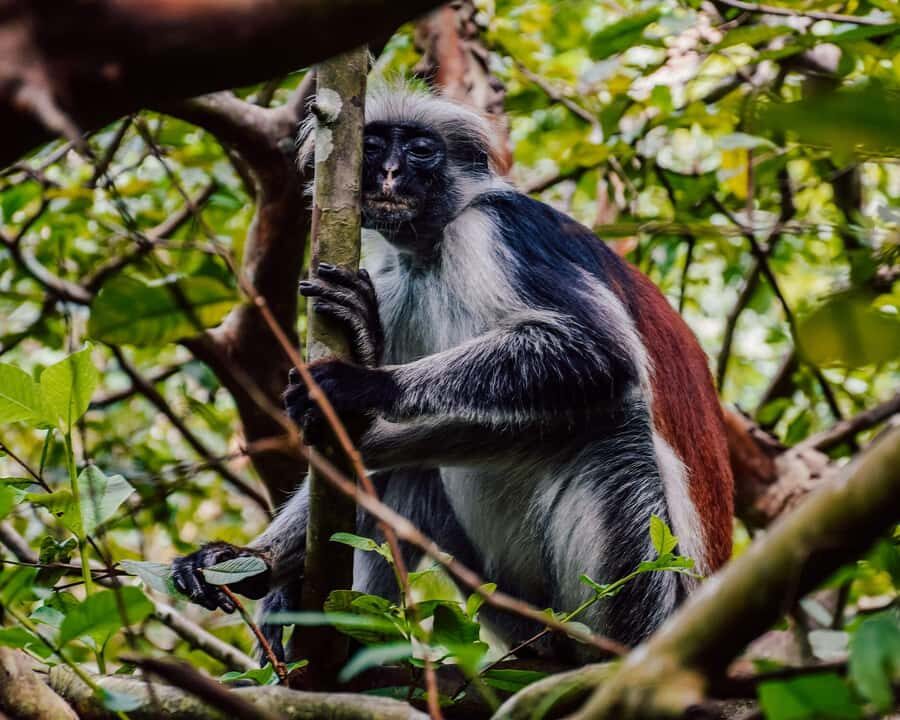
Afterward, you’ll do a game drive in the park’s mixed settings, from forest (home to the black-and-white colobus monkey) to moist savannah and alpine moorland. If you care about birding, the park’s often a good starting point because lakes can host flocks of flamingos depending on conditions.
Practical consideration: Arusha National Park sits in a region with elevation and varied terrain. Wear shoes you trust for uneven ground, and don’t expect the same action density as Serengeti—this day is more about atmosphere, wildlife variety, and getting oriented.
Tarangire National Park: baobab country and river-fed elephant action
On Day 2 you’ll head to Tarangire National Park for a full day game drive with a picnic lunch. Tarangire is Tanzania’s third-largest park, and it’s famous for baobab trees that tower over the savanna like slow-moving landmarks.
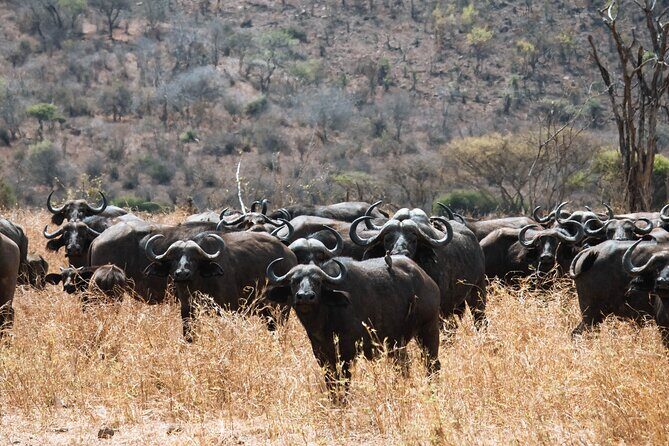
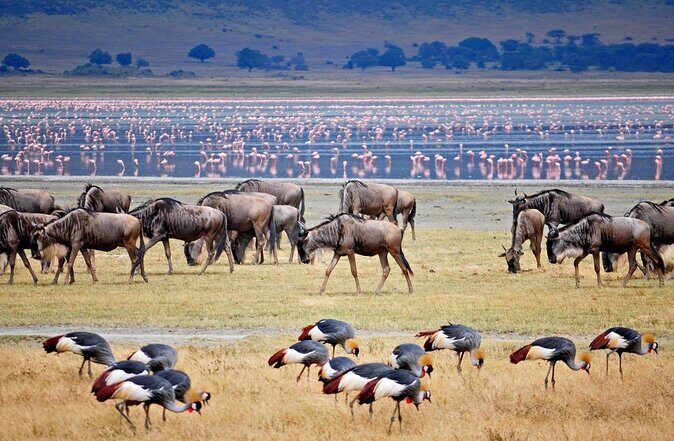
The main draw is the Tarangire River, which acts like a magnet for animals. This is where you can see some of the largest herds of elephants in Africa, plus a strong chance of lions, leopards, cheetah, buffalo, giraffe, zebra, and several antelope species (including eland and lesser kudu).
What I like about Tarangire on a Northern Circuit trip is that it doesn’t feel like a copy of Serengeti. The baobabs create a different visual rhythm, and the river-based wildlife pattern can make game drives feel more concentrated.
A realistic note: big predator sightings can still be hit-or-miss, but your odds are supported by the variety of habitats and the animal traffic around water. If you’re traveling in a period with dry conditions, you may find animals closer together around river areas.
Serengeti National Park: how Seronera’s water changes your odds
Days 3 and 4 are dedicated to Serengeti National Park, including time in the central part of the park around Seronera. This area matters because of the Seronera River, which provides a steady water source and draws animals into predictable zones.
On Day 3, you’ll head into Serengeti’s open grasslands and enjoy an afternoon game drive. Expect classic savanna viewing: wildebeest, zebra, gazelles, and—if you get the timing right—lions lounging in the shade.
Day 4 is a full day game drive starting at 8:00 AM. The plan focuses on the rich wildlife habitat around Seronera, which is often where you see a representative cross-section of Serengeti species. The trip also notes that during off-season migration periods, you should watch closely for lion prides thriving in the region.
What to know before you go: Serengeti rewards patience. Even when you’re in a good area, animals don’t always show up on schedule. Your best strategy is to stay flexible, accept slower stretches, and keep scanning—this is where a strong guide with a keen wildlife eye becomes worth real money.
Ngorongoro Crater: the rim-to-floor shift that makes the day special
Day 5 has you leaving after a morning drive in Serengeti and moving to the Ngorongoro Crater rim for the next stage. The crater itself is described as one of the world’s largest calderas, and it’s surrounded by extinct volcanic rings—so even before you descend, you’re stepping into something that feels geologically rare.
Ngorongoro’s core value is the enclosed setting on the crater floor, where watering holes support a dense concentration of wildlife. The tour plan points to around 30,000 animals sheltering there, and that density is why this day often becomes a highlight even for people who’ve already done other safaris.
Day 6 is the payoff: an early breakfast, then a descent to the crater floor for a game drive listed at about 5 hours. You can expect to see lions, elephants, zebras, hippos, flamingos, jackals, and rhino antelopes, plus many birds.
You’ll also have a picnic lunch at the hippo pool, then a steep climb back to the crater exit. That climb is the most obvious physical challenge in the whole itinerary, so plan for it. Take your time, pace yourself, and treat the ascent like part of the experience—not a quick chore.
The bird list is specific in the plan and includes things like eagles, vultures, and flamingos in the crater lake, plus stork, sacred ibis, and several other named species. Even if you’re not a dedicated birder, the variety helps you keep your attention wide—animals and birds often move through the same viewpoints.
One more practical note: crater days can be long and visually intense. Bring a sense of calm to it. If you spend the whole drive trying to score the perfect photo, you’ll miss the subtle stuff—like how animals behave when they aren’t being rushed.
Lake Manyara on the way back: tree-climbing lions and seasonal flamingo chances
The final day (Day 7) takes you back toward Arusha via Lake Manyara National Park with a half-day game drive. The drive runs from entry around 9:00 AM with a picnic lunch mid-route, and you’ll scan for buffaloes, giraffes, impalas, baboons, and blue monkeys.
Manyara’s signature is the tree-climbing lions. The plan also calls out that spotting them can be luck, which is honest and important. If you come expecting a guarantee, you’ll feel disappointed; if you come expecting a chance, you’ll enjoy it more.
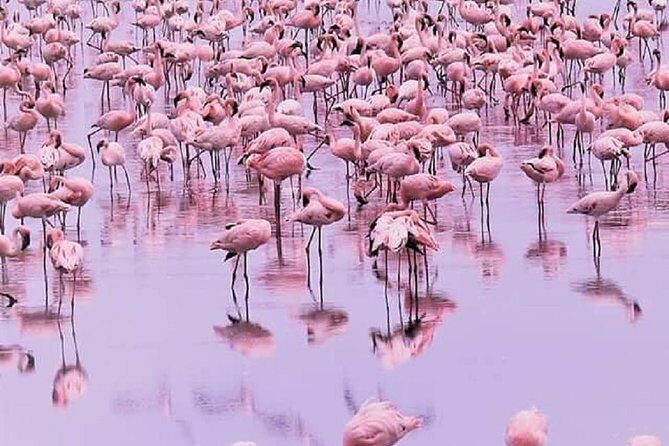
Seasonal flamingos are the second big Manyara storyline. The plan says that in the right season, you can see the shoreline turning pink with millions of flamingos flocking there. That means this day can swing from excellent to extra-special depending on timing, but even outside the peak flamingo conditions, Manyara still offers forest edges and varied animal behavior.
Lodging choice: economy, comfort, or luxury tented camps
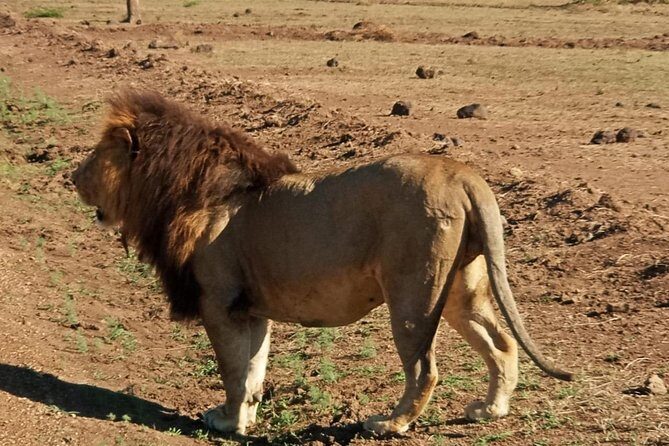
Your accommodation is flexible by budget: economy, comfort, or luxury safari lodges and tented camps. This isn’t a throwaway detail. On a safari where you’re out for long drives every day, the comfort level at night affects how much you can genuinely enjoy the next morning.
If you choose economy, you may trade some creature comforts for more time and money flexibility elsewhere. If you choose comfort or luxury, you’re paying for better sleeping space and amenities, which can help on the days that run early and end late.
What stays consistent across lodging styles is the overall structure: dinner after each park day and rest before the next early start. That steady routine is what helps you keep energy for crater climbing and long drives.
Transport and group style: private jeep pace, pop-up viewing, and real flexibility
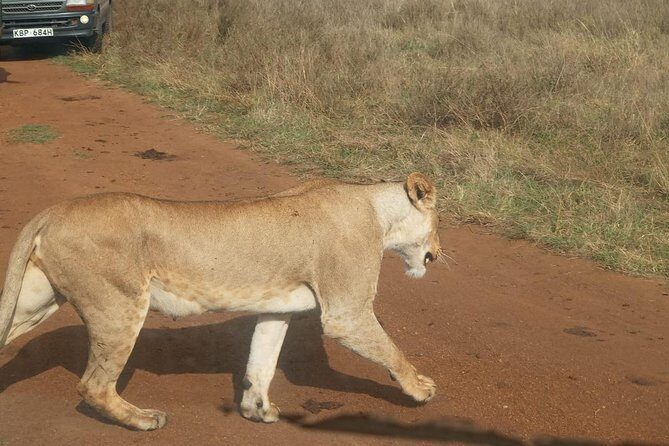
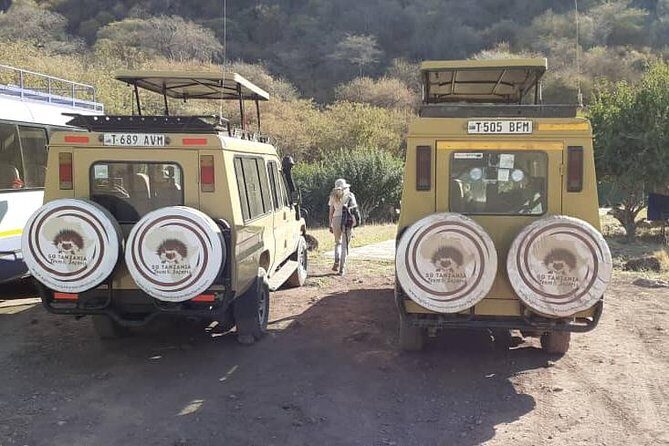
Your transport is a customized pop-up top 4×4 jeep, which is exactly what you want for safari viewing. In a pop-up setup, you get a better angle for spotting animals off to the side, and it’s easier to scan across open grasslands without constantly leaning.
Because the tour is private, you should get a smoother day-to-day pace. Instead of being locked into a fixed departure time because of other groups, your guide can manage the route to keep sightings possible and reduce dead time on the road.
This is also where guide quality shows up in the real world. Feedback for this operator highlights driver-guides such as George, Salu, and Joseph, with praise focused on dedication, wildlife spotting, and going the extra mile. If you can, ask who your guide will be before you finalize your packing list mentally; having the right person at the wheel matters on safari.
The $3,430 price: when it feels like a bargain and when it doesn’t
At $3,430 per person for an approximately 7-day safari, you’re paying for a serious, multi-park itinerary plus private transport. The value hinges on what you include mentally: long game-drive days, a crater-floor descent, and the ranger-led walking component in Arusha.
Where this price can feel especially fair is if you want multiple parks without the hassle of stitching together separate tours. You’re also choosing among lodge styles, which means you’re not stuck paying a premium level of comfort if you don’t want it.
When the price feels less attractive: if you only want one or two parks, you’d spend far less by narrowing your scope. Also, if you’re hoping for guaranteed specific sightings like tree-climbing lions or large flamingo flocks, you should remember the plan itself frames those as luck and seasonal.
If you’re the type who values time on the road in prime wildlife areas rather than downtime in cities, this route has a strong case.
Should you book this 7-day Arusha-to-Ngorongoro safari?
I’d book it if you want a first-rate Northern Circuit sampler with the right mix of classic big-game parks and a crater day that delivers true close-range wildlife. The route is built around time in Tarangire, Serengeti (Seronera focus), and Ngorongoro, with Manyara as a satisfying return finale.
I’d hesitate if your trip style needs lots of unstructured time or you’re sensitive to early starts and long driving days. Also, if you’re traveling specifically for one seasonal species highlight, keep your expectations flexible, because those sightings can shift with conditions.
One last practical suggestion: before you pay attention to anything else, confirm your exact hotel pickup time and the lodge style included in your chosen budget tier. That’s where your personal comfort and first-day momentum are decided.
FAQ
How long is the safari?
The tour is listed as 7 days (approx.).
Where does the safari start and end?
It starts with pickup in Arusha (the plan mentions 8:30 AM from your hotel) and ends back at the meeting point. The meeting point is listed near Kilimanjaro International Airport.
What parks are included?
You’ll visit Arusha National Park, Tarangire National Park, Serengeti National Park, Ngorongoro Crater (crater rim and floor), and Lake Manyara National Park.
What transport will we use?
You’ll travel in a customized pop-up top 4×4 jeep.
Is this a private tour?
Yes. It’s private, and only your group participates.
What type of accommodation is offered?
Accommodation is available in optional economy, comfort, or luxury safari lodges & tented camps.
Is there a walking or ranger-led activity?
Yes. On Day 1 in Arusha National Park, you’ll walk with an armed ranger and have a picnic lunch.
Do I need to worry about weather or cancellations?
The tour requires good weather. Cancellation is free up to 24 hours in advance for a full refund, and if canceled due to poor weather you’ll be offered a different date or a full refund.