REVIEW · JOZANI CHWAKA BAY NATIONAL PARK
Zanzibar:Jozani forest, Spice farm with Swahili Cuisine clas
Book on GetYourGuide →Operated by WINGS TOURS 52 · Bookable on GetYourGuide
Red monkeys in their home forest. That is what makes this 5-hour Zanzibar combo so fun: you get a guided walk in Jozani Chwaka Bay National Park and then spice learning at Shabuta Spice Farm, all with practical context for how Zanzibar plants actually grow. I also like the way the tour links nature to food, with a Swahili cooking class that helps you understand what those fragrant spices are used for.
One thing to watch: the spice-farm part can feel salesy. Based on past experiences, you might run into multiple staff members waiting for tips and strong pressure to buy items, including the coconut-tree entertainment. If you hate being put on the spot, go in with a clear budget and firm limits.
In This Review
- Key takeaways before you go
- First stop: Jozani Chwaka Bay and the red monkey encounter
- Mangroves: where the “forest” gets wet
- A realistic note on wildlife
- Shabuta Spice Farm: smell, taste, and set your boundaries
- The main drawback: tip pressure and shopping pressure
- How to make the spice-farm stop feel worth it
- Swahili Cuisine class: the practical connection to what you tasted
- What you should expect from a cooking add-on
- The coconut-tree human butterfly show
- Pricing and value: is $94 per person fair?
- How guide quality affects value
- Practical tips so the day stays smooth
- About your age and health fit
- Who should book this tour?
- Best matches
- Should you book? My call
- FAQ
- Where is this tour in Zanzibar?
- How long is the experience?
- What does the price include?
- Can I choose whether to start with Jozani forest or the spice farm?
- What animals or wildlife might I see?
- What spices and fruits are you likely to experience at the farm?
- What should I bring?
Key takeaways before you go
- Red monkey spotting in Jozani: friendly faces, and you’ll learn their special traits like four fingers and no thumb.
- Mangroves with a guide’s explanations: you see how mangrove growth works instead of just passing by.
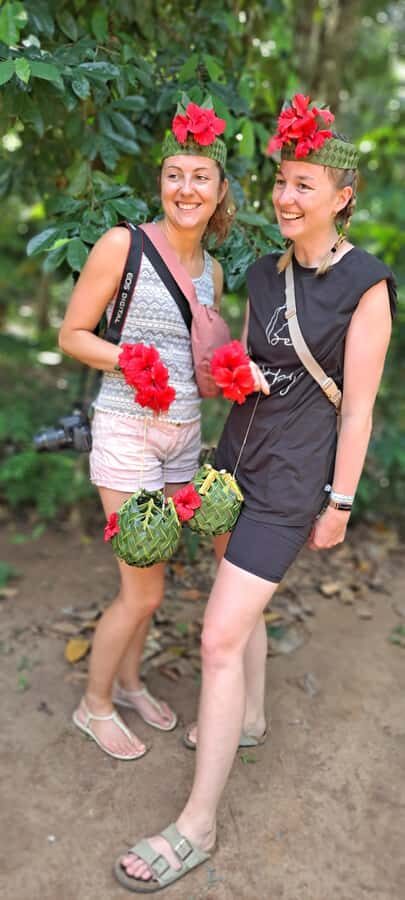
- Spice tastings that go beyond photos: cinnamon, cardamom, black pepper, ginger, turmeric, cloves, and more.
- Swahili Cuisine cooking class: you don’t just smell spices; you learn how they show up in real dishes.
- Coconut climber and the human butterfly moment: a memorable Zanzibar performance tied to the spice-farm stop.
- Guides can make the difference: names like Othman and Hassan show up in strong feedback for clear explanations.
First stop: Jozani Chwaka Bay and the red monkey encounter
Jozani is the kind of place where your brain switches from beach mode to nature mode fast. The tour starts with a walk in the park, and the timing helps. You’re not rushing in and out; you get about an hour and a half to explore with a guide, plus time for a quick photo stop.
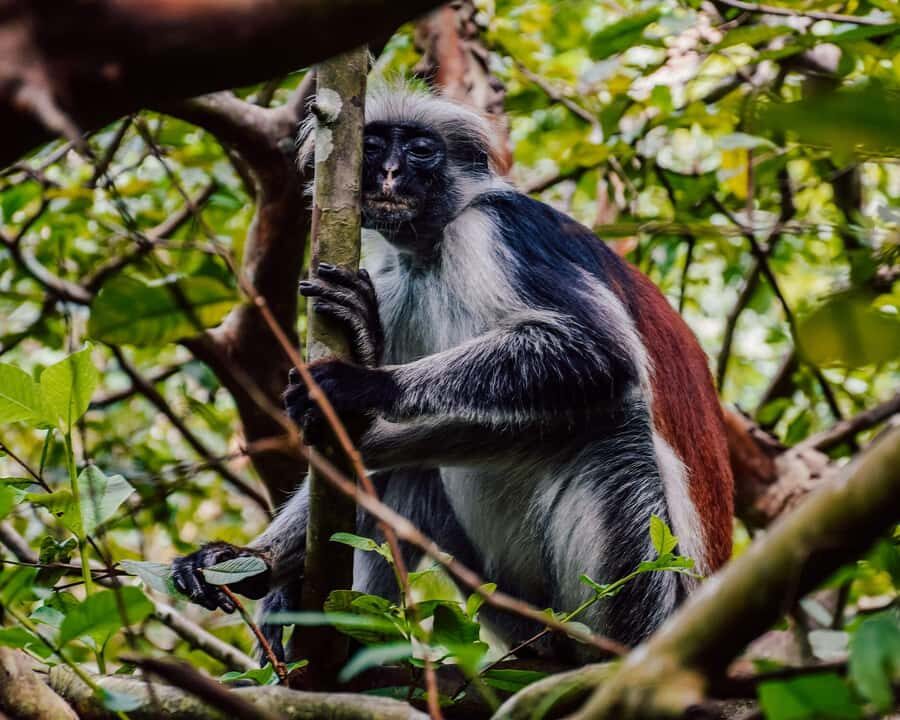
The headline is the red monkeys. Zanzibar red colobus (the ones people come for) are called special for a reason, and your guide will point out details that make them feel like more than just a photo. You’ll hear that they have four fingers and no thumb. You’ll also notice the coloring: a white chest, and the rest of the body is red. It sounds simple, but when you’re standing there watching them move, those facts make it easier to identify them instantly.
You’ll likely see other forest species too, depending on where the guide leads and what’s active. The tour includes chances to spot elephant shrew, camellions (chameleons), and something the guide may refer to as digidig. Even when you only get a partial sighting, you’ll come away with a clearer sense of what lives in this ecosystem.
You can also read our reviews of more tours and experiences in Jozani Chwaka Bay National Park.


Mangroves: where the “forest” gets wet
After the forest walk, the plan shifts to mangroves. You don’t just look at trees; you learn how mangroves are grown and why they matter in coastal ecosystems. For me, this is one of the best parts because it turns a pretty landscape into a functional habitat story.
Mangroves are salt-tolerant and they shape shorelines. In a short tour, you won’t get a full science lesson, but you do get the kind of basic understanding that makes your later Zanzibar walks feel more meaningful.
A realistic note on wildlife
Wildlife watching is never guaranteed on a short schedule. Still, this tour’s structure gives you a genuine chance: guided time in the park, not just a quick drive-by, and a park that’s specifically known for Zanzibar’s endemic primates.
Shabuta Spice Farm: smell, taste, and set your boundaries
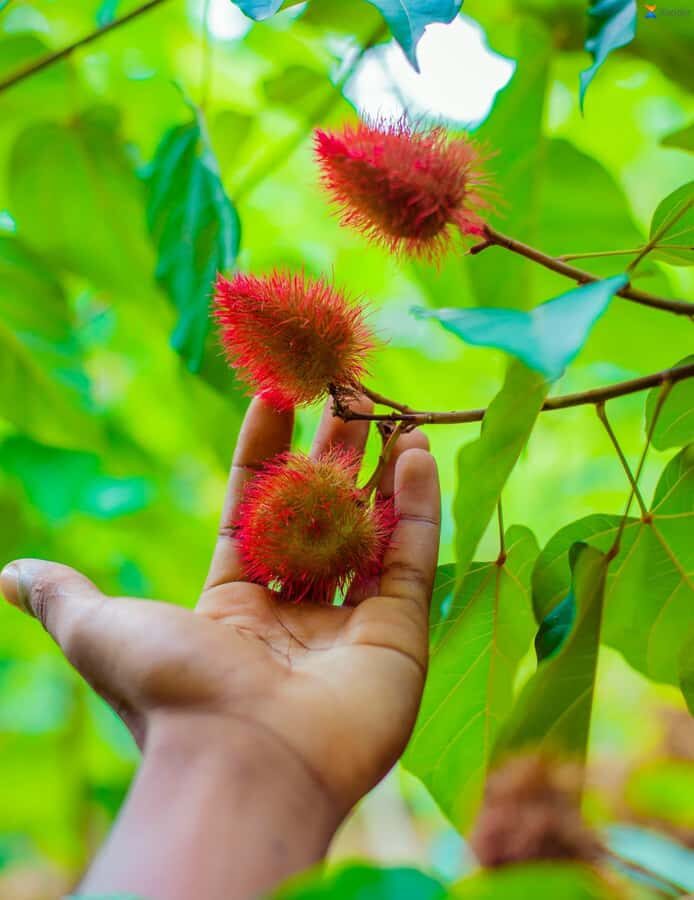
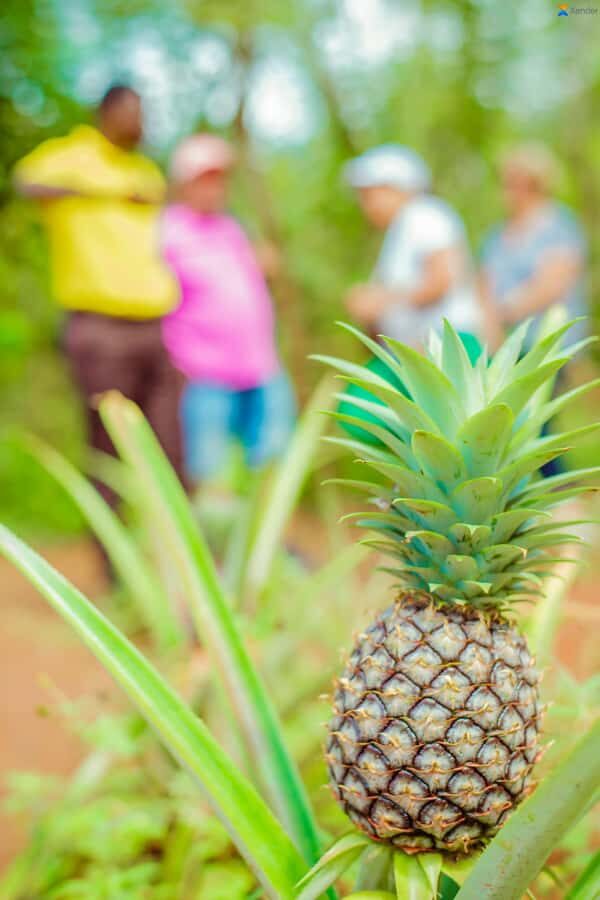
Next comes the spice portion at Shabuta Spice Farm. If you like sensory travel, this is your moment. You’ll have guided time to see how spices and tropical fruits grow, then taste and smell samples right there.
The tour lists a strong set of items you may experience, including cinnamon, cardamom, black pepper, chili, ginger, vanilla stick, lemon grass, lemon mint, turmeric, nutmeg, and cloves. That’s a lot of names, but the key value is that you learn the real differences in aroma and flavor. Spices that seem similar in a jar suddenly feel distinct in real life.
You’ll also have a break and some free time during this stop. That matters because spice farms can be busy. You may want a moment to wander at your own pace, take photos, or just pause and breathe in the smells without feeling guided every second.
The main drawback: tip pressure and shopping pressure
Here’s the honest part. Past experiences include complaints that the spice-farm experience can involve multiple different people giving tours who then wait for tips. Some accounts also describe attempts to push purchases in several shops, and that the atmosphere can turn uncomfortable for shoppers who do not want to buy.
There’s also a specific concern that access to the coconut-tree entertainment (the human butterfly) may feel tied to paying. I can’t promise your experience will match that, but I can tell you how to protect yourself:
- Go in with a money cap for extras.
- Decide in advance if you’re buying any packaged spice products.
- If you don’t want to tip or purchase, keep it simple and calm. Don’t get pulled into debates.




How to make the spice-farm stop feel worth it
Even with the sales element, the core learning can still be valuable. If you treat it like a tasting lesson, the experience works best. Focus on what you came for:
- How spices are planted and grown
- What each plant smells like before it’s processed
- How to recognize flavors you later see in Zanzibar menus or markets
If you’re the type who hates marketplace pressure, plan to enjoy the plant tour and then leave the buying decisions to a strict budget.
Swahili Cuisine class: the practical connection to what you tasted
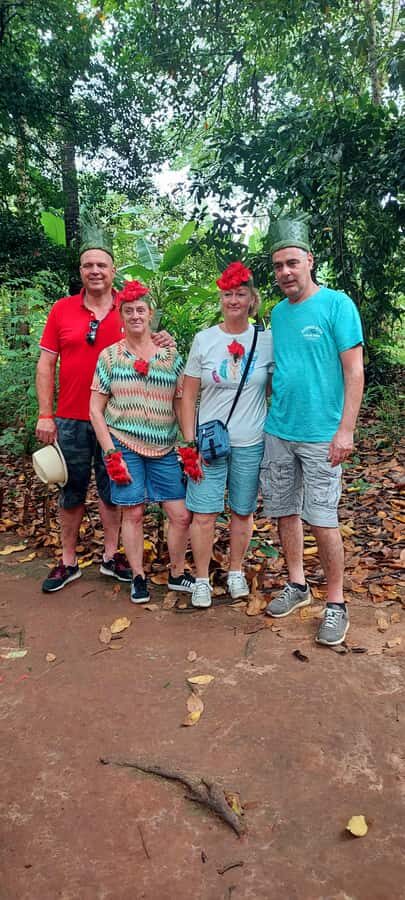
One reason I like this tour format is that it doesn’t stop at sightseeing. It includes a Swahili Cuisine cooking class, which turns spices into something you can understand and use.
The tour mentions that you’ll learn during the class as part of the overall experience. Since the tour also gives spice tastings and plant explanations, the cooking segment is where the learning clicks. You’re not trying to remember ten spice names from a walk. You’re seeing how they work in food.
What you should expect from a cooking add-on
In a half-day schedule, cooking classes tend to be hands-on and efficient. The value is not gourmet perfection. It’s the quick education: how spices are combined in Swahili cooking, and how the flavors you smelled in the farm translate into meals you can taste later in Zanzibar.
If you like food travel, this is a big win. If you only want photos and animals, you might find the cooking piece less important. But for many people, it’s the part that makes the tour stick in memory.
The coconut-tree human butterfly show
Spice farms in Zanzibar often include a performance element. This tour includes a visit where someone is described as calling themselves a human butterfly, climbing up a coconut tree and singing the hakuna matata song during the show.
Whether you treat it as pure entertainment or as a quirky Zanzibar cultural moment, it’s memorable. Just know that this moment can come with added attention from staff, and that connects to the earlier warning about pressure for tips or purchases.
If you want the show but dislike the extra haggling energy, the best approach is the same: go in with a clear sense of what you’re comfortable paying, and don’t let you moment turn into an argument.
Pricing and value: is $94 per person fair?
At $94 per person for about 5 hours, the cost is fairly straightforward—especially because the tour includes practical things that add up on Zanzibar:
- hotel pickup and return transport
- entrance fees
- guide fee and government taxes
- bottled water
Food and drinks are not included, though you can request lunch. So your real budget has two layers:
1) the fixed $94 for the tour
2) any optional spend during the spice-farm shops or tips
If you’re someone who buys a few spice products anyway, this price can feel like good value because your tour time covers the tasting and learning, not just the shopping. If you plan to buy nothing and tip minimally, you can still get value, but you’ll need patience. You may need to politely decline during the sales moments.
How guide quality affects value
This tour lives or dies by the guide’s approach. Strong feedback highlights guides like Othman and team, and also Hassan for explaining Zanzibar rainforest and spices in a way that made the experience feel personal and clear.
That’s a big deal: when a guide can point out species, explain plant uses, and keep your group moving without chaos, the same itinerary becomes far more satisfying.
Practical tips so the day stays smooth
Zanzibar tours go best when you pack for comfort and flexibility.
Wear comfortable shoes. You’ll walk in the forest area and also on the spice farm paths. Bring a camera, and bring cash. Cash matters because the spice farm stop can involve purchasing items and offering tips.
A few more notes:
- No alcohol or drugs are allowed.
- There are rules around littering, obviously.
- The tour offers a chance to choose where you start: Jozani forest or the spice farm. That choice can help you match your mood. If you want animals first, start Jozani. If you want the sensory spice experience first, start Shabuta.
About your age and health fit
This tour is not suitable for people with diabetes, babies under 1 year, or people over 70. That doesn’t mean you won’t enjoy Zanzibar—just that this particular combination has constraints that your body might feel during walking and outdoor time.
If you’re traveling with any mobility concerns, ask your operator directly what the walking involves, because the itinerary clearly includes guided walks at both sites.
Who should book this tour?
Book it if you want a balanced Zanzibar taste of:
- endemic nature in Jozani
- mangrove habitat learning
- hands-on spice tasting at Shabuta
- a Swahili cooking class that ties the whole day together
Skip or rethink it if you strongly dislike shopping pressure or tip-prompting. You can still enjoy the plant viewing and animals, but you should be mentally ready for sales energy at the spice farm.
Best matches
- Food lovers who want to connect spices to real cooking
- Nature watchers who don’t mind short guided walking time
- First-time Zanzibar visitors who want a concentrated half-day plan
- Anyone who appreciates a guide who can explain what you’re seeing
Should you book? My call
If you’re aiming for a half-day that mixes wildlife, mangroves, spice education, and a Swahili cooking class, this is a solid choice. The red monkey walk and the spice tastings can be truly memorable, and the strongest feedback points to guides who explain things well—people like Othman and Hassan show up in the positive notes for a reason.
Just go in with your eyes open about the spice-farm environment. If you’re bothered by tip requests or shop pressure, set your boundaries early. Do that, and you’ll likely come away with a day that feels like more than a checklist.
FAQ
Where is this tour in Zanzibar?
The tour is in Zanzibar, specifically around Unguja South Region, with stops at Jozani Chwaka Bay National Park and Shabuta Spice Farm.
How long is the experience?
The duration is 5 hours.
What does the price include?
The price includes hotel pickup and return transport, entrance fees, guide fee, all government tax, and bottled water. Food and drinks are not included.
Can I choose whether to start with Jozani forest or the spice farm?
Yes. You have the opportunity to choose where to start between Jozani forest and the spice farm.
What animals or wildlife might I see?
You can expect opportunities to see Zanzibar red monkeys in Jozani, plus other forest species such as digidig, elephant shrew, and camilions (chameleons). Exact sightings depend on conditions.
What spices and fruits are you likely to experience at the farm?
You may smell and test spices such as cinnamon, cardamom, black pepper, chili, ginger, vanilla stick, lemon grass, lemon mint, turmeric, nutmeg, and cloves, plus tropical fruits.
What should I bring?
Bring comfortable shoes, a camera, and cash.