REVIEW · KILIMANJARO NATIONAL PARK
Kilimanjaro: Shira plateau to Cathedral point 3872m Day hike
Book on GetYourGuide →Operated by Africa Pathways Expeditions · Bookable on GetYourGuide
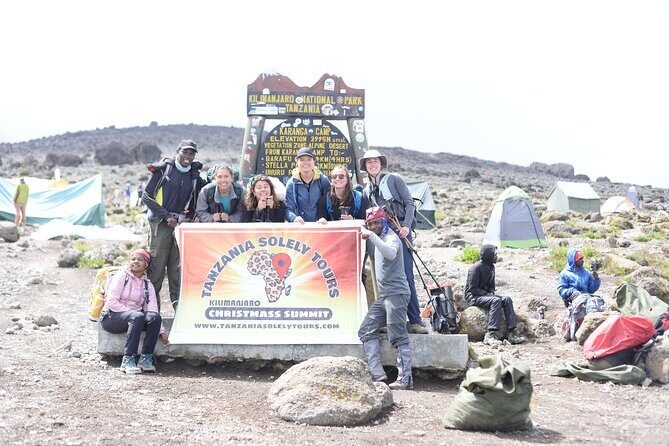
Fog or sun, Shira always teaches. This is a long, high-altitude day hike on Kilimanjaro’s western side, rising from Londorosi Gate up through montane rain forest and finishing at Cathedral Point on the Shira Plateau for wide-open views of Kilimanjaro and Meru. I really like how the route mixes scenery (forest to plateau) with real animal-watching: you’re not only trekking, you’re also reading the forest for signs—monkeys overhead, birds calling, and tracks along the ground.
My second favorite part is the geology payoff. You reach roughly 3,872m and stand near the remains of an ancient volcanic caldera, an old-world heritage landmark tied to Kilimanjaro’s dramatic past. The main drawback to plan around is weather: if clouds roll in, you can spend hours in mist and miss the big views that make this hike special.
In This Review
- Key Shira-to-Cathedral highlights to know
- Starting at Londorosi: the 06:30 drive and why it matters
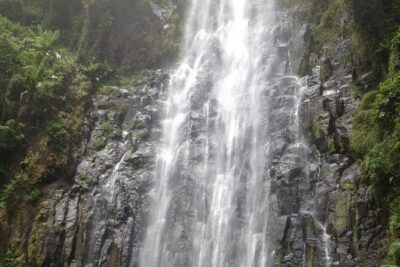
- Londorosi Gate to Morum Barrier: rainforest trekking and real animal spotting
- The Shira Plateau walk: 8.5 km across to Cathedral Point near 3,872m
- Cathedral Point geology: the ancient caldera story you can actually see
- Views and wildlife: when Kilimanjaro shows up, and when it hides
- Getting the timing right: a 10-hour day with a long hiking block
- Price and value: what $320 includes (and what can lower the value)
- What to bring for a Shira day: layers, rain gear, and altitude comfort
- Who should do this hike (and who should skip it)
- Should you book the Shira Plateau to Cathedral Point day hike?
- FAQ
- How long is the hike from Shira Plateau to Cathedral Point?
- What altitude do you reach on this hike?
- Where are the pickup and drop-off locations?
- What’s included in the $320 per person price?
- Is lunch included?
- What should I bring?
- Is it suitable for altitude sickness or back problems?
- Is there free cancellation?
Key Shira-to-Cathedral highlights to know
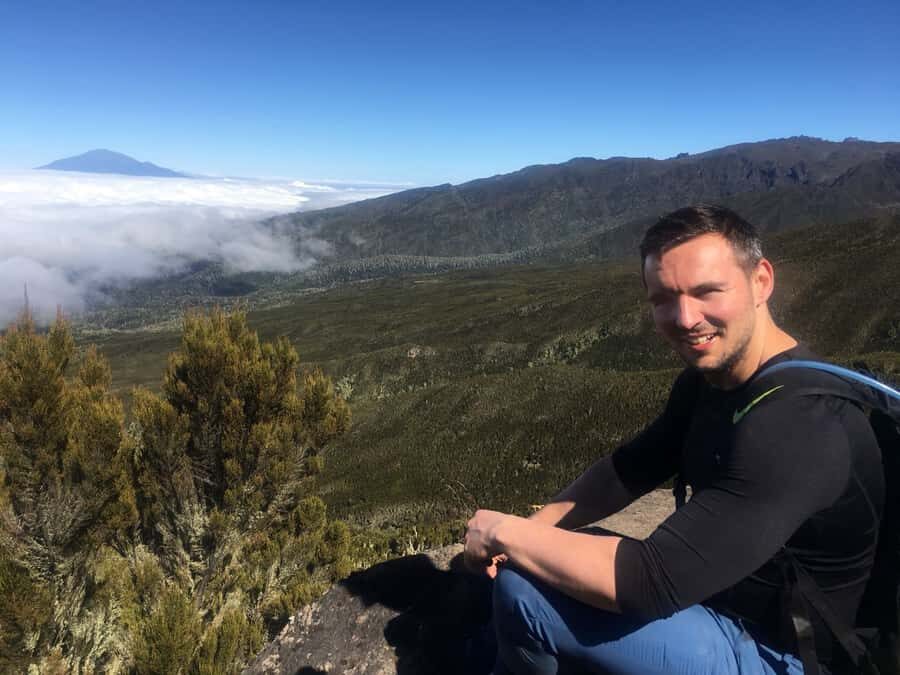
- Cathedral Point altitude payoff: reach about 3,872m, then work your way across the plateau for panoramic angles.
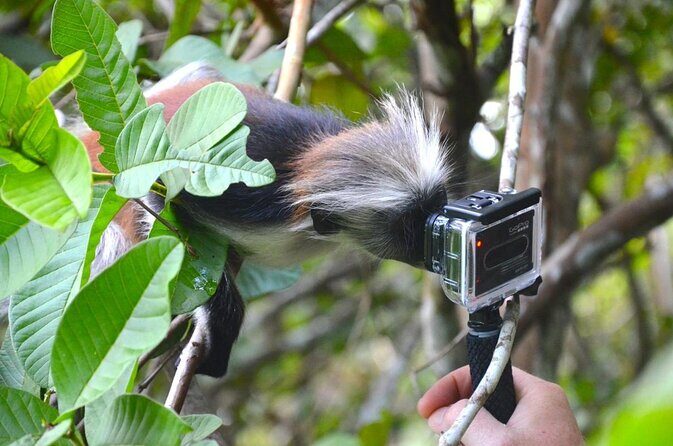
- Rainforest wildlife and birdlife: look for colobus, blue and velvet monkeys, plus crested turacos, hornbills, and alpine chat.
- Ancient caldera remains: you’ll see volcanic-crater remnants tied to an eruption cycle that ended roughly 500,000 years ago.
- Amboseli neighbor effect: the western side gets visits from big-game animals from nearby Amboseli—often first spotted as tracks and droppings.
- Big mountain sightlines (when clear): your best shot for views of Kilimanjaro peak and Mount Meru comes down to cloud cover.
- A full day, not a short walk: about 7 hours of hiking plus return trekking, even though it’s still a single-day trip.
Starting at Londorosi: the 06:30 drive and why it matters
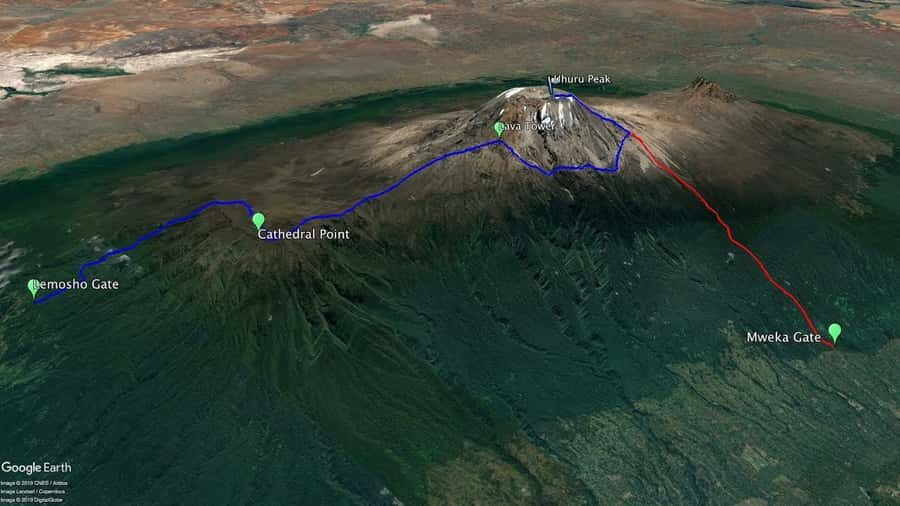
The day starts early, with pickup options in Arusha and Moshi Urban and a morning hotel pickup around 06:30. Then you’re in a van for roughly 2.67 hours, heading to the western side of Kilimanjaro—an approach that feels different from the usual front-and-center summit marches.
This drive is more than transportation. It sets expectations for what you’ll experience later. At the base you’ll pass through agriculture areas, then transition into plantation forest before reaching Londorosi Gate at about 2,250m. That gradual shift is a clue you’re climbing through ecosystems, not just altitude.
Practical note: because you’re starting this early, I recommend you dress like you’ll hit two seasons in one day. The morning can be cool, and you’ll warm up once you’re hiking. Bring layers that you can peel off without fiddling with zippers every five minutes.
You can also read our reviews of more hiking tours in Kilimanjaro National Park
Londorosi Gate to Morum Barrier: rainforest trekking and real animal spotting
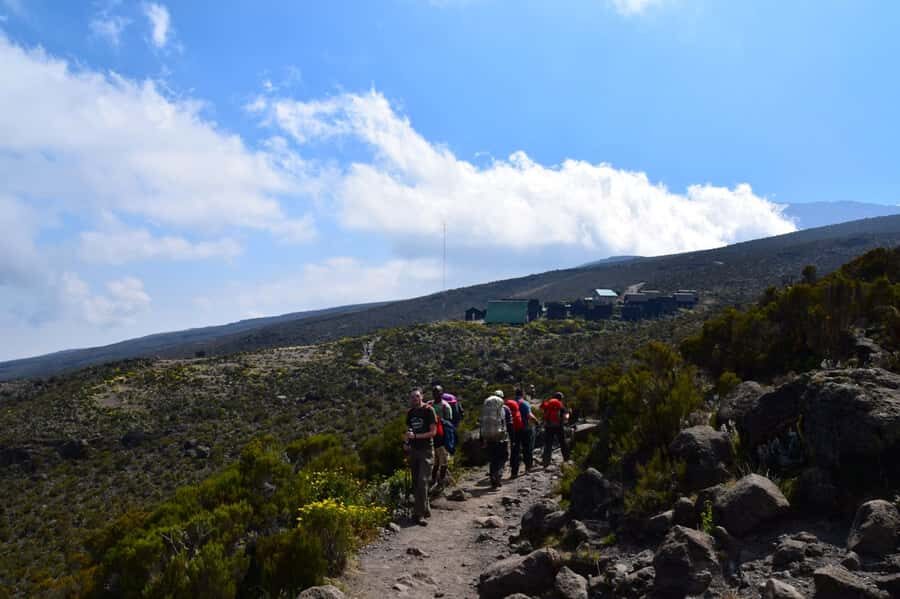
Once you register after arriving at Londorosi Gate (2,250m), you move steadily upward through indigenous montane rain forest. This is where the hike starts feeling like a guided walk through a living system, not just a climb.
What you’ll be watching for:
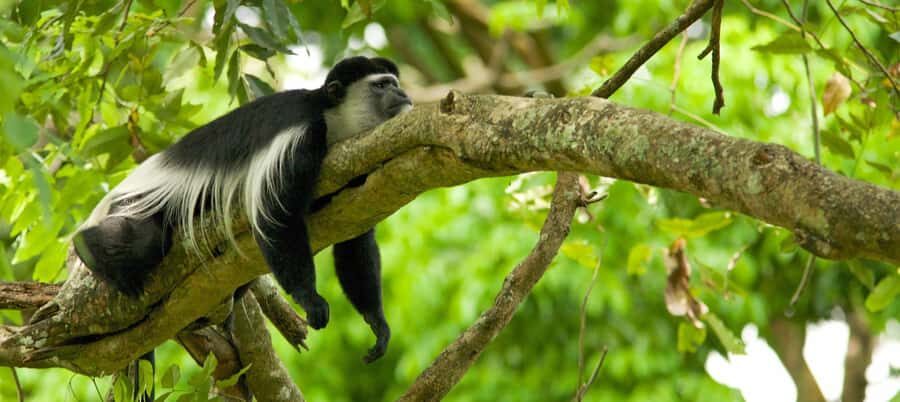
- Monkeys: colobus monkeys, blue monkeys, and velvet monkeys
- Birds: crested turacos, hornbill, and alpine chat
- Wildlife signs: tracks and droppings from animals that frequent this region, including elephants, elands, buffalo, and lions
You might not always see animals directly. In fact, the most reliable sightings can be subtle—fresh prints in mud, droppings on the trail edge, or a flash of movement that’s gone before you can point. The guide’s job here is key: an experienced mountain guide helps you read what’s around you and not just what you wish you were seeing.
And this western route has an extra twist. The area is frequently visited by big game from Kenya’s Amboseli National Park, which sits right across the border region. So the chance of those larger animal signs is part of the reason the western approach can feel wilder and more animal-focused.
The drive finishes at Morum Barrier (around 3,400m), where the hiking leg truly begins in earnest. You swap vehicle time for a longer stretch on your own power.
The Shira Plateau walk: 8.5 km across to Cathedral Point near 3,872m
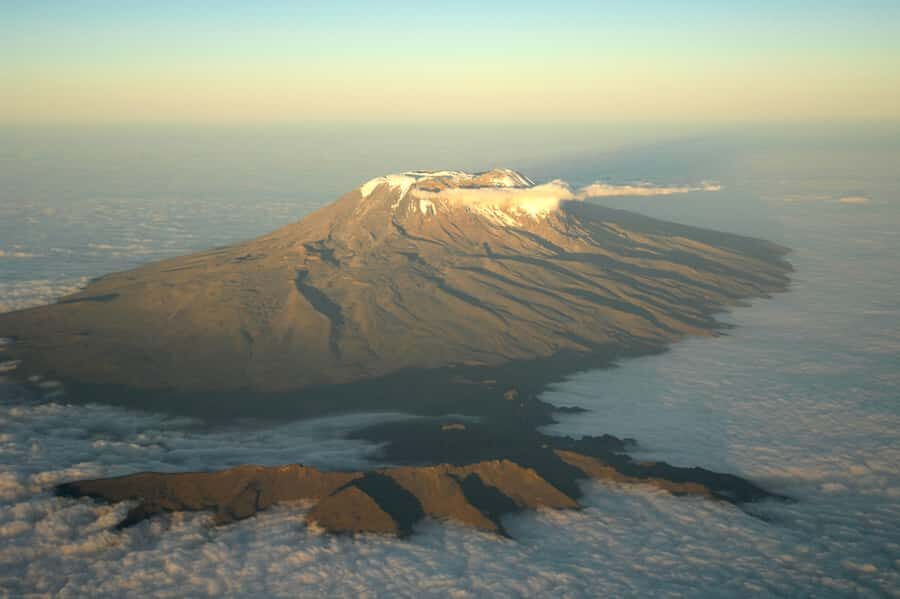
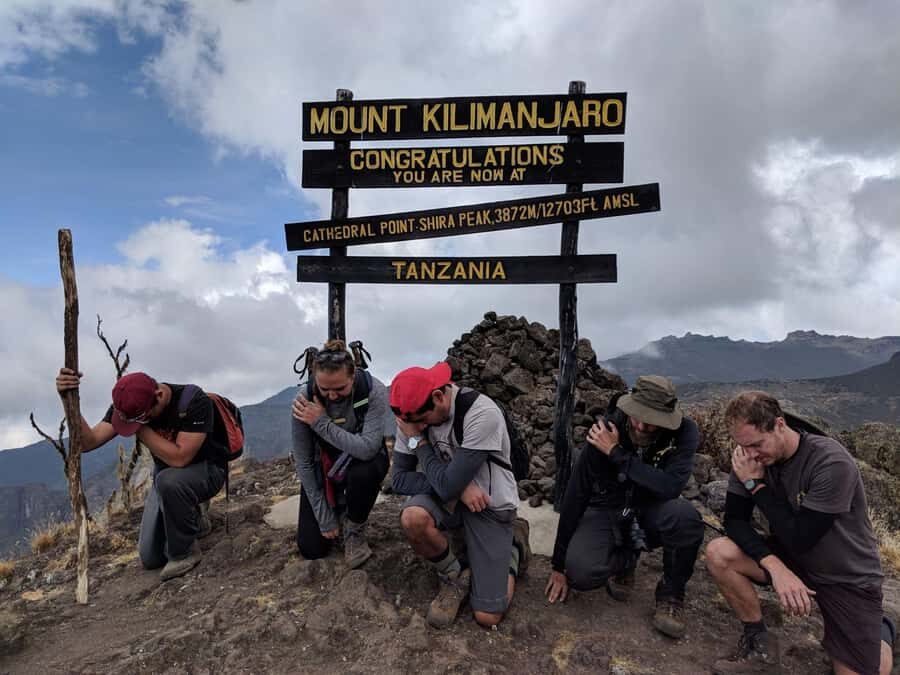
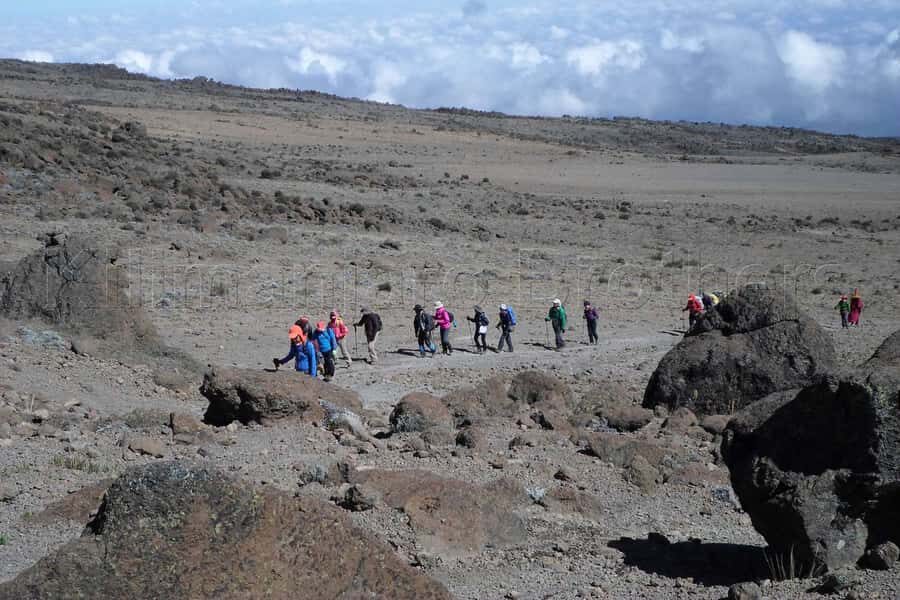
From Morum Barrier, you start the main hike: a 7-hour trek that includes a cross-plateau walk of about 8.5 km to Cathedral Point (listed around 3,870–3,872m).
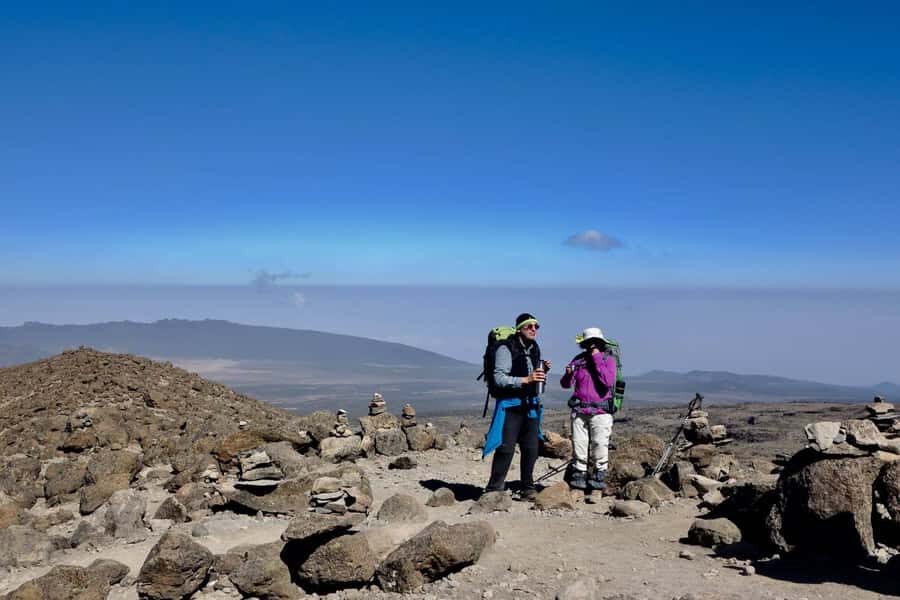
Here’s the thing about this section: it’s not described as a technical climbing route, but the altitude makes it feel serious. You’re going higher, and the air gets thinner. You’ll want a steady pace—slow enough to keep breathing under control, quick enough to avoid getting chilled when your body cools down between effort bursts.
The trail itself is guided by the shape of the plateau and the small details on the ground. You follow myriad small animal tracks—you’re basically trekking through a kind of animal highway system. When you notice these signs, it adds meaning to every step. You’re not just walking across empty space. The plateau is being used.
The reward arrives with the view line. At Cathedral Point, you get a stunning outlook toward Kilimanjaro peak, and often Mount Meru too. If clouds stay thin, you can experience that surreal feeling of seeing a massive mountain while standing above a landscape level that most hikes never reach.
Cathedral Point geology: the ancient caldera story you can actually see
Cathedral Point isn’t only about views. It’s also about what sits beneath them.
At the summit area, you can see remains of an ancient volcanic crater—part of an old caldera system. The route notes that this volcanic feature “expired” around half a million years ago,” and it’s recognized as part of a UNESCO World Heritage** area.
Why should you care as a hiker, not a geologist? Because standing near crater remnants helps you understand why Kilimanjaro’s upper regions feel open and atmospheric. You’re on ground shaped by deep time, where the plateau wasn’t carved by hikers’ footsteps but by volcanic forces long gone. That context turns a good day of hiking into a memorable day you’ll talk about later.
It also changes your photo strategy. Instead of shooting only the mountain skyline, look for the crater edges and subtle shapes of the volcanic landforms. Even on hazy days, these features can still be visible as texture and contour.
Views and wildlife: when Kilimanjaro shows up, and when it hides
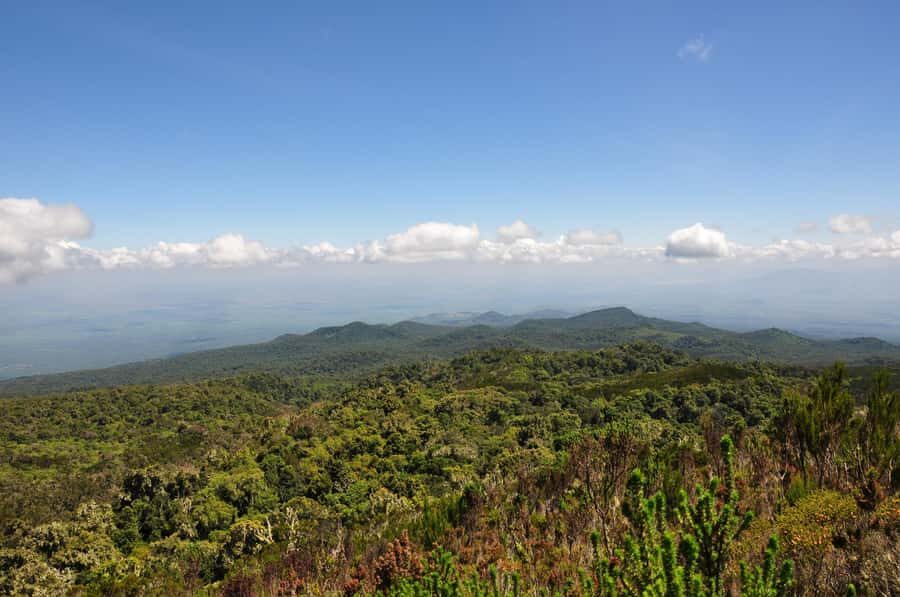
This is where expectations should be honest. The hike is marketed around “best views” of Kilimanjaro and Meru. You’ll have a great chance—especially when weather is cooperative. But this is still Kilimanjaro, and clouds can move in fast.
One recent booking described a day where weather was so bad they mostly walked in fog and saw little or nothing of Kilimanjaro. That can happen. So if you’re the type who needs clear skyline photos, build in mental flexibility.
Wildlife is a similar story—sometimes you’ll spot monkeys and birds clearly. Other times you’ll get more sign-reading than direct viewing. Either way, you’re in a region where the chance of encountering animal evidence is real: elephant, eland, buffalo, and lion tracks and droppings are part of the information the route focuses on, especially because the Amboseli area influences wildlife movement.
If you’re going for nature, that’s fine. If you’re going mainly for summit views, go into it understanding visibility is the biggest variable you can’t control.
Getting the timing right: a 10-hour day with a long hiking block
The whole trip is listed as 10 hours. That includes:
- A morning drive (roughly 2.67 hours)
- Hiking on the mountain (about 7 hours)
- A return drive (roughly 2.67 hours)
- Lunch and mineral water during the day
So even though it’s a single-day outing, it’s not a quick tour. You’re spending a meaningful chunk of time hiking at altitude, then heading back down.
This matters for how you pack and how you plan your day around it. Don’t schedule another big activity that evening. You’ll likely feel it in your legs, and you may feel the altitude effects depending on how your body reacts.
Also, bring snacks even though lunch is included. On a day hike at this elevation, having an extra energy source can help you keep steady without forcing a faster pace during breaks.
Price and value: what $320 includes (and what can lower the value)
The price is $320 per person, and that number only makes sense if you understand what you’re paying for.
Included:
- Day trip
- Transfers
- Mountain guide
- National park fees
- Lunch and mineral water
Not included:
- Flights
- Accommodation
That’s a solid package for a day at the park level. National park fees and transfers add up, and a guide matters on Kilimanjaro routes—especially for wildlife sign reading and navigation.
But value also depends on conditions. That same group that reported poor visibility in heavy fog also felt the day didn’t justify the price, especially after an unexpected vehicle problem forced them to walk much of the way to registration. That’s not something you can plan for, and it isn’t guaranteed—but it’s a reminder that in mountain-country logistics, the weather and the vehicle both play a role.
So how do you judge this honestly for yourself?
- If you want a day hike with rainforest wildlife and the chance of real views, the price can feel fair.
- If you’re paying mainly for summit-style skyline photos and you’re unlucky with weather, you’ll feel disappointed.
My advice: treat it as a nature-and-altitude experience first, and views second. You’ll enjoy it more either way.
What to bring for a Shira day: layers, rain gear, and altitude comfort
Because you’re moving from plantation forest into rain forest and up to near 3,900m, packing matters.
Bring:
- Passport
- Warm clothing
- Sunglasses
- Sun hat
- Snacks
- Hiking shoes
- Sunscreen
- Rain gear
- Daypack
Why this list is specific: at altitude, sun can hit hard, even if conditions feel cool. Meanwhile, rain forest trekking can bring steady dampness. Wet layers drain your energy fast.
A simple strategy that works well here:
- Base layer you can sweat in
- Mid-layer warm enough for breaks
- Waterproof shell you can throw on quickly
- A hat and sunglasses you don’t mind getting splashed by mist
If you tend to get cold during rest stops, don’t rely on luck. Bring an extra warm layer.
Who should do this hike (and who should skip it)
This route is listed as wheelchair accessible, but it’s also clearly a high-altitude day hike: up to about 3,872m, with a 7-hour hiking block and a total trek that includes an 8.5 km plateau crossing. If you use a wheelchair, I’d treat “accessible” as something to verify in real detail with the operator—how much can be done by vehicle, how often you can pause, and what parts involve walking.
The route is also marked as not suitable for:
- People with back problems
- People with altitude sickness
That second point is crucial. Even though this is a day hike, the altitude climb can still trigger altitude sickness in people who are sensitive. If you’ve had issues with altitude before, don’t gamble.
This hike suits best if you:
- Enjoy wildlife-watching on foot
- Want a big-feeling high point without committing to multi-day Kilimanjaro trekking
- Like guided nature time, not just photo stops
It’s less suitable if your main priority is guaranteed clear views of Kilimanjaro’s summit—clouds can steal the payoff.
Should you book the Shira Plateau to Cathedral Point day hike?
Book it if you want a full, scenic day that combines rainforest wildlife, birdlife, and a real high-altitude finish near Cathedral Point. You’ll likely enjoy it most if you’re flexible about weather and focus on the journey—not just the skyline.
I’d pause before booking if:
- You’re prone to altitude sickness
- You have significant back issues
- You need clear views to feel like the trip was worth it
- Your schedule is tight and you can’t handle long driving time
If you decide to go, do it with the right mindset: steady hiking, patient pacing, and smart layers. When conditions cooperate, you’ll get that rare “standing above” feeling at nearly 3,900m, plus the chance to see Kilimanjaro and Meru from a different angle than the more famous routes.
FAQ
How long is the hike from Shira Plateau to Cathedral Point?
The hiking portion is listed as about 7 hours, with the overall day trip lasting around 10 hours including transfers.
What altitude do you reach on this hike?
You hike to Cathedral Point at about 3,870–3,872m above sea level.
Where are the pickup and drop-off locations?
Pickup and drop-off options are listed for Moshi Urban and Arusha.
What’s included in the $320 per person price?
Included are day trip costs, transfers, a mountain guide, national park fees, and lunch with mineral water.
Is lunch included?
Yes. Lunch and mineral water are included.
What should I bring?
Bring a passport, warm clothing, sunglasses, sun hat, snacks, hiking shoes, sunscreen, rain gear, and a daypack.
Is it suitable for altitude sickness or back problems?
No. It is marked as not suitable for altitude sickness and not suitable for people with back problems.
Is there free cancellation?
Yes, cancellation is free up to 24 hours in advance for a full refund.