REVIEW · ARUSHA
4 Days Tarangire , Ngorongoro ,Manyara and lake Eyasi village
Book on Viator →Operated by OFF THE BEATEN PATH SAFARIS · Bookable on Viator
Crater day feels unreal. This compact northern circuit packs elephants, pink flamingos, a legendary crater full of big-game odds, and a calmer Lake Eyasi village encounter in just four days from Arusha.
You get a full loop of habitats, not a scatter-shot trip, with safari driving time that fills each day (8 to 9 hours) and a private-group setup that keeps things flexible.
I really like two things about this route: the mix of wildlife-first game drives and the later shift into hands-on Lake Eyasi tribal culture. The wildlife days are built around places known for repeat sightings, while Eyasi gives you a different kind of Tanzania moment that doesn’t feel like a quick photo stop.
One drawback to consider is simple: you’ll spend a lot of time in the vehicle. Even with comfortable cars mentioned by past guests, the days are long, and wildlife sightings still depend on animals being where they are.
In This Review
- Key highlights you’ll feel fast
- Arusha to safari: how this 4-day loop is set up
- Tarangire National Park: elephants, pythons, and baobabs that look prehistoric
- Lake Manyara: pink flamingos, baboons, and the tree-climbing lion hunt
- Ngorongoro Crater day: big-five odds in a 600-meter bowl
- Lake Eyasi village time: Hadzabe and Datoga life beyond the safari truck
- Price and logistics: what $1,945.39 buys you (and what to confirm)
- Who should book this safari route
- Should you book Off the Beaten Path Safaris for this route?
- FAQ
- Where does this safari start?
- What time does the tour begin?
- How long is the tour?
- Is this tour private or shared?
- Are park admission tickets included?
- Do I receive a ticket digitally?
- Is pickup offered?
- Is free cancellation available?
Key highlights you’ll feel fast
- Tarangire elephants and baobabs: Dry-season crowds tend to show up here for good reason.
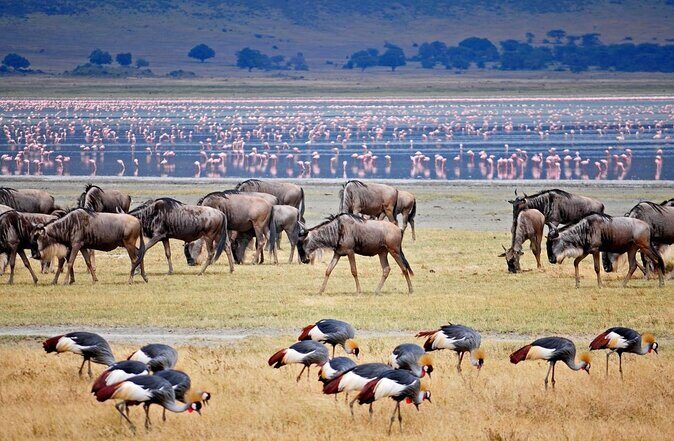
- Lake Manyara’s bird energy: Flamingos and other water birds can make the park feel alive even from the roadside.
- Ngorongoro Conservation Area big-five odds: The crater is famous for very concentrated wildlife.
- Tree-climbing lion chance at Manyara: It’s not guaranteed, but this is the park where people go looking.
- Lake Eyasi village time with Hadzabe and Datoga: Tracking, medicinal plants, and daily life beyond the safari truck.
- Private tour style: Only your group participates, which helps keep schedules and guiding more tailored.
Arusha to safari: how this 4-day loop is set up
This safari starts early, with a 7:00 am departure and pickup arranged from the Kilimanjaro Airport area. The tour ends back at the same meeting point, so you’re not stuck planning a second transfer on the last day.
A private format matters more than people think. When you’re not sharing the truck with strangers, your guide can adjust stops around what you’re seeing, where the animals are moving, and how the group is doing. That’s especially useful on long days where small timing shifts can change the whole vibe.
You’ll also get a mobile ticket, which is one less thing to worry about. And the itinerary is structured as a true “Northern Circuit lite” rather than jumping randomly between far-apart regions.
A few more Arusha tours and experiences worth a look
Tarangire National Park: elephants, pythons, and baobabs that look prehistoric
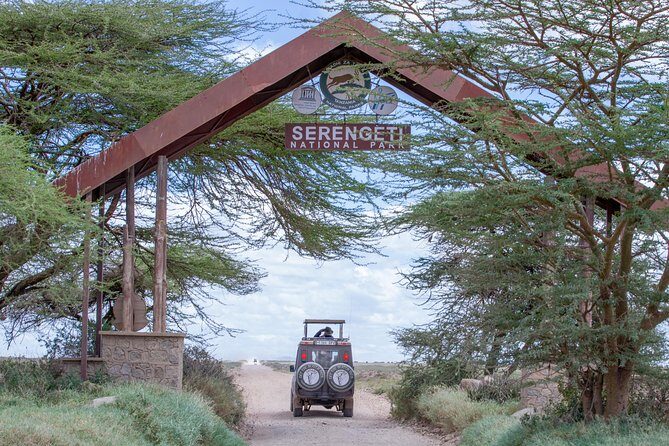
Tarangire is a smaller park, but it punches above its weight. After breakfast you head in for a wildlife game drive, and the experience usually feels like classic Tanzania savannah: rolling open ground, acacia woodland, and baobabs that look like they’ve been standing forever.
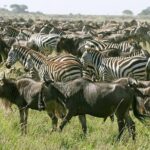
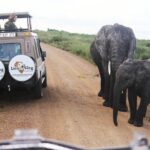
This is one of the best stops for elephant viewing in the north, with Tarangire known for having a dense concentration of animals. In the dry months (especially June to September), the park’s rhythm shifts because many animals move toward water sources like the Tarangire River. That’s when you can see the park’s best “gathering” energy: wildebeest, zebra, eland, hartebeest, buffalo, and more, with predators hanging nearby.
Expect the day to include both big animals and the surprising little moments. Tarangire is mentioned as a place where you might spot pythons climbing trees, plus lots of birds and wildlife activity around feeding and water areas. If you love photography, the baobabs help you frame animals in a way that feels instantly “Tanzania,” not just generic savannah shots.
Potential drawback: Tarangire is famous in the dry season, which can mean more vehicle traffic around the same wildlife areas. If you dislike the feeling of chasing viewpoints, ask your guide how they plan to move around the park and try to find less crowded angles when possible.
Lake Manyara: pink flamingos, baboons, and the tree-climbing lion hunt
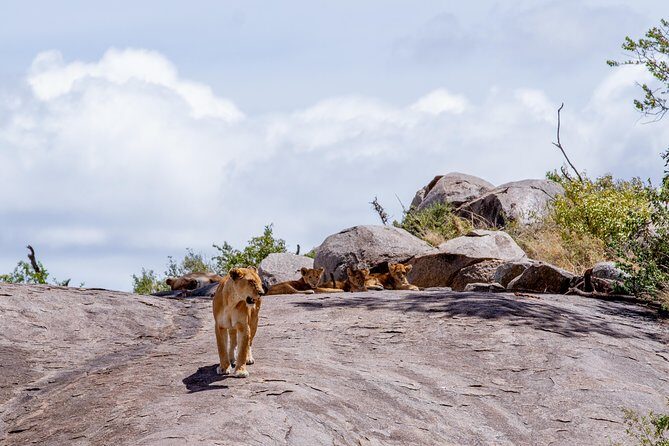
Lake Manyara adds variety in a hurry. You’ll drive into a scenic setting with a compact game-viewing circuit and a huge focus on one core idea: water attracts life, and water creates views.
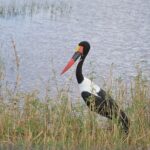
Manyara is known for pink-hued flamingos in large numbers, along with other water birds such as pelicans, cormorants, and storks. Even when you’re not staring at mammals, the birdlife can keep your attention. It’s a park where you can get exciting wildlife surprises without it always being about the biggest animals.
Another Manyara draw is the tree-climbing lion possibility. It’s talked about as a defining feature of the park, and while seeing one depends on timing, this is the place where that behavior has become part of the safari folklore. Your guide’s spotting skills matter here: they’ll scan for movement, posture, and the telltale signs of where a cat might be resting above the treeline.
Elephants and other mammals also show up in the story of Manyara—especially around drinking and calmer water moments. Along with elephant, the park is described as having giraffe, baboon troops, zebra, and buffalo, plus that big Rift Valley backdrop that frames the lake area.
Watch-out: Manyara is a more compact circuit than some larger parks. That’s good for efficiency, but it can make the day feel more “focused” than “endless.” If you love long drives with wildlife around every turn, you may want to plan some extra time in a bigger park later in your trip.
Ngorongoro Crater day: big-five odds in a 600-meter bowl
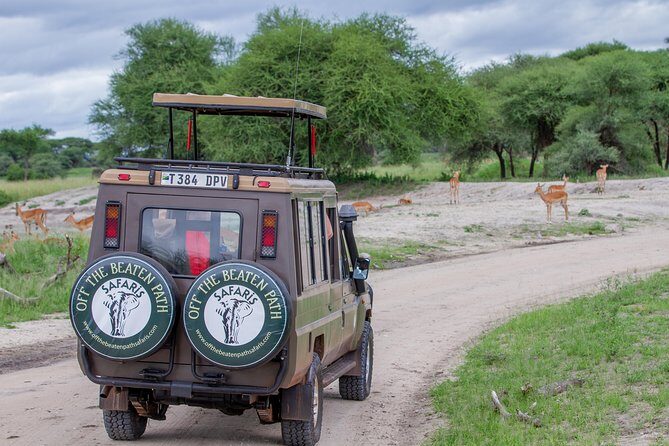
Ngorongoro Conservation Area is where the trip starts to feel like a bucket-list movie scene. The crater is the headline, described as about 600 meters deep, and the entire day is built around getting you into that unique bowl-like environment where wildlife gathers.
This isn’t a national park in the strict sense. It’s run as a conservation area, and that matters for your experience because it aims to protect wildlife while also supporting indigenous communities in the region. For you, that usually means you can spot herds and humans sharing the wider area in the background while safari life happens in the foreground.
Ngorongoro’s big draw is concentration. It’s described as a place where you can encounter the big five at once: lion, leopard, bull elephant, black rhinoceros, and African buffalo. If you’re hoping for black rhino specifically, your chance is one of the best here, because this is where the world’s attention has often been aimed.
This day also tends to feel emotionally different. Going from open savannah into the crater’s enclosed environment can make sightings feel closer and more intense. The wildlife can appear suddenly because the terrain channels movement and creates natural sightlines.
Consideration: It’s a full-day outing with major driving time, and crater visibility can be affected by weather and light. Your guide can’t control that, but they can time stops and viewpoints to help you see clearly.
Lake Eyasi village time: Hadzabe and Datoga life beyond the safari truck
Day four shifts the tone in a good way. Lake Eyasi is described as a soda lake at the southern border of the Ngorongoro Conservation Area, less visited than the main safari parks. The setting is quieter, and that matters because it gives your mind a break from constant scanning.
This afternoon is focused on meeting two indigenous groups: the Hadzabe (hunter-gatherer Bushmen) and the Datoga tribe. You’ll visit homesteads and learn about daily life in ways that go beyond a quick demonstration.
The activities listed here are practical and hands-on: animal tracking, learning medicinal plants, and getting a sense of how people find what they need in this environment. If you like experiences that feel real rather than staged, this is the part of the trip that tends to land hardest because you’re not just watching animals—you’re watching how humans adapt.
There’s also a balance built into the concept. The tour isn’t selling the idea that these communities are a “museum.” It’s framed as active people with knowledge rooted in the land.
Reality check: This is cultural time, not a wildlife scramble. If you’re the type who only wants animals, you might feel the pacing drop. If you like understanding Tanzania as more than parks, you’ll likely appreciate that the trip includes something you can’t replicate at a roadside stop.
Price and logistics: what $1,945.39 buys you (and what to confirm)
At $1,945.39 per person for about four days, you’re paying for a focused northern circuit, private guiding style, and the effort of coordinating long drives and multiple parks. That price can feel high until you break down what’s included.
From the info provided, the tour includes pickup, and park admissions are noted as free for Tarangire and Ngorongoro days, and included for Lake Manyara and Lake Eyasi days. Even with that, the real cost driver is usually vehicle time, guide time, and entry fees in a route like this. So the price makes sense if the itinerary is executed well and you’re getting reliable guiding and smooth transport.
Comfort also shows up in the tone of past experiences. Cars are described as spacious and people mention not feeling the road hours as much as they expected. That’s not a small detail. Long drives can exhaust you, and when vehicles are comfortable, you keep your energy for the actual game drives and the late-day Eyasi visit.
Because the data you gave doesn’t list hotel nights or meal inclusions explicitly, I’d treat those as the one thing to verify before paying. The experiences you shared do mention a chef and homemade hot lunches in safari settings, so there’s a strong chance meal stops are handled well, but you should confirm exactly what meals are included in your package.
Value tip: If you’re comparing to cheaper deals, check the fine print on guide quality, private vs group format, and whether park admissions are truly covered across every day. Here, the admissions picture is mixed by day, which can change the real value.
Who should book this safari route
This is a strong fit if you want a four-day taste of northern Tanzania without taking on the chaos of planning multiple separate tours. It works especially well for people who want both wildlife action and a genuine human encounter at Lake Eyasi.
It can also work for families and mixed groups. One set of past experiences described the team as attentive and supportive, and comfort with different ages was specifically mentioned. That doesn’t mean every family will find it perfect, but it suggests the guiding style can handle varied energy levels.
Pick this tour if you’re excited by the headline sites: Tarangire for elephants and baobabs, Manyara for flamingos and the tree-climbing lion chance, Ngorongoro for the big-five concentration, and Eyasi for Hadzabe and Datoga culture.
Should you book Off the Beaten Path Safaris for this route?
Based on what’s provided, I’d feel good booking this if your priorities match the route: wildlife concentration, efficient park hopping, and a cultural stop at Lake Eyasi. The guide names and staff mentions you shared, including George for professional, friendly guiding, and Salim Mrindoko and the team for responsive service, also point toward a caring, client-focused operation rather than a purely mechanical safari.
Before you say yes, I’d do three quick checks:
- Confirm what’s included for meals and overnight stays, since your itinerary details focus on park time rather than accommodation.
- Ask whether your day timings and pickup are fixed or flexible if wildlife sightings are slow or fast.
- If black rhino and crater odds are a top goal, ask your guide how they plan crater viewpoints and timing to maximize sighting chances.
If you want to see many famous highlights but still feel you’re getting real guiding and not just checkboxes, this route is a solid bet.
FAQ
Where does this safari start?
It starts at the Kilimanjaro Airport meeting point area in Tanzania, with the tour ending back at the same meeting point.
What time does the tour begin?
The start time is 7:00 am.
How long is the tour?
It lasts about 4 days.
Is this tour private or shared?
This is a private tour or activity. Only your group participates.
Are park admission tickets included?
The tour notes admission as free for Tarangire and Ngorongoro days, and included for Lake Manyara and Lake Eyasi days.
Do I receive a ticket digitally?
Yes, it includes a mobile ticket.
Is pickup offered?
Yes, pickup is offered.
Is free cancellation available?
Yes. You can cancel up to 24 hours in advance for a full refund.