REVIEW · ARUSHA
6-Day Private midrange Tour in Arusha with Airport Pickup
Book on Viator →Operated by Suricata Safaris · Bookable on Viator
Your first wildlife day starts with elephants. This private 6-day safari from Arusha pairs airport pickup with a comfortable 4×4 plan to hit Tarangire, Lake Manyara, Serengeti, and Ngorongoro in one smooth loop. I like the way the itinerary stacks long game-drive time with real breathing room at lodges, plus the focus on classic areas like Tarangire’s elephant country and Serengeti’s Seronera zone.
The main drawback to weigh is simple: you’re doing a lot of hours in the vehicle between parks, and that means early starts, dust, and a need to pack for long days. If you can roll with that, the trip’s structure makes wildlife viewing feel efficient instead of rushed.
In This Review
- Key Things That Make This Safari Click
- Entering the Safari Loop: Arusha Pickup to Park Rhythm
- Tarangire National Park: Baobabs, Elephants, and a Dusty-Funny-Real Day
- Lake Manyara: Flamingos by Season and the Kind of Day That Shifts Fast
- Serengeti’s Seronera Area: Two Days Where Your Eyes Learn the Game
- Sunrise Drive and the Turn Toward Ngorongoro
- Ngorongoro Crater: The 600-Meter Drop That Changes Everything
- Price and Value: What $3,400 Per Person Actually Buys You
- Lodging Level and the Comfort Factor You Should Expect
- Transportation, Timing, and How to Stay Comfortable on Long Game Drives
- Should You Book This Arusha-to-Ngorongoro Private Safari?
- FAQ
- What parks are included in this 6-day Arusha safari?
- How long is the safari?
- Is airport pickup included?
- Is this tour private or shared?
- Does the tour include meals?
- Are park admission tickets included?
- What are the typical pickup/departure times?
- How much game viewing time do you get?
- When are flamingos most likely at Lake Manyara?
- What is special about Ngorongoro crater day?
- Can I cancel for a full refund?
Key Things That Make This Safari Click
- Airport pickup and private touring: your group stays yours all day, with a certified guide and a 4×4 safari vehicle.
- Tarangire’s elephant density: big herds are the headline here, alongside baobabs and lots of plains wildlife.
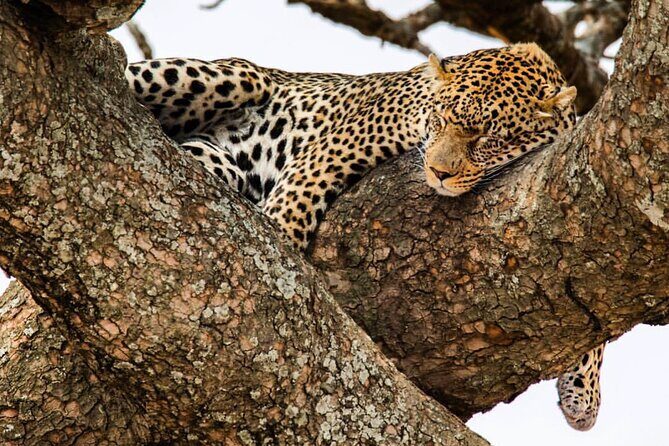
- Lake Manyara’s variety: flamingo chances shift by season, and the park can deliver surprises like leopards and hippos.
- Two Serengeti days, with Seronera as the core: you spend time where water concentrates wildlife around the Seronera River.
- Ngorongoro crater viewing from the descent: the crater drop over 600 meters helps you get that concentrated “everything is below you” feel.
- Good communication from the company: past guests highlighted quick help when plans hit snags, including a manager named Hilary and staff member Daniel.
Entering the Safari Loop: Arusha Pickup to Park Rhythm
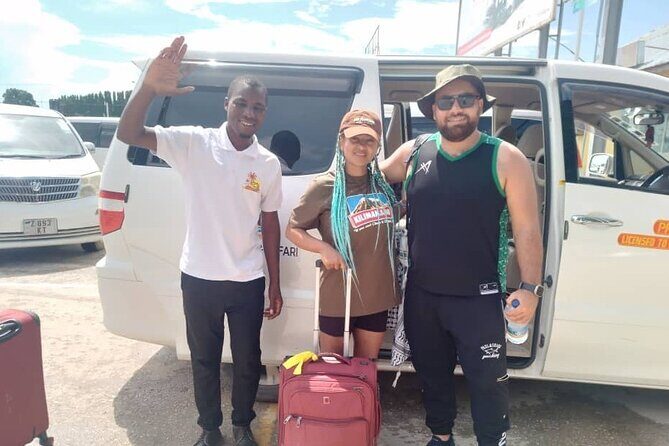
This is a private midrange safari built around comfort and time in the bush. After pickup in Arusha (including airport pickup), you’re set up with a certified guide and a 4×4 safari vehicle, so the big work—driving logistics, park entry, and timing—is handled for you.
What I like most is the pacing. The day structure is designed for long game viewing blocks (often 6–7 hours) and then a return to lodge time for meals and rest. That matters, because on safari your “camera energy” and your body endurance are both real limits.
The price—$3,400 per person for about 6 days—sounds like a chunk, so it’s worth understanding what’s inside. The package lists accommodations for the safari days and multiple meals (breakfast 6 times, lunch 6 times, dinner 5 times), plus admission tickets included on the park days. In other words, you’re paying for fewer surprises at the end of the trip and more predictable daily flow.
You can also read our reviews of more private tours in Arusha
Tarangire National Park: Baobabs, Elephants, and a Dusty-Funny-Real Day
Day 1 is built for impact: you depart Arusha between 08:30 and 09:00, then drive roughly 120 km to Tarangire. Game viewing runs about 6–7 hours, with another 2–3 hours of non-game viewing time, so you get time for breaks, scenery stops, and lodge lunch without the day feeling like nonstop motion.
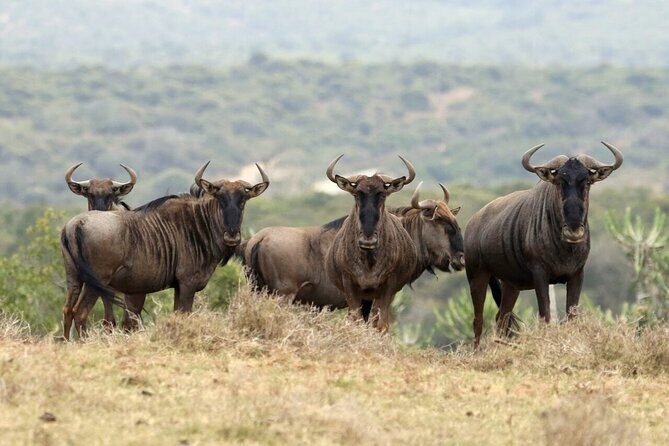
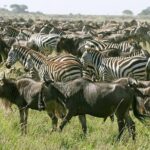
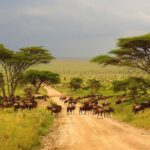
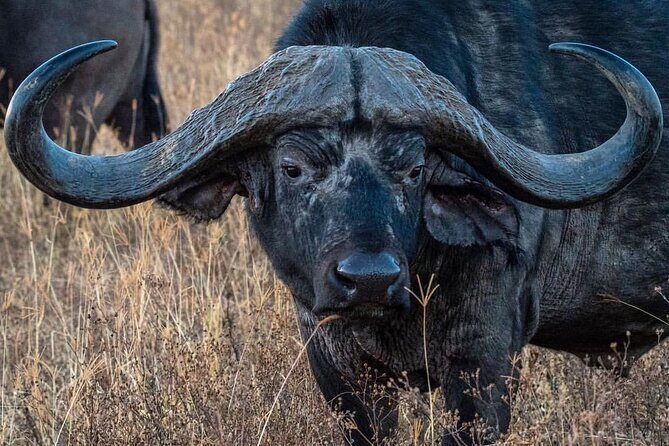
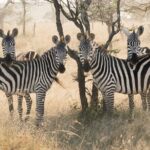
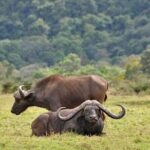
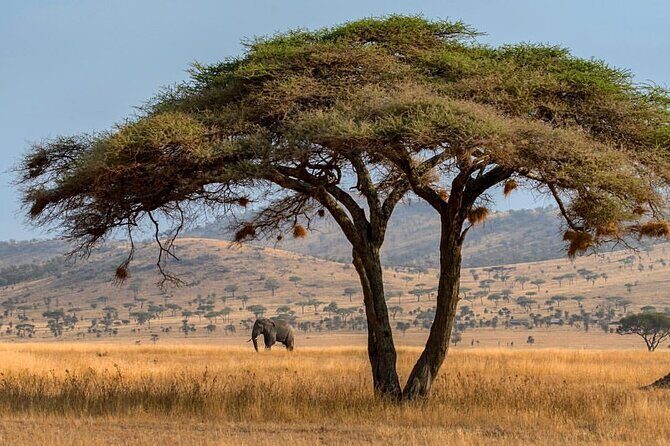
Tarangire’s biggest star is elephants. The park is well known for high elephant density and for its baobab trees, which means you get wildlife plus classic scenery in the same frame. In the June to November dry season, you can expect large herds of zebra, wildebeest, and cape buffalo—good odds for seeing animals that gather where water and grazing concentrates.
You’ll also likely spot common residents like:
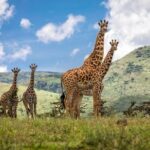
- giraffe and dik-dik
- impala and eland
- vervet monkeys and olive baboons
- waterbuck
- and smaller species like banded mongoose and Genet-type sightings
Predators are part of the Tarangire pitch too, including lion, leopard, cheetah, caracal, and even African wild dog in the broader mix of chances. The truth about predator viewing is that it’s never guaranteed, but a well-driven first day sets you up: your guide learns your preferences fast and then applies that to the areas with the best odds.
A practical note: Tarangire can mean dust and warm sun. Long sleeves, a light layer for mornings, and sunglasses help you stay comfortable through the full game-drive block.
Lake Manyara: Flamingos by Season and the Kind of Day That Shifts Fast
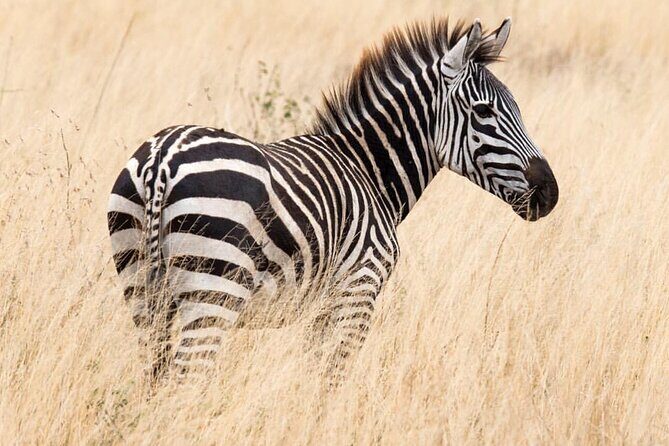
After breakfast, your guide picks you up again between 08:30 and 09:00, and you head to Lake Manyara for about 6–7 hours of game viewing and roughly 3–4 hours of non-game time. The park’s schedule is designed to give you a full extended drive rather than a quick pass.
Lake Manyara’s famous feature is flamingos. Here’s the seasonal logic that you should actually care about: during the wet season, flamingos can show up along the edges of the lake in large flocks, while in the dry season they are not as prominent. So if you’re traveling in the dry months, flamingos might be a bonus rather than the main event.
Wildlife in Manyara is broad and often approachable. The park is described as home to leopards, East African lions, cheetahs, elephants, blue monkeys, dik-dik, gazelles, and hippos, plus Masai giraffe and impala. That combination is why Manyara is a good “add-on” day: it can feel different from Tarangire’s elephant-and-baobab vibe and from Serengeti’s open-plains sweep.
If you want to maximize your odds, I recommend you treat Manyara as a patience day. You’re not just waiting for a flash of flamingos. You’re watching for movement in different pockets—where animals cross, feed, or rest.
Serengeti’s Seronera Area: Two Days Where Your Eyes Learn the Game
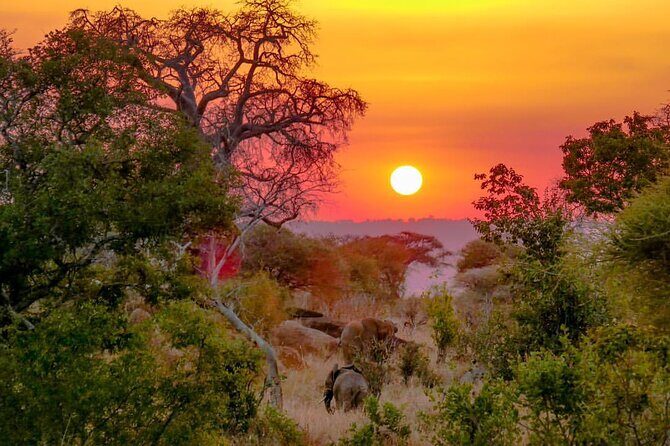
Then comes Serengeti, and the itinerary gives you something that many shorter safaris skip: two separate days with extended time, including a central focus around Seronera.
Day 3 starts early, with a drive from lodge areas toward Serengeti through Karatu and the Ngorongoro Conservation Area. The route change is part of the safari feel. Leaving higher farmland behind, you drop into the open plains where distance makes wildlife sightings feel bigger—because you can actually see the direction animals are moving.
In Serengeti, you’ll spend about 5–6 hours of game viewing and 3–4 hours of non-game time on Day 3. Day 4 then repeats the Serengeti core with a longer full-day approach—about 8 hours with the Seronera area as the target.
Why Seronera matters: it’s tied to the Seronera River, which provides a consistent water source. Water concentration is wildlife concentration. It’s the kind of detail that doesn’t sound exciting on paper, but it affects what you see: more animals in the same general zones often means more chances at predators, grazers, and the interactions in between.
This is also where experienced guides earn their pay. In past trips, guides including Lewis, Gorden, Ameri, Fredy, Vincent, and Ezekiel have been praised for finding strong viewing spots and answering animal and park questions. You can’t control which guide you’ll get, but you can control one thing: your attitude. If you lean into listening and asking good questions at each stop, your viewing will feel more intentional.
Also, this is where big hunting moments can happen. Some people reported seeing predator action such as a lion hunt and even a cheetah sighting. Again: no guarantees, but the extended time plus the Seronera focus is the formula.
Sunrise Drive and the Turn Toward Ngorongoro
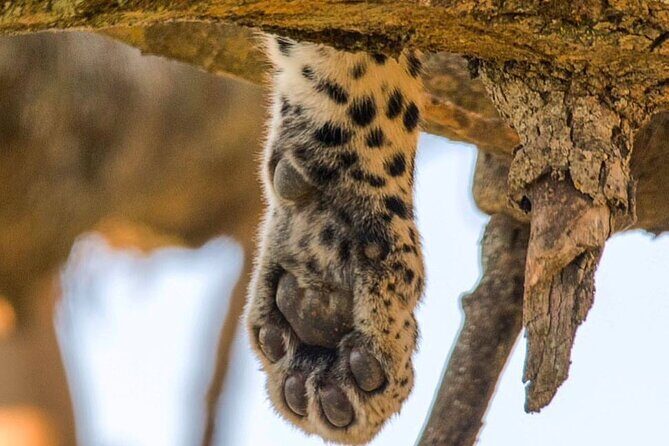
Day 5 has a nice twist. After arriving at the Ngorongoro Conservation Area route, you start with a sunrise drive in Serengeti, then return for breakfast. Then the day continues with lunch-box drives as you move toward Ngorongoro, including dinner and overnight on the conservation area side.
The itinerary notes game-drive time with animals and scenery en route, which is realistic: you’re not switching off your eyes during the transfer day. You’re still in wildlife country, so your guide can work viewing opportunities into the travel rhythm.
A separate note in the plan suggests additional time for another Serengeti segment before you head onward. The practical takeaway for you is that Day 5 isn’t a dead travel day. It’s designed to keep you in the viewing mindset so the switch to Ngorongoro doesn’t feel like a letdown.
A few more Arusha tours and experiences worth a look
Ngorongoro Crater: The 600-Meter Drop That Changes Everything
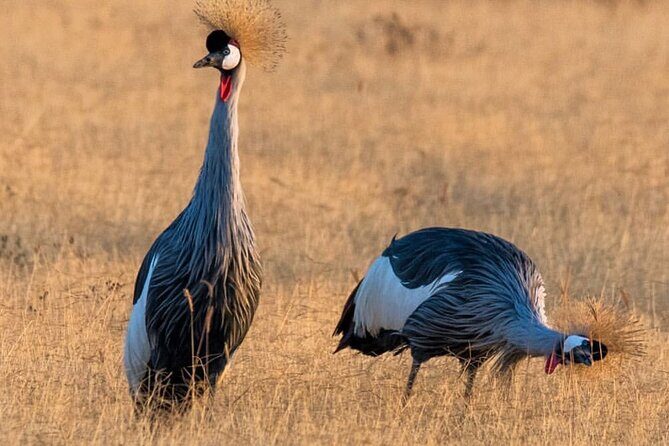
On Day 6, you get the crater day. After an early breakfast, you descend over 600 meters into Ngorongoro crater for about 6–7 hours of game viewing and 5–6 hours of non-game time.
That descent is not just a scenic note; it affects the whole viewing feel. The crater concentrates habitats and supports year-round water and fodder, which is why the animal list is so heavy and diverse.
Ngorongoro’s described wildlife includes:
- herds of wildebeest, zebra, buffalo
- eland and warthog
- hippo and giant African elephants
- and predator-rich chances: lions, hyenas, jackals, cheetahs, and the leopard (often the hardest sighting)
You’ll also visit Lake Magadi, a shallow alkaline lake. That kind of spot matters because it changes where animals move and where you can spot them interacting with the environment.
If you’re hoping for leopard, you need a “patient attention” mindset. Leopards can be visible, or they can be hidden and still. A good guide reads the terrain and learns quickly where movement is likely.
Price and Value: What $3,400 Per Person Actually Buys You
Let’s talk value without fantasy math. At $3,400 per person for about 6 days on a private midrange safari with airport pickup, you’re paying for:
- private guide service
- 4×4 safari vehicle use throughout the safari days
- listed accommodations for the tour duration
- meals: breakfast (6), lunch (6), dinner (5)
- park admission tickets included on the park days listed
This is a “package” style safari. That typically means fewer separate invoices and less time worrying about which fees are included versus not included.
Is it the cheapest option? No. But it can be good value if you want:
- a private schedule instead of a shared bus
- more time inside parks rather than strict transfer speed
- consistent meal coverage and lodge support
The smart buyer move is to compare what’s included, not just the price tag. If another tour looks cheaper, check whether it separately charges for park fees, meals, and transport. Here, those elements are listed as part of the plan.
Lodging Level and the Comfort Factor You Should Expect
The plan includes 6 day accommodation, and people have praised lodge comfort and meal quality in past experiences. Specific lodge names appear in prior feedback, including properties like Lake Manyara Lodge, Sereonora Serengeti Wildlife Lodge, Ngorongoro Sereonora Lodge, and also Boma Lodge.
One more detail you can use: some past participants mentioned choosing lodge-and-tent style options, described as close to nature but with a touch of luxury. That suggests the operator is flexible within their comfort band.
I’d still advise you to confirm your exact lodging category before paying final balances. The word midrange can cover a wide range of room types, views, and bathroom setups across different parks.
Transportation, Timing, and How to Stay Comfortable on Long Game Drives
The itinerary runs on early starts and long viewing blocks, and that’s normal for safari success. Your first day departure is between 08:30 and 09:00, and many park days reference a pickup between 08:30 and 09:00. So plan on mornings that start with coffee and quick packing.
Bring what helps on safari:
- neutral clothing you won’t mind getting dusty
- a light jacket for early mornings
- sunglasses and sunscreen
- a hat
- reusable water (and ask your guide how they handle refills)
- a small day bag for camera gear
One comfort trick: don’t pack like you’re going hiking all day. You’ll be sitting and scanning for hours. Clothing that’s comfortable for long sitting beats outfits that look good in a photo.
Also, use the non-game viewing windows. Those extra hours aren’t wasted; they help you rest, eat, and reset so you’re sharp when the next game drive starts.
Should You Book This Arusha-to-Ngorongoro Private Safari?
I’d book this if you want a private safari that hits the classic parks—Tarangire, Lake Manyara, Serengeti, and Ngorongoro—with structured time for viewing and meals that are handled. The big selling points are the two Serengeti days (with the Seronera River focus), plus Ngorongoro crater viewing after the 600-meter descent.
I’d hesitate if you hate long drives. The itinerary is designed for efficiency, and that means you’ll spend significant time traveling between parks. If you’re sensitive to early starts or want a slow, low-movement vacation style, this might feel too action-packed.
If you do book, do one thing that pays off: pick a couple of must-see animals and share them with your guide at the start. With guides known for strong spotting—like Lewis, Vincent, Ezekiel, and others mentioned in past feedback—you’ll get more tailored searching and better explanations during stops.
FAQ
What parks are included in this 6-day Arusha safari?
The tour includes game viewing in Tarangire National Park, Lake Manyara National Park, Serengeti National Park, and the Ngorongoro Conservation Area, with visits scheduled across multiple days.
How long is the safari?
It’s a 6-day private tour, with day-by-day timing that totals approximately 6 days.
Is airport pickup included?
Yes. The tour lists airport pickup as a feature.
Is this tour private or shared?
This is a private tour/activity. Only your group participates.
Does the tour include meals?
Yes. The package lists breakfast (6), lunch (6), and dinner (5).
Are park admission tickets included?
Admission tickets are listed as included for the park days shown in the itinerary, including Tarangire, Lake Manyara, Serengeti, and Ngorongoro.
What are the typical pickup/departure times?
Day 1 departs between 08:30 and 09:00. Other days reference pickup between 8:30 and 9:00.
How much game viewing time do you get?
Game viewing time is listed each day, commonly around 5–7 hours depending on the park, with additional non-game time included in the schedule.
When are flamingos most likely at Lake Manyara?
The information provided notes that flamingos are most prominent along the lake edges during the wet season, while they are not as present during the dry season.
What is special about Ngorongoro crater day?
You descend over 600 meters into the crater to view wildlife, with the crater supporting animals year-round due to water and fodder, and it has predator chances including lions, hyenas, cheetahs, and sometimes leopard.
Can I cancel for a full refund?
Yes. Free cancellation is available up to 24 hours in advance of the experience’s start time for a full refund. If you cancel within 24 hours, the amount paid is not refunded.