REVIEW · ARUSHA
6 Days Tanzania Wildlife Camping Safari
Book on Viator →Operated by Inno Africa safaris · Bookable on Viator
A six-day safari in Tanzania feels like a movie—if the movie includes camping and Olduvai Gorge. This trip is built around classic wildlife stops, sleep-in-the-wild nights, and a private setup where it’s just your group in the vehicle. You get game drives from a 4×4 with a driver guide, plus transfers that keep you from juggling logistics on your own.
What I like most is the combination of public campsite nights with all the gear handled for you, so the “camping” part stays practical, not stressful. I also like the structure: full days in big parks, then crater-and-conservation territory for serious wildlife density, including the chance to see the Big Five. One thing to consider: you’ll spend real time driving between parks, and camping means you’re trading hotel comfort for the sounds and rhythms of the bush.
In This Review
- Key highlights you’ll feel fast
- What you’re really signing up for: private camping safari value from Arusha
- Day 1 in Arusha: arriving, eating well, and getting oriented
- Lake Manyara camp night: Rift-wall views and an early taste of the wild
- Serengeti full-day game drive: big cat energy and serious birdlife
- Serengeti to Ngorongoro via Olduvai Gorge: how you go from animals to origins
- Ngorongoro Crater day: wildlife concentration plus the 2000ft descent
- Tarangire full-day game drive: finishing strong back near Arusha
- Camping logistics you’ll be glad are handled (and where you should plan)
- Guide and group experience: what “private” changes day-to-day
- Price and value: does $2,371.80 per person make sense for what’s included?
- Who should book this safari, and who should rethink it
- Should you book this 6-day Tanzania wildlife camping safari?
- FAQ
- What parks and areas are included in this 6-day Tanzania safari?
- Is camping equipment included?
- Are meals included?
- Is this a private tour?
- Do you provide water during game drives?
- Is Olduvai Gorge included, or is it optional?
- Where do you meet for the safari?
Key highlights you’ll feel fast
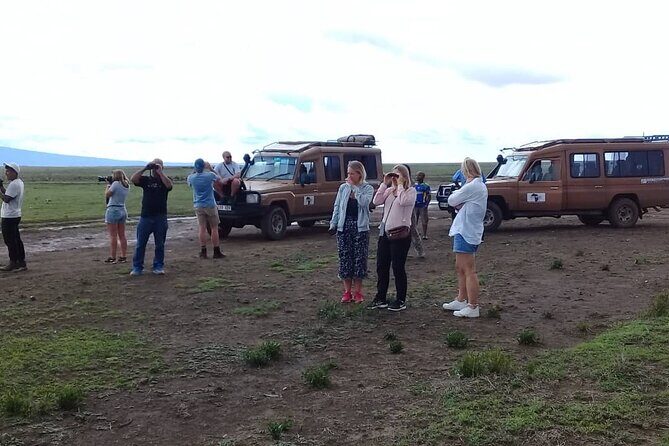
- Private group experience so your days aren’t shared with random strangers
- 4×4 safari vehicle with guaranteed window seat for better viewing (and fewer neck aches)
- Serengeti full-day game drive focused on predators and birdlife
- Olduvai Gorge stop on the way to Ngorongoro for early human evidence
- Ngorongoro Crater day with a concentration approach for wildlife, including Big Five chances
- Camping gear included: tents, mattresses, and essential equipment
What you’re really signing up for: private camping safari value from Arusha
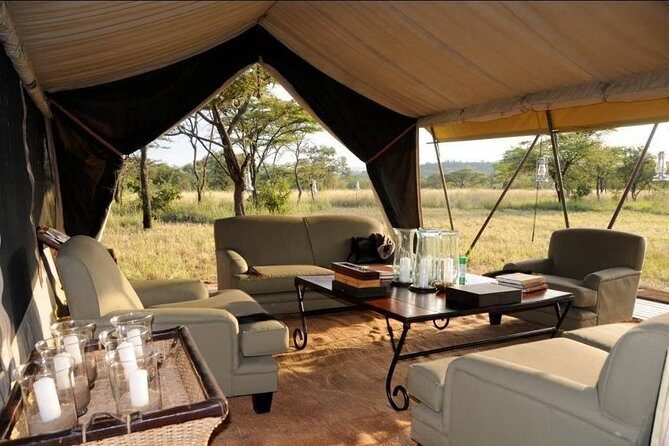
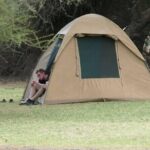
This is a wildlife safari that treats “camping” as part of the adventure, not a spare-time add-on. You sleep in public campsites, and the tour provides the basics you’d otherwise be scrambling to rent or buy—tents, mattresses, and camping equipment. That matters because the success of a camping safari usually comes down to whether you can actually rest well enough to enjoy early starts.
It’s also a private tour/activity, which changes the feel immediately. You’re not negotiating schedules with strangers, and your guide can keep the pace and communication aligned with your group. That private format shows up again and again in the way the itinerary is planned: long full-day wildlife blocks with minimal “wasted” half-steps.
And you’re not just doing wildlife-only. The inclusion of Olduvai Gorge adds a different kind of perspective. It’s not a random detour—it’s an intentional stop on the route toward Ngorongoro, and it gives you a sense of place that goes beyond animals.
A few more Arusha tours and experiences worth a look
Day 1 in Arusha: arriving, eating well, and getting oriented
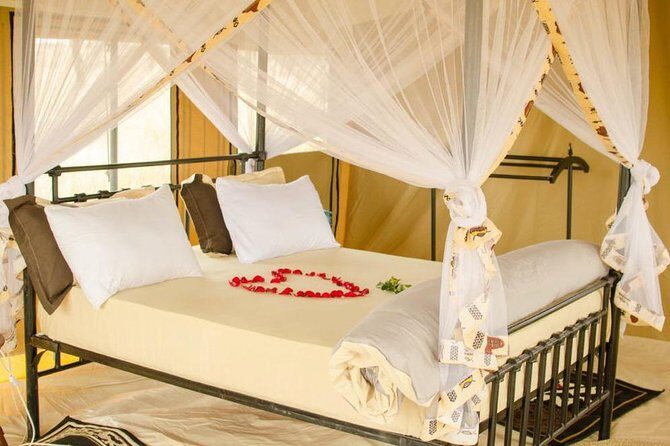
Your day starts with pickup at Arusha or the airport, then a transfer to a lodge/hotel for dinner and overnight (half board). In practice, this is your buffer day: you land, you eat, you sleep, and you don’t have to think about park timing or vehicle logistics before you’re ready.
It’s also where you get your safari briefing. Even if you know the basics, it helps to hear how your driver guide will run sightings and what kind of viewing rhythm to expect. If you’re the type who likes to know what’s happening next, this setup will feel reassuring.
Lake Manyara camp night: Rift-wall views and an early taste of the wild
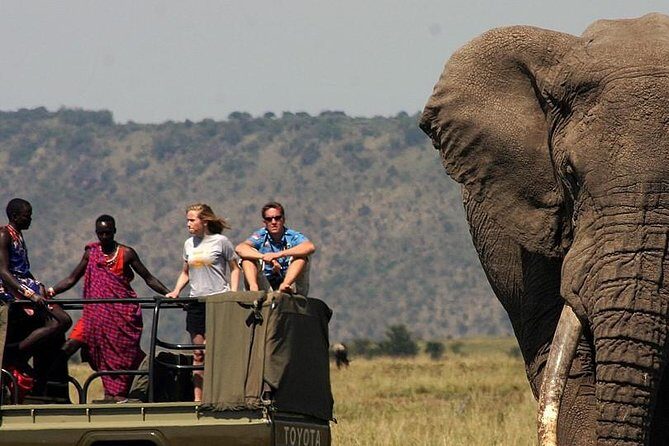
On day two, you head to Lake Manyara after breakfast in Arusha. The driving time is about 2½ hours, and you arrive at a camp area with dinner and overnight at Kizumba campsite. The drive is not just transit. The tour route includes a stop at Lake Manyara Hotel, built on the rift wall at a higher altitude, with strong views of the lake and park.
Lake Manyara is often associated with distinctive habitats, so even when you don’t have the full-day game drive time you’ll get later in the trip, you still get a sense of variety. You’ll also be settling into the rhythm of the safari schedule: game drive windows later in the day, then camp life afterward.
Practical note for you: if you’re sensitive to motion, this is the day to prepare with hydration and a bit of rest. Those early transfers make the rest of the safari smoother.
Serengeti full-day game drive: big cat energy and serious birdlife
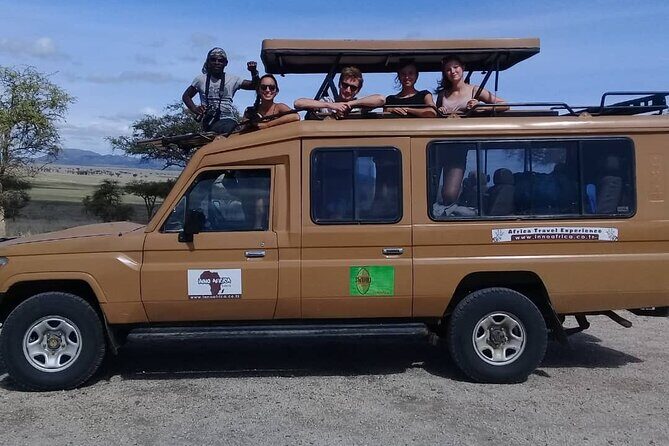
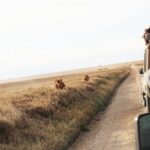
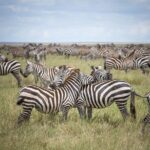
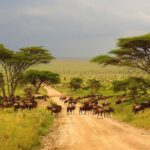
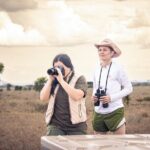
Day three is a full day in Serengeti National Park, with a game drive and lunch boxes packed for you. This is the day the itinerary aims at maximum wildlife density and variety. The description calls out a huge concentration of plains animals and extensive birdlife, which is exactly what you want for sightings that feel steady rather than random.
What I like about how this day is framed is the time on the ground. Serengeti is not something you “check off” in a short visit. Having a full day means your driver guide can adjust the route based on where animals are active and where the best viewing is happening.
This is also where predator-prey moments are more likely to feel dramatic. The tour specifically highlights chances to see predators chasing prey and enjoying a kill. I can’t promise the exact outcome of wildlife behavior, but I can tell you that the full-day format and the Serengeti focus are set up for maximum opportunity.
Serengeti to Ngorongoro via Olduvai Gorge: how you go from animals to origins
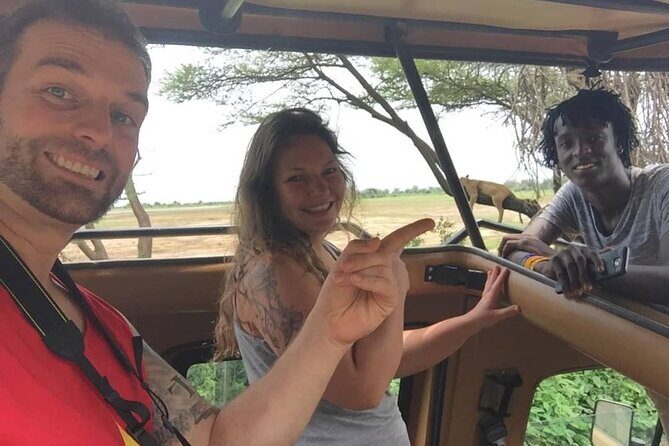
On day four, you transition from Serengeti Plains toward Ngorongoro Crater. The drive time listed is about 4 hours non-game-viewing, and the key “why this is different” moment is the stop at Olduvai Gorge.
Olduvai Gorge is where the tour points you to early evidence of human habitation—traces dating back about 3.5 million years. That’s a heavy, mind-bending context shift after a day focused on wildlife. It also makes the Ngorongoro day feel even more meaningful because you’re thinking about land use, evolution, and survival, not just safari sightings.
You then settle for dinner and overnight at Simba campsite. This is the kind of day where you’ll appreciate having everything arranged—vehicle, timing, meals—because you don’t want your brain spent wondering where you’ll sleep or what you’ll eat after a long transit day.
A few more Arusha tours and experiences worth a look

Ngorongoro Crater day: wildlife concentration plus the 2000ft descent
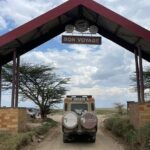
Day five is where Ngorongoro takes center stage. You’re in the Ngorongoro Conservation Area for a full day that includes a tour of the crater, with lunch boxes on the way and a long day of viewing.
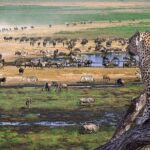
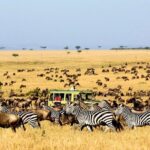
The tour’s wildlife promise here is very practical: a spectacular concentration, including Big Five chances. Ngorongoro is one of the few places where “density” is the point, because the crater environment naturally funnels animals into a smaller area. That’s why this day matters so much to your overall results. If your goal is seeing more species without trying to chase them across huge distances, this approach is smart.
The itinerary also mentions driving across dense forest and near a soda lake, plus a birdlife focus. On top of that, you ascend from the crater from a depth of about 2000 feet. You’ll feel that change in the day—temperature shifts, viewpoint changes, and a distinct sense of scale.
Afterward, you still get dinner and overnight at Kizumba campsite, which sets you up for Tarangire the next day. In other words, day five isn’t just crater viewing; it’s also the “bridge day” that keeps Tarangire on the menu.
Tarangire full-day game drive: finishing strong back near Arusha
Day six brings you to Tarangire National Park for a full day game drive. The itinerary calls it a 2-hour drive back to Arusha for drop-off, with a late afternoon return and a picnic lunch during that schedule.
Tarangire is known for its distinct scenery and wildlife patterns, and the format here is similar to Serengeti: spend meaningful time in the park rather than doing a rushed half-day. That matters for your chances to get repeat sightings of the species you care about most, and for your ability to enjoy the experience instead of counting minutes.
This is also the day you can treat as your “reset” day. By now you’ll know what your guide’s viewing style feels like. If you want to ask questions or request a particular viewing approach, you’ll be in a good position to do it.
Camping logistics you’ll be glad are handled (and where you should plan)
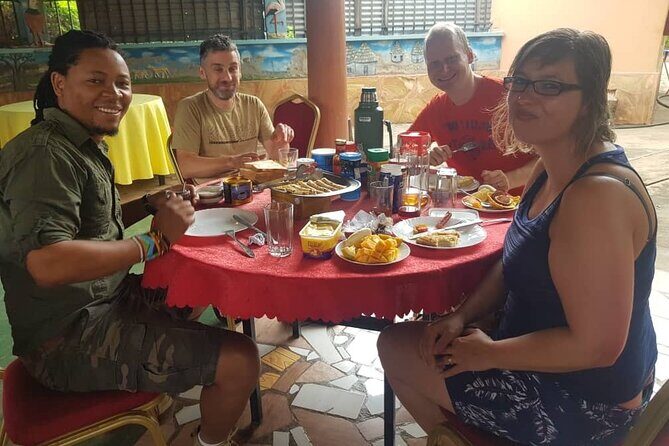
Camping on safari is not just about sleeping outdoors. It’s about whether your energy stays up for early mornings and long drives.
Here’s what this safari includes that helps a lot:
- Tents, mattresses, and camping equipment are provided
- Meals are included throughout the itinerary (breakfasts, lunches, and dinners listed for the days in the schedule)
- During game drives, you get 1.5 liters of mineral water per person per day, plus bottled water and coffee/tea
- You’ll have a safari briefing and an experienced English-speaking driver guide
- Guaranteed window seat in the safari vehicle helps reduce wasted time repositioning for photos
The tradeoff is still real. You’re sleeping in public campsites, not private lodges, and your comfort level will depend on weather, basic campsite conditions, and your own expectations. If you’re the type who needs a very controlled environment to sleep, you’ll want to mentally budget for that. If you can handle the sounds and the outdoors, the camping part can become one of the best memories of the trip—especially when you’re tired in a good way from a long day of wildlife watching.
Packing tip for you: bring layers. Even if you don’t know the exact weather forecast, safari days can shift from warm afternoons to cooler early morning and night.
Guide and group experience: what “private” changes day-to-day
The tour is private, so you don’t share your schedule with other groups. That typically means fewer compromises: your driver guide can keep things flowing at a rhythm that works for your group.
In feedback, guiding quality comes up strongly, with names like Mitt appearing for service and recommendations, and guides like Peter (noted as francophone), plus Joseph (often referenced with the name Jose Maria de Tanzania). When the guide is strong, the safari is more than luck. The vehicle positioning, the patience for re-checking areas, and the ability to explain what you’re seeing can change how you remember the trip.
Also, your guide is English-speaking (with vegetarian option available if you ask in advance). That matters because you want the viewing experience to come with context, not just animal spotting.
Price and value: does $2,371.80 per person make sense for what’s included?
At $2,371.80 per person for roughly six days, this isn’t a budget safari. But it also isn’t a bare-bones one.
What supports the price in the real world:
- All accommodation in public campsites during the itinerary
- Camping equipment (tents, mattresses, etc.)
- 4×4 safari transportation with a professional guide
- Transfers to/from Arusha hotel or the airport
- Meals across the itinerary
- Window seat guarantee and mineral water during game drives
- Government taxes, plus items like fuel surcharge, landing/facility fees
- Medical evacuation coverage is listed as included
What’s not included helps you plan your budget:
- Flights and Tanzania visa entry fees
- Tips for the driver guide and cook
- Travel insurance
- Alcohol and other personal expenses
- Accommodation before/after the safari
- Optional add-ons like a Maasai village or optional Oldupai Gorge visit
So the value question is really this: are you happy to do a camping-style safari with public campsites and long driving days, in exchange for a structured route across Tanzania’s big names? If yes, the inclusions help justify the cost. If you want five-star sleep every night, you may feel the price doesn’t buy enough comfort.
Who should book this safari, and who should rethink it
You’ll likely love this trip if:
- you want a private safari experience
- camping sounds fun to you, not scary
- you want major parks packed into a short trip: Lake Manyara, Serengeti, Ngorongoro area, and Tarangire
- you care about the Olduvai Gorge stop for a human-origin perspective
You might rethink it if:
- you strongly dislike camping conditions or you need hotel-style comfort
- you’re extremely time-sensitive about driving days
- you expect lots of downtime built into the schedule (this is a “use your safari days” itinerary)
If you’re traveling as a couple, friends, or a small family group that wants a contained experience, the private format is a strong fit.
Should you book this 6-day Tanzania wildlife camping safari?
I’d book it if your top priorities are wildlife variety across Serengeti, Ngorongoro, and Tarangire, and if camping-style nights in public campsites sound like part of the adventure you want. The fact that the safari includes camping gear, meals, and water during game drives means you’re not paying the price and then still dealing with extra rentals and guesswork.
I’d hesitate if you’re the type who needs guaranteed comfort and silence at night. Camping is part of the deal here, and the tradeoff is real. Also, since this is a route with significant driving between parks, it helps if you enjoy the road as part of the overall journey rather than seeing it as wasted time.
If you want a wildlife-heavy Tanzania trip that still adds Olduvai Gorge for perspective, this itinerary is built for that.
FAQ
What parks and areas are included in this 6-day Tanzania safari?
The safari includes Lake Manyara National Park, Serengeti National Park, Ngorongoro Conservation Area with a day in Ngorongoro Crater, and Tarangire National Park. It also includes a stop at Olduvai Gorge.
Is camping equipment included?
Yes. Tents, mattresses, and other camping equipment are included, and you’ll stay in public campsites according to the itinerary.
Are meals included?
Yes. Meals are included according to the itinerary, including breakfast, lunch, and dinner.
Is this a private tour?
Yes. It’s a private tour/activity, so only your group participates.
Do you provide water during game drives?
Yes. The tour includes 1.5 liters of mineral water per person per day during game drives, plus bottled water, and coffee and/or tea.
Is Olduvai Gorge included, or is it optional?
Olduvai Gorge is included as part of the route on the day traveling toward Ngorongoro. An optional Oldupai Gorge visit is also mentioned as not included.
Where do you meet for the safari?
The start point is Arusha Airport, Arusha Tanzania, with pickup offered and transfers arranged to and from your Arusha hotel or the airport.