REVIEW · ARUSHA
6-Day Unforgettable Tour in Tanzania
Book on Viator →Operated by Cubs Expeditions Limited · Bookable on Viator
Safari math: four parks, six days, big animals. This camping trip out of Arusha is built for people with limited time who still want serious wildlife time across Tarangire, Serengeti, Ngorongoro, and Lake Manyara. You’ll start early, drive a lot, sleep under canvas, and chase sightings from sunrise to sunset.
What I like most is the way the route packs in different kinds of wildlife habitat. You get Tarangire’s elephant country, Serengeti’s predator chances, Ngorongoro’s crater density, and Lake Manyara’s soda-lake drama and the famous tree-climbing lions. Two more wins: the team’s communication (clear and fast in the lead-up) and the fact that the chef work is a real highlight, with Halid/Halidi showing up in multiple accounts as an excellent cook.
The main drawback to think about is stamina. Expect 10 to 12 hour days with early starts, plus some dinners and overnights at campsites outside the parks, so you’re not just parked at the trailhead with a coffee in hand.
In This Review
- Key things to know before you go
- A 6-day Tanzania wildlife circuit that fits real schedules
- Camping safari comfort: what you really need to expect
- Day 1 in Tarangire: first wildlife hits and the outside-camp factor
- Day 2 Serengeti via Naabi Hills: chasing the sunset light
- Day 3 Serengeti at sunrise: your best shot at predators
- Day 4 Ngorongoro Conservation Area and the back-road switch
- Day 5 crater day and the long game drive rhythm
- Day 6 Lake Manyara: soda lake drama, elephants, and tree-climbing lions
- What you’re really paying for: value at $1,200
- The people factor: guides and chef impact your whole trip
- Who this safari suits best, and who should pass
- Packing tips for a camping safari start
- Should you book this 6-day Tanzania camping safari?
- FAQ
- How long is the Tanzania safari tour?
- Where does the tour start?
- What parks and major areas are visited?
- What is included in the price?
- What is not included?
- Is pickup included?
- How many people are in the group?
- What does cancellation look like?
- What happens if the weather is poor?
Key things to know before you go
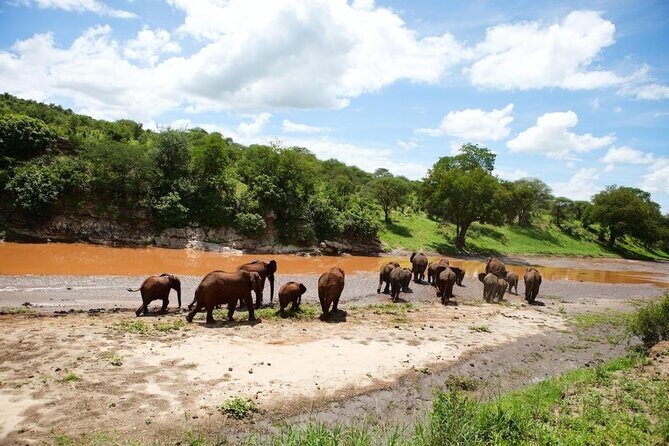
- 4 major wildlife areas in 6 days: Tarangire, Serengeti, Ngorongoro Conservation Area, and Lake Manyara
- Camping + full meals included, so your budget doesn’t blow up mid-trip
- Small-group feel with a maximum of 20 travelers
- Sunrise game driving is built into the schedule for predator timing
- Lake Manyara wildlife specifics: elephants, flamingos, and tree-climbing lions
A 6-day Tanzania wildlife circuit that fits real schedules
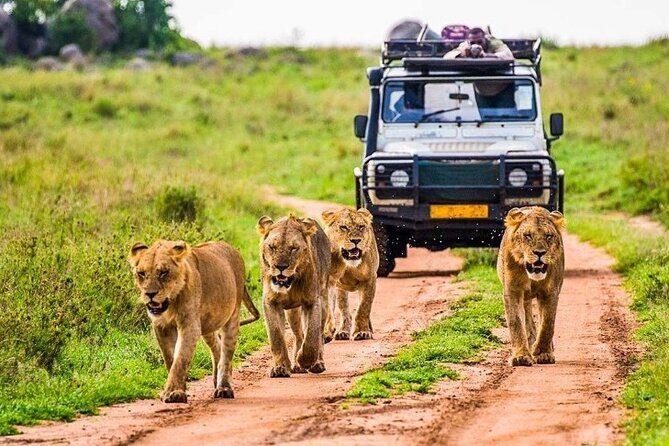
This is a classic “big highlights” Tanzania loop, run at safari speed. Your base is Arusha, and you’re out early each day because wildlife viewing is all about light, temperatures, and animal behavior. The tour is also positioned for people who don’t have a lot of spare days, but still want more than one ecosystem.
At $1,200 per person, you’re paying for more than just a vehicle. The tour includes park fees, accommodation, camping gear, meals (breakfast, lunch, dinner), roundtrip airport transfers, and game driving. That’s why the price feels more sensible for a short safari: a lot of the costs that add up on your own are already handled.
You also get practical travel extras like pickup offered, group discounts, and a mobile ticket. That matters when you’re moving between parks because fewer loose ends means less stress when you’re already waking up before sunrise.
A few more Arusha tours and experiences worth a look

Camping safari comfort: what you really need to expect
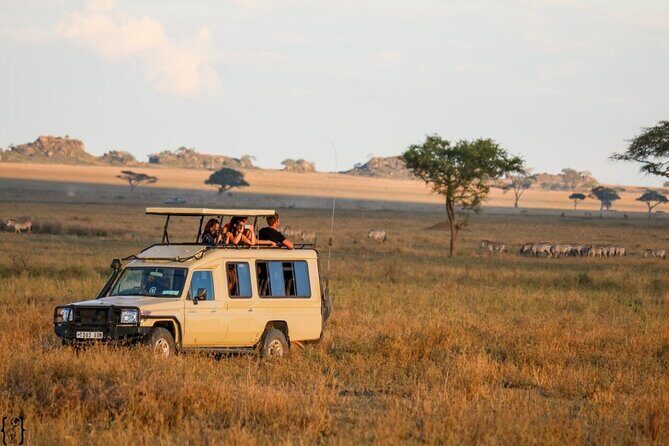
Camping changes the vibe. Instead of a hotel-style “go to sleep when you want” experience, you’re on a safari rhythm: you eat on schedule, you drive to sightings, and when the day ends, you’re back in the rhythm of camp life. The good news is that accommodation and camping equipment are included, along with meals, so you don’t have to guess at what’s provided.
Most people underestimate how physical safari days are, even when you’re just sitting in a truck. Long drives can feel like more than a “tour,” especially when you’re doing sunrise game drives and then another round later in the day. If you’re the type who likes a late morning and a slow breakfast, this schedule may feel intense.
Still, the payback is access. Because you’re camp-based and driving daily, you’re not spending your trip parked for logistics. You’re spending it looking.
Day 1 in Tarangire: first wildlife hits and the outside-camp factor
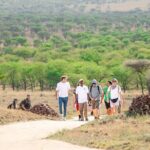
You start with breakfast in Arusha and then drive to Tarangire for a game drive. Tarangire is a smart first stop because animals concentrate there, especially around water and the park’s habitats. You’ll have a picnic lunch break during the day, which helps keep the drive-gaming rhythm comfortable.
One detail to keep in mind: after the game drive, you return to a campsite that’s outside the park, more than 30 minutes away, for dinner and overnight. That means you’ll feel the “travel time” part of safari logistics, even though your wildlife time is still the main event.
Why I like this setup for the first day: you’re getting oriented quickly. You’ve got daylight, you’ve got animals, and you’re building your safari eyes before the longer days ahead. It’s a good warm-up for Serengeti and Ngorongoro.
Day 2 Serengeti via Naabi Hills: chasing the sunset light
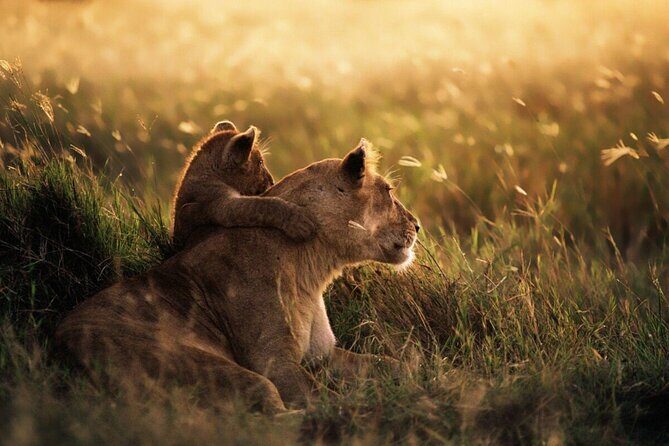
On day two, you head toward Serengeti, with a stop through the Ngorongoro Conservation Area and a route that runs late afternoon. You also stop at Naabi Hills gate and have lunch, then you shift into what the schedule describes as a sunshine game drive toward sunset.
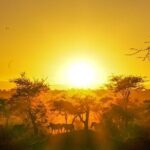
That time window matters. Late-day light often makes animal spotting easier, and predators can move when the temperatures start to change. The day ends with a drive to the campsite for dinner and overnight, so expect it to feel like a full day even if you’re not “doing” much besides watching.
Another thing I appreciate is how the route doesn’t treat Serengeti like one single straight-line block. You’re moving through transition zones and gates, which can add variety to what you see on the way. Just remember it’s still a day built around long hours, not a relaxed sightseeing pace.
Day 3 Serengeti at sunrise: your best shot at predators
Day three is early for a reason: sunrise game driving with the goal of finding predators. After the morning drive, you return to the campsite for lunch, then you go out again until around 3:30, before heading back for dinner and overnight.
This is the part of the trip where you benefit most from patience. When guides look for predators, they’re watching behavior, not just scanning for motion. Early light helps because animals are more active and the terrain is easier to read.
The schedule gives you two bites: the first in the morning and the second later in the afternoon. That’s a good balance for people who want more than just a single “one and done” game drive day. You’re also more likely to feel like you saw a range of wildlife behavior, not just one snapshot.
If you’re sensitive to early mornings, plan to keep your expectations realistic. This day is designed for animal timing, not for sleeping in.
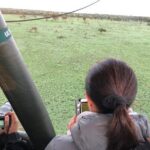
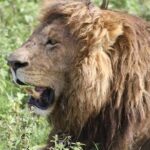
Day 4 Ngorongoro Conservation Area and the back-road switch
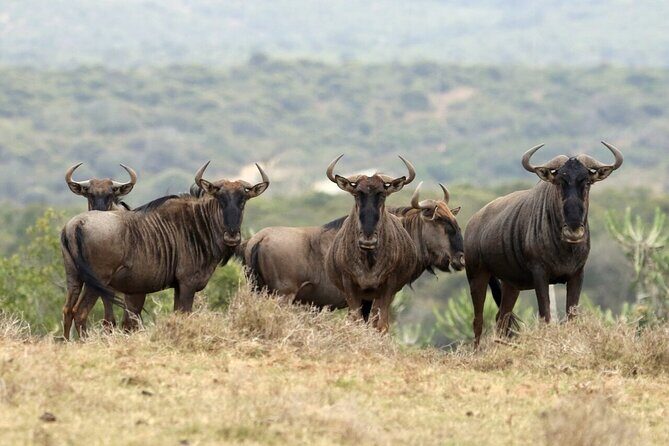
The day starts with another sunrise-focused game drive, again aiming for predators. After that, you return for lunch and then continue game driving while routing your way back toward the Ngorongoro Simba campsite for dinner and overnight.
This is one of the days where the value of a structured itinerary shows up. You’re not guessing how to move between major zones, and the plan accounts for transit time. It’s also a reminder that Serengeti and the Ngorongoro area aren’t just “places.” They’re parts of a system, and wildlife movement across that system is part of why people love this region.
What could feel tricky: because this day includes both predator-focused driving and route changes toward the next base area, you’re likely to be thinking about time constantly. If your ideal safari is slow and scenic, you might find yourself wishing you had more time parked in one spot. But if you want maximum sightings per day, the pacing is the point.
Day 5 crater day and the long game drive rhythm
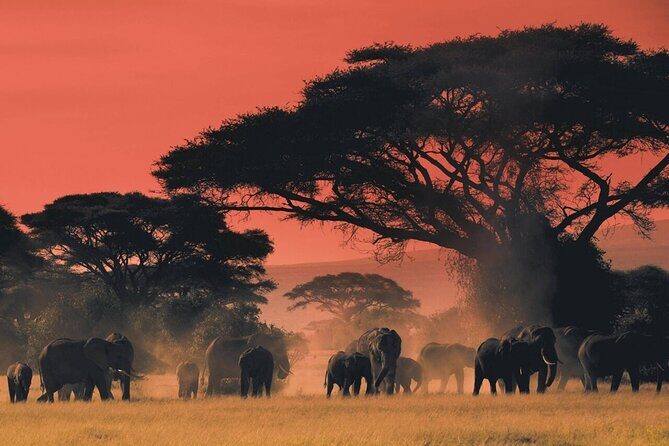
Day five centers on the Ngorongoro Crater experience with a long game drive and picnic lunch. The schedule says you’ll descend to the crater for about six hours of game driving, then you’ll drive to a campsite outside the park for dinner and overnight.
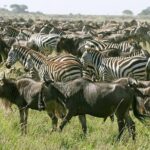
Ngorongoro is famous for a reason: density. When the terrain funnels wildlife into sightlines, you can rack up sightings quickly compared with many other safari settings. A six-hour crater drive also gives your guide time to work the angles, not just chase the first animals you see.
The practical consideration is comfort. Crater days can be cooler depending on the season and can involve long hours on open seating. If you get cold easily, bring layers, not just a single “safari outfit.”
After the crater, you’re back off-site for dinner and sleep, so the day ends with a return drive. It’s a natural rhythm: big wildlife concentration early, then camp time to reset.
Day 6 Lake Manyara: soda lake drama, elephants, and tree-climbing lions
Day six shifts to Lake Manyara National Park for game driving until afternoon, with lunch, then the drive back to Arusha.
Lake Manyara is described as a dramatically located wildlife area at the foot of the Great Rift Valley’s western escarpment. The park is dominated by a shallow soda lake, covering two-thirds of the area, and that habitat drives the wildlife mix. The park’s varied setting is linked to elephants, flamingos attracted by algae, and the unique tree-climbing lions people talk about in Tanzania.
This final day is a smart way to close. After Tarangire and Serengeti’s open savanna feel and after the crater’s intense concentration, Manyara offers a different kind of wildlife story. Even if you don’t find every headline species, the habitat variety makes the drive feel fresh.
Then you head back to Arusha, which gives you a clean break from the game-drive rhythm. It’s also where the planning pays off: you’re not trying to squeeze in extra sightseeing on the last day. You’re done when you’re done.
What you’re really paying for: value at $1,200
Let’s talk value without the marketing fog. At $1,200 per person, you’re covering the big categories safari trips usually hit you with: park fees, accommodation, meals, camping equipment, game driving, and roundtrip airport transfers. If you try to assemble a similar plan piece by piece, those costs tend to stack up fast.
You’re also not going in blind. The tour includes park fees and indicates admission ticket free, which means your day-to-day entry costs aren’t a surprise. You’ll have a mobile ticket, and pickup is offered, which reduces stress in the first hours after you land.
Group discounts can help too, especially if you’re traveling with someone. And the small cap of 20 travelers keeps the trip from feeling like a bus tour where you can’t find sightlines or hear instructions.
The value question is mostly about your priorities. If you want wildlife variety in a short window, and you’re okay with camping and long days, this price is in the “fair for what you get” zone.
If you want luxury comfort, lots of downtime, or private guiding, you may feel the tradeoffs.
The people factor: guides and chef impact your whole trip
This kind of safari lives or dies with the team. In accounts tied to this operator, guides show up with real personality and solid expertise. Names like Godwin, Lobulu, and Amani appear in accounts, with repeated praise for being kind, knowledgeable, and focused on finding animals.
Then there’s food. Multiple accounts single out the chef Halid/Halidi as an exceptional cook, with people saying they ate excellently. In a camping safari, meals aren’t just fuel. They’re part of what makes long driving days tolerable.
So here’s the practical advice: during your first briefing, ask how spotting works and what they look for at each park. Good guiding is rarely luck. It’s route choices, timing, and reading animal behavior.
If you’re picky about comfort, also tell your guide what you need. That’s the fastest way to convert a standard schedule into a better experience for you.
Who this safari suits best, and who should pass
This tour fits best if you want a short, high-impact safari that covers multiple parks without stretching into a long vacation. It’s also a good match for people who enjoy sunrise and late-afternoon wildlife opportunities, since the schedule is built around those windows.
It’s also a solid option if you like structure. You’re not constantly planning logistics, buying park tickets, or figuring out where you sleep. The plan includes accommodation, camping gear, meals, and game driving.
I’d hesitate if you need a lot of downtime. The day structure includes long driving periods and repeated early mornings, and some nights are outside specific parks. Camping also means you’re not dealing with a hotel bed and quiet halls.
Finally, consider motion sickness. You’ll spend many hours in a safari vehicle, sometimes on rough roads. If you’ve struggled before, pack your usual remedy.
Packing tips for a camping safari start
You’ll want to dress for changing temperatures: early mornings can be cool, and midday can be warm. Bring layers, not one heavy jacket and one flimsy shirt. For comfort, pack closed-toe shoes with grip for uneven ground around camps.
Also plan for dust and sun. A hat and sunglasses are not optional if you want your day to feel easy. Sunscreen helps, and so does a water bottle you can grab during breaks.
For the evenings, camping gear is included, but personal comfort items are personal for a reason. Bring what helps you sleep. If you know you’re sensitive to noise or cold, plan for that.
And bring patience. Safari days move fast, but sightings can be unpredictable. The schedule is strong; the animals still make the final call.
Should you book this 6-day Tanzania camping safari?
Yes, if you want a practical route that hits Tarangire, Serengeti, Ngorongoro, and Lake Manyara in a tight window, with meals and park costs handled. This is the kind of trip that can turn Tanzania into a clear set of memories: elephants and birds in Tarangire, predator-focused Serengeti mornings, crater density at Ngorongoro, and Lake Manyara’s special habitat finish.
No, if you dislike early starts, long driving days, or camping. If you’re expecting a laid-back vacation with lots of free time, this plan may feel like it runs you instead of the other way around.
If you do book, do two things: pick the right mindset (you’re here for wildlife timing) and ask questions early. When guides like Godwin, Lobulu, or Amani are strong, the trip gets better fast.
FAQ
How long is the Tanzania safari tour?
It’s a 6-day safari, starting at 6:00 am in Arusha.
Where does the tour start?
The meeting point is Arusha Airport in Arusha, Tanzania.
What parks and major areas are visited?
The tour visits Tarangire National Park, Serengeti National Park, Ngorongoro Conservation Area (including Ngorongoro Crater), and Lake Manyara National Park.
What is included in the price?
The tour includes park fees, all activities, all accommodation, camping equipment, roundtrip airport transfer, and meals (6 breakfasts, 6 dinners, 6 lunches) plus game driving.
What is not included?
International flights, tips, and personal items are not included.
Is pickup included?
Pickup is offered as part of the tour.
How many people are in the group?
The tour has a maximum of 20 travelers.
What does cancellation look like?
Cancellation is free up to 24 hours in advance for a full refund. If you cancel less than 24 hours before the start time, the amount you paid is not refunded.
What happens if the weather is poor?
The experience requires good weather. If it’s canceled due to poor weather, you’ll be offered a different date or a full refund.