REVIEW · ARUSHA
6 Days Tanzania Budget Camping Safari
Book on Viator →Operated by MERU SLOPES TOURS AND SAFARIS · Bookable on Viator
Wildlife days start early here. This 6-day budget camping safari threads together Tarangire, Serengeti, Ngorongoro, and Lake Manyara with a cultural detour at Mto wa Mbu Village.
I especially like the practical setup: pickup and drop-off are included, and you’re not left figuring out logistics on your own. One thing to consider: this is a camping-style safari, so comforts are simple, and you’ll spend long hours on safari roads.
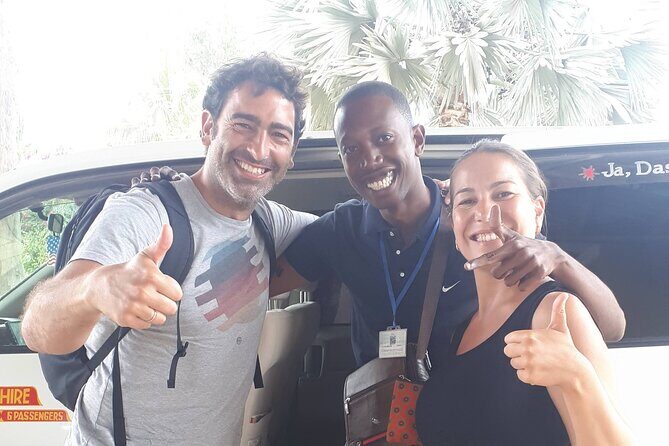
I also like that you’re traveling with a real guide, not just a driver. Guides linked to these departures (like Nuru, Robert, Mohamed, and Florian) are repeatedly mentioned for finding animals and keeping the pace sensible—so you’re more likely to actually enjoy the ride, not just endure it.
In This Review
- Key points that make this safari work
- Price and what you’re really paying for ($1,600 per person)
- Starting in Arusha: pickup rhythm, meeting point, and day-one timing
- Tarangire National Park: elephants, baobabs, and a river you’ll hear about
- Serengeti arrival via Rift Valley views and sunset driving
- Following the Great Migration: June–Sept odds and Mara River possibilities
- Ngorongoro Conservation Area: sunrise start and the long crater approach
- Ngorongoro crater floor: Big Five morning, black rhino, birds, and flamingos
- Mto wa Mbu Village and banana plantations: culture that adds context
- Lake Manyara finale: flamingos, hot spring, tree lions, and a Maasai boma
- Camping safari basics: what “budget” usually means on your body and schedule
- Guides and crew: why names keep coming up
- What to pack (so you don’t suffer quietly)
- Who this Tanzania budget camping safari is best for
- Should you book this 6-day budget camping safari?
- FAQ
- What parks are included in this 6-day Tanzania safari?
- Where does the safari start and end?
- Is pickup and drop-off from my accommodation included?
- How much does the safari cost?
- How many nights of accommodation are included?
- What meals are included?
- Is there emergency medical rescue included?
- Is WiFi available during the safari?
- Are flights included in the price?
Key points that make this safari work
- Small group size (max 6): you usually get more attention when you ask questions or want a specific photo angle.
- Multi-park routing: Tarangire, Serengeti, Ngorongoro, and Lake Manyara in one trip means fewer “one-park” compromises.
- Great Migration timing guidance: June to September is flagged as the best window, with northern Serengeti and Mara River crossings possible.
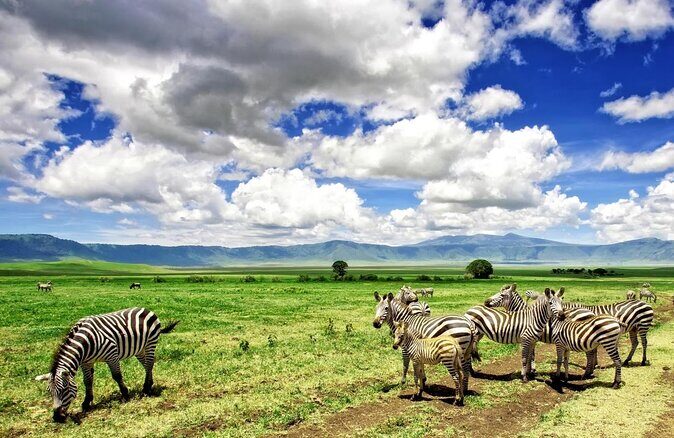
- Big Five crater morning: Ngorongoro descent is built into the schedule, plus a strong birding and flamingo element.
- Culture beyond the car window: Mto wa Mbu Village and a Maasai boma give you context for daily life.
- Safety and peace of mind add-ons: AMREF flying doctors emergency rescue is included, along with unlimited mineral water.
Price and what you’re really paying for ($1,600 per person)
At $1,600 per person for roughly 6 days, you’re buying a lot of moving parts: several national parks, multiple long drive days, six nights of accommodation, and guided time inside the parks. In other words, you’re not just paying to “see animals,” you’re paying to get efficiently from one wildlife hot spot to the next.
What you should budget for separately: flights (not included) and alcoholic drinks (available to purchase). If you like beer or cocktails during the evening, plan ahead—those add-ons can creep up fast on a tight budget.
The best value here is tied to the small group cap and the fact that most costs are rolled in: meals, park-related taxes and handling charges, plus extras like coffee/tea and mineral water. That’s the kind of pricing that helps you stick to a real safari budget instead of playing surprise-cost roulette.
A few more Arusha tours and experiences worth a look
Starting in Arusha: pickup rhythm, meeting point, and day-one timing
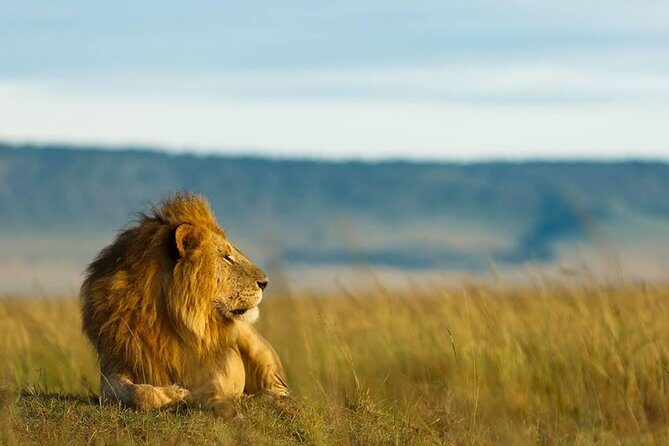
Most days begin with a clear rhythm. You’ll start from Arusha, with pickup from your accommodation available, and the first park day is timed for an early departure. The meeting point listed is Arusha Tourist Inn (Sokoine Rd area), and the tour ends back there as well.
Day 1 alone sets expectations: you leave for Tarangire National Park and spend the afternoon in the park. This matters because it reduces the “lost time” that happens when travel eats the whole day.
If you’re the type who hates confusion, this schedule style is good. It’s also why solo travelers (or couples who want to move as a pair) often like small-group setups: the plan is firm, and you’re less likely to get stuck waiting while someone negotiates a new meeting time.
Tarangire National Park: elephants, baobabs, and a river you’ll hear about
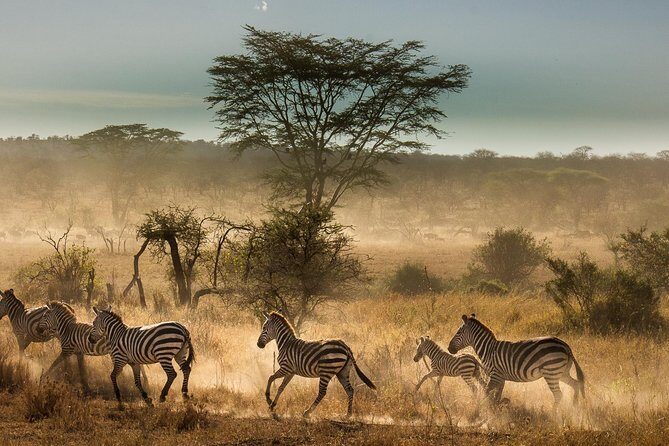
Tarangire is about density and variety. It’s about elephants, big trees, and wildlife gathered around water. The park is about 115 km from Arusha and covers a large area (around 2,800 km²), which helps explain why you can spend a full day driving and still feel like you’re seeing new angles.
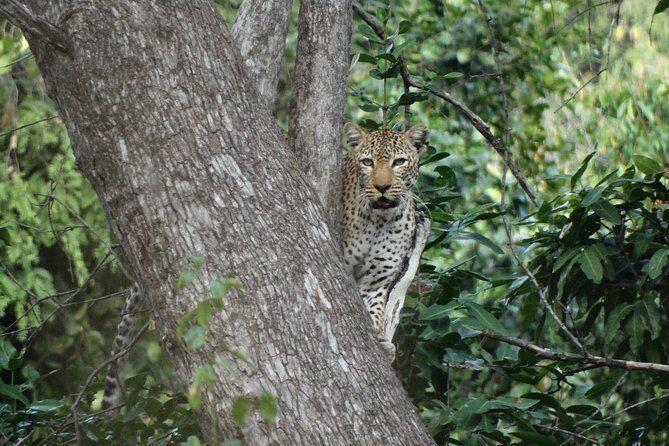
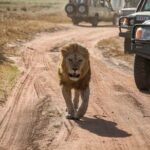
You’ll focus on game drives, with Tarangire’s Tarangire River acting like the magnet. The name comes from that river, and the idea is simple: when water concentrates animals, sightings concentrate too. This is where you’re likely to spot not just elephants, but also lions, leopards, and smaller surprises like pythons and the iconic baobabs.
A practical note: Tarangire can be hot and dusty, and day-one drives can feel long. Bring a hat, water discipline, and a willingness to look around slowly. Big cats and curious birds love a patient driver and quiet attention.
After the wildlife time, you shift gears to Jambo Lodge for dinner and overnight.
Serengeti arrival via Rift Valley views and sunset driving
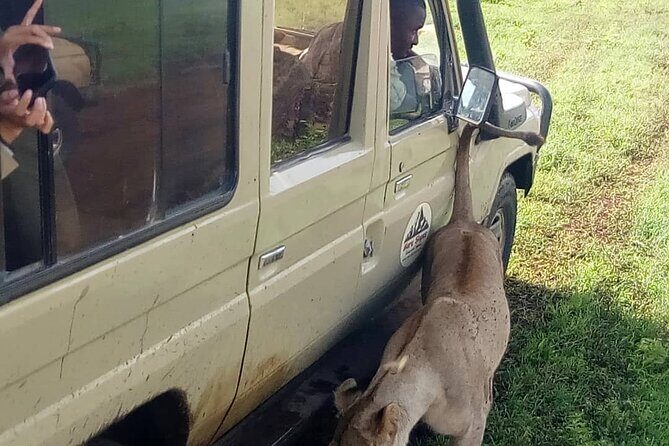
Your Serengeti day starts with a classic safari setup: breakfast, then you pack into the vehicle and head toward Serengeti. You’ll also have an en-route game drive with lunch inside the jeep, and you’ll pass viewpoints tied to the Rift Valley and even Ngorongoro crater along the way.
Reaching Serengeti around mid-afternoon means you get an evening session for the last light. That’s important because it changes the animal behavior and how the scene feels—shorter shadows, warmer colors, and a different mood on the plains.
Overnight is at Seronera campsite inside Serengeti, and you’ll do dinner and rest there. This “inside the park” sleep location is valuable because it shortens the gap between day’s final sighting and the next day’s early start.
Following the Great Migration: June–Sept odds and Mara River possibilities
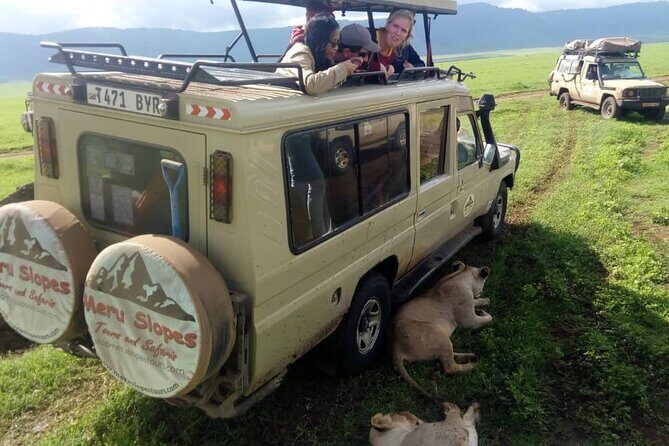
Here’s the big promise that matters: this safari is designed to chase the Great Migration. But you should know how migration works in real life. It moves. It changes with rainfall and grazing.
The schedule flags June through September as the best chance window, and it specifically points to the possibility of northern Serengeti around July to September. That’s when the herds may cross the Mara River, one of the most dramatic chapters of the migration story.
Two things I like about this approach:
First, it treats migration as a moving target, not a fixed checklist item. Second, it builds in a full day in Serengeti again—so you’re not relying on a single “maybe” moment.
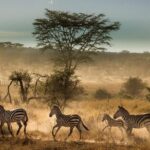
Real talk drawback: if your travel dates land outside the strongest migration months, you can still see plenty of wildlife, but river crossings may be less predictable. The upside is that even when migration is elsewhere, Serengeti delivers plenty of predators, grazers, and bird action.
A few more Arusha tours and experiences worth a look
Ngorongoro Conservation Area: sunrise start and the long crater approach
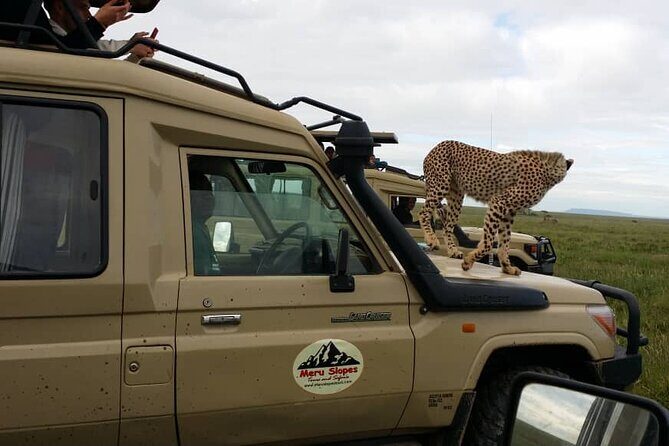
Ngorongoro adds a different style of wildlife viewing. Instead of broad plains, you’re working with a massive natural amphitheater where everything funnels—animals, birds, and dramatic scenery.
On the route day, you wake early, eat breakfast, and you’ll do an early game drive up to around late morning before heading toward Simba campsite for dinner and overnight. This timing helps because you’re arriving at the crater zone with a plan, not just stumbling around later.
You’ll also get the “sun rise” moment inside Serengeti on the way into the Ngorongoro day. Those early light changes aren’t just pretty—they affect how comfortable you feel on the ground and whether the day feels rushed or in control.
Ngorongoro crater floor: Big Five morning, black rhino, birds, and flamingos
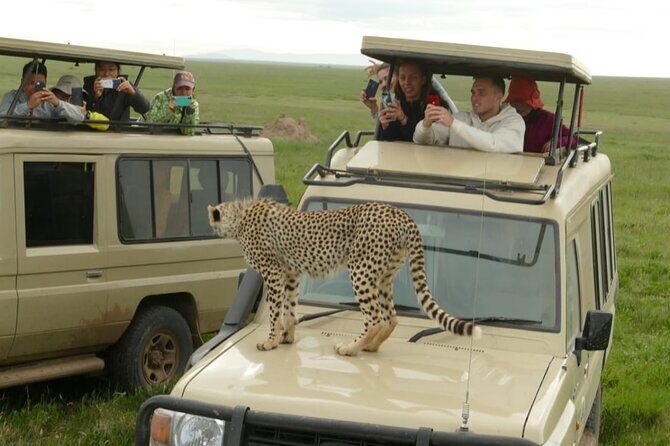
This is one of the most important days. You start very early—around 5:30—then descend into the crater floor. The schedule indicates you have a shot at all Big Five, plus black rhino is specifically mentioned as present inside the crater.
This is where the wildlife changes from “plains spotting” to “crater viewing.” The animals often feel closer because you’re looking into a natural bowl, and the bird life ramps up too. Lunch is planned inside the crater, and the timing includes seeing high concentrations of flamingos.
A useful expectation to set: you’ll likely be out for hours on the crater floor, followed by an ascent and packing before heading back to Jambo Lodge for dinner and overnight. It’s not a short day, but it’s a well-structured one.
Mto wa Mbu Village and banana plantations: culture that adds context
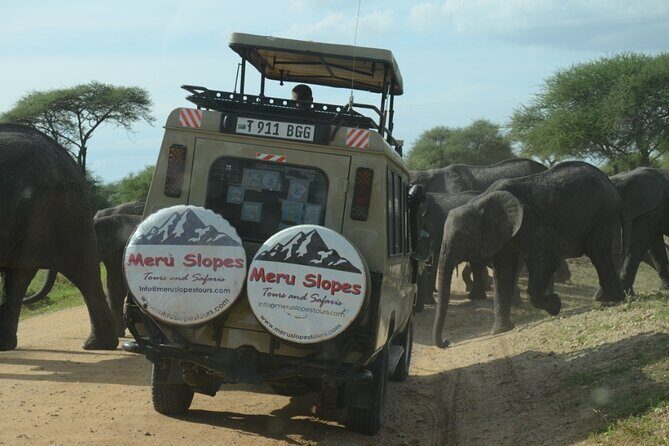
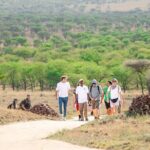
The cultural part here isn’t a random photo stop. After the crater experience, you head to Mto wa Mbu Village for a walking cultural tour. The schedule notes a community-focused program and activities connected to how local people live.
You can see banana plantations, and you’ll have a chance to taste Tanzanian foods during the visit. The tour format is also designed to be interactive rather than purely observational.
I like adding this kind of stop because it keeps the safari from feeling like one long wildlife-only blur. You get a sense of what “home” looks like beyond national park boundaries, and it makes the whole region feel more real.
If you like asking questions, bring them. This is the part where your curiosity pays off most.
Lake Manyara finale: flamingos, hot spring, tree lions, and a Maasai boma
Your last full park day is Lake Manyara National Park. Expect a mix of lake birds and standout behavior. The schedule highlights climbing tree lions, a flamingo scene (flamingos attracted by algae), and a hot spring visit.
The hot spring isn’t described in detail, so I won’t pretend you’ll know exactly how it feels until you’re there. But it’s a classic way to break up a game drive day with something different and memorable.
Then you add a Maasai boma visit to learn about traditions and daily life. Like the Mto wa Mbu stop, it’s the human side of Tanzania, not just a change of scenery.
The day ends with a drive back to Arusha for dinner and overnight, and then you’re back at the meeting point to wrap up.
Camping safari basics: what “budget” usually means on your body and schedule
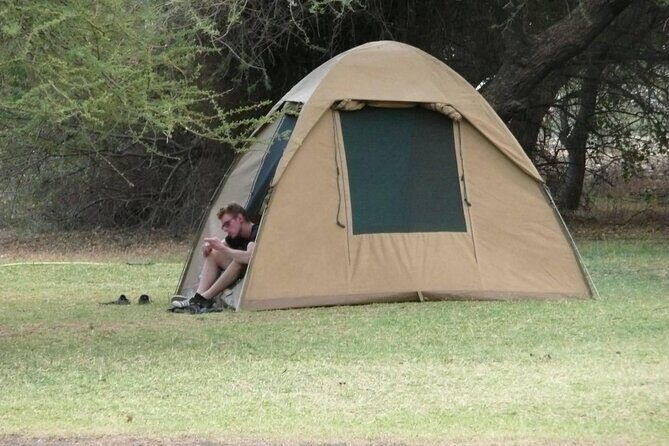
This is a camping safari style trip, and the main trade-off is comfort versus cost. The data confirms six nights of accommodation, plus two nights in Arusha town, meals included as listed, and unlimited mineral water.
What you should plan for:
- Early wake-ups and long drives are built in.
- You’ll spend lots of time in the vehicle, so pack for sun, dust, and chill mornings.
- Night comfort may be simpler than lodge travel. That’s not a deal-breaker, but it is part of the deal.
Good signs in the included list: mineral water is unlimited, coffee and/or tea are included, and there’s free WIFI inside the safari jeep (so you’re not fully cut off if you want to send a quick message).
Also, the tour mentions experienced guides in multiple languages, and the group is capped at six. That combo usually means you’ll get better communication and fewer “missed details” moments.
Guides and crew: why names keep coming up
Even in a budget safari, the guide can be the difference between lots of animal sightings and long stretches of “maybe soon.” The information you have here connects to several named guides and crew members: Gift as an organizer, Jerome as a contact person, and guides like Nuru, Robert, Mohamed (Moody), and Florian.
On food logistics, cooks and chefs named in the provided accounts include Saleem and Gideon. That matters because a camping safari lives and dies by meal timing and how smoothly the day runs between breakfast, drives, lunch breaks, and dinner.
So if you value competent people behind the scenes—this is the kind of operator that tends to focus on keeping the day moving.
What to pack (so you don’t suffer quietly)
You don’t need luxury gear. But you do need smart basics. For a camping safari across hot plains, early mornings, and crater days, I’d bring:
- A hat and sunscreen (Serengeti and Tarangire sun can be relentless)
- Light layers for early starts
- A small day bag for water and snacks
- Comfortable shoes with good grip for game-drive stops
- A camera strap or secure pouch (because you’ll be holding your position to photograph)
Also: hydration helps. You’ll have unlimited mineral water included, but you still need to drink steadily instead of relying on “I’ll catch up later.”
Who this Tanzania budget camping safari is best for
This trip fits best if you:
- Want a multi-park safari without paying for lodge-only luxury
- Like the idea of chasing the Great Migration window (especially June–September)
- Are okay with early mornings and long drives
- Prefer a small group (max six) where questions are welcome and not rushed
- Want culture added on purpose: Mto wa Mbu Village and a Maasai boma
It’s also designed for most people to participate, and children must be with an adult. If you’re traveling with kids, pack patience. Game drive timing is part of the rhythm.
Should you book this 6-day budget camping safari?
If your goal is the classic Tanzania hit list—Tarangire elephants, Serengeti plains, Ngorongoro crater Big Five, and Lake Manyara’s flamingos and tree lions—this booking makes sense. The value is strongest because meals, accommodation, transfers, guiding, and key extras like mineral water and emergency rescue are included.
I’d book it if:
- You want budget-friendly camping but still want solid organization
- You’re traveling during the strongest Great Migration months (June–September) or you’re comfortable with migration being variable
- You’re excited by the culture stops, not just wildlife
I might hesitate if you:
- Hate basic camping comforts and want lodge-only reliability
- Need very predictable schedules with minimal early mornings
If you’re flexible, curious, and ready for long-drive safari days, you’ll likely come away feeling like you got real Tanzania—wild animals, crater drama, and local life in the same week.
FAQ
What parks are included in this 6-day Tanzania safari?
You’ll visit Tarangire National Park, Serengeti National Park, Ngorongoro Conservation Area (including a crater visit), and Lake Manyara National Park.
Where does the safari start and end?
It starts at Arusha Tourist Inn (Sokoine Rd, Arusha) and ends back at the same meeting point.
Is pickup and drop-off from my accommodation included?
Yes. Return transport from your accommodation is available, and pickup and drop-off are included.
How much does the safari cost?
The price is $1,600.00 per person.
How many nights of accommodation are included?
Six nights of accommodation are supplied, including two nights in Arusha town.
What meals are included?
Breakfast, lunch, and dinner are included as listed in the package (breakfast and dinner for multiple days, plus lunches on safari days).
Is there emergency medical rescue included?
Yes. AMREF Flying Doctors emergency rescue is included.
Is WiFi available during the safari?
Yes. Free WIFI is available inside the safari jeep.
Are flights included in the price?
No. Flights are not included.