REVIEW · MOSHI
6-Day Kilimanjaro Marangu Climb
Book on Viator →Operated by Shah Tours Travel Ltd. · Bookable on Viator
Huts make Kilimanjaro feel human. On this 6-day Marangu route from Moshi, you sleep in permanent mountain huts instead of camping, and you follow a modified trail that’s designed for non-technical trekking. You’ll still earn that classic sense of high-altitude achievement as the scenery shifts from rainforest to the stark Kibo summit zone.
Two things I really like about this climb are the practical team support and the medical-minded pacing. You get trained, English-speaking guides plus twice-daily health checks with a medical oximeter, and there’s emergency oxygen included (one cylinder per five passengers). I also love that the program includes a trained cook and waiter, plus boiled drinking water from the first hut onward, so you can focus on walking instead of improvising survival.
One consideration: even on the easier Marangu route, the summit push is still serious. You start the final climb around midnight and spend long hours climbing and descending, and the shared hut setup means basic comfort—not privacy. Also, mountain food is sometimes a hit-or-miss thing, so plan to supplement with your own snacks if that matters to you.
In This Review
- Key highlights I’d bet on
- Marangu Route: The Hut Climb for First-Timers
- Moshi Pickup, Gate Transfers, and Your Daily Timing
- The 6 Days on Foot: Rainforest, Acclimatization, and Uhuru Peak
- Day 1: Marangu to Mandara Hut (Rainforest first)
- Day 2: Mandara area into Heather & Moorland (Longer day, big views)
- Day 3: Acclimatization toward Mawenzi’s ridge (High-alpine views)
- Day 4: Steady climb to the Kibo cone (Your summit night starts tomorrow)
- Day 5: Midnight start to Uhuru Peak (5895m) and back down
- Day 6: Rainforest descent to Marangu gate and back to Moshi
- What You Pay For: Value Beyond the Sticker Price
- Food, Water, and Hut Life (Plus the One Complaints to Know)
- Your Team Matters: Guides Who Watch Your Body, Not Just the Trail
- Gear, Fitness, and the Water Bottle Rule You Can’t Ignore
- Should You Book This Marangu Climb?
- FAQ
- How many days is the Kilimanjaro Marangu climb?
- What time does the tour start and where do I meet?
- Is this climb technical or does it require special climbing skills?
- Do you sleep in tents on this route?
- What does the tour include for food?
- Is there drinking water during the trek?
- Are emergency medical supplies included?
- Are meals and park fees included in the price?
- Is the pickup and transfer in Moshi included?
- Can I get a full refund if I cancel?
Key highlights I’d bet on
- Permanent hut nights on every overnight stop, so you’re not living in a tent for a full week
- English-speaking guides with KINAPA minimum ratios, plus structured acclimatization built into the route
- Twice-daily health checks and oximeter monitoring, with emergency oxygen available
- Built-in porter support and monitoring through the Kilimanjaro Porters Assistance Project
- A summit strategy with Gilman’s Point and Stella Point before reaching Uhuru Peak (5895m)
- Clear logistics from Moshi to the park gates with start at 9:00am and transfers included
Marangu Route: The Hut Climb for First-Timers
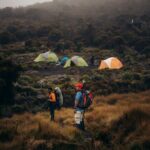
If you’re choosing Kilimanjaro based on comfort and logistics, Marangu has one big advantage: huts at each overnight stop. That changes everything. Instead of breaking camp, managing tent condensation, and sleeping on unstable ground, you’re dealing with altitude, cold nights, and route fatigue—but in a fixed structure.
It’s also called the Coca-Cola route because it used to be the most popular. Modern trekkers often prefer longer camping routes for acclimatization variety, but Marangu still works if you want something more straightforward and non-technical. The trail here comes up and goes down the same path, modified to be more climber-friendly. That matters because beginners often don’t just fear altitude—they fear the unknown of shifting terrain, gear routines, and decision-making. Marangu keeps the moving parts simpler.
The route is still tough in the way Kilimanjaro is tough. You’ll be walking in rainforest humidity, climbing into heather and moorland, then stepping into alpine desert and the cold, thin air near the summit. This is a serious mountain. The difference is you’re not building a full camp life each night.
A few more Moshi tours and experiences worth a look
Moshi Pickup, Gate Transfers, and Your Daily Timing
Most of the stress on Kilimanjaro comes from transitions—getting from Moshi to the park, getting registered, and moving between camp areas on time. This tour is built around those steps.
Your day starts at 9:00am with a meeting point at Shah Tours on Sekou Toure Way in Moshi. From there, you drive toward the park area, including time to reach Marangu village and the park headquarters. Later, the routine shifts to Marangu gate for trekking registration and your first trail day.
Transfers are included in two directions: from your Moshi-area lodge to the park gates, and from the gates back to Moshi after you finish. That means you’re not trying to negotiate rides right after a descent—when you’ll be tired and your legs will feel like they’re negotiating too.
One more practical win: luggage storage is included while you trek. And you get porter assistance—specifically one luggage porter per person for up to 15kg of personal luggage. Your gear needs to stay within the program’s rules, but having that load handled makes the uphill part feel more doable.
The 6 Days on Foot: Rainforest, Acclimatization, and Uhuru Peak
Kilimanjaro doesn’t feel like one mountain day after day. It feels like you’re moving through climate zones like chapters. Here’s how the climb unfolds, and what each part really does for you.
Day 1: Marangu to Mandara Hut (Rainforest first)
On your first walking day, you head into the mountain rain forest zone. This is where you’ll see the mountain’s living side—things like colobus monkeys and various birds and plant species can show up along the way.
You trek to Mandara hut. After resting there, you continue to the rim of Maundi Crater for views, including a good look at Mawenzi peak on clear days. Then you descend back to Mandara hut for the night.
What I like about starting this way: you’re not immediately thrown into altitude extremes. It’s still physical, but you’re warming up on the trail while the rainforest helps the day feel less brutal than the summit push.
Day 2: Mandara area into Heather & Moorland (Longer day, big views)
This hike takes you out of the rain forest and into heather and moorland. It’s a longer day than Day 1, and it’s often the moment you feel the mountain more clearly: Kibo and Mawenzi become visible in the background if the weather cooperates.
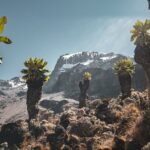
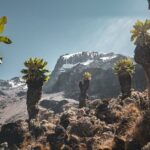
The trail has its own character here, including the giant Kilimanjaro groundsels—a plant you only really see in this park setting. If you like noticing details, this is where your senses come alive: cooler air, wide sky, and less greenery hugging the trail.
Day 3: Acclimatization toward Mawenzi’s ridge (High-alpine views)
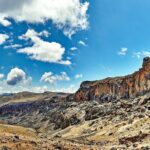
Your third day is built for acclimatization. You head toward the jagged peaks of the Mawenzi cone, trekking up to the rim of the Mawenzi ridge.
The alpine desert feel starts to show here. You’re in a more stripped-down environment—still tough, but it’s also one of the most visually rewarding parts of the route. You get dramatic views back toward both Kibo and Mawenzi.
Then you descend into heather and moorland to Horombo huts for a second night. The reason this works is simple: you’re gaining altitude exposure without jumping straight into summit-mode exhaustion.
Day 4: Steady climb to the Kibo cone (Your summit night starts tomorrow)
Now the route focuses on putting you in position for the final push. You climb directly toward the Kibo cone, moving through alpine desert where the terrain and air feel very different from the earlier days.
You reach the hut with time to rest for your summit attempt later that night. For most people, this is the day where you want to manage energy carefully—eat, keep moving at a steady pace, and don’t treat the final climb like it’s a sprint you can power through.
Day 5: Midnight start to Uhuru Peak (5895m) and back down
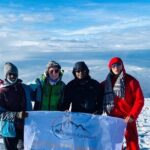
This is the famous day. Around 00:00am, you begin the final ascent through the arctic zone. Expect dark, cold night trekking and a steep hike over loose volcanic scree. The slow zig-zag pattern isn’t for style—it helps you avoid slipping and manage breathing at altitude.
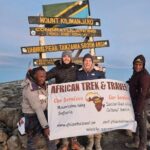
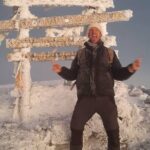
You reach Gilman’s Point first on the Kibo crater rim, then continue to Stella point, and finally to Uhuru Peak (5895m / 19341ft). You usually don’t stay at the summit long, and that’s because altitude is already doing the work. Then you descend back to base camp for breakfast/brunch, pack gear, and continue the descent through alpine desert, heather, and moorland to your night stop.
Yes, the day is listed as very long. Practically, it’s a mix of climbing, short breaks, and a longer return descent that matters for safety and fatigue.
Day 6: Rainforest descent to Marangu gate and back to Moshi
Your final day is a descent through the southeastern rain forest zone to Marangu gate. The crew typically leaves you there, and that’s a smart moment to wrap up thanks and handle optional tips as a token of appreciation.
Then you’re transferred by vehicle back to Moshi, where you’ll be dropped at your post-climb lodge.
What You Pay For: Value Beyond the Sticker Price
At $2,210 per person, this isn’t a cheap Kilimanjaro. But the price isn’t only the hike. It’s the safety net and support you’re buying, especially if you’re new to high altitude trekking.
Here’s what’s built in:
- Park fees and rescue/hut fees as applicable
- Trained guides (English-speaking) working at KINAPA minimum ratios
- A cook and waiter, plus utensils and eating setup
- Emergency oxygen (one cylinder per five passengers) and a first aid kit
- Twice-daily health checks plus a high-grade medical oximeter
- Boiled drinking water from the first hut onward
- Hut basics: mattresses, shared hut use, hand washing stations, wash basin, and shared toilets
- Meals: breakfast (5), lunch (6), dinner (5)
There’s also a human-value angle that matters on Kilimanjaro. You get porter assistance and monitoring under the Kilimanjaro Porters Assistance Project, tied to fair treatment standards. That doesn’t fix altitude, but it does shape the quality and respect of your whole experience.
What’s not included is also important: pre- and post-climb accommodation in Moshi, plus your personal trekking equipment (like sleeping bags, walking poles, and duffel bags). If you haven’t budgeted for gear or extra nights, check that early—otherwise the total cost can creep up.
Food, Water, and Hut Life (Plus the One Complaints to Know)
Hut life on Marangu is basic by design. The good news is that this tour aims to keep you functional rather than miserable.
You get boiled drinking water on trek from the first hut onward. That’s huge because water logistics on a mountain can turn into a headache fast. The huts also include hand washing stations and a small wash basin, with shared public toilet facilities.
Food follows the mountain reality: it’s meant to keep you moving, not win Michelin points. The included meals cover your energy through most of the climb: dinner 5 nights, breakfast 5 mornings, and lunch 6 times.
That said, one of the few negatives I saw is that mountain meals don’t always match everyone’s taste. If you’re picky, or you rely on specific foods to feel steady, bring a few personal snacks you know work for you (and keep them easy to access).
One comfort point: some people report warm water during the trek. The program itself lists hand-wash setups and boiled water, not a guarantee of warm showers—so don’t plan on spa life. Still, warm water shows up enough in feedback that it’s worth expecting better-than-rough conditions inside the hut routine.
Your Team Matters: Guides Who Watch Your Body, Not Just the Trail
This is where Kilimanjaro experience quality really lives. A good team doesn’t just lead you forward. It watches you for danger signs and adjusts pace.
The guide lineup changes by group, but the stories are consistent: Hamza and Focus are credited with caring for climbers on the summit push, and Calvin is specifically praised for noticing when someone was dealing with AMS. In that situation, Calvin stayed with the climber, carried a daypack and even a water bottle during the final stretch to the Kibo hut. That’s the kind of practical support that can turn a scary moment into a manageable one.
Other guide names that come up include Lightgody, Matei, Stanley, and Elisha. Across these examples, what people seem to value most is attention—help with pace, help with gear, and help with the physical side of altitude.
Also, your health checks and oximeter monitoring aren’t just paperwork. They’re the reason the guide can make real calls about whether to push, slow down, or focus on recovery during the acclimatization structure.
My advice to you: take symptoms seriously early. If you feel off, say something quickly. Don’t try to be tough and quiet about it.
Gear, Fitness, and the Water Bottle Rule You Can’t Ignore
This climb is non-technical, but it’s not casual. You should have strong physical fitness. It’s also not recommended for travelers with lung problems or other known altitude-related medical conditions.
Bring what the program doesn’t provide. Personal gear like a sleeping bag, walking poles, and a duffel bag are not included. If you’re unsure what to pack, start by fitting your list to your body: you need warmth for the night summit temperatures and sturdy support for scree and long descents.
Two additional practical constraints:
- Water on the first day is not included. After that, you have boiled drinking water from the first hut onward.
- Soft plastic is allowed for water storage, but metal and hard plastic bottles are not permitted on the mountain.
If you arrive with the wrong bottle type, it can create stress right when you want to focus on walking and acclimatizing.
Should You Book This Marangu Climb?
I think this tour is a strong fit if you want a hut-based Kilimanjaro and you’re trying to reduce camping logistics. The inclusion of guides, health monitoring, emergency oxygen, porters, and meals means you can spend your mental energy on the climb instead of running a mountain supply chain.
Book it if:
- You want a non-technical route with permanent huts
- You’d rather avoid camping and sleeping in tents
- You value health checks and safety equipment like emergency oxygen
- You like the idea of acclimatization through route design, not guessing
Consider skipping or switching routes if:
- You know you won’t handle the midnight summit push and long day demands
- You’re extremely sensitive to altitude risk and you need medical guidance beyond what’s listed here
- You’re very picky about food and you don’t want to supplement with your own snacks
- You’re hoping for private hut luxury (this is shared hut use)
If you’re mentally prepared for the altitude and physically ready for long hours, this is one of the more approachable ways to reach Uhuru Peak.
FAQ
How many days is the Kilimanjaro Marangu climb?
The tour runs for 6 days (approx.).
What time does the tour start and where do I meet?
The start time is 9:00am, and the meeting point is Shah Tours on Sekou Toure Way in Moshi (1821), Tanzania.
Is this climb technical or does it require special climbing skills?
This is described as a non-technical Kilimanjaro route.
Do you sleep in tents on this route?
No. This route uses permanent mountain huts at each overnight stop.
What does the tour include for food?
Breakfast is included for 5 days, lunch for 6 days, and dinner for 5 days.
Is there drinking water during the trek?
Boiled drinking water is provided on the trek from the first hut onward. Water on the first day of trek is not included.
Are emergency medical supplies included?
Yes. There is an emergency oxygen cylinder (1 per 5 passengers) and a first aid kit.
Are meals and park fees included in the price?
Yes. All fees and taxes are included, including park entry and hut and rescue fees as applicable, plus the meals listed.
Is the pickup and transfer in Moshi included?
Yes. There’s a transfer from a Moshi-based lodge to the park gates per group, and a transfer from the park gates back to a Moshi-based lodge per group.
Can I get a full refund if I cancel?
Free cancellation is available up to 24 hours in advance for a full refund. If you cancel less than 24 hours before the start time, the amount paid is not refunded.