REVIEW · ARUSHA
3Days luxury safari to Tarangire Ngorongoro crater and Manyara
Book on Viator →Operated by Dancing Simba Safaris · Bookable on Viator
Three parks, one classic northern circuit. This short luxury safari threads Tarangire, the Ngorongoro Crater, and Lake Manyara into a tight loop built for big sightings and great photos.
I especially like the open-roof 4WD Land Cruiser setup and the way meals and key costs (like reserve fees) are bundled in, so you’re not constantly budgeting mid-trip. You’ll also enjoy the private, your-group-only feel, which matters on game drives.
One consideration: in just three days, you can see a ton, but the exact Big Five moments still aren’t guaranteed. Safari is safari, and sometimes the animals simply don’t line up.
In This Review
- Quick hits before you go
- Tarangire in an Open-Roof Land Cruiser: Elephants First, Photos Always
- Ngorongoro Crater Descent: Black Rhino Country in One Long Day
- Lake Manyara’s Birds and Tree-Climbing Lions: A Softer Finale
- Luxury Safari Value: What $1,500 Really Buys in 3 Days
- Private Tour Energy: Your Guide, Your Pace, Your Opportunities
- What the Three Days Feel Like in Real Time
- Photo and Comfort Notes for Roof-Hatch Safari Days
- Who This Trip Suits Best (and Who Might Want More Days)
- Should You Book This 3-Day Dancing Simba Safari?
- FAQ
- Where does the safari start and end?
- How long is the safari?
- How much does it cost?
- Is pickup offered?
- Is this tour private?
- What’s included in the price?
- What is the main transport like?
- Does the safari target the Big Five?
- Can I cancel for a full refund?
- Is this safari suitable for most travelers?
Quick hits before you go
- Open-roof Land Cruiser with photographic roof hatch for real-angle wildlife photos
- Tarangire’s elephant herds and seasonal marshes for repeat chances at action
- Ngorongoro Crater descent into a caldera packed with rhino, cats, and big-bird variety
- Lake Manyara’s birds and tree-climbing lions for a different, more scenic pace
- Meals + reserve fees included, which makes this feel more “all-in” than many deals
Tarangire in an Open-Roof Land Cruiser: Elephants First, Photos Always
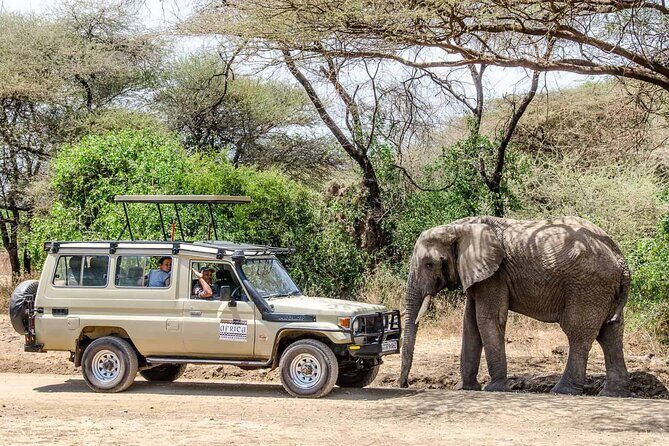
Day 1 starts with an Arusha pickup and a drive to Tarangire National Park, known for its tree-sown savanna and seasonal marshes. It’s also famous for holding one of the largest elephant herds in northern Tanzania—over 4,000 at the last count—so even if the day is cloudy, Tarangire tends to deliver.
You’ll get into the park in an open-roof jeep. That matters more than it sounds. With the roof hatch and open viewing, you can line up shots without constantly fighting for position through glass. And when you’re watching elephants move through the mud or lifting heads in the light, the extra angle is pure gold.
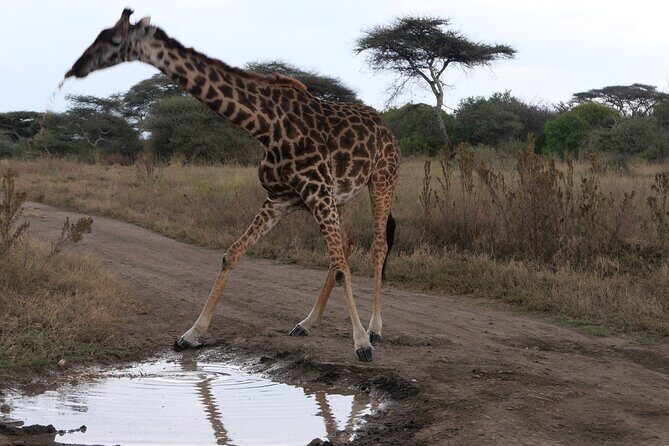
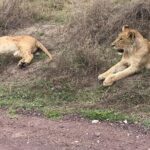
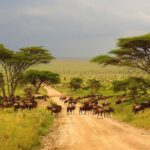
Game viewing here is broad. You might spot giraffes, buffalo, lions, zebras, wildebeest, and multiple antelope types. I like how Tarangire gives you both “big moment” wildlife and constant smaller scenes—warthogs near water, giraffes silhouetted against the sky, and birds you’ll never find easily anywhere else.
For lunch, the plan includes a picnic stop. That’s not just convenient. It keeps the drive time from swallowing the whole day, and it gives you a proper reset before the afternoon game drive. By late afternoon, you’ll head to your accommodation inside/near the park area, so you can settle in without rushing again later.
What I’d watch for on Day 1: elephants in motion (crossings and dust-raising moments), and giraffe groups near water sources. When Tarangire is working, it works early and often.
A few more Arusha tours and experiences worth a look
Ngorongoro Crater Descent: Black Rhino Country in One Long Day

Ngorongoro Conservation Area is the centerpiece day. After breakfast, you drive to the gate area where your guide explains what to expect and gives time for photos before you head inside. Then you’ll stop at a viewpoint for more information and pictures—so you’re not just “going down,” you’re getting context first.
The highlight is the crater itself: the world’s largest intact volcanic caldera, a natural bowl where wildlife gathers in surprisingly tight space. You descend into a place with forested slopes, open zones, and changing terrain as you move. That mix is why Ngorongoro can feel like several safaris in one day.
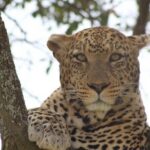
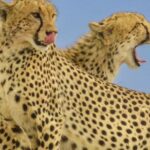
Wildlife possibilities are broad and specific here. You have chances for black rhino (always a big deal), lions and leopards, elephants, and gazelles like Grant’s and Thomson’s. The crater also supports mountain reedbucks and buffalo, while the surrounding habitats can bring in spotted hyenas and even rare wild dogs—if luck is on your side.
Birding is another huge reason Ngorongoro earns its reputation. The area is listed at more than 500 bird species, so even if big mammals are quiet at a certain moment, you still have something happening with raptors and other birds.
Lunch is a picnic inside the crater zone, followed by an afternoon drive back out. I like this timing. You get the morning push for animals while light is good, then you keep momentum through the day instead of switching to a “drive-only” mode.
Possible drawback: the crater is amazing, but it’s also a high-demand spot. If you’re traveling with a wish-list like black rhino at close range or a leopard sighting, be realistic: you might not get everything. Still, Ngorongoro consistently gives that National Geographic-style density—when you’re looking at the right patch of ground.
Lake Manyara’s Birds and Tree-Climbing Lions: A Softer Finale
Day 3 shifts gears from crater intensity to a more “easy on the eyes” park: Lake Manyara National Park. This area is known for birds and for tree-climbing lions, plus a dramatic western escarpment that forms the Rift Valley border. To the east sits the shallow, alkaline lake, which changes with the seasons.
One reason Manyara feels different: the lake flooding and drying with seasons means the park can look and behave differently across months. During the rains, the plan notes that the lake can host thousands of flamingos. Even outside peak flamingo seasons, Manyara tends to keep bird life active.
The name Manyara is linked to the Maasai word emanyara, associated with a plant used for protective homestead enclosures. It’s a small cultural detail, but it helps you remember this isn’t just scenery. It’s country with meaning for local people.
Vegetation is varied—ranging from savannah to evergreen forest. That matters because different animals use different cover. Lions, for example, can be easier to spot when they’re active in or near trees, while birds can be found where the habitat changes.
You’ll continue the day with game viewing and the chance to spot animals like giraffes and other savanna species. If your timing is right, you might also see hippos around lake edges and more water-associated wildlife.
What I’d expect from Manyara: a more relaxed day of sightings and photography compared to the long crater descent day. It’s also a great chance to slow down and enjoy the variety, especially if you want more birds in your photos.
Luxury Safari Value: What $1,500 Really Buys in 3 Days
At $1,500 per person, this is not a budget safari. But in three days, it’s trying to do a lot: Tarangire elephants, Ngorongoro crater big mammals, and Lake Manyara’s birds and tree-climbing lions.
Here’s what makes the price feel more “worth it” than a lot of cheaper packages:
- 4WD Land Cruiser transport with a photographic roof hatch and pickup included
- Park/route fees covered (wildlife reserve fees are included)
- Meals included: breakfast (3), lunch (3), and dinner
- Private tour (only your group), which usually reduces waiting and speeds up decisions on where to stop
- Camping equipment included, which signals a fully handled safari setup rather than a barebones plan
Also, the tour is built for efficiency. On average it’s booked about 10 days in advance, which suggests it’s planned as a real product, not an afterthought.
That said, luxury in safari terms mostly means comfort and smoother logistics, not magic guarantees. You’re still working with wildlife timing and animal behavior. If you want a “guaranteed Big Five” promise, no three-day route can honestly sell that.
Private Tour Energy: Your Guide, Your Pace, Your Opportunities
This is a private tour/activity, meaning only your group participates. That changes the vibe fast. In a busy park, shared group tours can mean you’re pulled along by someone else’s schedule. With private touring, you can often spend more time where the action is, then move when it’s time rather than waiting for the last person to catch up.
Your driver and guide matter too. In the provided feedback, specific team members get credited for being helpful, kind, and quick to create good viewing angles for photos. Names like David show up repeatedly, along with guides/crew such as Ombeni, Lunje, Lucas, and others (including Proches, Dennis, and Jackson in different accounts). The consistent theme is clear: you’re not just driven around; you’re coached on where to look and how to watch.
If you care about photography, this matters even more. With the open roof hatch, your guide’s habit of positioning the jeep matters for angles. It can mean the difference between a blurry silhouette and a sharp frame.
The best part of a good guide: they don’t waste your time. They help you notice what’s happening right now, not just what happened ten minutes ago.
A few more Arusha tours and experiences worth a look
What the Three Days Feel Like in Real Time
The flow of this safari is built on momentum.
- Day 1 (Tarangire): lots of animals early, plus a picnic lunch and more wildlife in the afternoon, then you sleep close to the action.
- Day 2 (Ngorongoro): longer-feeling crater day with viewpoint stops, a full crater game drive, picnic lunch, then departure back to accommodation.
- Day 3 (Manyara): a bird-and-habitat day with dramatic Rift Valley framing and a more varied “feel” than the crater.
You’ll be moving through serious wildlife terrain, so plan for some long sitting time. That’s normal. It’s also why the vehicle setup is part of the value: a comfortable 4WD with open viewing keeps the hours from feeling like punishment.
Photo and Comfort Notes for Roof-Hatch Safari Days
Because you’ll be riding with open-roof viewing and a photographic hatch, your comfort setup should match the reality of being exposed to sun and dust.
Practical mindset:
- Bring sun protection and something for the eyes.
- Expect dust and plan to wipe down quickly after drives.
- Keep camera straps secure and your lens hood ready, since you’ll be shooting from changing angles.
Also, don’t underestimate temperature changes. Parks near Arusha can shift from warm midday to cooler mornings, especially with early starts. You’ll be outdoors a lot, even when you’re eating, so dress in layers you can adjust fast.
Who This Trip Suits Best (and Who Might Want More Days)
This is a strong fit if you:
- Want three iconic northern Tanzanian destinations without spending a whole week in transit
- Like the idea of an all-in feel with meals and reserve fees included
- Care about photography and want an open-roof jeep for better viewing angles
- Enjoy the classic safari mix: elephants and cats at Tarangire and Ngorongoro, plus birds and habitat variety at Manyara
You might consider more days (or a different route) if you:
- Need guaranteed sightings of very specific animals. Safari outcomes vary, and even Ngorongoro can have quiet moments.
- Prefer slower pacing with longer drives between fewer activities. This itinerary is compact by design.
Should You Book This 3-Day Dancing Simba Safari?
If your goal is to hit Tarangire + Ngorongoro + Lake Manyara in a tight window, this tour makes a lot of sense. You’re paying for a smooth, handled setup: pickup, 4WD with photo-friendly viewing, reserve fees, and meals. That’s where the value lives.
I’d book it if you’re excited by the idea of seeing huge elephant country, doing the crater descent into a high-density wildlife bowl, and ending with birds and the chance of tree-climbing lions. It’s a classic circuit done in a modern, comfort-minded way.
I’d pause and shop around if you’re traveling for only one park experience or you’re chasing a single animal with absolute certainty. For many people, that’s not how safari works. But if you’re flexible and ready to enjoy the full animal variety across three very different habitats, this is a smart choice.
FAQ
Where does the safari start and end?
It starts in Arusha, Tanzania and ends back at the meeting point.
How long is the safari?
The safari duration is about 3 days.
How much does it cost?
The price is listed as $1,500.00 per person.
Is pickup offered?
Yes, pickup is offered.
Is this tour private?
Yes. It’s a private tour/activity, and only your group participates.
What’s included in the price?
Included items are dinner, breakfast (3), lunch (3), 4WD transport with a photographic roof hatch, wildlife reserve fees, and camping equipment.
What is the main transport like?
You’ll use a 4WD Land Cruiser with a photographic roof hatch for game viewing.
Does the safari target the Big Five?
The description says you’ll have the chance to see members of the Big Five, including lion, leopard, buffalo, Black Rhino, and elephants.
Can I cancel for a full refund?
Yes. There is free cancellation, and you can cancel up to 24 hours in advance for a full refund.
Is this safari suitable for most travelers?
The info provided says most travelers can participate.