REVIEW · TANZANIA
2 Day Massai Village Experience (all-incl.)
Book on Viator →Operated by Small World Social Travel · Bookable on Viator
A warm welcome beats any postcard. This all-in Maasai village experience near Lake Manyara centers on real daily life with Mr. Kipelyan Olesisian, known as Kipe Laizer, plus a night in a traditional hut. I like that the plan mixes culture with hands-on farm tasks (think milking cows, herding goats, and crafts), not just a quick photo stop, and I like that it ties your visit to conservation and community support through Kipe Adventure’s 20% profit donation.
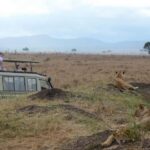
One thing to consider: this is primarily a cultural and community itinerary, not a full-on classic safari schedule. If what you want most is long wildlife-drive time in the park, you’ll need to set expectations accordingly and treat this as a meaningful detour into Maasai life.
In This Review
- Quick hits before you go
- Oltukai Maasai Village and Kipe Laizer: what makes it feel real
- Day 1: Lake Manyara National Park area and the hands-on Maasai rhythm
- The hut night at Oltukai: what you’re really signing up for
- Day 2 at Lake Manyara: sunrise, school moments, and the waterhole lesson
- Food, transport, and what the all-in price really covers
- Logistics that matter on the ground: meeting point, time, and comfort
- Who this Maasai village experience suits best
- Should you book this 2-day Maasai village visit near Lake Manyara?
- FAQ
- How long is the Maasai Village experience?
- Where is the meeting point?
- Does the tour include pickup?
- What is included in the price?
- Is the conservation fee included or extra?
- Is mobile ticketing provided?
- What kind of activities are planned?
- What is the maximum group size?
- What is not included if I want to leave the village?
Quick hits before you go
- Meet Kipe Laizer and learn from a local conservation-minded Maasai warrior, not a script.
- Stay overnight in a traditional Maasai hut for a closer look at daily routines.
- Hands-on village activities include milking cows, herding goats, and Maasai crafts.
- Lake Manyara sunrise and school time give the day a warm, human rhythm.
- Group size stays small (max 15), which helps the experience feel personal.
- Food and transport are included, and conservation fees are covered.
Oltukai Maasai Village and Kipe Laizer: what makes it feel real
This experience is built around a specific Maasai community near Lake Manyara: Oltukai Maasai Village. You’re not just visiting a set piece. You’re spending time with people who are actively working on conservation and community needs, with Kipe Adventure donating 20% of its profit to support vulnerable children and orphans in Kipe’s village (Oltukai).
In practical terms, that means your money isn’t only paying for a tour. It’s also feeding into local priorities like clean water, food, and education for children in the village. That kind of link is what turns a cultural visit from a feel-good afternoon into something with lasting impact.
What I especially liked from the reported vibe is how personal the welcome can be. One review described Kipe welcoming a father and his 9-year-old son into his family setup in a way that felt safe and comfortable. Another mentioned tea and dinner in Kipe’s mother’s hut—exactly the kind of detail that signals this isn’t a rushed, performative meet-and-greet.
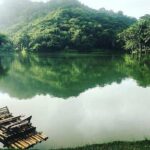
And yes, the location matters. Being near Lake Manyara puts you in one of Tanzania’s iconic safari regions. Even when the focus is village life, the sky, the light, and the big-open feel of the area are part of the experience.
A few more Tanzania tours and experiences worth a look

Day 1: Lake Manyara National Park area and the hands-on Maasai rhythm
Day 1 is where the tour starts blending scenery with day-to-day Maasai life. The itinerary includes Lake Manyara National Park access time (listed as 12 hours, with admission ticket free). From the way the day is described, you’re not doing a generic drive-and-walk. You’re learning how Maasai households relate to the land around them.
Here’s what you can expect on Day 1 based on the provided activity list:
- Interaction with local people and learning about customs, beliefs, and practices
- Farm-style activities such as milking cows and herding goats
- Making traditional Maasai crafts
- Time outdoors with views of the savannah and a conservation angle on what Maasai stewardship can look like
This is the day that tends to feel most different from city travel. It’s practical, physical, and grounded. If you’re the type who prefers doing over watching, you’ll likely enjoy this part. If you’re sensitive to dust, bugs, or getting hands-on with farm tasks, just know you’re choosing an active cultural experience, not a museum visit.
A small but important note: the tour is scheduled around a half-day or full-day window (12 hours is listed). That can be great because it reduces the “hurry up, stand here” feeling. It also means you’ll want to keep your energy up and dress for outdoor work.
The hut night at Oltukai: what you’re really signing up for

The standout promise here is an unforgettable night in a traditional Maasai hut. That’s a big deal because sleeping there changes the tone of everything. It’s one thing to meet people in daylight; it’s another to settle in where family life keeps going after visitors leave.
One of the best-reviewed details is the warmth and comfort visitors felt—one review specifically said they felt completely safe and comfortable, and they enjoyed tea and dinner in Kipe’s mother’s hut. Those details matter because they hint at how the host family expects visitors to show up: with respect, patience, and a willingness to be treated as a person, not a transaction.
How should you prepare mentally?
- Expect simple, communal living rather than hotel routines.
- Plan to spend more time talking and observing than changing activities every hour.
- Bring a flexible attitude: traditional hosting often runs on human pacing, not a strict timetable.
Also, with a maximum of 15 travelers, you’re less likely to feel like a numbered stop in a big conveyor belt. Smaller groups tend to make conversations easier, especially when people are hosting you in and around their home space.
If you’re traveling with kids, this can be a good fit. One review involved a 9-year-old, and the experience was described as comfortable and safe. Still, use your own judgment based on your child’s flexibility and comfort around farm environments and overnight stays.
Day 2 at Lake Manyara: sunrise, school moments, and the waterhole lesson
Day 2 begins with sunrise over Lake Manyara, which is one of those travel gifts that doesn’t require a fancy itinerary. Waking up to that light, then transitioning into community time, is a strong emotional arc for this tour.
The itinerary includes a school component, with time spent with children described as laughter, learning, and shared dreams. This isn’t framed as a charity drop-in where you just hand over supplies. It’s framed as time with the local school—so approach it like a visit that requires patience and basic respect.
The plan also offers an alternative focus: you can spend time at the waterhole, described as a life source that sustains daily survival. That matters because it explains the stakes behind the tour’s community-support goals. When a program talks about clean water and education, you’ll understand the practical weight of those phrases once you’ve seen how central water is to life here.
One of the quiet benefits of a second day is that it gives you time to “land.” Day 1 can be busy—meeting, learning, doing farm tasks. Day 2 shifts toward connection and understanding. It’s usually easier to remember faces and names here, and it’s where you may feel the impact most.
Food, transport, and what the all-in price really covers
At $468.65 per person for about 2 days, this isn’t a cheap add-on. But the value story is clearer once you look at what’s included:
- Dinner and breakfast
- Private transportation
- Conservation fee included (and listed as not requiring extra payment)
That combination reduces surprise costs. Many “cultural village” tours in Africa can look affordable until you add the transport and park or conservation charges. Here, those are already covered in the package details you provided.
You also get pickup offered and a mobile ticket, which is the kind of operational detail that makes early-day logistics less stressful.
What isn’t included is also worth noting. If you want to go out of the Maasai village during your visit, transportation to the main road is listed at $20. That’s a small line item, but it’s good to know because it helps you decide whether you’ll stay fully within the village plan or try to add extra errands.
Group size matters here too. With a maximum of 15 travelers, you’re not paying for solitude, but you also aren’t getting a huge group experience. In practical terms, small groups often mean you can ask questions and interact more naturally.


Logistics that matter on the ground: meeting point, time, and comfort
The meeting point is:
TotalEnergies MAKUYUNI SERVICE STATIONA104, Junction To Karatu, Dodoma Rd, Makuyuni 00000, Tanzania
The activity ends back at the meeting point. Opening hours are listed as 12:00 AM to 11:30 PM, seven days a week, so your day’s exact timing will likely depend on the schedule set for your specific booking.
Moderate physical fitness is required. That doesn’t mean you need to be an athlete, but it does mean you should expect outdoor time and some movement around village tasks. If you have mobility limits, I’d treat that as a real filter—not a technicality.
One more practical detail: the tour is described as having confirmation rules depending on when you book (with faster confirmation if you book close to travel). That’s not for you to memorize, but it’s worth keeping in mind if your plans are tight.
And yes, you’ll want to think about what “traditional hut” means for comfort. Even without a list of amenities, you can prepare by bringing the basics you’d want for outdoor overnight weather and a multi-day schedule.
Who this Maasai village experience suits best
This is a great choice if you:
- Want culture with context, tied to conservation and support for children
- Like hands-on activities more than passive sightseeing
- Value a smaller group size and a more personal welcome
- Prefer meaningful human interactions in a real community setting
It can also suit families, at least based on the reported 9-year-old experience, as long as your kid is comfortable with staying in a village environment and participating in daily routines respectfully.
It may not be the best fit if you:
- Want a schedule dominated by long, wildlife-only safari drives
- Don’t enjoy outdoor farm settings or hands-on tasks
- Need hotel-style comfort and predictable amenities for the night
The good news: the itinerary is short—two days—so you can treat it as a focused cultural stop that complements a broader Tanzania plan.
Should you book this 2-day Maasai village visit near Lake Manyara?
If you’re looking for a tour that feels human, supports community needs, and gives you more than just a photo, this booking makes sense. The strongest reasons to say yes are the specific host connection around Kipe Laizer, the hands-on Day 1 activities (milking, herding, crafts), and the overnight in a traditional hut that gives you a real sense of home life rather than a quick visit.
I’d especially recommend it if you care about sustainability in a practical way—your trip is tied to conservation fees and described community support for clean water, food, and education. That’s the kind of impact that’s easier to stand behind when you also get to meet the people doing the work.
The one reason to pause is if your main goal is wildlife spotting and safari driving time. This experience is about Maasai community life near Lake Manyara, not replacing a full safari circuit.
If you want a meaningful cultural experience in a world-famous safari region—without the mass-tour feeling—this is the kind of two-day trip that can change how you pay attention when you get home.
FAQ
How long is the Maasai Village experience?
It runs for 2 days (approximately).
Where is the meeting point?
You start at TotalEnergies MAKUYUNI SERVICE STATIONA104, Junction To Karatu, Dodoma Rd, Makuyuni 00000, Tanzania.
Does the tour include pickup?
Yes, pickup is offered.
What is included in the price?
The package includes dinner, breakfast, private transportation, and a conservation fee.
Is the conservation fee included or extra?
The conservation fee is included and does not have to be paid extra.
Is mobile ticketing provided?
Yes, mobile ticket is included.
What kind of activities are planned?
You’ll have cultural interaction with the Maasai community and activities such as milking cows, herding goats, and making traditional Maasai crafts. Day 2 includes time with the local school and time at a waterhole.
What is the maximum group size?
The tour has a maximum of 15 travelers.
What is not included if I want to leave the village?
If you want to go out of the Maasai village during your visit, transportation to the main road is listed at $20.