REVIEW · DAR ES SALAAM
Bagamoyo Historical Tour – Everyday
Book on Viator →Operated by Dove Adventure Tanzania · Bookable on Viator
Bagamoyo tells stories you cannot ignore. This private full-day trip from Dar es Salaam takes you through key sites of a town that once drove trade and watched empires rise and fall, with stops tied to the port, the German era, and nearby mangrove and beach scenery. I especially like that you get a true pace to match your questions, not a rushed tick-box circuit.
I also like the practical value baked in. Air-conditioned transport is included, and you’ll have admission tickets covered for each major historical stop, which helps you avoid surprise add-ons on the day. The vibe is steady and well-run too; praise highlights drivers such as Derrick for prompt pickup and safe driving, and guides such as Sadiq for clear, connected storytelling across the different periods.
One consideration: the history here includes forced captivity and the journey from holding cells to ships, so this is not a light, carefree outing. If you’re sensitive to heavy topics, plan how you want to mentally pace the day.
In This Review
- Key points you’ll remember
- Why Bagamoyo Still Feels Like History You Can Walk On
- Price and What You Really Get for $199
- Getting From Dar es Salaam: Pickup and a Long, Comfortable Day
- Old Arab Fort of Bagamoyo: The Port’s Underground Route
- Old Boma: German-Era Power and a Capital That Moved
- Kaole Ruins: Mosques, Tombs, Wells, and Trade in Stone
- Bagamoyo Museum and the Holy Ghost Mission: Churches, Livingstone, and Memory
- Mangrove Forest and Beach Time: Why the Coastal Setting Matters
- Pacing, Questions, and the Real Benefit of a Private Guide
- What to Bring and How to Plan Lunch
- Weather and Practical Odds on Day-of Day
- Who Should Book This Bagamoyo Historical Tour
- Should You Book It
- FAQ
- How long is the Bagamoyo Historical Tour?
- What time does the tour start?
- Is pickup included?
- What places do you visit?
- Are admission tickets included?
- Is lunch included in the price?
- What is the tour price?
- Do you need to print tickets?
- What happens if the weather is bad?
- What is the cancellation policy?
Key points you’ll remember
- A private day that connects the port, German rule, and Arab settlement in one route
- Included tickets at Old Arab Fort, Old Boma, Kaole Ruins, and Bagamoyo Museum
- Old Arab Fort details the slave-holding-to-dhow route, including underground tunnels
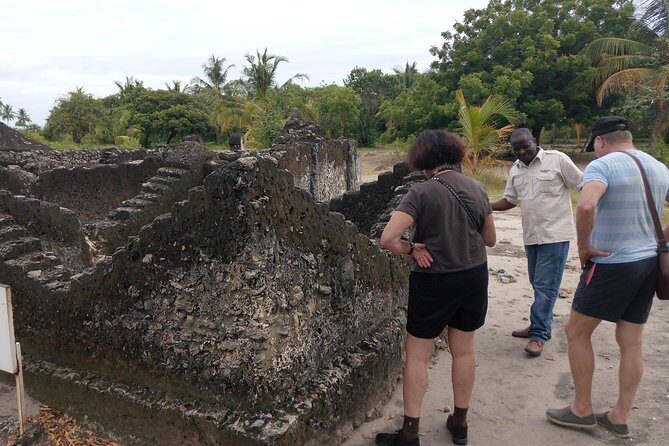
- Kaole Ruins shows early Arab settlement patterns with mosques, tombs, wells, and graves
- Holy Ghost Mission Museum links to David Livingstone and early mission history
- You get local surroundings too, including mangrove forest and beach areas
Why Bagamoyo Still Feels Like History You Can Walk On
Bagamoyo sits on Tanzania’s coast in a place that makes sense when you see it in person. It was a major trading center and even served as the former capital of German East Africa before that role moved to Dar es Salaam (Mzizima). That change didn’t happen by accident—port conditions mattered, and the town’s story is built around who could ship goods, and who could control movement.
What makes this tour compelling is that it doesn’t treat history like trivia. You move between sites that all relate to the same big themes: trade, colonial power, and the human cost of the slave route that fed ships at the harbor. Even the coastal surroundings help you understand why this spot mattered so much.
This is also a good tour format for real travelers. A private setup means you can slow down when something hits you, and you can speed up when you just want to get to the next viewpoint.
You can also read our reviews of more historical tours in Dar es Salaam

Price and What You Really Get for $199
At $199 per person, you’re paying for an all-day guided route with transport and paid site access baked in. The big value piece is that admissions are included for the major stops, and all fees and taxes are handled for you, so your day stays predictable.
You do need to account for one extra cost: lunch is not included. That’s normal for a lot of day tours, but it’s still worth planning so you’re not scrambling in the middle of your route.
Also worth noting: the tour typically gets booked about 21 days in advance on average. That’s a clue that prime days can fill up, especially in high season, so if your dates are fixed, booking early is smart.
Getting From Dar es Salaam: Pickup and a Long, Comfortable Day
This runs about 8 hours and starts at 8:00 am, with pickup offered. That early start helps you use the day well, and it also gives you a better shot at daylight for the coastal parts of the experience.
The vehicle is air-conditioned, which matters on a coastal day when heat and humidity can build fast. It also makes it easier to settle in for a history-heavy day without feeling wiped out before you even reach the first site.
The tour is also set up for small-group comfort, with a maximum of 100 travelers. Since it’s private, you should expect the experience to feel more tailored than a huge bus excursion, but it still helps to know the upper limit.
Old Arab Fort of Bagamoyo: The Port’s Underground Route
Old Arab Fort is the kind of place where you feel the weight of what happened, because the physical layout supports the story. This site functioned as a prison where enslaved people were held before they were herded through underground tunnels toward dhows waiting at the harbor. The journey began there, and the tour’s explanation connects that route to the start of an unknown world.
You’ll spend about 1 hour here, and admission is included. That hour is usually enough to walk the grounds, take in the structural details, and let your guide connect the dots between the fort, the harbor, and the wider trade network.
Practical reality check: plan for an emotionally intense stop. The subject matter is clear and direct, and the fort is part of the chain that led to forced migration. If you want to take breaks, do it here—don’t wait until you’re already drained.
Old Boma: German-Era Power and a Capital That Moved
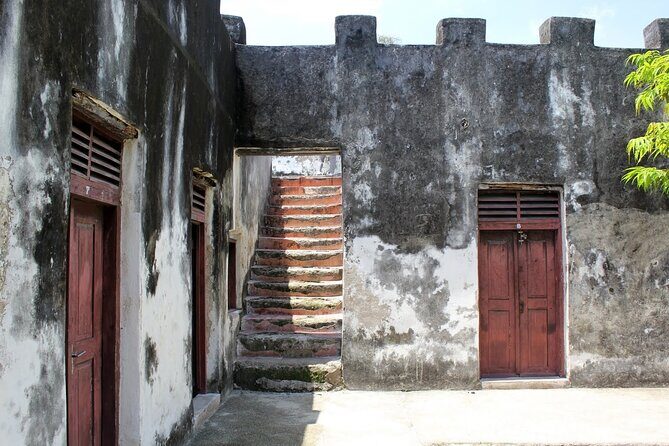
Old Boma is a different kind of history: colonial administration made visible in stone. It’s an old state house built by the Germans at the end of the 19th century, designed as a residence for area leaders. It was only used for a few years because the German capital shifted to Mzizima (Dar es Salaam), with shallow water depth at the Bagamoyo port being part of the reason.
This stop is shorter—around 30 minutes—with admission included. That duration works well because the building is about context rather than a long museum-style route. Your guide’s job here is to explain why a residence for power was set up where it was, and why port depth could change the fate of a city.
If you like seeing how geography shapes politics, you’ll appreciate this stop. Bagamoyo wasn’t just important because it was famous—it was important because ships could move, and if the port couldn’t handle what empires needed, the center of gravity shifted.




Kaole Ruins: Mosques, Tombs, Wells, and Trade in Stone
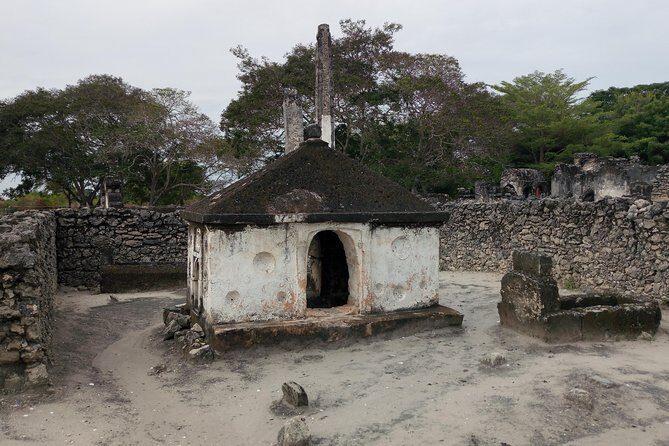
Kaole Ruins is one of the best stops on a historical route because it’s both archaeological and geographically grounded. The site includes the remains of the first settlement of Arab foreigners in Bagamoyo, plus archaeological features where excavations have been part of understanding the past.
You’ll spend about 1 hour here, with admission included. Kaole was originally settled in the 8th century as a trading town, and the ruins you see generally relate to structures from a period between the 13th and 16th centuries. The structures include houses, mosques, water wells, and graves of people who died there.
Two mosques and about 30 tombs are specifically part of the site’s description, which helps you picture what kind of community this was. It’s not just scattered stones—it reads like daily life and settlement planning left behind in layers.
A small but useful tip: take your time with the “water” elements, like the wells, because they connect the site to why trade settlements lasted. Water access is unglamorous, but it’s exactly what keeps people living in one place long enough to build.
Bagamoyo Museum and the Holy Ghost Mission: Churches, Livingstone, and Memory
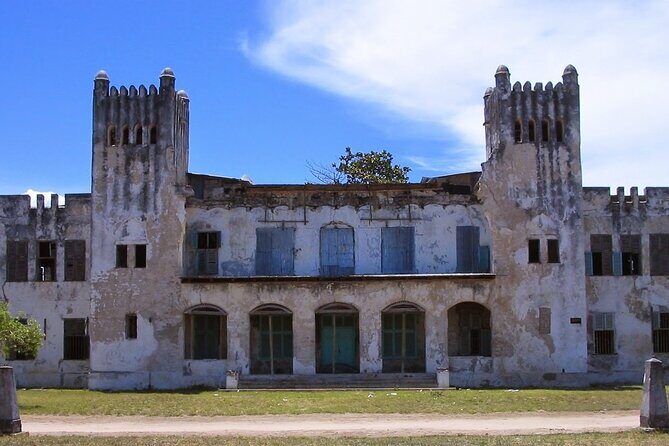
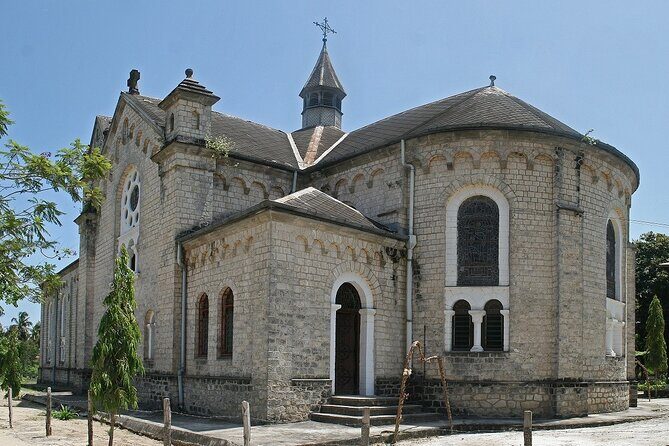
Bagamoyo Museum is centered on the Holy Ghost Mission story, and it’s powerful because it mixes architecture, missionary history, and memorial exhibits. The original Holy Ghost Church was built in 1872 and is reportedly the oldest church on the mainland of East Africa. The Sisters’ House was built in 1876 and later converted into the Roman Catholic Mission Museum.
There’s also a David Livingstone connection. In 1874, he was interred for a night at the Holy Ghost Mission, and the Livingstone Tower is named in his honor. If you’ve seen Livingstone’s influence in other East African contexts, this is one more place to anchor those stories to a specific location.
Your museum time is about 1 hour, with admission included. The exhibits include sentimentally touching material such as photographs of slaves tied together with chains to their necks, along with displays about missionary work and conversion to Christianity, plus books and booklets connected to that history.
This stop can feel like two things at once: a historic church/museum and a space for memory and reflection. If you’ve already felt the emotional intensity at Old Arab Fort, this museum may hit differently, with more of a memorial and interpretive tone.
Mangrove Forest and Beach Time: Why the Coastal Setting Matters
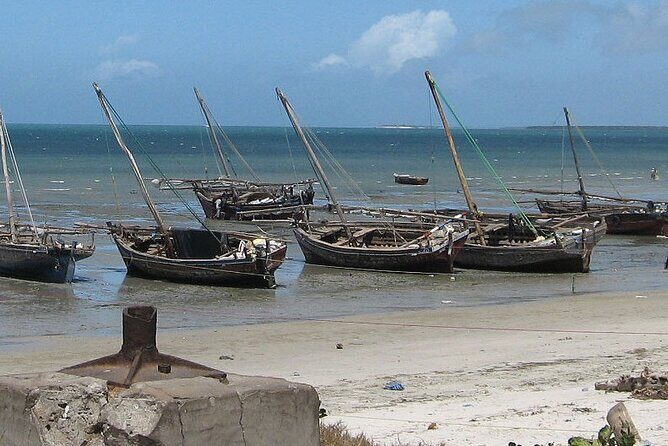
The tour isn’t only buildings and ruins. The overall experience includes your guide showing you the surrounding mangrove forest and beach areas that shaped Bagamoyo’s role as a port and trading stop.
Even when you’re not on a specific named lookout, the coastal environment helps you understand logistics. Mangroves link to tides and water movement, and coastlines connect trade routes to real human travel. Without that context, history can feel disconnected from daily life.
This also helps explain why the day feels full without being nonstop. You get transitions between sites, and those transitions matter when you’re trying to absorb a long slice of time—from Arab trade settlement to German colonial decisions and early mission activity.
Pacing, Questions, and the Real Benefit of a Private Guide
Here’s where the private format becomes more than a buzzword. Since you can go at your own pace, you’re not forced to move at the speed of strangers. That matters on a day like this, where some stops may need longer thinking time.
If you’re the type who likes context—how one event leads to another—you’ll likely enjoy how the guide ties periods together across the route. Praise for guides like Sadiq points to a thorough overview of town history and culture, which is exactly what you want for a place where multiple eras overlap.
Also, the “ask anything” freedom can improve your experience even if you don’t speak much. You can ask short questions, then let the answer steer what you look at next. It turns the day from a series of stops into a connected story.
What to Bring and How to Plan Lunch
Because the day runs about 8 hours, treat it like a real outing. Wear comfortable walking shoes for ruins and uneven ground, and bring a hat or something to block sun during coastal hours.
Since lunch is not included, plan your food strategy. Either eat before you start, budget for lunch during your free time, or pack a snack so you don’t lose your energy when the schedule runs long.
Don’t forget basic heat and hydration habits. Even with air-conditioned travel, you’ll be outside at multiple historical stops, including Kaole Ruins.
Weather and Practical Odds on Day-of Day
This tour requires good weather. If conditions are poor, it may be canceled and you’ll be offered a different date or a full refund. That’s a helpful safety net, because coastal days can be changeable.
One more practical note: confirmation is received at booking, and the experience uses mobile tickets. That reduces friction on the morning of your tour, especially if you’re juggling phone navigation and timing.
Who Should Book This Bagamoyo Historical Tour
This tour fits best if you want a guided day that ties together several big chapters of Bagamoyo, not just one site. You’ll likely be happiest if you enjoy coastal history, colonial-era context, and archaeological places that show settlement patterns in stone and space.
It’s also a solid choice if you value a steady guide and prompt, safe transport. The strongest praise includes drivers like Derrick for punctual pickup and safety, and guides like Sadiq for detailed explanations across time periods.
If you want a purely relaxing beach day, you might find the historical content heavy. But if you want to understand why Bagamoyo mattered, this route gives you enough stops to build real understanding in a single day.
Should You Book It
Book this tour if you’re aiming for one high-impact day from Dar es Salaam and you want history that’s tied to actual places—fort, ruins, colonial structures, and the Holy Ghost Mission museum. The $199 price becomes more reasonable when you remember that transport is included, admissions are covered for major stops, and all fees and taxes are handled.
Skip it or plan extra care if the subject matter will be emotionally difficult for you. The route includes clear references to slavery and captivity, so you should be honest about how you handle that kind of history.
If you want the best experience, come ready to walk, ask questions, and treat the day as a story, not a checklist.
FAQ
How long is the Bagamoyo Historical Tour?
It runs for approximately 8 hours.
What time does the tour start?
The start time is 8:00 am.
Is pickup included?
Yes, pickup is offered.
What places do you visit?
The listed stops are Old Arab Fort of Bagamoyo, Old Boma, Kaole Ruins, and Bagamoyo Museum.
Are admission tickets included?
Yes. Admission tickets are included for the major stops listed.
Is lunch included in the price?
No, lunch is not included.
What is the tour price?
The price is $199.00 per person.
Do you need to print tickets?
No. The tour uses a mobile ticket.
What happens if the weather is bad?
The tour requires good weather. If it’s canceled due to poor weather, you’ll be offered a different date or a full refund.
What is the cancellation policy?
You can cancel for a full refund up to 24 hours before the experience’s start time. If you cancel less than 24 hours before, the amount paid is not refunded.