REVIEW · ARUSHA
5 Days Tanzania Private Safari Tour
Book on Viator →Operated by MORAKA AFRICA SAFARIS · Bookable on Viator
Three parks, five days, big wildlife days. This private safari from Arusha is built around Lake Manyara, the Serengeti, and the Ngorongoro Conservation Area, with game drives timed for when animals are most active and breaks for real meals. I like that pickup is handled for you from Arusha and that your driver/guide can work in multiple languages (English, Spain, and French), which makes the whole trip feel easier day to day.
What I really like is the variety in what you do each day: lake-country wildlife at Lake Manyara, river-area drives and a visitor center stop in the Serengeti, then a crater descent plus Olduvai Gorge on the way. One possible drawback to weigh is the pace: it’s a compact 5 days built on full days out in the bush, and the price is $2,000 per person, so it makes the most sense if you want a tight, high-focus safari rather than a slow travel rhythm.
In This Review
- Key things to know before you go
- Why this 5-day Tanzania route works (and what to expect)
- Day-by-day safari breakdown: the pacing, the payoff, and the tradeoffs
- Day 1: Lake Manyara National Park game drive after lunch
- Day 2: Serengeti arrival via Karatu and an afternoon drive
- Day 3: Morning drive on the Sogore River Circuit + visitor center stop
- Day 4: Olduvai Gorge on the way to a half-day crater safari
- Day 5: Back to Arusha with lunch and a wrap-up
- Lake Manyara National Park: soda lake views and the chance at tree-climbing lions
- Serengeti Seronera: where the river gives wildlife a reason to hang around
- Ngorongoro crater and Olduvai Gorge: big wildlife plus human origins context
- Comfort that matters: meals, water, and that family-friendly rhythm
- Moraka Africa Safaris: service style, language help, and responsible travel information
- Price and value: does $2,000 per person make sense?
- Who this Tanzania private safari fits best
- Should you book this 5-day private Tanzania safari?
- FAQ
- What parks are included in this 5-day Tanzania safari?
- Where does the safari start and what time does it begin?
- Is this a private safari?
- What meals are included?
- Are park admission tickets included?
- What is not included in the price?
- What is the cancellation window for a full refund?
Key things to know before you go
- Pickup from Arusha at 7:00 am keeps your days moving and helps you hit game-drive timing
- Lake Manyara highlights like elephants, flamingos, and the famous tree-climbing lions
- Serengeti Seronera focus with game drives around water and strong wildlife density
- Olduvai Gorge stop adds human-history context before you descend the Ngorongoro crater
- Meals and park fees are covered so your day-to-day budget is simpler
- Family-friendly private setup means your group drives together and follows one plan
Why this 5-day Tanzania route works (and what to expect)
This itinerary is designed for people who want the big-ticket highlights without adding extra travel time. You start in Arusha, then move outward to Lake Manyara, transfer into the Serengeti, and finish in the Ngorongoro Conservation Area. In practice, that means less time checking routes and more time watching animals.
The best part of a plan like this is that each area has a different “feel.” Lake Manyara is about dramatic Rift Valley scenery and wildlife gathered around the lake. The Serengeti is about wide plains, river-linked wildlife, and long sightlines. Ngorongoro is about the crater effect—lots of animals in a concentrated space, plus the chance to connect the safari to human origins at Olduvai Gorge.
You’ll also notice how the tour keeps you fed and supplied. Drinking water and soft drinks are included, and meals are scheduled across the days (breakfast, lunch, dinner). That sounds basic, but it matters on safari when you don’t want hunger to steal your attention during prime viewing hours.
You can also read our reviews of more private tours in Arusha
Day-by-day safari breakdown: the pacing, the payoff, and the tradeoffs
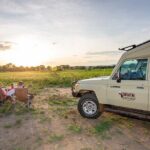
This is a 5-day private safari with a start time of 7:00 am in Arusha. Each day is listed at about 6 hours, though in safari reality that usually means “game-drive time and driving time within the day,” plus breaks for meals. Expect a structured day, not a do-nothing one.
Day 1: Lake Manyara National Park game drive after lunch
Pickup in Arusha and transfer to Lake Manyara sets you up for an afternoon drive after lunch at the lodge. Lake Manyara is known for a soda lake that covers a large part of the park, sitting right at the foot of the western escarpment of the Great Rift Valley. That “on the edge” geography is why you can go from open shoreline views to forest edges and then back to open flats in the same general area.
Your drive here is a chance at:
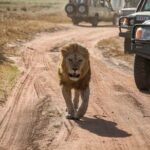
- Elephants (not just a few—this park is known for strong elephant presence)
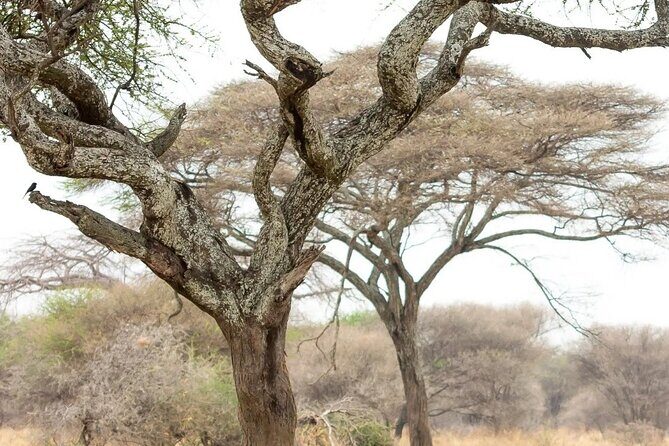
- Tree-climbing lions (a signature Lake Manyara behavior people come for)
- Flamingos attracted to algae in the lake
Tradeoff: because you arrive in time for lunch and then go out after, your best sightings might lean toward the afternoon and early evening light rather than a full morning push.
Day 2: Serengeti arrival via Karatu and an afternoon drive
After breakfast, you head toward the Serengeti through farmland around Karatu and then through the Ngorongoro Conservation Area. As the route drops away from the highlands, the change in scenery is part of the fun—bigger skies, more open views, and a different kind of animal behavior.
You’ll arrive in time for lunch and then enjoy an afternoon game drive in the Serengeti, with the focus on the central area known as Seronera. The key idea here is water: the Seronera River supports wildlife and helps concentrate animals in that part of the park.
Tradeoff: like Day 1, you’re doing an afternoon drive, so the biggest animals might be more noticeable during the later hours rather than at sunrise.
Day 3: Morning drive on the Sogore River Circuit + visitor center stop
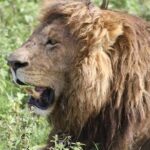
Day 3 is your morning game viewing. The drive follows the Sogore River Circuit, looping into plains south of the Seronera River. In this area, you have a good chance at a mix of classic Serengeti species such as lion, Thomson gazelle, topi, ostrich, and cheetah.
Then you add something very practical: the visitor center near the Serengeti Seronera Lodge and public campsites. It’s described as worth visiting after the morning drive because it has wildlife displays, maps and information, and a place to grab snacks or cold drinks. There’s also a nearby kopje area and a short information trail.
Tradeoff: this day is more focused on viewing time plus a structured break. If you want long unscheduled wandering, this tour is less about that and more about an efficient route.
A few more Arusha tours and experiences worth a look
Day 4: Olduvai Gorge on the way to a half-day crater safari
After breakfast, you transfer to the Ngorongoro Conservation Area with a stop at Olduvai Gorge. This is where Drs. Lois and Mary Leakey discovered fossils like Nutcracker Man and Handy Man, important links in human evolution. That stop turns the trip from “animal viewing only” into a bigger story about Earth and people.
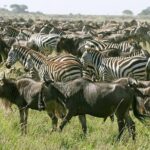
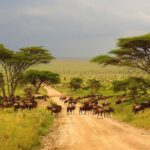
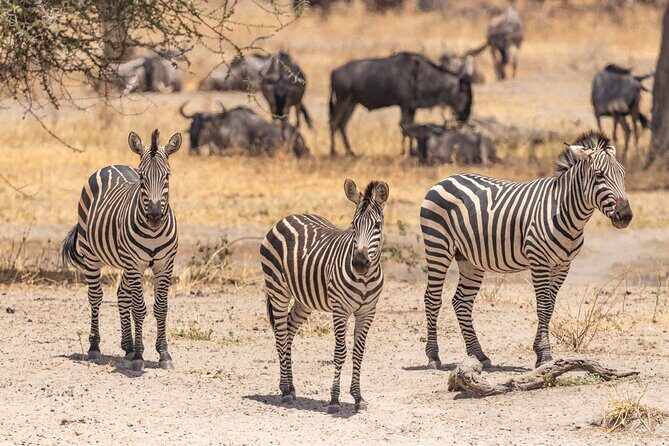
After lunch at the lodge, you descend more than 600 meters into the crater for a half-day safari. The crater environment, supported by year-round water supply and fodder, is why animals can be seen in large numbers—wildebeest, zebra, buffalo, and many others.
Tradeoff: crater safaris can be hot and bumpy (it’s a crater, after all). You’ll want to dress for sun and be ready for vehicle time, even when it’s for the best viewing.
Day 5: Back to Arusha with lunch and a wrap-up
Enjoy breakfast, then transfer back to Arusha. After arrival, you’ll have lunch and end your safari experience, with the drive back to your Arusha hotel included.
It’s a nice closing day because you’re not trying to squeeze in another long viewing block. You can take a breath, swap stories, and get ready for whatever comes next—like adding a rest day in Arusha if your flight plans allow.
Lake Manyara National Park: soda lake views and the chance at tree-climbing lions
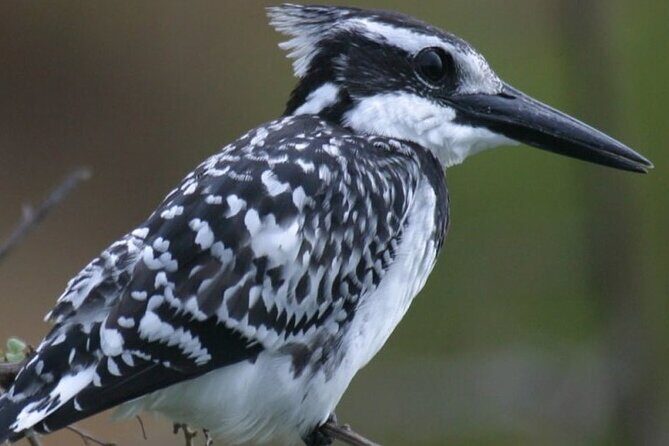
Lake Manyara is one of those parks where the location itself does half the work. The park is built around a shallow soda lake that covers much of the area. Then you layer in the Rift Valley setting, with habitats changing around the escarpment and lake edges.
That variety is why Lake Manyara can produce sightings that feel different from the Serengeti. Here, you might see:
- Elephants with strong presence
- Tree-climbing lions, a behavior that’s rare elsewhere
- Flamingos attracted by algae in the lake
If you’re traveling with kids or family members, this park can be a good fit because it gives you more “scenic moments” alongside animal viewing. You’re not staring across flat plains all day. You’re watching how wildlife uses different habitat edges—lake to trees to open areas.
Practical note: because this day is set for lunch and an afternoon drive, plan to treat it like an afternoon wildlife session, not a full-day sunrise-to-sunset experience.
Serengeti Seronera: where the river gives wildlife a reason to hang around
In the Serengeti, water is the hidden organizer. This route keeps returning you to the Seronera area, described as one of the richer wildlife habitats. The reason is the Seronera River, which provides a valuable water source and draws animals into a more consistent viewing zone.
On Day 2, your afternoon drive follows this logic: arrive for lunch, then do the game drive where wildlife density tends to be higher. On Day 3, you keep building on it by shifting to the Sogore River Circuit, which loops south of the Seronera River.
The species list for the Sogore River Circuit gives you a clear idea of what your morning aims at: lion, Thomson gazelle, topi, ostrich, and cheetah. That’s useful because it tells you the drive isn’t just random driving time—it’s aligned with habitats where those animals show up.
And then there’s that visitor center stop. It’s not about ticking a box. It’s about helping you understand what you’re seeing. You can use the maps and information to connect sightings to the park’s geography, and you can pick up cold drinks and snacks so you’re ready for the rest of your day.
Ngorongoro crater and Olduvai Gorge: big wildlife plus human origins context
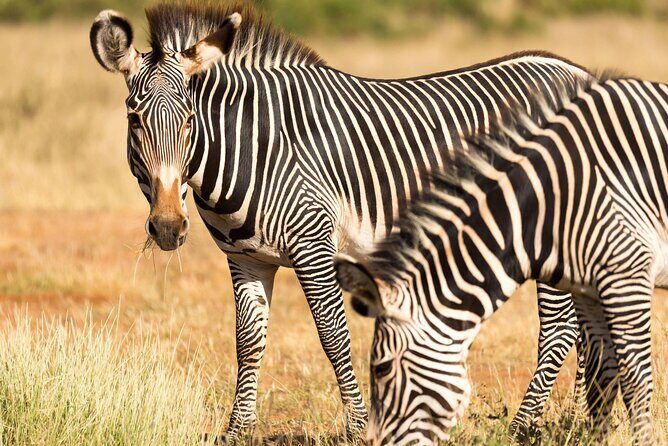
If the Serengeti is about open plains and movement, Ngorongoro is about concentration. You’ll descend more than 600 meters into the crater for a half-day safari. The tour notes that the crater’s year-round water and fodder support a broad range of animals, including herds of wildebeest and zebra, plus buffalo.
This is the kind of setting where you can get “what on earth is that?” moments without changing locations constantly. The crater effect pulls the story together: animals in view, terrain that funnels movement, and a setting that can feel almost stage-like from the vehicle.
Then you add the Olduvai Gorge stop, which changes the tone. Olduvai Gorge is where Drs. Lois and Mary Leakey discovered significant fossil finds like Nutcracker Man and Handy Man. That context can be surprisingly grounding after days of animal viewing—like stepping back and remembering that Earth stories run deep.
Practical note: crater visits are often your most physically demanding safari segment just because of the descent and sun exposure. Dress in layers, protect your eyes, and be ready to sit through the vehicle time.
Comfort that matters: meals, water, and that family-friendly rhythm
Safari comfort is all about reducing friction. This tour includes meals every day listed:
- Breakfast (5)
- Lunch (5)
- Dinner (5)
It also includes drinking water and soft drinks, which helps you stay comfortable without repeatedly stopping for supplies. You’ll also get a pickup arrangement out of Arusha at a set start time, and the tour is private, so your group follows one plan.
One of the standout themes from the experience feedback is the care around lodging and daily comfort. The hotel setup is described as clean and well looked after, and the family-focused service made the trip feel calm instead of chaotic.
Another detail: people talked about special breakfast moments in the wilderness setting. That lines up with the idea that safari mornings can be more than just a meal—they can feel like part of the show, especially when the timing puts you near nature before the day ramps up.
Moraka Africa Safaris: service style, language help, and responsible travel information
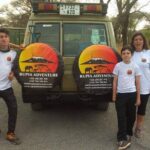
The provider, MORAKA AFRICA SAFARIS, is described as professional, with high-standard service. The service tone in the feedback is consistent: people felt cared for, and the driver and staff handled the trip with solid skills and professionalism.
One practical piece you’ll appreciate: the guide’s ability to speak multiple languages (English, Spain, and French) helps a lot when you’re asking questions about animals, vehicles, and timing. Even a small language advantage can prevent misunderstandings.
Also worth noting: there’s mention of being given information necessary to travel responsibly. On safari, that kind of guidance matters because it affects how you move near wildlife, how you behave at sightings, and how you keep the experience respectful.
Finally, remember the human side. Your tour info suggests tipping your guide around $20 a day. That’s not included in the package, so budget for it if you want a smooth end-of-trip exchange.
Price and value: does $2,000 per person make sense?
At $2,000 per person for 5 days, this is not a budget safari. But it can be good value if you factor in what’s included and what’s not.
What you’re getting:
- All fees and taxes listed as included
- Meals: breakfast, lunch, dinner across the days
- Drinking water and soft drinks
- A professional driver/guide
- Admission tickets listed as free for the park days
- Pickup from Arusha and return drive
What you’re not getting:
- Tips for driver/guide and safari cook
- International flights
- Travel insurance
- Visas
So the value question becomes: do you want a private safari with meals and fees handled for you, plus a route that hits the major parks in a short time? If yes, the price can feel more reasonable. If you’re trying to build an ultra-flexible trip with lots of free time, you might find this route too structured.
Who this Tanzania private safari fits best
This tour suits you best if:
- You want a private safari plan (only your group)
- You’re aiming to hit Lake Manyara, Serengeti, and Ngorongoro without extra transfers
- You value included meals and clear daily structure
- You’re traveling with family and want the calmer feel of a managed itinerary
It might feel less ideal if:
- You want lots of downtime between parks
- You’re sensitive to vehicle time and full days
- You’re budget-first rather than value-first
Should you book this 5-day private Tanzania safari?
I’d book this tour if you want the classic Tanzanian highlights on a tight timeline, and you like the idea that your meals, water, and most major costs are handled. The route makes sense: Lake Manyara for specific behaviors and lake wildlife, Serengeti for river-tied sightings and strong viewing areas, and Ngorongoro for crater concentration plus Olduvai Gorge’s human-history stop.
I’d think twice if the price tag feels high for your budget or if you want a slower travel pace. Also keep in mind that tipping isn’t included, so plan for that $20/day guideline.
If you want one clear decision rule: book it when you want structure, big wildlife focus, and a guided plan that keeps things organized from Arusha to the crater.
FAQ
What parks are included in this 5-day Tanzania safari?
The itinerary includes Lake Manyara National Park, Serengeti National Park, and the Ngorongoro Conservation Area, with a stop at Olduvai Gorge on the way to the crater safari.
Where does the safari start and what time does it begin?
The tour starts in Arusha, Tanzania, with a start time of 7:00 am. It ends back at the meeting point in Arusha.
Is this a private safari?
Yes. It’s listed as a private tour/activity, meaning only your group participates.
What meals are included?
The tour includes breakfast (5), lunch (5), and dinner (5), plus drinking water and soft drinks.
Are park admission tickets included?
Admission tickets are listed as free for the park days shown in the itinerary.
What is not included in the price?
Not included are tips for the driver/guide and safari cook, international flights, travel insurance, and visas.
What is the cancellation window for a full refund?
You can cancel up to 24 hours in advance for a full refund. If you cancel less than 24 hours before the experience start time, the amount you paid will not be refunded.