REVIEW · ZANZIBAR CITY
Stone Town Guided Tour: Culture, Slave Market & Spice Market
Book on GetYourGuide →Operated by Chaby tours · Bookable on GetYourGuide
Stone Town hits you fast. In just 2 to 3 hours, this guided walk threads together Zanzibar’s Swahili–Arab–colonial story through real streets and real buildings. You’ll move at a comfortable walking pace through narrow alleys, stop at major landmarks, and even find time to browse markets along the way.
I especially like the way this tour balances the heavy stuff and the everyday life of Zanzibar. The Old Slave Market stop gives context, while the market time at Darajani helps you see how people actually shop, cook, and live today.
One consideration: it’s a walking tour, so comfortable shoes matter. The routes include narrow streets, and you’ll be doing steady city walking even though it’s only a short half-day.
In This Review
- Key highlights you should know before you go
- Stone Town on Foot: Why 2–3 Hours Feels Just Right
- Starting with the Old Slave Market: A Hard Stop, Handled with Context
- House of Wonders and the Anglican Cathedral: Same City, Different Influences
- Old Fort and Sultan’s Palace Museum: Power, Protection, and Prestige
- Freddie Mercury’s House: Pop Culture Between Real Streets
- Darajani Market: Spice, Food, and the Crafts Side of Zanzibar
- Forodhani Gardens at Sunset: The Optional Finish That Makes Sense
- What the $29 Price Really Means (And When to Watch for Extras)
- The Real Win: The Guide Makes Stone Town Click
- Who This Tour Fits Best
- Should You Book This Stone Town Guided Tour?
- FAQ
- How long is the Stone Town guided tour?
- What is the price per person?
- What’s included in the tour price?
- Where does pickup and drop-off happen?
- Is this a private tour?
- Is the tour wheelchair accessible?
- What language is the guide?
- Can I end the tour at Forodhani Gardens?
- What should I bring, and what is not allowed?
- Can I cancel and get a full refund?
Key highlights you should know before you go

- Old Slave Market context: you’ll get the story behind one of Stone Town’s most important sites
- UNESCO-era streets on foot: narrow lanes, historic architecture, and close-up details
- Icon stops without a sprint: Old Fort, Sultan’s Palace Museum, House of Wonders, Anglican Cathedral
- Freddie Mercury’s House passing-by: pop-culture landmark in the middle of the real city
- Darajani Market stop for food and crafts: useful for anyone who wants Zanzibar flavor beyond monuments
- Optional Forodhani Gardens finish: choose street food and a seaside sunset
Stone Town on Foot: Why 2–3 Hours Feels Just Right
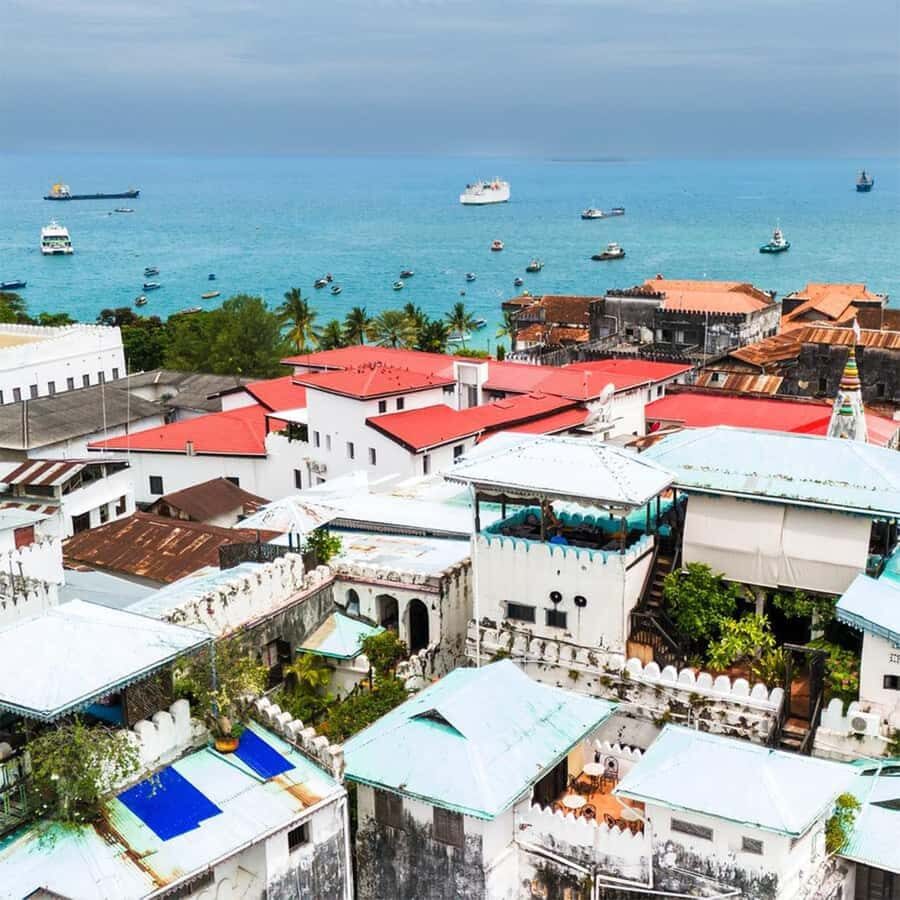
Stone Town can overwhelm you quickly. It’s busy, full of signs, and easy to lose your bearings inside the maze of lanes. This tour helps you get your bearings fast because it keeps you moving between the key story points, not random photo spots.
The timing is also smart. At around 2 to 3 hours, you get enough time to learn what you’re looking at, but you’re not stuck for the entire day. That matters if you also want time for the beach, spice shopping on your own, or just lingering in Forodhani Gardens after.
You’ll also appreciate that the guide works in English, and this is a private group experience. That makes a difference in Stone Town, where good explanations help you connect architecture, trade, and everyday life without feeling like you’re reading a textbook while walking.
You can also read our reviews of more guided tours in Zanzibar City



Starting with the Old Slave Market: A Hard Stop, Handled with Context
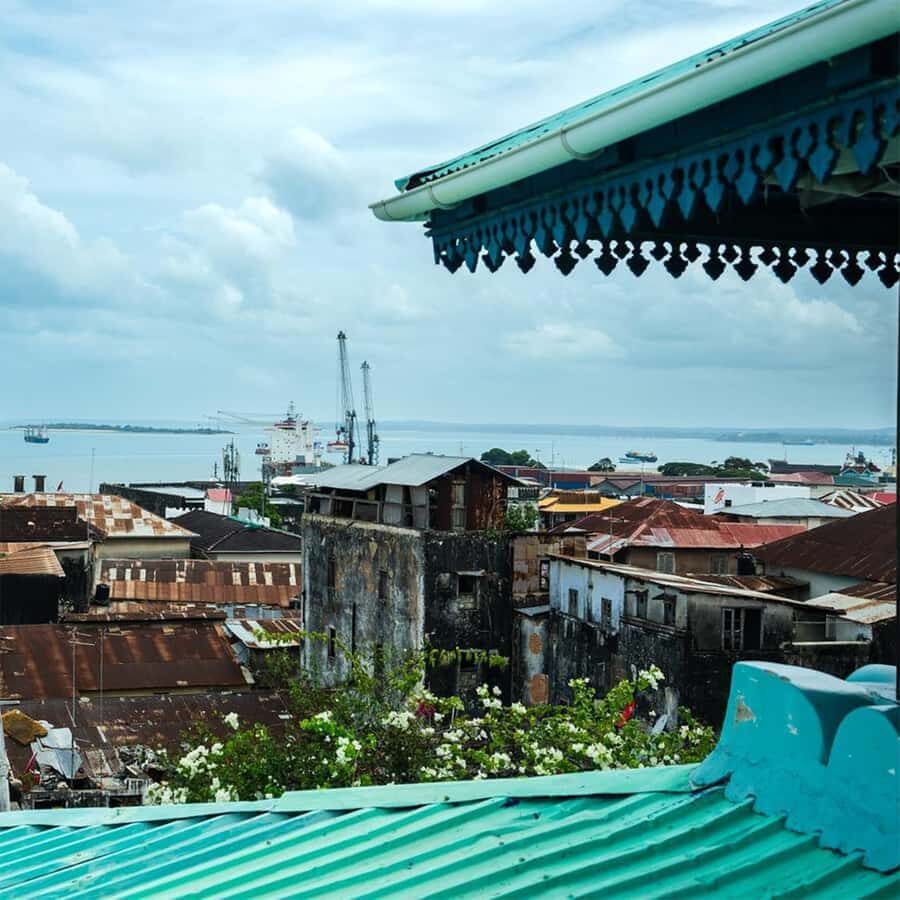
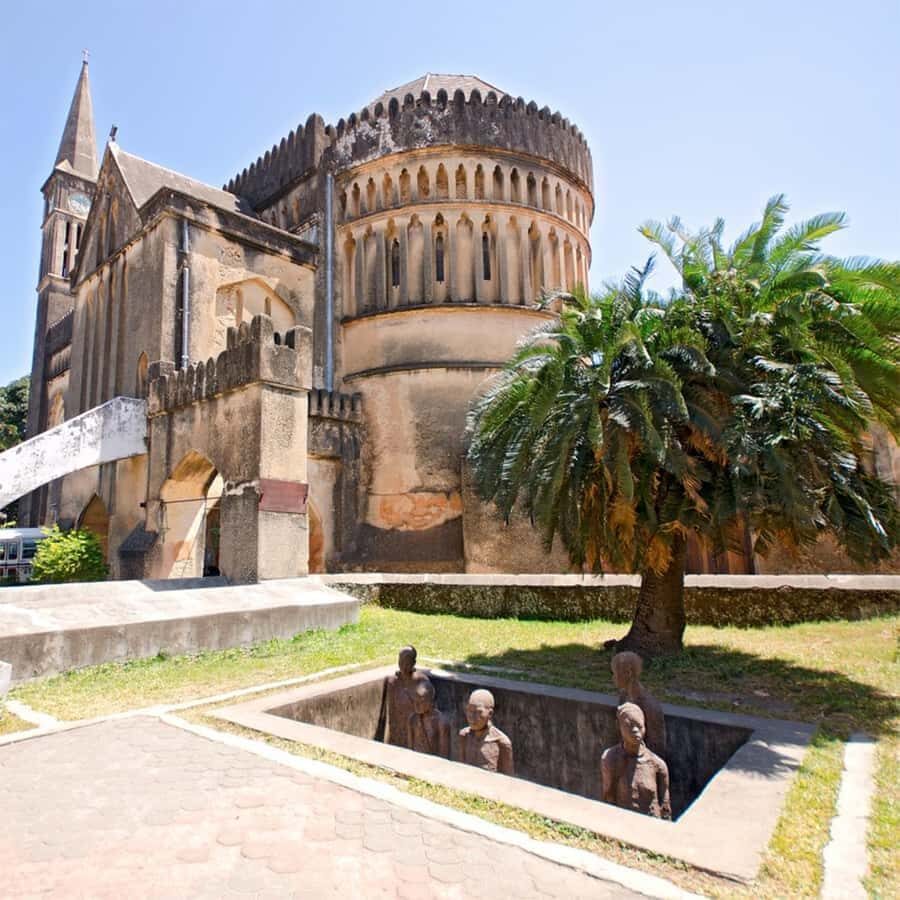
The tour begins near the Old Slave Market, and this is the emotional anchor of the whole experience. Expect the guide to explain what happened there and why it matters, then connect it to Zanzibar’s role in the broader Swahili coast trade world.
I like that you don’t just see a site. You get language and context around it, which helps the place make sense. Stone Town’s history can feel abstract if you only read plaques, especially when you’re also trying to process the surrounding streets and storefronts.
Do note the subject matter is heavy. You’ll want your head in the right space for it, and you may prefer to take your time with photos and questions here rather than rushing through.
House of Wonders and the Anglican Cathedral: Same City, Different Influences

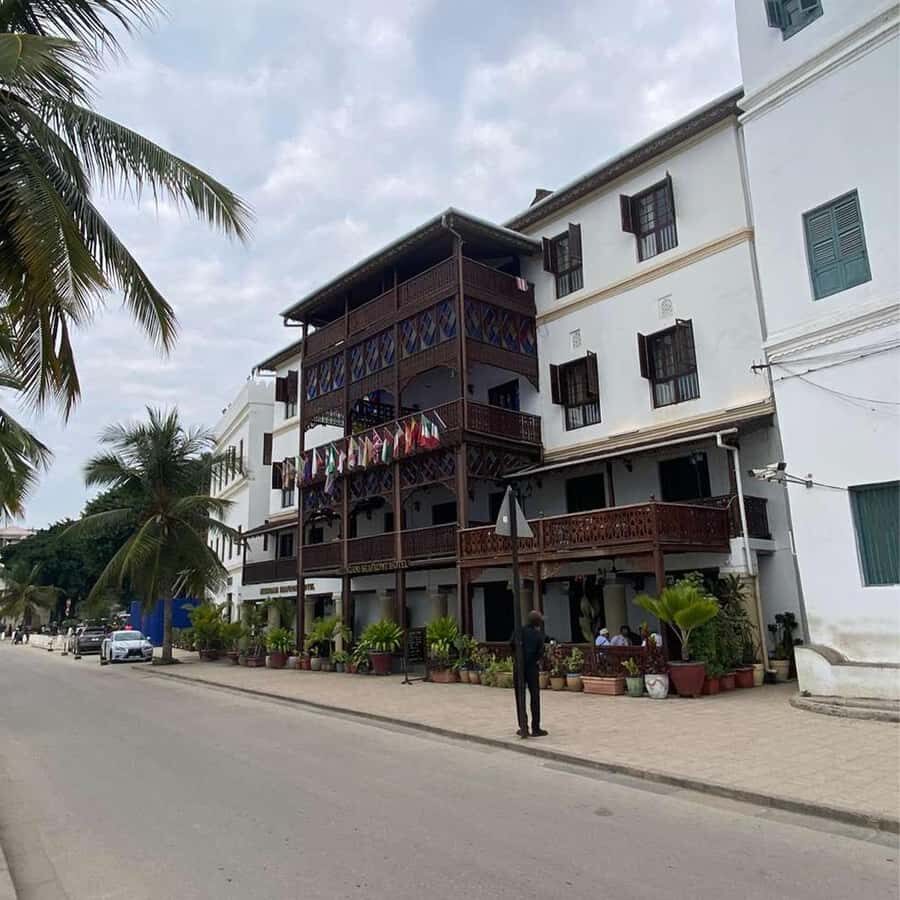
From the start, you’ll keep seeing how Zanzibar’s identity was shaped by multiple worlds. The guide frames the city through Swahili, Arab, Indian, European, and African influences, and you feel that mix in the buildings.
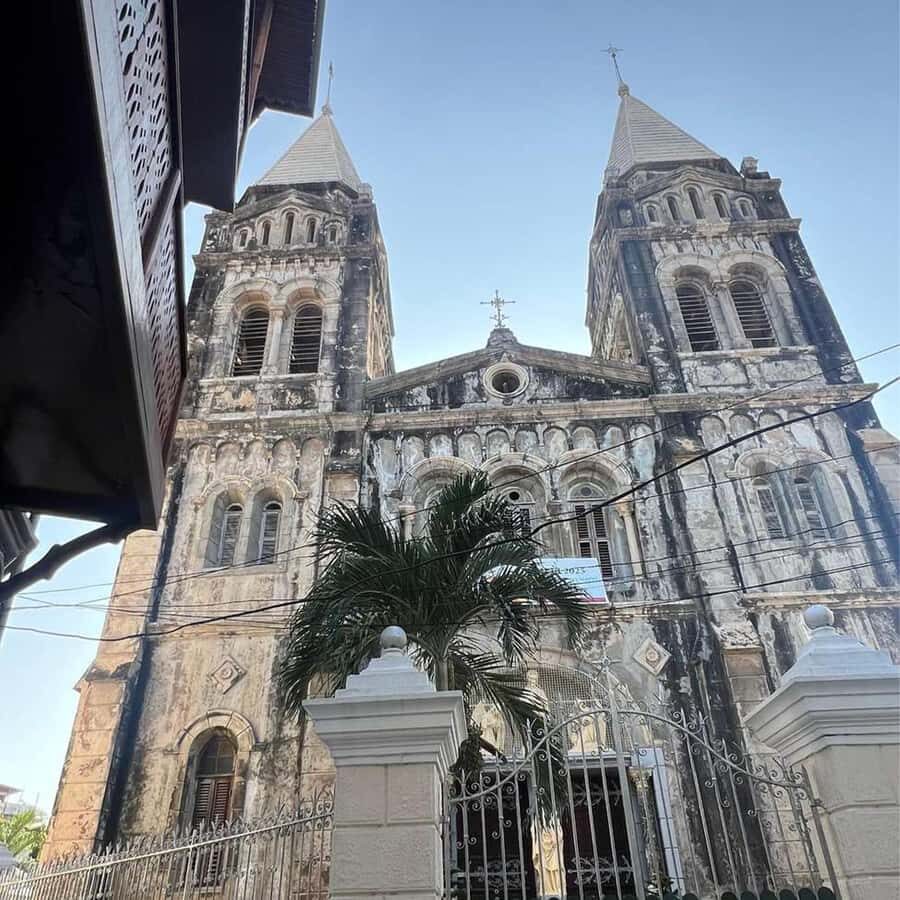
One of your first landmark stops is the House of Wonders. It’s one of those places where architecture becomes a clue: materials, design choices, and the layout help explain changing power and trade over time. You’ll also pass or visit the Anglican Cathedral, which adds another layer to the story by showing how different faiths and colonial-era structures left their mark.
What makes these stops valuable is pacing. You’re not just collecting names. You’re learning to look at doors, streets, and building styles and understand what they suggest about the island’s past.
Practical note: bring your camera, but also keep a little patience. Narrow streets and crowds can make it tricky to get a clean shot without stepping aside and letting people pass.
Old Fort and Sultan’s Palace Museum: Power, Protection, and Prestige
Then you head toward the Old Fort, another anchor point where Zanzibar’s trading wealth turned into defenses. Forts usually feel like blunt architecture, but your guide can connect the structure to why Stone Town grew the way it did and how the city protected itself.
After that, you’ll visit Sultan’s Palace Museum. This stop is where the tour’s “multicultural past” theme becomes very practical. You’ll see how the palace world operated and how ruling power influenced daily life, not just royal life.
If you like understanding cities through what their rulers valued—security, display, control—these stops are the heart of the walk. And if you don’t, the tour still works because the guide ties history back to what you can see around you.
Keep in mind that museum hours and ticket rules can vary by site, and the tour experience can depend on what you choose for admissions. For example, one visitor noted an admissions option didn’t match what they expected, so it’s smart to confirm which entrances are included when you book.
Freddie Mercury’s House: Pop Culture Between Real Streets
Yes, you’ll get to see Freddie Mercury’s House. The guide brings this up naturally as you walk, not as the entire point of the day. That’s a nice touch, because it keeps the focus on Stone Town while still giving you a fun landmark that many people recognize.
I like this approach because it gives you an easy mental hook—then you can refocus on the real setting: the historic streets around it, the architectural style, and how modern fame sits on top of older layers.
If you’re a music fan, this is a fun moment. If you’re not, it still works as a quick landmark that helps you navigate the city’s geography while you learn the larger story.
You can also read our reviews of more shopping tours in Zanzibar City



Darajani Market: Spice, Food, and the Crafts Side of Zanzibar
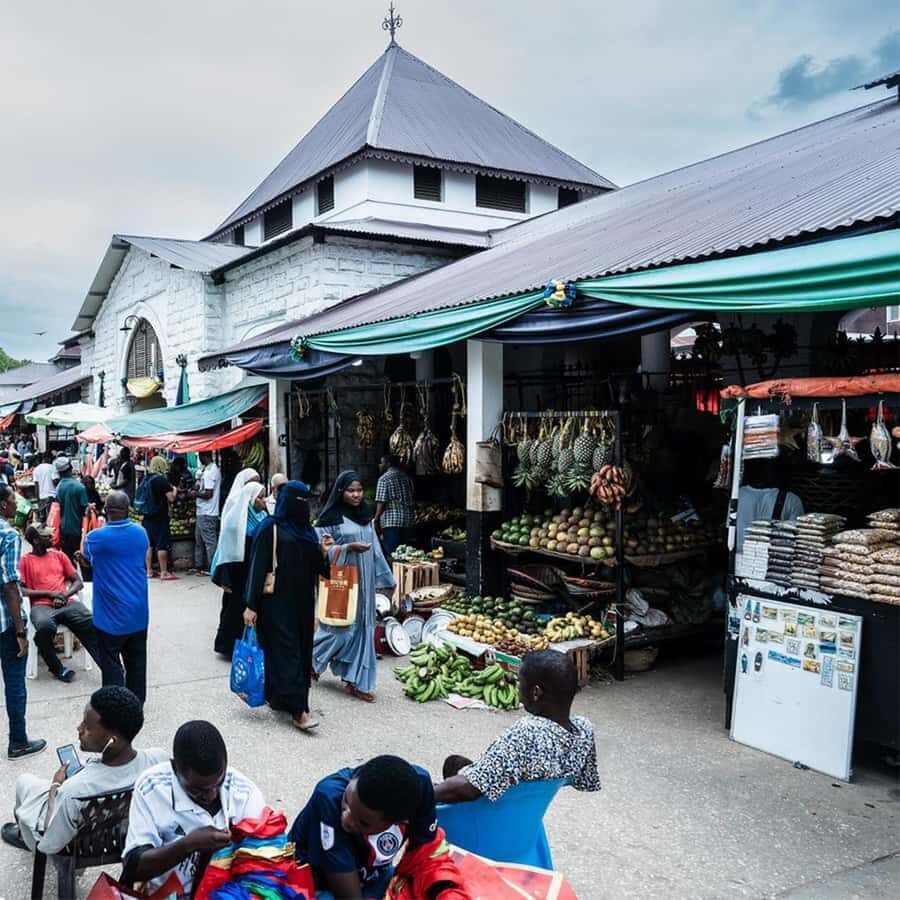
A big reason this tour feels more complete than a pure monument walk is the Darajani Market stop. Your time there includes a food market visit and an arts-and-crafts market visit, which is useful if you want to see how Zanzibar’s flavors and handmade goods show up in everyday shopping.
What I find especially helpful here is that your guide can point out what you’re seeing, instead of you getting lost in stalls. One reviewer highlighted the mix of spices, veggies, meat, and fish—exactly the kind of sensory snapshot that turns Stone Town from “history” into “life.”
Also, market stops are where you can shop with less stress. A guided walk usually means fewer wrong turns, fewer moments of standing there wondering what’s worth buying. And since this is a private group, you’re not forced into a slow shuffle if you’re ready to browse.
A practical tip: markets are lively and sometimes crowded. Keep an eye on your belongings and be ready to move when the flow shifts.
Forodhani Gardens at Sunset: The Optional Finish That Makes Sense
The tour offers an optional end at Forodhani Gardens, which is ideal if you want the evening vibe. This is where people gather by the sea, and street food is a big part of the atmosphere.
I like an optional finish like this because it gives you control. If you’re tired, you can skip it. If you want the classic Stone Town night feel, this is a good time to do it.
One reviewer even arranged a late start so they could catch the Forodhani food market at night, which tells you this tour can flex around your day. If you care about evening street food, ask about timing when you book.
What the $29 Price Really Means (And When to Watch for Extras)
At $29 per person, this is strong value for a guided Stone Town experience that covers the main landmarks without turning into a half-day endurance march. The price includes hotel pickup and drop-off within the Stone Town area, a tour guide, the walking portion, and bottled water.
That’s meaningful because Stone Town is easiest when you’re not piecing it together with taxis every few blocks. A guide also helps you interpret architecture, not just see it.
Where you should pay attention is that not every admission may be bundled the way you’d expect. One visitor described confusion with an admissions-included option and realized they only got admission to one museum, and another noted an additional cost for entering the slave market area. So, before you assume everything is covered, check what your ticket includes—especially if you’re specifically interested in museum entry.
If you want the tour mostly for the walking, landmarks, and stories, the base price is a good deal. If you care deeply about entering every building you stop at, do a quick check about entrances.
The Real Win: The Guide Makes Stone Town Click
This kind of tour rises or falls on the guide, and the reviews you provided are consistently positive about a guide named Abdul (and on one occasion, a guide named Mundhir). Abdul repeatedly comes up for being friendly, patient, and able to answer questions clearly in English.
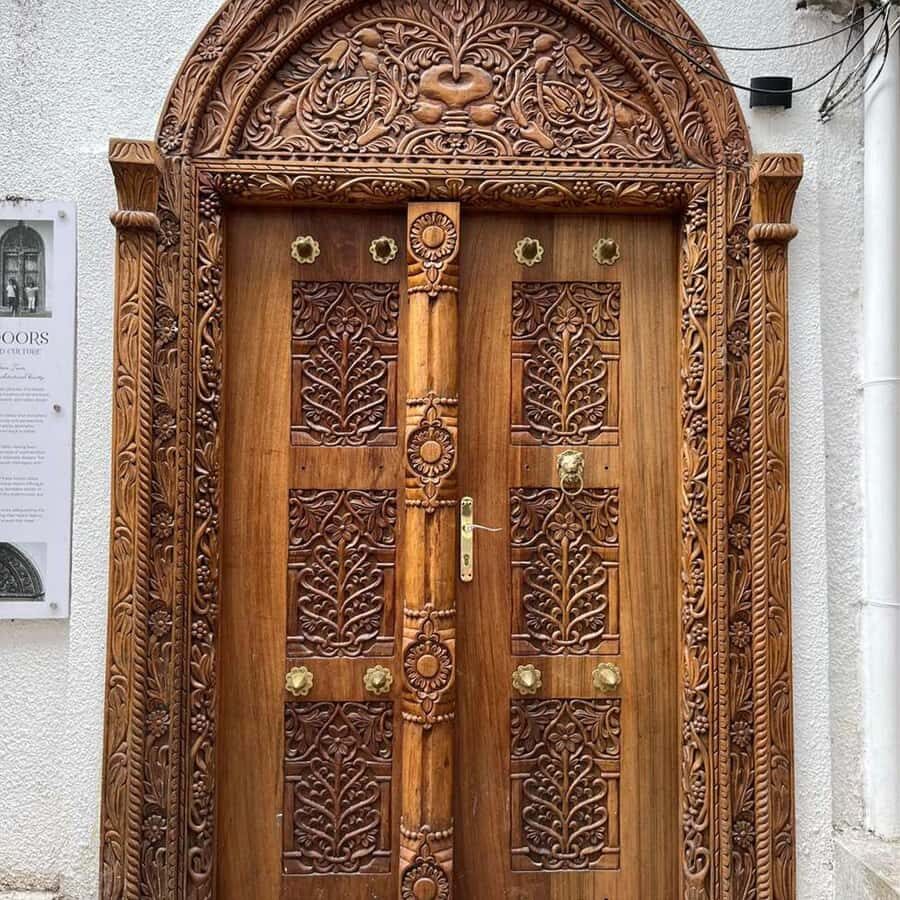
I also like that the guide encourages questions. In Stone Town, small details matter: how doors are carved, why some buildings feel like they’re from different eras, and how trade and power shaped the streets. A good guide turns those details into a story you can actually remember later.
There’s also a practical safety angle in the feedback: one solo female traveler said they felt safe, and Abdul even helped with real-life logistics like getting an ATM and buying a SIM card. That’s not what every walking tour includes, and it can make your first day in Zanzibar much easier.
Who This Tour Fits Best
This is a great fit if:
- You have limited time in Stone Town and want the main landmarks in one walk
- You want history explained with everyday context, not just dates
- You like markets and want to see spice and local shopping in the middle of sightseeing
- You prefer a private group where you can ask questions and move at your pace
You might want to consider something else if:
- You hate walking on uneven, narrow streets
- You want a full-day plan with lots of beach time (this tour is designed as a short city experience)
- You need every single museum admission guaranteed as included, since entrance rules can vary by site and booking option
Should You Book This Stone Town Guided Tour?
If you’re looking for an efficient, high-value way to understand Stone Town’s UNESCO streets and still get market time, this tour is a solid choice. The guide-led storytelling is the main reason it works, and the Old Slave Market plus Darajani Market combination gives you both the island’s difficult past and its current daily rhythm.
Book it if you want structure without feeling rushed, and if you’re open to asking questions. Do a quick check on admissions for the specific museums you care about most, and make sure you wear shoes that can handle narrow-street walking. If you do those two things, you’ll come away with Stone Town that feels more human, not just historic.
FAQ
How long is the Stone Town guided tour?
The tour lasts about 2 to 3 hours.
What is the price per person?
The price is $29 per person.
What’s included in the tour price?
Hotel pickup and drop-off in the Stone Town area, a tour guide, a walking tour, and bottled water are included.
Where does pickup and drop-off happen?
Pickup and drop-off are available in the Stone Town area, with two pickup options in Zanzibar/Stone Town and two drop-off options in Zanzibar/Stone Town.
Is this a private tour?
Yes, it’s listed as a private group.
Is the tour wheelchair accessible?
Yes, the tour is listed as wheelchair accessible.
What language is the guide?
The live tour guide speaks English.
Can I end the tour at Forodhani Gardens?
Yes, ending at Forodhani Gardens is an optional finish, where you can enjoy street food or a sunset by the sea.
What should I bring, and what is not allowed?
Bring a camera. Alcohol and drugs are not allowed.
Can I cancel and get a full refund?
Yes. You can cancel up to 24 hours in advance for a full refund.