REVIEW · MOSHI
8 Days 7 Nights Kilimanjaro Lemosho Route
Book on Viator →Operated by Topi Adventure · Bookable on Viator
Long views start on day one. The Lemosho route climbs Kilimanjaro from the west, so you get changing panoramas and a calmer feel than the more crowded approaches. You’ll begin with a long drive from Moshi to Londorossi Gate, then spend early days moving through rain forest into high-altitude zones with plenty of time to adjust.
I especially like how the route balances effort and acclimatization. Days are long enough to feel like real progress, but the plan also includes payoff stops like the ridge walk around Shira and the key prep day down at Barranco. I also like the human side of Topi Adventure: the team is led by Emanuel, and the guides and porters are described as experienced, friendly, and focused on keeping you moving well.
One consideration before you book: this is still a high-altitude, very physical trek. The summit push starts at midnight, and even with careful pacing, the last stretch through scree to Stella Point can feel brutally demanding.
In This Review
- Key things that make this climb work (and feel worth it)
- Why the Lemosho approach feels different in Kilimanjaro season
- Day 1: Moshi to Londorossi Gate, then rain forest to camp
- Days 2 and 3: Shira Ridge into Shira Plateau, where Kibo shows up often
- Day 4: The Shira-to–Lava Tower pivot, plus Barranco Hut acclimatization
- Day 5: Barranco Wall and the Karanga Valley reset
- Day 6: To Barafu Hut and the feeling that summit day is real
- Day 7: Midnight summit push, Stella Point sunrise, then Uhuru Peak
- Day 8: Descent to Mweka Park Gate, certificates, and the drive back to Moshi
- The Topi Adventure team factor: planning, pacing, and names you’ll remember
- Price and value at $3,480 per person
- Who this Lemosho plan fits best
- What to expect physically: the long days, the cold, and the scree reality
- Should you book this 8-day Kilimanjaro Lemosho climb?
- FAQ
- What time does the climb start?
- Where is the meeting point?
- How long is the trek?
- What route is this exactly?
- Is pickup included?
- Is this a private tour?
- What does the itinerary include regarding tickets?
- How difficult is it?
- Where do you get summit certificates?
- What is the cancellation refund window?
Key things that make this climb work (and feel worth it)
- West-to-east Lemosho scenery: you cross the Shira Plateau with big, repeated views of Kibo
- Low crowds early: busier trail only kicks in later when you join the Machame route near Lava Tower
- Acclimatization with purpose: Barranco, Karanga, and Barafu are timed to help your body get ready
- A real summit moment at Stella Point (18,600 ft): you rest briefly and catch the sunrise before Uhuru Peak
- Team support you can feel: Emanuel and his crew are repeatedly praised for planning, kindness, and competence
- Value touches in the logistics: pickup in Moshi, a private group setup, and park entry included each day
Why the Lemosho approach feels different in Kilimanjaro season
Kilimanjaro routes often feel like they all blur together—until you climb Lemosho. This approach starts on the west side, which matters because the mountain shows itself from angles you don’t always get on other popular trails. You’re also crossing the Shira Plateau in a way that feels steady: a relatively flatter, longer traverse helps you keep rhythm.
Another big win is crowd management. The early days stay quiet, and only later—around Lava Tower—does the route merge with the Machame traffic. That means you’re less likely to get stuck behind a line of slow movers when the trail is most enjoyable.
Finally, Lemosho is often described as a strong choice for summit chances because of how the trek fits acclimatization time. Based on the way this schedule is built, you get more time than you do on faster, more aggressive plans.
You can also read our reviews of more tours and experiences in Moshi.
Day 1: Moshi to Londorossi Gate, then rain forest to camp
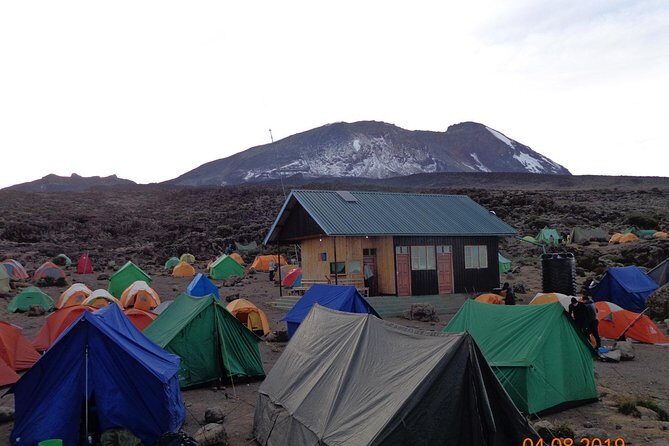
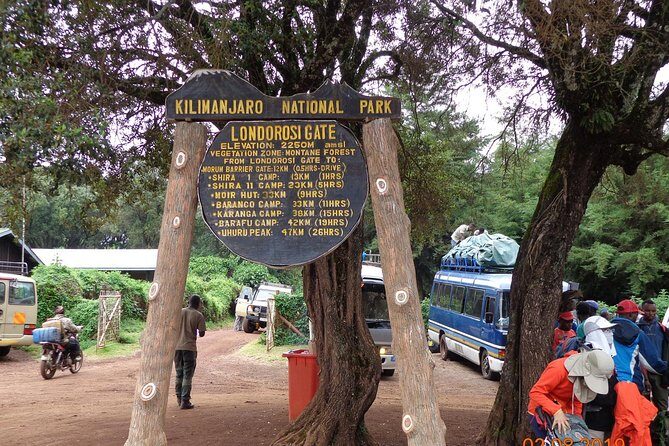
Your day starts early in Moshi, with the meeting point at Old Moshi Road and a start time of 7:30 am. From there, it’s about a 4-hour drive to Londorossi Gate, where you handle entry formalities before heading to the trailhead.
Then comes the classic Kilimanjaro mood shift: dense rain forest. You’ll hike roughly 6 km over about 3–4 hours, moving from around 7,742 ft to about 9,498 ft. This part is not about speed. It’s about finding your breathing and learning how to pace on uneven ground while the air is still easier.
What I like about starting this way is the mental transition. You’re not thrown immediately into thin air. Instead, you gradually build into the altitude while the forest keeps the trail feeling grounded and human-scaled.
Days 2 and 3: Shira Ridge into Shira Plateau, where Kibo shows up often
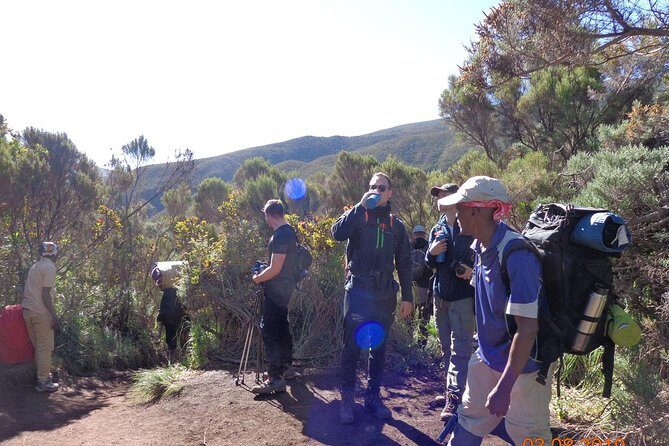
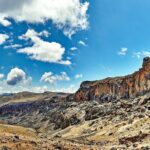
Day 2 moves you out of rain forest and into heath at higher elevations, with hiking around 8 km for 5–6 hours. You climb from about 9,498 ft to around 11,500 ft, and the terrain becomes a mix of tall grasses, heather, volcanic rock, and lichen-covered slopes. Expect stream crossings along the way.
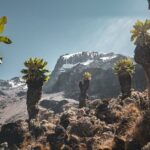
The highlight here is the view. As the day brings you to Shira Ridge, you get a clear look across the plateau, and you’re treated to Kibo from across the land. That kind of repeated visibility makes it easier to stay motivated, because the mountain feels close even when you’re still far from the top.
Day 3 keeps the same general altitude band and habitat type—heath again—and continues that ridge-to-plateau feel. You’re still trekking with the mountain in view, crossing open terrain that’s relatively gentle compared to the steep punch days later. This is also one of those days where you learn the “Kilimanjaro walking style”: long steps, steady breathing, and a willingness to move slowly.
Day 4: The Shira-to–Lava Tower pivot, plus Barranco Hut acclimatization
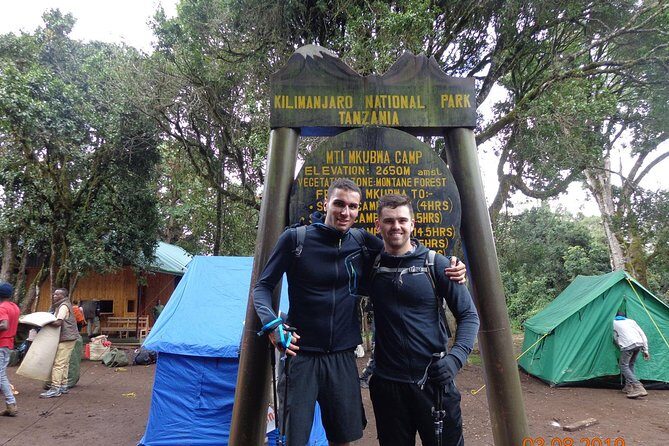
Day 4 is one of the most important days on the plan because it changes the climbing story. You’ll start around the 13,800 ft range and reach up near 15,190 ft, then end the day around 13,044 ft at Barranco Hut. The hiking is longer—about 6–8 hours—over roughly 10 km.
As you leave the Shira Plateau area, you climb east up a ridge and pass junctions toward Kibo. Then the route heads southeast toward Lava Tower, which people sometimes refer to as the Shark’s Tooth. Later, you continue near Arrow Glacier at around 16,000 ft, which is the kind of altitude moment that makes you feel how high you really are—even if you’re not at summit yet.
The smart part is the descent at the end of the day. You return down to Barranco Hut at about the same elevation you started. That looks odd on paper, but it’s classic acclimatization logic: spend time higher, come down to rest, and give your body a better chance of coping tomorrow.
Day 5: Barranco Wall and the Karanga Valley reset
Day 5 is shorter on distance—about 5 km—but it packs a clear challenge. You climb out of Barranco Hut area and tackle the Barranco Wall, described as a volcanic rock climb and scramble around a 1,200 ft gain. This is where your legs feel it, but it’s also where you start feeling more “up-mountain” mentally.
Once you reach the top, you get a well-earned lunch and views including Barafu and Mount Meru. Then the day shifts into a ridge-and-valley walk to Karanga Valley campsite (about 13,044 ft to 13,106 ft). This is intentionally a shorter day, meant to help you acclimatize rather than drain you.
If you like hikes that feel like they have a rhythm—hard section, then meaningful recovery—this is one of the best days on the schedule.
Day 6: To Barafu Hut and the feeling that summit day is real
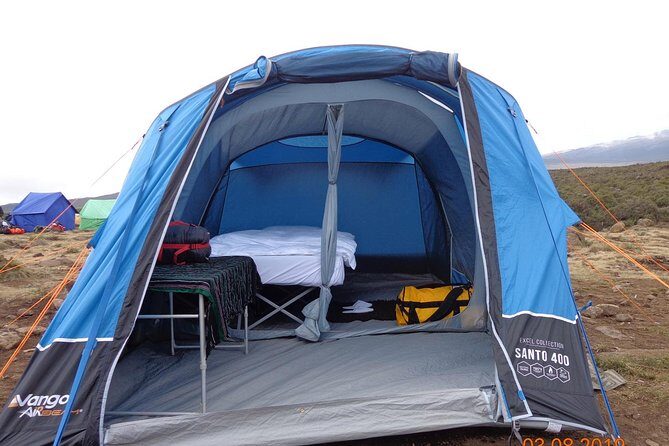
Day 6 goes from Karanga up to Barafu Hut. The hike time is around 4–5 hours, distance about 4 km, with a gain from roughly 13,106 ft to 15,331 ft. This is not a long push in kilometers, but it’s a real altitude climb, and short trips at high altitude can feel surprisingly intense.
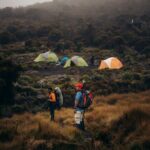
At Barafu Hut, you get what feels like a finishing-line moment: you’ve completed the Southern Circuit portion of the journey. You also get strong views of both Mawenzi and Kibo from camp, which is a nice boost after a day of climbing.
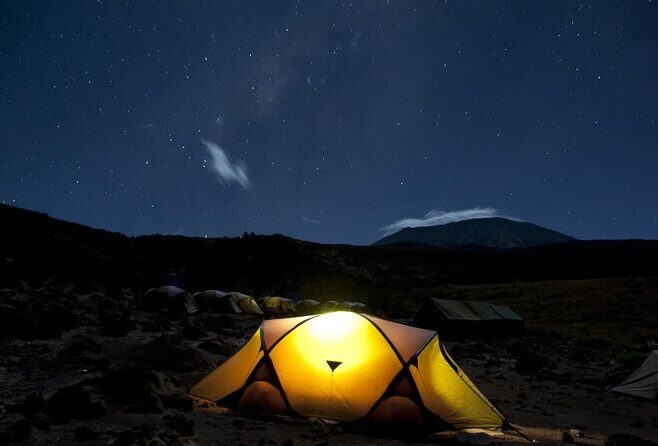
Then you rest. Early dinner and preparation matter here because you’re about to do the part of Kilimanjaro that needs the most mental toughness: summit night. Even if you’re the kind of person who thinks you’re fine with cold, this day helps you learn that planning beats comfort.
Day 7: Midnight summit push, Stella Point sunrise, then Uhuru Peak
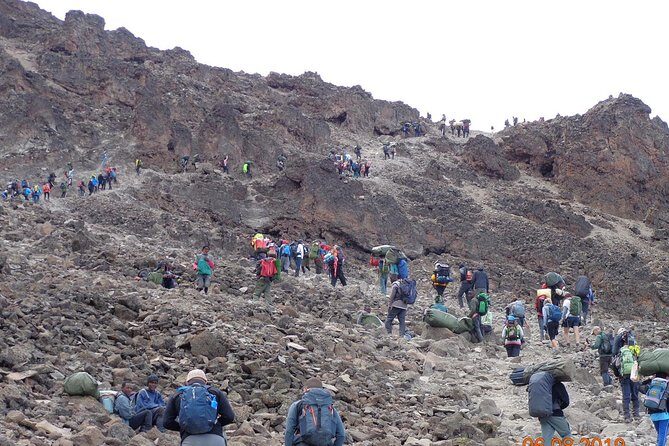
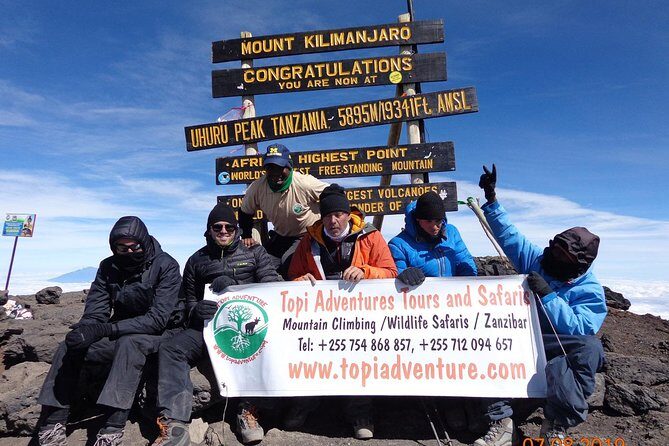
Day 7 is the summit day, and it starts the way most people remember forever: midnight. You’ll layer up, put on your cold-weather gear, and head into the dark climb through heavy scree. The elevation path in the plan shows you pushing from around 15,331 ft up to about 19,341 ft over 17 km, with a hike time of 11–14 hours.
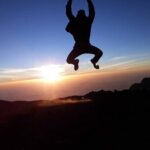
You head toward Stella Point on the crater rim, around 18,600 ft. This is where you stop for a short rest and wait for the sunrise. This is the kind of payoff that can reset your whole relationship with the word tired.
From Stella Point, there’s about one more hour before reaching Uhuru Peak, the highest point on Kilimanjaro. This is the part where you stop thinking about distance and start thinking about steps. Then, once you reach the top, you get a moment that’s hard to explain and easy to remember.
Day 8: Descent to Mweka Park Gate, certificates, and the drive back to Moshi
Day 8 is shorter and less technical: a descent from about 10,065 ft down to 5,380 ft over roughly 10 km, with 3–4 hours of hiking. After breakfast, you continue down to Mweka Park Gate to receive your summit certificates.
Then you continue on to Mweka Village, where you’ll be met by a vehicle back to your hotel in Moshi. Lower elevations can be wet and muddy, so plan for slippery trail conditions at the end, even if the morning starts with optimism.
I like how this final day is structured: you still hike enough to feel earned, but the day is designed to close the loop and get you back to town safely.
The Topi Adventure team factor: planning, pacing, and names you’ll remember
In this climb, the team isn’t just a nice-to-have. It’s part of your safety system and your success system. Topi Adventure runs the private experience, so only your group participates, and that tends to help the guides manage pacing and attention.
The name that comes up repeatedly in their service style is Emanuel. In the feedback you provided, he’s described as polite, humble, and supportive. More importantly, the team is praised for helping with planning and preparations before you even step onto the trail.
On the mountain, the guides and porters are repeatedly described as experienced and friendly. That matters because on Kilimanjaro, you’ll notice two kinds of support: the kind that talks a big game, and the kind that actually keeps your pace steady and helps you handle the day-to-day stuff like transitions between zones and hydration habits.
One specific story also stuck out: one climber had luggage problems on the way in, and Elly stepped in by helping borrow equipment and working to get things sorted. That’s not something you can plan for, but it’s the kind of detail that tells you how a team acts when reality gets messy.
Price and value at $3,480 per person
$3,480 is not cheap, and you shouldn’t treat it like a bargain deal. But it can make sense depending on what’s included and how you value low-stress logistics on a serious trek.
Here’s what you can judge from the provided details:
- The tour is 8 days / 7 nights on the Lemosho route, which is known for scenery and a calmer early trail experience.
- Pickup is offered, and the meeting point is Old Moshi Road in Moshi, with a clear start time.
- You’ll use a mobile ticket.
- Admission ticket / park entry is included each day in the itinerary.
The real value question is this: does the schedule and team setup improve your chances of finishing comfortably? The itinerary’s structure is built around acclimatization and staged effort: rain forest first, then Shira, then the higher days, then the summit push with the key rest at Stella Point. If that careful pacing is what you want, then the price starts looking more reasonable.
If you’re the type who can travel ultra-budget and already has strong altitude experience, you might find cheaper operators. But if you want a confident, organized climb with a team that people describe as supportive, this price can buy peace of mind.
Who this Lemosho plan fits best
This climb is a strong match if you want:
- the scenic west-approach feel and repeated Kibo views
- a schedule that aims to help your body acclimatize rather than rush you
- a private group setup where your guide team stays focused on you
The listing also says you should have moderate physical fitness. That doesn’t mean you need to be a mountain athlete. It does mean you should be ready for long days, altitude hours, and cold nights.
What to expect physically: the long days, the cold, and the scree reality
Kilimanjaro punishes inconsistently. Some days are long walks at a manageable pace. Other days are shorter but steep, like the Barranco Wall scramble. Summit day is the big reminder: you’ll climb through scree after midnight, and your pace will feel slow no matter how confident you are.
A small detail from one climber’s feedback is also useful for planning: they mentioned Diamox worked for them but made them urinate more often. I can’t tell you what to take, but it’s a reminder that altitude strategies have practical side effects. If you’re considering any medication, talk with a clinician before you go.
Also, your comfort depends heavily on layering. The itinerary explicitly calls for putting on many layers at midnight, and the need for that is real on crater rims.
Should you book this 8-day Kilimanjaro Lemosho climb?
I’d recommend booking if you want the classic Kilimanjaro challenge with a calmer feel early on, plus a route that prioritizes acclimatization and real recovery days. The combination of the Lemosho scenery, the structured prep sequence toward Barafu, and the summit plan that includes a stop at Stella Point for sunrise makes this feel like a thoughtfully paced climb.
I’d think twice if you’re sensitive to demanding physical days, because even with careful planning, this is still a serious trek. And if you’re chasing the lowest possible price, $3,480 may not fit your style.
If you want, tell me your fitness level and when you’re considering traveling, and I’ll help you sanity-check whether this schedule matches your goals and comfort with long days.
FAQ
What time does the climb start?
The start time is 7:30 am.
Where is the meeting point?
The meeting point is Old Moshi Road, Moshi, Tanzania.
How long is the trek?
It’s listed as 8 days (about 7 nights).
What route is this exactly?
This is the Kilimanjaro Lemosho Route.
Is pickup included?
Pickup is offered.
Is this a private tour?
Yes. It’s described as private, meaning only your group participates.
What does the itinerary include regarding tickets?
The itinerary states that an admission ticket is included on each day.
How difficult is it?
The listing says travelers should have a moderate physical fitness level, and the summit day involves a very long early-morning climb.
Where do you get summit certificates?
You receive summit certificates at Mweka Park Gate after descending.
What is the cancellation refund window?
Free cancellation is offered if you cancel at least 24 hours in advance for a full refund. If you cancel less than 24 hours before the start time, there’s no refund.