REVIEW · ZANZIBAR CITY
Spice Farm Tour -Half Day
Book on Viator →Operated by Zanzibar Treasure Tour & Safaris · Bookable on Viator
Kidichi Persian Baths and a spice farm in one trip is a smart way to spend time in Zanzibar City. I love how this tour mixes spice-farm walking with hands-on smelling and tasting, so the flavors feel real, not just educational. I also like that the guide keeps the mood relaxed while sharing practical uses for what grows here. One thing to consider: it is still a walking tour, so plan for uneven ground and bring sun protection.
The standout moment is the contrast between Persian-style bathhouses and the surrounding plantations. You’ll see the setting for the spices, herbs, and fruits right on the island, including clove, lemongrass, cinnamon, turmeric, vanilla, plus tropical fruit tastings. If you’re hoping for a mostly seated experience, you may want a different Zanzibar activity.
In This Review
- Key highlights at a glance
- Kidichi Persian Baths: the unusual first chapter
- From pickup to plantation road: how the transport works
- Walking Zanzibar’s spice shamba: what you’ll actually see
- The flavors you’ll taste: spices, herbs, and island fruit
- Why the guide explanations matter (and how to use them later)
- The Persian bath contrast: history you can feel
- Optional cooking class: when it’s worth adding
- Spice shopping after the tastings: buy with confidence
- Price and value: is $50 per person fair?
- Who should book this spice farm tour
- Practical planning tips before you go
- Should you book Spice Farm Tour – Half Day?
- FAQ
- How long is the Spice Farm Tour (Half Day)?
- Where is the tour located?
- What is the price per person?
- Is hotel pickup and drop-off included?
- What do you smell and taste during the tour?
- Is a cooking class available?
- How big is the group?
- What happens if the weather is poor?
Key highlights at a glance
- Kidichi Persian Baths: Persian-style domed bathhouses on the island’s highest point
- Shamba walking tour: learn how spices, herbs, and fruits are grown and used
- Taste tests: you’ll sample spices and seasonal tropical fruit along the way
- Shop-friendly timing: see what you’re buying and what it’s for
- Cooking class option: available on request at the spice farm
- Small group size: maximum 20 travelers, with a comfortable air-conditioned vehicle for transfers
Kidichi Persian Baths: the unusual first chapter
This tour starts with a stop that feels totally different from a spice farm. Kidichi Persian Baths sit high on Zanzibar Island and were built by Seyyid Said bin Sultan for his Persian wife, Princess Sheherezade. The site is known for its ornamental Persian stucco work and for the way the bathhouses are arranged with domed structures and deep stone baths with massive seating.
What I found useful here is the context. Seeing a major Persian-influenced site first helps you understand why Zanzibar’s spice story is tied to trade, culture, and migration. It also sets a calm pace before you start walking through the shamba, since the baths give your brain a breather before you start smelling unfamiliar plants.
A fun detail: the baths are described as remarkably preserved, and the contrast matters. Nearby are plainer baths at Kizimbani that were built within Said’s clove tree and coconut plantation. So even at the start, you’re being nudged to notice how spices and everyday life were intertwined with bigger historical patterns.
A few more Zanzibar City tours and experiences worth a look



From pickup to plantation road: how the transport works
You get hotel pickup and drop-off, plus a private comfortable vehicle with air conditioning. That matters on Zanzibar because the transfer includes real driving time, and you’ll likely step out in warm, sunny conditions.
The tour is about 3 hours (approx.), so it doesn’t waste time with long stops. You’ll also get a bottle of water, which is a nice baseline for a walking experience. Just don’t assume you’ll be fully kitted for comfort: there is no restroom on board, so plan to use facilities before you head out, and be ready for quick practical stops if you need them.
Group size stays reasonable with a maximum of 20 travelers. That’s big enough that you’ll feel social energy, but small enough that the guide can still talk through what you’re seeing without turning it into a rushed lecture.
Walking Zanzibar’s spice shamba: what you’ll actually see
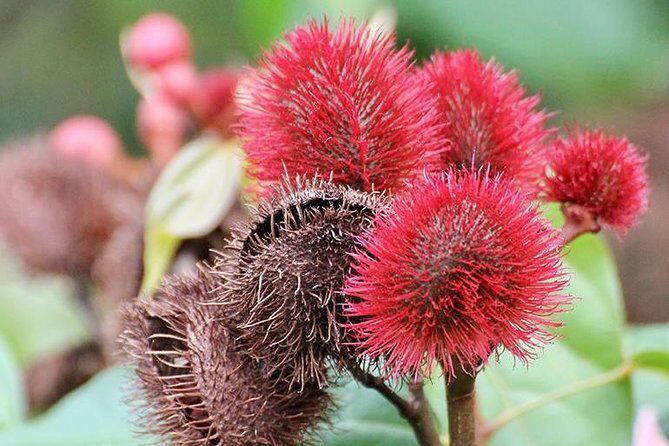
Once you leave the bath stop, you’ll travel through countryside that’s heavy with greenery and then step into the working landscape of a Zanzibar spice farm (shamba). This is the point where the tour becomes more than sightseeing. You’re not just viewing plants behind a fence; you’re walking through the kinds of areas where cloves, herbs, and fruit trees grow and are cultivated.
The tour focuses on both the crops themselves and how they’re used. Your guide points out the plants and explains what they contribute, then you get hands-on time with smelling and tasting. That blend is what makes this experience work for a wide range of travelers: food lovers get the payoff, and history-and-culture people still get plenty to think about.
Expect to move at an easy walking pace, but the day is still outdoors and active. The tour notes that it requires moderate physical fitness, which usually means you should be comfortable with uneven ground and standing for stretches as the guide talks. Wear walking shoes you don’t mind getting dusty or scuffed.
The flavors you’ll taste: spices, herbs, and island fruit
This is where the tour earns its keep. You’ll smell and taste a list of spices, herbs, and tropical fruits tied to Zanzibar’s everyday food culture and trade identity.
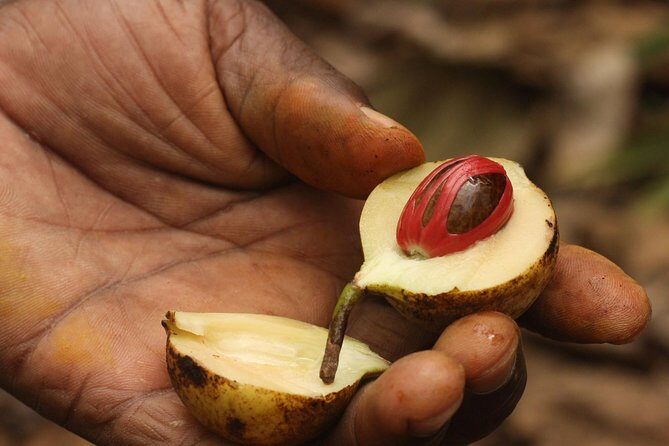
On the spice side, you can expect sampling and explanations around clove, lemongrass, nutmeg, cinnamon, turmeric, vanilla, chili, black pepper, cardamom, plus cassava. Coconuts come up as well, and the tour treats them as part of the same practical “what grows here” picture.
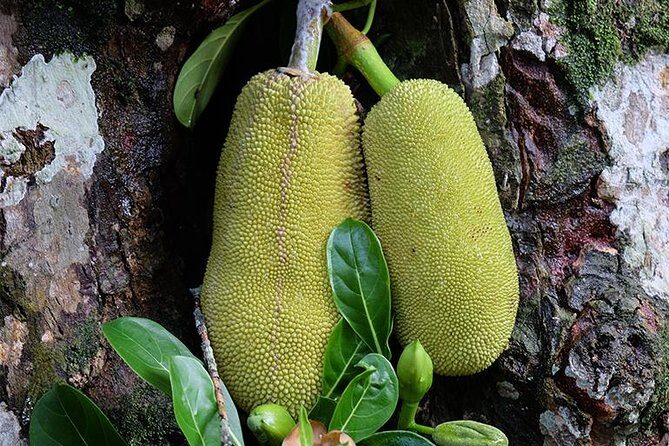
On the fruit side, you’ll get tropical tastings such as jackfruit, pineapple, banana, green coconut juice, durian, love apple, litche, plus oranges. The idea isn’t just to say you tried things. The guide’s job is to help you connect the tastes to what you’ll see in markets and in local dishes later.
One more practical point: tasting can be intense if you’re sensitive to strong aromas. If you don’t love powerful smells, you can still participate. Ask your guide to describe what to focus on, and take small tastes rather than rushing into full portions.
Why the guide explanations matter (and how to use them later)
A good spice farm guide doesn’t just name plants. They show you how Zanzibar spices behave in real life: what’s used for fragrance, what’s used for heat, and how different ingredients show up in cooking.
This tour is built to do exactly that. As you walk, your guide describes how each crop can be used, and the tasting acts like a memory anchor. After you’ve smelled clove and cinnamon on-site, it’s easier to spot them again when you’re buying spice blends later. It also helps you avoid the common tourist mistake of buying expensive souvenirs that you never actually use.
The tone is also a big part of the value. One review highlighted a guide who was both relaxed and genuinely informed, and that matches the experience style here. You’re not stuck in a rigid classroom mode. You get explanations, but you also get room to ask questions and slow down as you smell.





The Persian bath contrast: history you can feel
The best thing about pairing Kidichi Persian Baths with a working shamba is how it forces a real-world connection. Zanzibar’s spice story is tied to arrivals, trade routes, and cultural mixing. The tour doesn’t throw big dates at you; it shows you physical reminders of that mixing.
Kidichi Persian Baths reflect Persian influence through design choices like the domed bathhouses and ornate stucco work. Meanwhile, the spice farm is the day-to-day engine behind the island’s global reputation. Put together, you get a clearer mental map: history wasn’t only political, it was tied to what people grew, exchanged, and consumed.
If you like walking tours that have a reason for their route, this setup feels logical. You’re not bouncing between unrelated stops. You’re moving from a cultural symbol to an agricultural reality.
Optional cooking class: when it’s worth adding
There’s an option to add a cooking class in the spice farm upon request. If you want to go beyond tasting and learn how to translate those smells into actual food, this is usually the natural next step.
Whether it’s worth adding depends on your schedule and appetite for extra time. The base tour is already about three hours, so if you’re tight on time, you can skip it and still come away with a strong appreciation for spices and flavors. If you’re staying long enough to do market shopping and cook at least one meal, adding the class can make your purchases more useful.
Spice shopping after the tastings: buy with confidence
The tour calls out that it’s perfect time to shop for spices, and that’s not marketing fluff. When you’ve just smelled clove and tasted something like orange or green coconut juice, you’re more likely to buy products you can identify later.
Here’s how to shop smarter after this:
- Focus on ingredients you can name clearly after the tour: clove, nutmeg, cinnamon, turmeric, cardamom.
- Ask what each spice is used for, not just how it smells.
- If you’re buying spice mixes, make sure you understand which flavors dominate.
Even if you don’t buy right away, you’ll know what to look for when you pass stalls back in Zanzibar City. That alone can save you money.
Price and value: is $50 per person fair?
At $50.00 per person for about 3 hours, the price can feel either reasonable or high depending on what you expect. Here’s the honest value breakdown.
You get:
- A professional tour guide
- Hotel pickup and drop-off
- A bottle of water
- Admission ticket included for the bath stop
- A small group max of 20
Most tours in this category are paying for guide time plus transport. What makes this one stand out is the tastings and the shamba walking, which add real sensory value that you can’t replicate by reading menus or watching videos.
If you’re the type of traveler who likes to understand what you’re buying and eating, this price tends to feel fair. If you mainly want quick photos and a short stop, you may find you could do something cheaper. But if you want flavors you’ll remember and spice knowledge you can use, $50 doesn’t look outrageous for what you’re getting.
Who should book this spice farm tour
This is a great fit if you:
- Want a hands-on spice and fruit tasting experience
- Enjoy learning how local crops are cultivated and used
- Prefer walking tours with a guided story
- Plan to shop for spices and want to buy with more confidence
It may not be ideal if:
- You don’t enjoy outdoor walking in warm conditions
- You want a purely historical tour with indoor stops only
- You’re looking for a long meal-focused experience (lunch isn’t included)
Practical planning tips before you go
A few details will make your tour smoother.
Wear comfortable shoes. You’ll be walking through a working farm area. Even when the pace is easy, the ground can be uneven.
Plan for sun and scents. You’ll be smelling and tasting strong aromatics like spices and herbs. Bring sunglasses, and consider light sun protection.
Don’t plan on lunch. Lunch isn’t included, and coffee or tea isn’t included either. If you’re on a tight schedule, grab a snack before the tour or plan your next meal afterward.
Restroom planning matters. There is no restroom on board, so use facilities before you get in the vehicle.
Finally, keep an eye on weather. The tour notes it requires good weather, and if it’s canceled for poor weather you’ll be offered a different date or a full refund.
Should you book Spice Farm Tour – Half Day?
I’d book it if you want a memorable Zanzibar experience that mixes agriculture, flavor, and cultural context in one smooth half-day plan. The pairing of Kidichi Persian Baths with a spice shamba is a smart route, and the tastings make the learning stick. With a $50 price tag, the value looks best for food-minded travelers and anyone who plans to shop for spices.
Skip it only if you dislike walking, don’t want sensory tastings, or you’re looking for a longer dining-centered tour. Otherwise, this is one of those trips where you leave with both stories and practical spice knowledge you can actually use back home.
FAQ
How long is the Spice Farm Tour (Half Day)?
The tour lasts about 3 hours (approx.).
Where is the tour located?
The tour is in Zanzibar City, Tanzania, with a first stop at Kidichi Persian Baths.
What is the price per person?
The price is $50.00 per person.
Is hotel pickup and drop-off included?
Yes. Hotel pickup and drop-off are included, along with a bottle of water.
What do you smell and taste during the tour?
You’ll smell and taste spices, herbs, and tropical fruits, including items such as clove, lemongrass, nutmeg, cinnamon, turmeric, vanilla, cassava, chili, black pepper, cardamom, and tropical fruit like jackfruit, pineapple, banana, green coconut juice, durian, love apple, litche, and oranges.
Is a cooking class available?
Yes. A cooking class option in the spice farm is available on request.
How big is the group?
This tour/activity has a maximum of 20 travelers.
What happens if the weather is poor?
If the tour is canceled due to poor weather, you will be offered a different date or a full refund.