REVIEW · ARUSHA
Affordable 3-Day Safari to Serengeti & Ngorongoro Crater
Book on Viator →Operated by VISION SAFARI & TOURS · Bookable on Viator
One of Africa’s best wildlife combos fits into just 3 days. Serengeti plains for herds and predators, then Ngorongoro Crater for high-density viewing and a real shot at the black rhino. It’s also organized in a straightforward way, with pickup support and a professional guide running the show.
I like that the trip keeps you on safari time: game drives with a picnic lunch during the long day, rather than constant back-and-forth. I also like the practical value for $780, because meals and camping equipment are included and the park admissions are marked as free/included in the tour notes.
The main drawback is comfort level: you’ll be sleeping at campsites (Seronera and Ngorongoro Simba). If you’re used to hotels, you should know this is a more basic, outdoors style setup, and you may need to adapt.
In This Review
- Key highlights worth your attention
- From Arusha: 6:00 am start, pickup support, and the basics you should plan for
- Day 1 in Serengeti: picnic-lunch game driving and the promise of migration herds
- Day 2: crossing from Serengeti toward Ngorongoro with crater-rim sleep at Ngorongoro Simba
- Day 3 in Ngorongoro Crater: one of Africa’s best wildlife theatres
- Campsites and meals: what’s included, and what to expect from a more outdoor stay
- Price and logistics: how $780 per person can make sense (or not)
- Wildlife focus: Great Migration timing, predator chances, and why the crater is different
- Who this safari fits best (and who should reconsider)
- Should you book this Serengeti and Ngorongoro safari?
- FAQ
- What time does the safari start?
- Where is the meeting point, and where do we end?
- How long is the safari?
- How much does the safari cost?
- Is pickup included?
- What’s included in the price?
- What’s not included?
- Is cancellation free?
Key highlights worth your attention
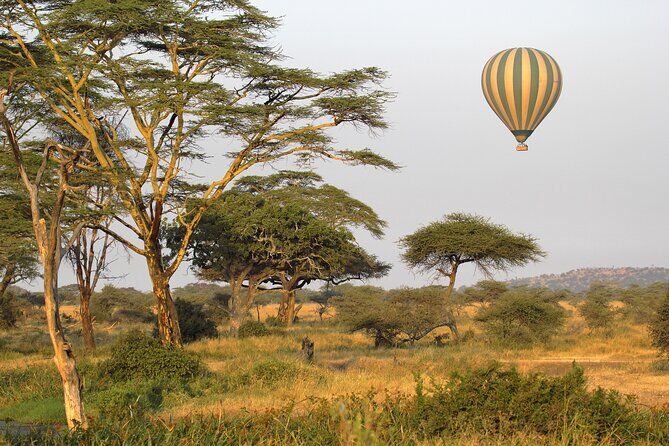
- Serengeti odds for the Great Migration with a day-long drive and chance to spot lions, elephants, giraffes, and plenty of birds
- Crater rim overnight at Ngorongoro Simba Campsite so you start Day 3 with better timing and fewer headaches
- Picnic lunches built into the safari rhythm so the day stays focused on animals and viewpoints
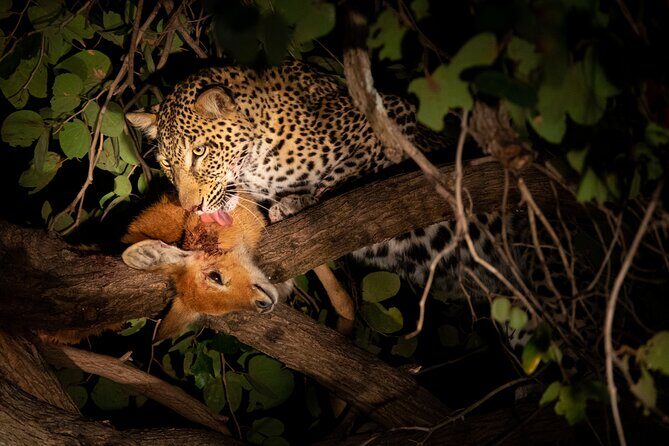
- Expert guiding for predator spotting and rare black rhino chances inside the crater
- Strong trip coordination through Vision Safari & Tours (including support from Shebbie, known for clear, quick communication)
- Value pricing with meals and camping gear included while tips and personal items remain your responsibility
From Arusha: 6:00 am start, pickup support, and the basics you should plan for
This safari begins in Arusha, with pickup offered and a listed start at 6:00 am from Meru House Inn. That early start matters. It gives you more time in the parks, when animals tend to be more active and light is better for spotting.
You’ll also get a mobile ticket, which is handy because you won’t be juggling paper confirmations. The tour notes say the activity can have up to 100 travelers, but your day-to-day experience depends more on how the safari vehicles are arranged than the headline number. Either way, going with a company that clearly coordinates pick-up and timing helps a lot in a country where things can move on local schedules.
One small thing to keep in mind: this is a road-heavy circuit. You’re moving between Arusha, Serengeti, and Ngorongoro over a short window, so plan to treat the transfer days as part of the experience, not a break from it. Long drives can be great for spotting wildlife en-route, but bring a calm attitude.
A few more Arusha tours and experiences worth a look



Day 1 in Serengeti: picnic-lunch game driving and the promise of migration herds
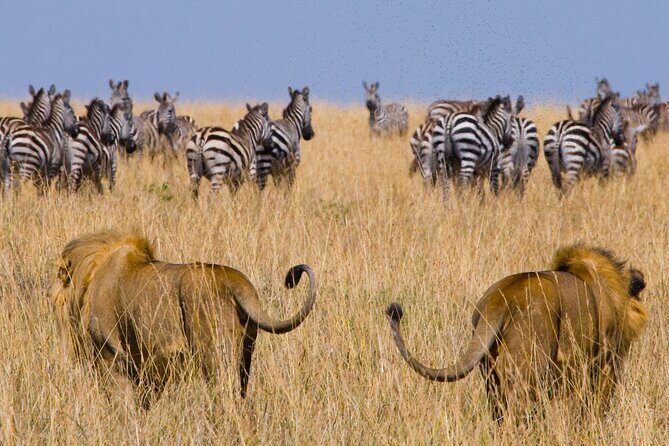
Day 1 is your Serengeti introduction, starting with a drive from Arusha into the park. The highlight here is the Serengeti’s scale—endless plains where the wildlife spreads out across the horizon. The tour is built around the idea that you’ll see the herds associated with the Great Migration, along with zebras, wildebeest, gazelles, and predators.
You’ll do an afternoon game drive with a picnic lunch handled during the drive. That’s a real quality-of-life detail. In safari land, constant stops can cut into sighting time, so having lunch integrated into the outing keeps your momentum.
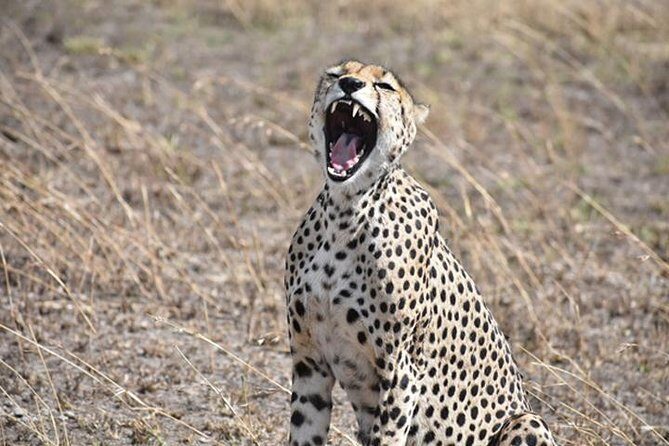
Serengeti is also about variety, not just one animal. Expect lions lounging in shade, elephants out in open country, giraffes moving with purpose, and a lot of birds. The tour notes specifically frame the day around the movement of wildebeest and other grazers across migratory routes, which is exactly the kind of thing that makes this park feel almost unreal the first time you see it.
At night, you’ll stay at Seronera Campsite. Campsite sleeping is part of the Serengeti story—watching the savanna change after sunset is a different experience than arriving back at a lobby hotel. Just know: this is more rustic than resort style, and it can feel chilly or loud depending on conditions.
Day 2: crossing from Serengeti toward Ngorongoro with crater-rim sleep at Ngorongoro Simba
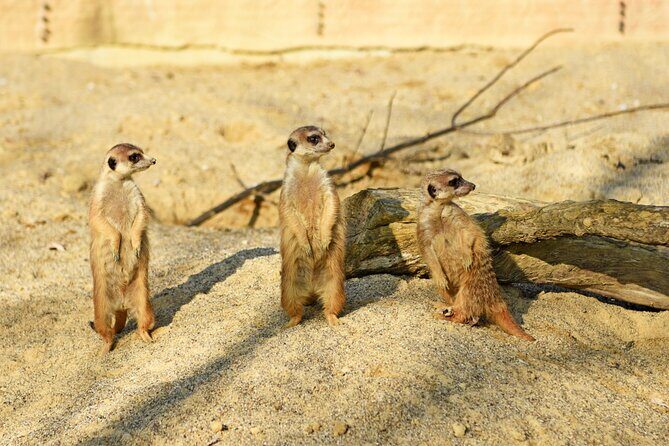
On Day 2, you’ll start with a morning game drive in Serengeti, then shift toward Ngorongoro. After an early lunch, the driver-guide makes the transfer and uses the time to explain what you’re seeing along the way—wildlife and the natural beauty of Tanzania.
That en-route storytelling is more than filler. When you understand what habitats you’re passing and why animals use certain areas, you spot faster and feel less like you’re just waiting. If you’ve never done a safari before, this kind of guided context helps you get your bearings fast.
By Day 2 night, you’ll sleep on the crater rim at Ngorongoro Simba Campsite. That location choice is smart. Staying on the rim reduces the time you spend scrambling for viewpoints after a long day. It also sets you up for Day 3’s crater schedule, where timing is everything for good light and steady wildlife movement.
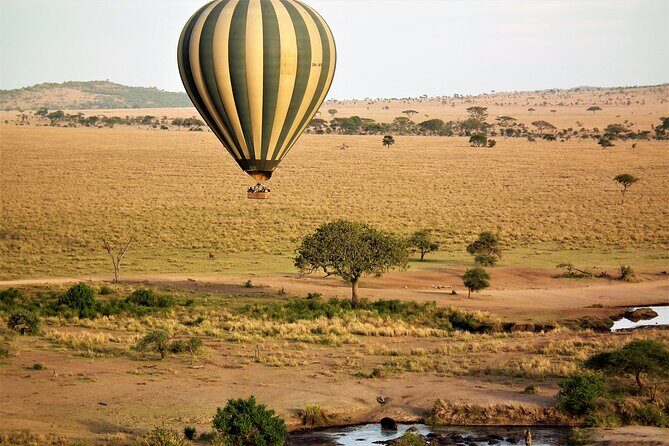
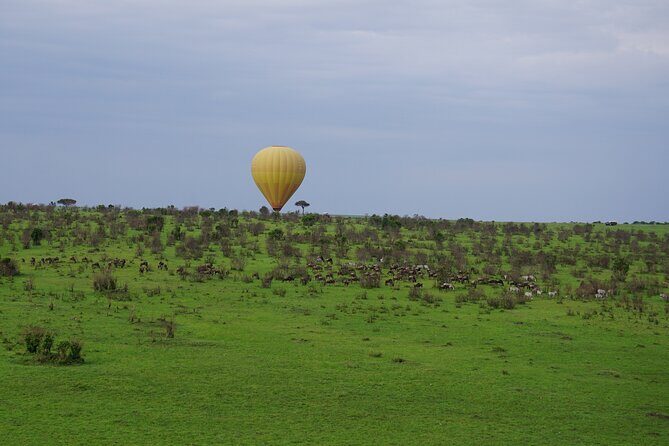
The tour description also mentions possible add-ons on Day 2, depending on what’s included in your package and timing—like a sunrise hot air balloon ride or visiting Lobo Maasai rock paintings. Those are the kinds of cultural or aerial options that some safari travelers like to add when they can. If those matter to you, ask before you go so you’re not left guessing.
Day 3 in Ngorongoro Crater: one of Africa’s best wildlife theatres
Ngorongoro is the kind of place that makes you understand why people call it a natural amphitheater. The crater was formed when a huge volcano collapsed about two million years ago, and the result is a compact ecosystem with strong animal density.
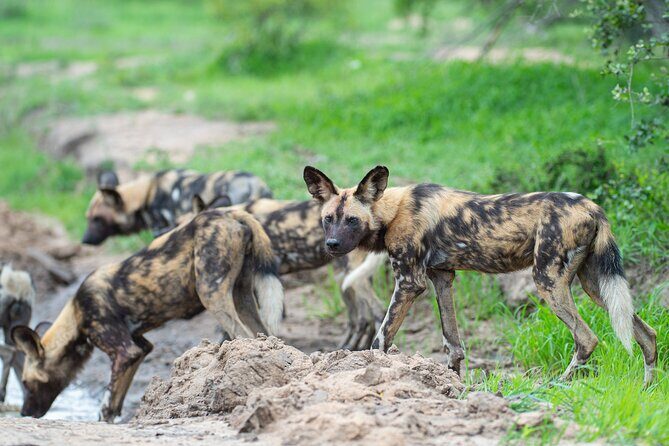
Day 3 starts with breakfast, then you’ll collect picnic lunches for the crater day. You’ll head into Ngorongoro Crater, a UNESCO World Heritage Site, in search of animals like buffalos, zebras, wildebeest, and lion families. The tour notes emphasize that the crater has some of the best odds in Africa for spotting the rare black rhino, along with the classic “Big Five” category that many safari check-listers care about.
This is where a good guide really earns their fee. In a place like Ngorongoro, animals may be everywhere, but the trick is knowing where to look first and how to read movement—especially with predators and shy species. The tour explicitly frames the experience around the guide helping you get strong wildlife sightings, and that’s consistent with the way many first-time safaris feel successful when you aren’t just staring at distance.
After your crater day, the driver-guide transfers you back toward Arusha for drop-off. That’s important for planning: this 3-day trip is built as a loop, not a one-way transfer to a different region.
Campsites and meals: what’s included, and what to expect from a more outdoor stay
One of the best parts of this safari’s value is the food plan. The tour includes:
- Breakfast (2)
- Lunch (3)
- Dinner (2)
It also includes camping equipment and a professional guide, plus dinner and breakfast for the nights you’re out in the bush. In real-life terms, it means you’re not scrambling for meals between park stops, and it keeps the days smoother.
That said, the style of sleeping is outdoors. You’ll be at Seronera Campsite and Ngorongoro Simba Campsite. In the field, campsite setups can vary by season and by what level you booked, and one past safari experience noted that economy/public camps require adaptation. If you want things like warm showers and hotel-level quiet, you might find this more basic than you hoped.
On the positive side, there are signs the cooking experience can be enjoyable even in a camping context—one review mentioned the chef setup feeling personal for the group size. For you, the practical takeaway is simple: this is a shared safari setup, so be open to group rhythm. If you need privacy every minute, campsites may not feel like your speed.
A few more Arusha tours and experiences worth a look

Price and logistics: how $780 per person can make sense (or not)
At $780 per person for about 3 days, the headline price is only part of the story. What matters is what’s included.
From the tour information, you get:
- camping equipment
- a professional guide
- meals (2 breakfasts, 3 lunches, 2 dinners)
- pickup support
- mobile ticket
- park admission noted as free for Serengeti parts, and included for the Ngorongoro crater day
What’s not included:
- tips
- international flights
- personal items
- roundtrip airport transfer
So the “value math” is: you’re paying for the core safari infrastructure—vehicle time, guiding, food, and sleeping setup—rather than piecing it together yourself. That’s usually where guided safari packages feel worth it, especially if you want a smooth first-timer experience.
The one budgeting item you should not forget is tips. If you’re trying to keep the overall cost down, decide on a tip amount in advance and carry it ready. Also check whether you’ll need a separate transfer from wherever you stay in Arusha, because roundtrip airport transfer is listed as not included.
Wildlife focus: Great Migration timing, predator chances, and why the crater is different
This is a safari with a clear wildlife plan. Day 1 emphasizes Serengeti and the Great Migration theme—wildebeest and zebra movement across the plains, plus predators like lions. Day 2 is about getting you to Ngorongoro with more game drives and en-route wildlife explanations. Day 3 is the “density day,” where Ngorongoro’s structure concentrates animals in a smaller area.
Now, a reality check: migration sightings depend on timing and conditions. The tour frames the migration as a central attraction, but even when herds are not exactly where you expect, Serengeti can still deliver major sightings—especially lions, elephants, and large mixed herds.
Ngorongoro is the stabilizer. The crater’s environment—grasslands, forests, and a soda lake—supports a mix of habitats inside one bowl. That’s why the tour notes highlight the crater’s high concentration of animals and the chance at rarer species like the black rhino. In plain terms: if you’re chasing a “wow” day, Day 3 is the one built for it.
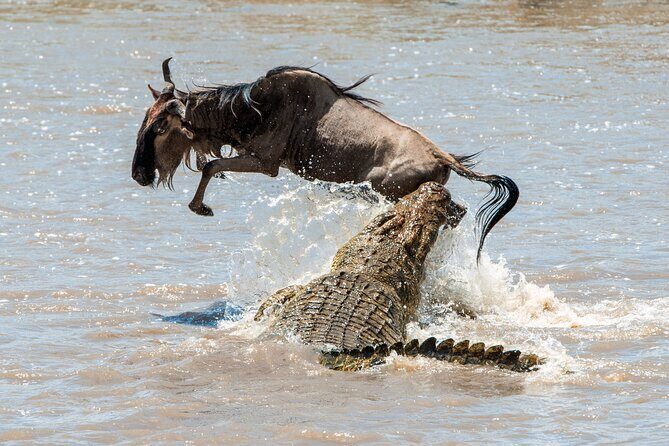
Also, don’t underestimate how much predator behavior can move the whole mood of the day. The tour description points to drama in predator-prey interactions, and those moments are often what you remember years later: a sudden chase, a lion repositioning, a herd tightening up like a living fence.
Who this safari fits best (and who should reconsider)
This package is a great fit if you want:
- a short, well-paced circuit combining Serengeti + Ngorongoro
- a guided experience with help spotting animals (not just driving and hoping)
- included meals and camping gear to simplify planning
It can also work well for different traveler types. One past solo female experience described smooth planning from start to finish with Shebbie from Vision Safari & Tours. Families with kids also described the driver-guides as helpful and that the kids loved being out there.
You might want to reconsider if:
- you need hotel-style comfort every night
- you prefer not to start at 6:00 am
- you’re trying to avoid any additional costs like tips and personal spending
If you’re flexible and excited by safari life—even the basic, outdoor parts—this is the kind of trip that delivers memorable animal time without turning your days into logistics chores.
Should you book this Serengeti and Ngorongoro safari?
If you’re planning your first Tanzania safari and you want two iconic areas in just 3 days, I think this one is worth serious consideration. The combination of Serengeti plains for big movement and Ngorongoro for dense viewing is a strong wildlife strategy, and the inclusion of guide, meals, and camping equipment helps keep the trip practical.
Book it if you’re okay with campsite sleeping and you value a “get out there early and stay out there” schedule. Be cautious if you’re expecting luxury hotels—this is more outdoors than that. And before you commit, confirm whether any optional add-ons (like balloon or Lobo rock paintings) are included in your exact departure so you don’t end up paying extra for what you assumed would be part of the package.
FAQ
What time does the safari start?
It starts at 6:00 am, with the listed meeting point at Meru House Inn on Sokoine Rd in Arusha.
Where is the meeting point, and where do we end?
The meeting point is Meru House Inn, Arusha, and the tour ends back at the meeting point.
How long is the safari?
The trip runs for 3 days (approx.).
How much does the safari cost?
The price is $780.00 per person.
Is pickup included?
Pickup is offered, according to the tour information.
What’s included in the price?
Included items are camping equipment, a professional guide, breakfast (2), lunch (3), dinner (2), and admission is shown as free for Serengeti parts and included for the Ngorongoro crater day.
What’s not included?
Not included: tips, international flights, personal items, and roundtrip airport transfer.
Is cancellation free?
Yes, there is free cancellation up to 24 hours in advance for a full refund (based on local time).