REVIEW · DAR ES SALAAM
3 Days 2 Nights Mikumi National Park from Dar es salaam road trip
Book on Viator →Operated by Safaris Partners · Bookable on Viator
Three days, one wildlife obsession: Mikumi. This Dar es Salaam safari turns a long drive into serious animal time, with game drives in key areas like the Mkata floodplain and Hippo dams.
I especially liked the WD safari jeep with pop-up roof, which makes spotting and photos easier when animals pop out of the bush. I also love that your price covers the heavy stuff—park admission fees, meals, and two nights in/near the action—so you’re not constantly figuring out logistics. The one drawback to plan for is the schedule: you’re looking at about a 6-hour road journey to Mikumi on Day 1, plus a late return on Day 3, so pack patience along with snacks.
In This Review
- Key Things I’d Watch Before Booking This Mikumi Road Trip
- Mikumi National Park From Dar es Salaam: Why This Road Trip Makes Sense
- Your Transport: WD Safari Jeep With Pop-Up Roof (And Why It Matters)
- Day 1: The Dar-to-Mikumi Drive, Lunch Stop, and Evening Game Drive
- Day 2: Full-Day Game Drive and the Mkata Floodplain Spotting Rhythm
- Day 3: Morning Game Drive, Then a Picture-Slow Return to Dar es Salaam
- Big Five Reality Check at Mikumi (And the Animals You Should Aim For)
- Food, Water, and the Real Meaning of “Full Board” Here
- Accommodation Choices: Budget Camping Inside the Park vs Mid-Range and Luxury
- Guides and Communication: What Makes the Difference on Safari
- Price and Value: Is $820 Per Person a Good Deal?
- Who Should Book This Mikumi Trip (And Who Might Rethink It)
- Should You Book This Mikumi Safari From Dar?
- FAQ
- What time does pickup happen in Dar es Salaam?
- How long is the drive from Dar es Salaam to Mikumi National Park?
- What game drive time do I get during the safari?
- What is included in the price?
- Are flights included?
- Is this tour private?
Key Things I’d Watch Before Booking This Mikumi Road Trip
- A fast way to do a real safari from Dar es Salaam: You get two full-ish wildlife days without flying.
- Pop-up roof jeep game viewing: You’ll be in a better height position for spotting and photos.
- Sleep inside the park area: Overnighting at the campsite/lodge setup keeps the safari rhythm tight.
- Long Day 2 game drive: Expect a full day out with a packed lunch and lots of chances.
- Big Five potential plus extras: Mikumi can produce lions, elephants, buffalo, and more, with wild dogs listed as a possibility.
- Private tour means real flexibility: It’s only your group, so you’re not stuck watching from someone else’s agenda.
Mikumi National Park From Dar es Salaam: Why This Road Trip Makes Sense
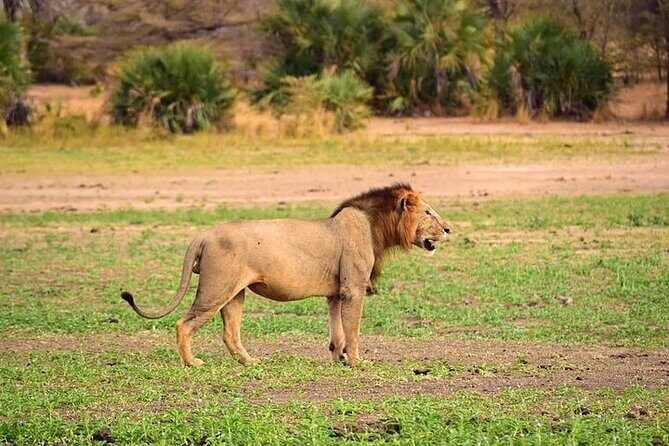
Mikumi is one of those parks that works well when you want safari time but don’t want to spend your whole trip flying and transferring. The value here is the way the itinerary squeezes daylight into wildlife viewing: you start early from Dar es Salaam, reach the park by late afternoon, then run another big day of game drives.
You also get a helpful “compare it to something you’ve heard of” detail: the Mkata floodplain area is often likened to the Serengeti Plains, mainly because of the open horizons and constant animal movement. That matters because open country tends to make spotting feel more immediate than deep, dense forest.
One more practical reason I like this approach: you’re traveling with a dedicated driver-guide from the moment you’re picked up. That reduces the usual hassle of trying to line up vehicles, park entry, and guiding on your own.
A few more Dar es Salaam tours and experiences worth a look
Your Transport: WD Safari Jeep With Pop-Up Roof (And Why It Matters)
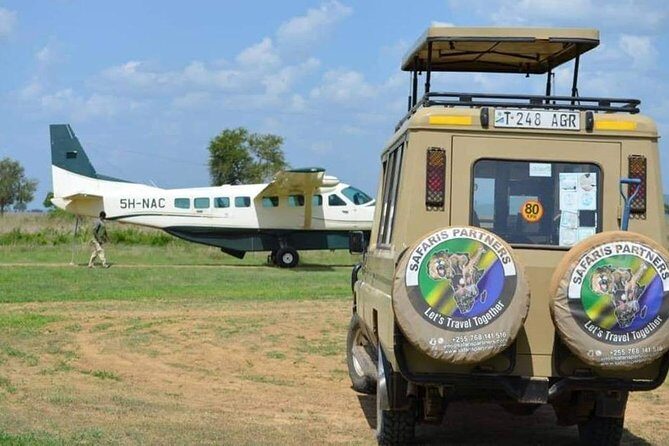
This isn’t a quick ride to the gate. You’re doing a road safari in a WD safari jeep with a pop-up roof, which changes your viewing experience. Instead of craning around inside the vehicle, you’re higher up and ready to look across the plains when animals appear at distance.
It also helps during those moments that make safaris addictive: the sudden stop, the short silence, the guide pointing out tracks or behavior, then the animal moving into view. A pop-up roof setup makes those scenes easier to catch on camera without awkward angles.
For comfort, remember you’re doing long game-drive stretches. Bring what you need for sun and warmth, because you’ll be outside your cabin for plenty of hours across the trip. The tour includes mineral drinking water, but it won’t cover everything else you might want to stay comfortable.
Day 1: The Dar-to-Mikumi Drive, Lunch Stop, and Evening Game Drive
Day 1 starts with a pickup at 6:30 am in Dar es Salaam, and then you’re on the road for about 6 hours toward Mikumi National Park. There’s a lunch stop in Morogoro town before you reach the park late afternoon.
What I like about arriving late afternoon is that it doesn’t feel like a wasted travel day. You still get an evening game drive, and that first push matters because many animals shift their behavior as light changes. Your evening drive covers different zones such as the Mkata plain, the Kisungura area, and the Hippo dams—a useful mix if you want variety right away.
Overnight is at a campsite inside Mikumi National Park in the budget setup option described in the plan. Dinner and sleep are handled, and all meals are included for the day. If you’re the type who hates late-night planning after a long drive, this is a relief: you arrive, you drive, you eat, you rest.
Day 2: Full-Day Game Drive and the Mkata Floodplain Spotting Rhythm
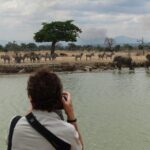
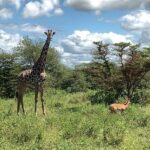
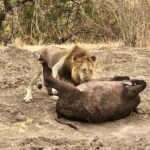
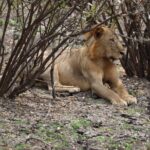
This is the day that most safari dreams are built on: a full day game drive in Mikumi, with a packed lunch and long hours out on the road. The plan notes typical animals you can encounter, including lion, eland, buffalo, wildebeest, giraffe, zebra, and elephant. It also calls out that wild dog can be seen in packs.
The Mkata floodplain portion of Mikumi is the centerpiece. The reason it’s such a big deal is visibility and movement. Open areas tend to give you repeated chances: animals feed, drink, and move through the open ground, and you’re more likely to see them without relying on a lucky bush-to-bush peek.
A practical tip for this day: treat it like a day of work with breaks only when the game drive allows them. Bring a camera strap you can trust, keep your lens clean, and be ready for changes in tempo—slow scanning when nothing is visible, then quick stops when the guide spots something.
Even with the best planning, wildlife sightings are never fully guaranteed. Still, Day 2 is structured to maximize your time in the zones where animals are most likely to show themselves.
Day 3: Morning Game Drive, Then a Picture-Slow Return to Dar es Salaam
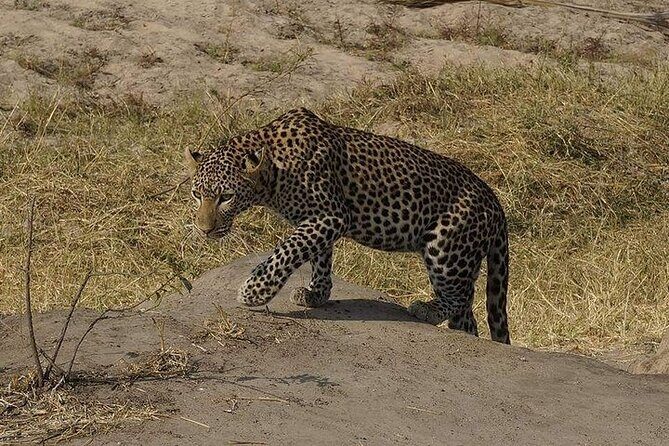
On the final morning, you get another chance to see wildlife with a morning game drive for about 3 hours. After that, you drive out and start the return journey to Dar es Salaam.
The plan includes an en route game-drive style stop: it’s described as a slow drive so you can take pictures while heading back. Translation: you’re not rushing straight to the city the second you leave the park. You get a bit more wildlife time, even on the way out.
You’ll arrive in Dar es Salaam late evening and be dropped at your hotel or the airport. If you’re using this safari as part of a larger trip, this timing matters. I’d plan your connecting plans carefully so you don’t feel rushed at the end.
The tour also notes you can arrange additional accommodation for an extra cost if you need more time in Dar after the safari.
Big Five Reality Check at Mikumi (And the Animals You Should Aim For)
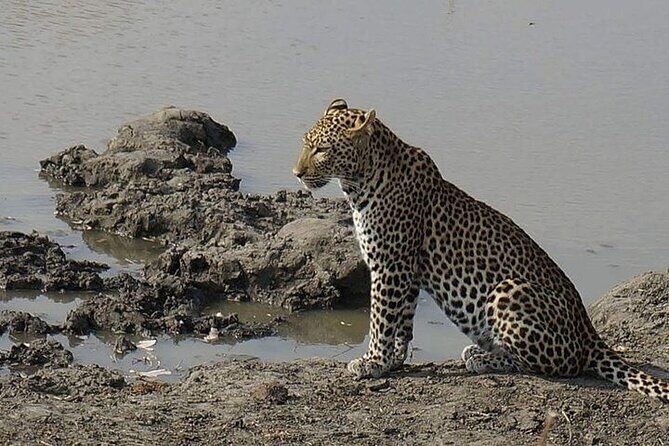
Let’s keep this honest: “Big Five” in any park is about probability, not certainty. The tour highlights Big Five at Mikumi, and the animal list you’re given includes several of those headline species—lions, elephants, buffalo, and more.
Here’s how I’d think about the lineup based on the details in the plan:
- Hippos: You’ll specifically drive through areas like Hippo dams, so hippo sightings are part of the plan, not just a hope.
- Big cats and large herbivores: Lions plus elephants, buffalo, zebra, wildebeest, and giraffe are all named as common enough to expect.
- A special bonus possibility: Wild dogs in packs are mentioned, which is the kind of sighting that feels extra rare and unforgettable when it happens.
- Masai giraffes: The tour overview includes Masai giraffes, so giraffe sightings should be on your radar.
One extra animal detail from real-world experience that fits Mikumi well: some guides have been able to show sightings that aren’t guaranteed, including cheetah in at least one case. That’s a reminder that a skilled guide can sometimes turn a normal day into a standout one—especially when they understand animal movement and where to slow down.
Food, Water, and the Real Meaning of “Full Board” Here
The included meals make a big difference on a safari like this. You’re not trying to find restaurants or negotiate lunch stops while wildlife viewing is the priority.
In the plan, you get:
- Breakfast (2)
- Lunch (3)
- Dinner (2)
- Mineral drinking water during the tour
- A picnic lunch box
Alcohol is not part of the included package. The tour notes alcoholic drinks are available to purchase, so you can still have a drink if you want, just don’t expect it covered.
What I like about the food setup is timing. You can eat and get back to the jeep without losing the day. Packed lunches on long drive days keep you in position for animals that show up when you least expect it.
Accommodation Choices: Budget Camping Inside the Park vs Mid-Range and Luxury
The tour is set up with different accommodation packages—budget, mid-range, or luxury—so you can match the trip to your comfort level and budget. The example itinerary description focuses on a budget camping option inside Mikumi National Park.
That’s the tradeoff to consider. Camping inside/near the park typically means you’re closer to the wildlife routine, and you’re not spending extra time commuting. But “camping” also tends to be simpler than a full lodge experience. If you know you want more comfort at night—cleaner rooms, more privacy, less outdoor setup—you’ll likely want to choose one of the higher accommodation tiers.
The good news is that the package structure means you’re not forced into one style. You can pick the level that keeps the safari fun instead of stressful.
Guides and Communication: What Makes the Difference on Safari
On safari, the guide is not background. The guide is your spotting partner, your safety check, and your translator of animal behavior.
In the experience described, the tour includes an English-speaking guide, and the plan also says the team may use multi-lingual guides. In practice, you’ll see proof of that. Several guide names come up with strong feedback—Edward, Hamis, Frederic, Santiago, Fred, and Patrick—and the common theme is being punctual and patient with questions.
One more practical detail I appreciated from real examples: there can be WhatsApp communication before the trip, which helps you feel less lost when you’re starting from an airport or a hotel in Dar es Salaam. That kind of contact can make pickup day smoother.
Also, one named guide was described as speaking French very well, which is useful if that’s your comfort language. Even if your main language is English, clear guiding makes a wildlife drive much more rewarding—because you understand what you’re seeing, not just that you saw something.
Price and Value: Is $820 Per Person a Good Deal?
At $820 per person, this safari isn’t “cheap,” but it’s also not wildly priced for what you’re getting. Here’s where the value is hiding.
What’s included:
- Private WD safari jeep with pop-up roof
- Accommodation in the park (package level varies by option)
- All meals listed in the plan (2 breakfasts, 2 dinners, 3 lunches)
- Mineral water
- Picnic lunch box
- English-speaking guide
- All government fees
- Park admission tickets included
What’s not included:
- Flights (local/international)
- Tips
- Beverages & alcohol
- Personal expenses
- Medical insurance
So the real question is whether you want to pay for a guided road safari setup or build it yourself. If you’re paying for convenience—vehicle, guide, meals, entry fees, and park sleep—this package format starts to look reasonable, especially if you’re short on time.
If you’re coming from another country, flights can easily change the total cost. This is why I’d treat the $820 as the safari portion and then add your flight plan on top.
Who Should Book This Mikumi Trip (And Who Might Rethink It)
This safari is a strong fit if:
- You want a true safari experience with guided game drives but you’d rather do it from Dar es Salaam by road
- You’re traveling on a schedule that can’t support a longer multi-region trip
- You like the structure of two nights in the park area and full board meals handled for you
It may be less ideal if:
- You hate long road travel. Day 1 is about 6 hours of driving before the evening game drive, and Day 3 ends with a late return.
- You’re extremely comfort-focused and would find camping uncomfortable. In that case, choose the mid-range or luxury package option.
Good to know for families: the plan includes a note that child rate applies only when sharing with 2 paying adults, and children must be accompanied by an adult.
Should You Book This Mikumi Safari From Dar?
If you want a practical safari that doesn’t require flying into a far-off region, I think this is a smart booking. The big wins are simple: pop-up roof jeep game drives, park-fee and meal coverage, and a schedule that gives you wildlife time on both arrival and departure days.
I’d book it if you’re the type who enjoys planning less and watching more. And because the tour notes free cancellation up to 24 hours before the start time, you can move forward with less stress if your wider trip dates aren’t final yet.
If you want maximum comfort and minimal rough edges, step up to the mid-range or luxury accommodation option. If you can handle basic nights in the park setup, the budget camping choice keeps the safari feel very real.
FAQ
What time does pickup happen in Dar es Salaam?
Pickup starts at 6:30 am.
How long is the drive from Dar es Salaam to Mikumi National Park?
The drive is described as about 6 hours, with a lunch stop in Morogoro town before arriving in Mikumi.
What game drive time do I get during the safari?
You get an evening game drive on Day 1, a full day game drive on Day 2, and a morning game drive of about 3 hours on Day 3.
What is included in the price?
The plan includes the WD safari jeep with pop-up roof, park admission tickets, English-speaking guide, all government fees, accommodation in the park, mineral drinking water, and picnic lunch box, plus all listed meals (breakfasts, lunches, and dinners).
Are flights included?
No. Local and international flights are not included.
Is this tour private?
Yes. It’s a private tour/activity, meaning only your group participates.
If you tell me your travel month and whether you’re leaning budget, mid-range, or luxury, I can help you pick the best fit and what to pack for long day game drives.