REVIEW · ARUSHA
4 Days Tanzania Safari
Book on Viator →Operated by Super Game Tanzania Tours and Safaris · Bookable on Viator
A safari circuit like this is built for sightings. In four days you hit three of northern Tanzania’s heavy-hitters: Tarangire, Serengeti, and the Ngorongoro Crater, where animal density can turn a normal drive into a full-on wildlife lesson.
I especially like two things about this setup. First, Tarangire’s focus on elephants, baobabs, and dry-season swamps is a smart warm-up before you head into the bigger-plain chaos. Second, the small-group size (up to 7 travelers) helps the day feel more personal, and guides like Sallu can make the drive more than just spotting.
One drawback to keep in mind: you’ll be on the go for long days with early starts and a lot of moving between parks. Also, your pickup time may be listed as either 8:30 AM or 7:30 AM, so you’ll want to confirm the exact pickup in writing.
In This Review
- Key highlights worth planning around
- Why this Arusha-to-crater route makes sense
- Before you go: pickup, timing, and what to expect each day
- Tarangire National Park: elephants, baobabs, and the dry-season magnet
- Serengeti’s Seronera area: where a river pulls the whole show
- The Ngorongoro setup: conservation area rules and Maasai grazing
- Ngorongoro Crater day: a 5-hour drive inside a wildlife bowl
- Group safari vibes: meeting people without losing your focus
- Service quality: guides like Sallu and the SG Tours approach
- Price and value: is $930 per person worth it?
- Best-fit traveler: who this safari suits
- Practical tips that make the safari easier
- Should you book this 4-day northern Tanzania safari?
Key highlights worth planning around
- Tarangire’s elephant herds and the mix of acacia woodland, baobabs, and swamp areas
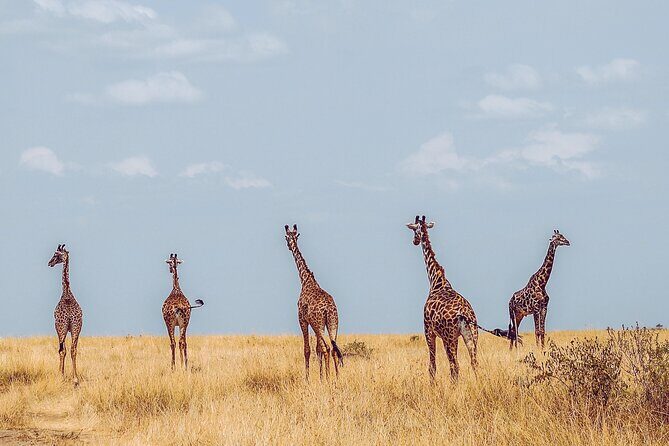
- Serengeti’s Seronera area where the Seronera River brings wildlife to one key zone
- Ngorongoro Crater’s density and the chance to see predators plus black rhino
- Up to 7 travelers in a group safari, so you’re not stuck shoulder-to-shoulder with strangers
- Pickup offered from Arusha and a mobile ticket to keep things simple
- Crater conditions that hold year-round thanks to water supply and fodder (helps wildlife stay put)
Why this Arusha-to-crater route makes sense
This is a classic northern Tanzania loop for a reason. Tarangire gives you a very different “feel” than Serengeti, and Serengeti gives you the wide-open drama that makes people fall in love with East African safaris. Then you end at Ngorongoro, where the crater acts like a bowl and animals pack in close.
You’re not just bouncing randomly between parks. The route is built around three different wildlife engines:
- Tarangire pulls animals toward water and swamps (especially in the dry season).
- Serengeti’s Seronera zone concentrates life because the river keeps feeding the local food chain.
- Ngorongoro Crater holds animals in a tighter space, supported by year-round water and fodder, which can mean more sightings per hour.
If you’re hoping for the Big Five, this route is also planned around that kind of goal. The package language points to Big Five viewing in Serengeti and a strong chance of seeing them in a single day on the crater drive.
A few more Arusha tours and experiences worth a look
Before you go: pickup, timing, and what to expect each day
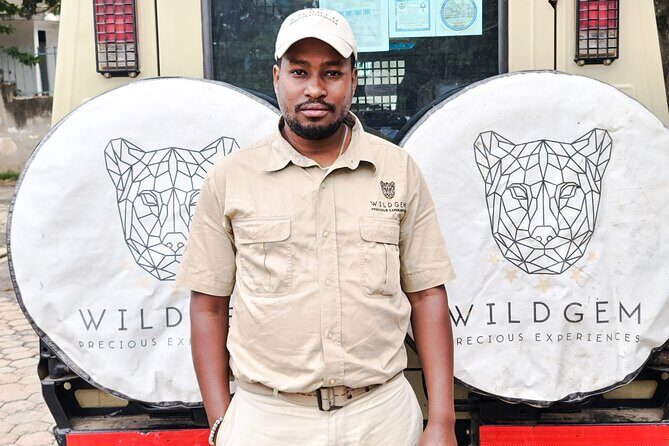
You’ll start with pickup from your hotel in Arusha. The details provided show two possible start times (7:30 AM or 8:30 AM), and the meeting point is listed at Mount Meru Hotel on the Arusha–Taveta Road in the Sekei area. That’s not a deal-breaker, but it is a reason to double-check the confirmed pickup time after booking.
Logistically, your days follow a simple rhythm:
- early start
- full game drive (or game drive plus travel)
- picnic lunch on the move or at the site
- an afternoon drive when time allows
Because this is a group safari with a maximum of 7 travelers, you’ll likely spend more time watching wildlife with the same people each day instead of constantly reshuffling. That can make the experience smoother, especially if it’s your first safari.
Tarangire National Park: elephants, baobabs, and the dry-season magnet
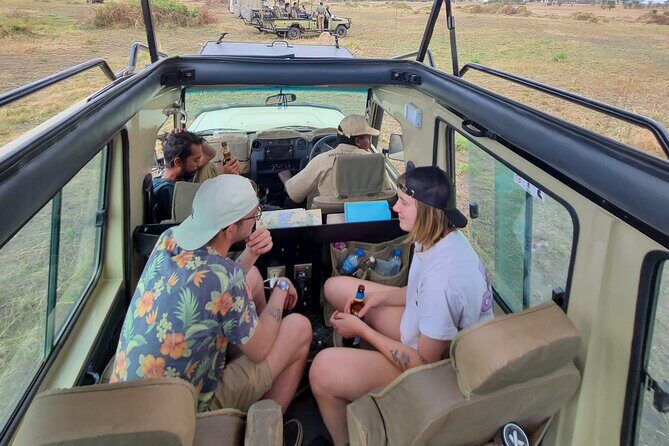
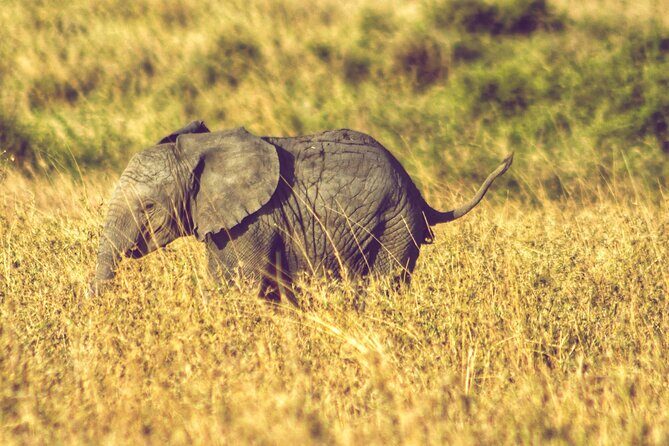
Tarangire is the kind of place that makes you slow down. The park is described as acacia woodland with giant African baobab trees, plus swamp areas in the south. That mix matters because it shapes where animals choose to linger.
Here’s what you should look for on your Tarangire day:
- Elephant herds: Tarangire is reputed for large groups of elephants. If you want that big, calm presence of elephant families crossing a clearing, this is where you have the best shot.
- Water-driven movement: during the dry season, both the river and swamps act like a magnet for animals. Even when the park looks dry, the wildlife often isn’t.
- More than the big mammals: the park is also home to rare species like Greater Kudu, Fringed-eared Oryx, and Ashy Starlings.
One practical note: you’ll be doing a full day game drive with a picnic lunch. That means you should dress for heat and sun but also be ready for cooler moments inside the vehicle early in the day. Pack for long sitting time—because that’s really what safari success is: staying comfortable long enough for the sightings.
Serengeti’s Seronera area: where a river pulls the whole show
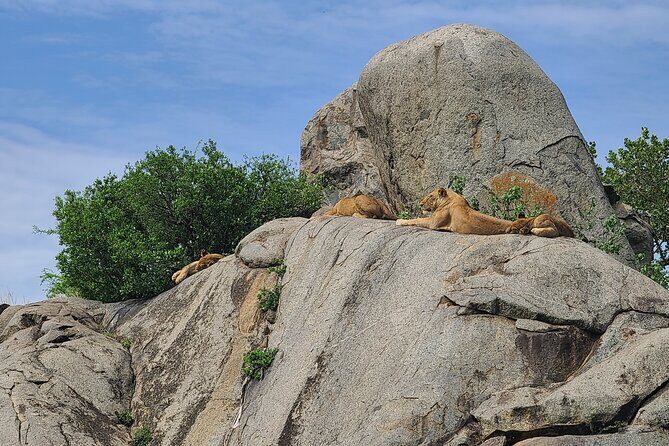
Serengeti is the name people know. But this safari gets specific by aiming for the central park area around Seronera. The description points out that the Seronera River provides a valuable water source, and that attracts wildlife representing many of Serengeti’s species.
What that means for you on the ground:
- Game drives aren’t just “search and hope.” They’re aimed at an area where animals are more likely to be present because water concentrates life.
- You get both timing styles: an afternoon game drive after lunch on Day 2, and an early morning game drive on the following morning before heading to Ngorongoro.
If you’re trying to see more than one type of animal in a single day, targeting Seronera is a smart strategy. The plains can stretch forever, and the payoff is that you’re not limited to just one kind of habitat.
The Ngorongoro setup: conservation area rules and Maasai grazing
After Serengeti, you’ll head toward the Ngorongoro side via the Ngorongoro Conservation Area, with an en-route game drive and picnic lunch. One key detail: Ngorongoro is a conservation area, not a national park. That’s more than a label.
In the conservation area, wildlife and local life share the space. The description notes that the area is managed for both animals and local Maasai people who graze their cattle alongside indigenous wildlife.
For your experience, this can change the mood of your drive:
- You may see signs of grazing life near the route.
- You’re not only watching animals; you’re also watching a working coexistence model.
If you care about more than just wildlife photos, this is a meaningful stop. It adds context to the region and reminds you that conservation here isn’t only about keeping animals behind fences. It’s also about managing land use where people live.
A few more Arusha tours and experiences worth a look


Ngorongoro Crater day: a 5-hour drive inside a wildlife bowl
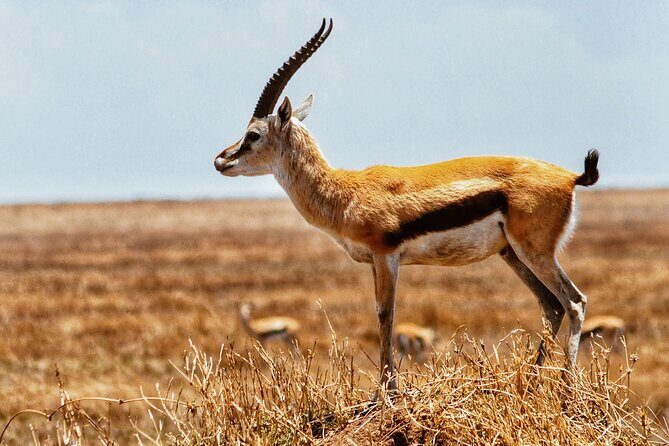
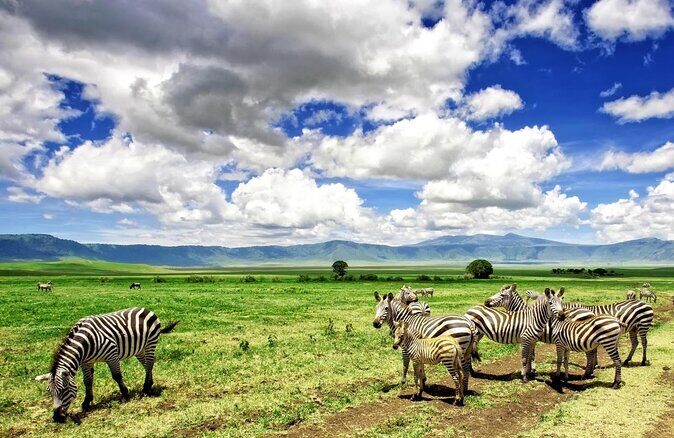
Then comes the crater itself. After breakfast you descend into the crater for about 5 hours of game drive, with picnic lunch on the crater floor. The description calls Ngorongoro Crater one of the most densely crowded African wildlife areas in the world, and it estimates 30,000 animals living there.
That density is the whole point. In a smaller space, animals are more likely to come close, and your viewing time can feel more productive.
What makes the crater especially compelling:
- Black rhino: it’s noted as one of Tanzania’s last remaining black rhino in the area.
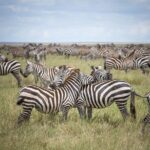
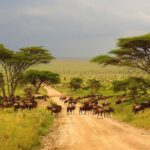
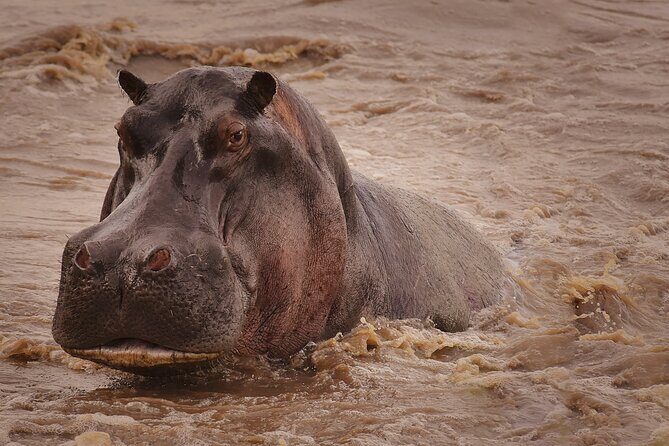
- Big grazing base: wildebeest, zebra, buffalo, eland, warthog, hippo, and giant African elephants are listed as part of the crater’s animal population.
- Predators also pack in: lions, hyenas, jackals, cheetahs, and the ever-elusive leopard are mentioned as potential sightings.
You might not control where animals go once you’re on the crater floor. But you can control your attitude. If you treat it as a long slow watch—scan, wait, and don’t panic when you don’t see something instantly—you’ll get more out of those 5 hours.
Also, because this day is the most wildlife-heavy, you’ll want to stay alert. Heat and sitting still can sneak up on you, especially after the earlier days’ driving.
Group safari vibes: meeting people without losing your focus
This is a group safari capped at 7 travelers. In real terms, that’s a nice middle ground.
- It’s still a shared adventure, so you’ll have other humans to talk about what you’re seeing.
- But it’s not so large that you’re constantly negotiating space or losing your seat view.
The package also frames the tour as an opportunity to interact with people from different parts of the world. That social side can add fun during lunch breaks and in the quiet moments between sightings.
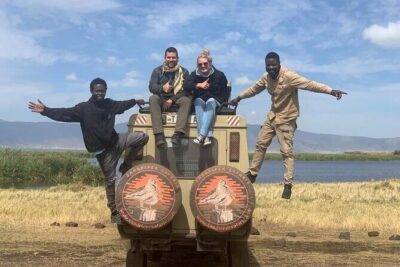
One more note from the guide experience: the reviews highlight that Sallu was friendly and very knowledgeable, sharing trivia and details about animals, birds, flowers, trees, and even his personal experiences. Even if you’re not a “nature facts” person, having a guide who can point out what you’re actually looking at turns the drive from random sightings into a story you understand.
Service quality: guides like Sallu and the SG Tours approach
The biggest service signal in the reviews is the guide experience. You’re not just paying for a vehicle and park entry vibes. The feedback points to a guide named Sallu who was friendly, knowledgeable, and eager to share details about what you’re seeing.
That matters more than it might sound. On safari, you can stare at grass and assume nothing is happening. A strong guide helps you:
- identify what you’re seeing
- understand why it’s there
- notice subtle behavior changes
- connect the habitat to the animals
The reviews also call SG Tours and Safari a budget/mid-ranged operator and describe the service as trustworthy and great. While service quality can vary with dates and staff, the consistent theme is that the guiding was a real highlight—especially for someone doing a first-time safari.
Price and value: is $930 per person worth it?
At $930 per person for about 4 days, you’re paying for access to major wildlife areas in northern Tanzania, guided game drives, and a smooth pickup-to-park flow. You’re also getting a small-group format, plus mobile ticket support.
Value comes down to what’s included beyond the basics. The information here clearly supports:
- pickup offered
- guided game drives
- picnic lunch on at least some days
- park visits to Tarangire, Serengeti, and Ngorongoro Crater
What you should confirm before booking (so the number feels fair to you):
- what meals are covered besides picnic lunches
- what’s included in your accommodation (if any)
- park fees and conservation fees, and whether they are included or paid separately
- whether you’re in an open or closed safari vehicle
If those details line up with your budget, $930 for a route like Tarangire–Serengeti–Ngorongoro is in the sensible mid-range zone for most first-time safari travelers.
Also, there’s free cancellation if you cancel up to 24 hours in advance for a full refund, which reduces risk if your dates shift. (Still, always confirm the exact cutoff in local time as stated.)
Best-fit traveler: who this safari suits
This safari fits you if:
- you want a well-known northern Tanzania route without planning it yourself
- you care about Big Five chances, not just “some animals”
- you like the idea of a guide who shares details (Sallu’s name comes up for a reason)
- you prefer a group size that’s not huge
You might want to think twice if you:
- hate early mornings and long drive days
- want total flexibility to stop whenever you feel like it (game drives run on schedule and animal behavior)
- need highly specific logistics that aren’t mentioned here (like special dietary needs or a custom private vehicle), because the format is a group safari
Practical tips that make the safari easier
A few things help your body and your eyes:
- Wear breathable clothes in layers. Mornings can feel cooler; sun can be intense.
- Bring sunglasses and a hat. Tarangire and Serengeti can be bright even when the wildlife is quiet.
- Pack water and snacks if allowed, but follow the tour’s rules for what’s permitted in the vehicle.
- Use neutral colors. Bright clothes can stand out, and the animals don’t care, but your photos might.
- Keep some patience for the crater day. Ngorongoro is famous for density, but animals don’t obey schedules.
And remember: the best sightings often come after you’ve settled into the rhythm. That means staying focused for the full drive time, not just hunting for the first big animal.
Should you book this 4-day northern Tanzania safari?
I think this is a strong booking choice if you’re aiming for classic wildlife highlights across Tarangire, Serengeti, and Ngorongoro Crater in a tight window. The combination makes sense: elephants and habitat variety first, plains and river-driven wildlife second, crater density and predator potential last. Add a small group size and a guide like Sallu who shares real-world details, and you’ve got a recipe that tends to feel satisfying, not rushed.
Book it if $930 fits your budget and your confirmation email lines up the practical items you care about—especially pickup time, what meals are included, and what your vehicle setup will be. Don’t overthink it if it’s your first safari. This route is built for first-timers who want the big moments and the context to understand them.