REVIEW · ZANZIBAR CITY
Private Spice Tour in Zanzibar with Pick Up
Book on Viator →Operated by Abdi Suleiman · Bookable on Viator
Spices have a way of sticking with you. This private Zanzibar spice tour turns a simple walk into a hands-on tasting game, and I really like the way you sample spices and fruits while your guide makes you guess what you’re smelling. You’ll also see plants used for cosmetics, like henna-type trees, plus chances to nibble fresh produce. One heads-up: if you picture perfect rows of spices, you might find the farm layout a little more natural and wild than that.
What makes this outing work so well is the pacing. You’re not rushing through a showroom. You’re getting a guided walk at the spice farms (often around Kizimbani or Kidichi), with stops where you’re invited to pick, smell, and taste small bits from bushes and trees. The experience is built for real people and real questions, and it’s easy to follow if you speak English.
For value, you’re paying $81 per person for a 2 to 3 hour private tour with pickup in Zanzibar City, plus entrance fees, transport, water, local food, fruits, and a professional guider. The only thing you need to plan for is a guide tip and any extra purchases you decide to take home.
In This Review
- Key Highlights You Should Care About
- A Spice Farm That Feels Like a Schoolyard Game
- Jambo Spice Farm: Cinnamon, Cardamom, Nutmeg, Vanilla, and More
- Fruits, Snacks, and Zanzibar’s Everyday Plants
- Henna, Perfume Tree, and Lipstick Tree: Cosmetics in the Real World
- The Private-Guide Feel: Ibrahim Latutu, Abdi, Seif, and Hussein
- Price and Value: What $81 Gets You (and What It Doesn’t)
- Timing, Pickup, and How to Prep for a 2–3 Hour Walk
- Who Should Book This Spice Tour in Zanzibar
- Should You Book This Private Spice Tour?
- FAQ
- How long is the private spice tour in Zanzibar?
- What time does the tour start?
- Is pickup included?
- What is the price per person?
- What’s included in the tour price?
- What are the main spices and flavors you’ll try?
- Is this tour private?
- What language is the tour offered in?
- Is guide tip included?
Key Highlights You Should Care About
- Interactive spice guessing: you smell and taste leaves, twigs, and fruits and try to name what they are
- Real Zanzibar flavors: rose apple, guava, and other fresh fruits are part of the experience
- Cosmetics plants you might not expect: henna, perfume tree, and lipstick tree show up in a practical way
- Fun guides make it memorable: names that appear in recent experiences include Ibrahim Latutu, Abdi, Seif, and Hussein
- You can buy spices and produce: if something catches your taste buds, there’s usually a chance to purchase
A Spice Farm That Feels Like a Schoolyard Game
The tour centers on a walking visit to a working spice farm, where the guide turns nature into a simple challenge. You’ll be shown how to identify spices by sight and smell, then you’ll get chances to taste. It’s not just a lecture. Expect moments where your guide (or helper) crumbles leaves, offers a sniff, and asks you to guess the spice before revealing the answer.
A lot of spice tourism is about looking at plants. This one is about using your senses. You’ll encounter the kinds of ingredients that normally live in your kitchen rack, but here they’re attached to living branches and local hands. That shift makes the experience stick.
Also, the tour is private. That matters more than it sounds. If you have questions, you can ask them. If you’re a slower walker, you can take your time. If your group is traveling with kids or family, it’s easier to keep everyone engaged.
You can also read our reviews of more private tours in Zanzibar City



Jambo Spice Farm: Cinnamon, Cardamom, Nutmeg, Vanilla, and More

Your main stop is Jambo Spice Farm, where you move through an abundance of botanical species—spices, fruits, vegetables, and trees used for practical local needs. The guides often connect what you’re tasting to how spices are used around Zanzibar, including medicinal claims and traditional uses by local people.
This is the part where your “kitchen spice rack” starts to feel real. You’ll get to try or learn about spices such as:
- cinnamon
- cardamom
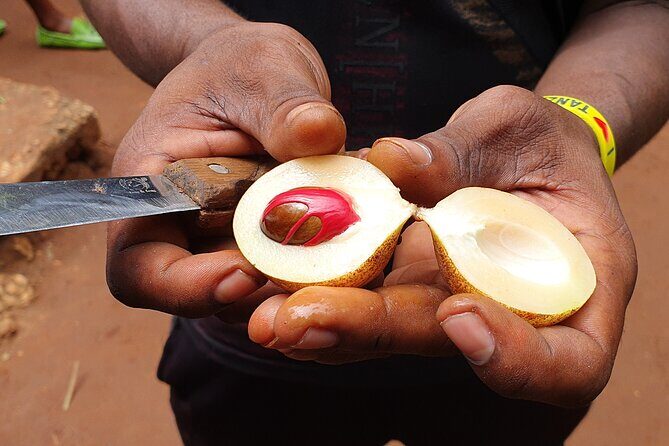
- nutmeg
- vanilla
- black pepper
- plus other familiar items like cloves, turmeric, chilies, garlic, ginger, and more (depending on what’s growing and what your guide is highlighting)
One thing I like is that the tour doesn’t only focus on the famous spices. You’re surrounded by multiple plants at once, so the experience feels like learning through variety rather than memorizing a single list. And because you’re tasting and guessing, you don’t need perfect memory to enjoy it.
If you’re the type who likes to understand how something is grown before you eat it, this stop hits the mark. If you’re only in Zanzibar for beaches and sunsets, you may still enjoy it, but you should treat it as a morning or early-day activity that adds flavor to your trip.
Fruits, Snacks, and Zanzibar’s Everyday Plants
Spice farms are great, but the better tours also teach you about the fruit side of the island. Here, that’s part of the plan. You’ll taste a range of fresh fruits, including rose apple and guava. Depending on the season and what’s available, you may see other fruits too.
Why this matters: when you connect spices to the fruit and food culture around them, the tour feels less like shopping and more like understanding. You’re learning what people eat and use, not just staring at plants.
There’s also a bit of surprise in the storytelling. In one recent experience, coconut moments popped up, including a guide climbing a coconut tree and then people drinking from their own coconut. It’s the kind of Zanzibar detail that makes photos fun and conversation even better.
And yes, you might encounter monkeys around the farm area. One review described them playing in the forest. If you don’t love animals near your route, it’s smart to keep expectations flexible. If you do like seeing wildlife in the wild, it adds a fun layer without feeling forced.
Henna, Perfume Tree, and Lipstick Tree: Cosmetics in the Real World

Some tours stop at food. This one gives you a different angle: plants used in cosmetics. You’ll be introduced to rare or less-known trees such as henna, perfume tree, and lipstick tree, and your guide will explain why they matter locally.
Even if you don’t plan to use these plants yourself, you’ll get a feel for how Zanzibar uses what grows nearby. Henna is widely recognized, but learning that other trees are used for cosmetics-related purposes makes the island feel more practical and less touristy.
This section is also a good reminder: spices aren’t only about cooking. They connect to everyday life—beauty, scent, and local traditions. If your goal is to see the island as more than postcard scenery, this part helps you get there.
The Private-Guide Feel: Ibrahim Latutu, Abdi, Seif, and Hussein

One reason this tour gets such high marks is the human factor. Several recent experiences highlight guides and helpers by name, including Ibrahim Latutu, Abdi, Seif, and Hussein. The pattern is clear: the best spice farm visits are the ones where your guide knows how to keep you engaged without turning it into a performance.
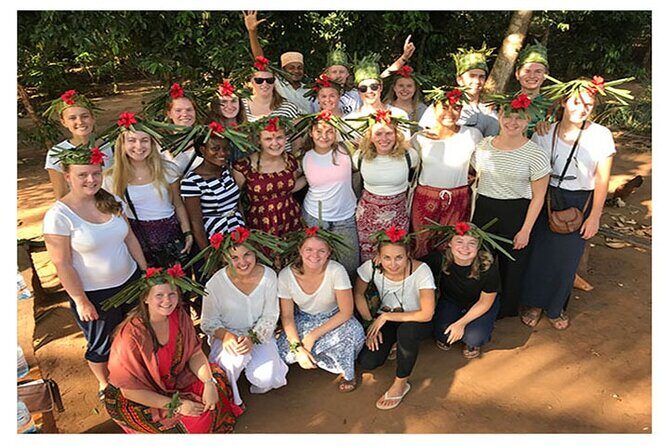
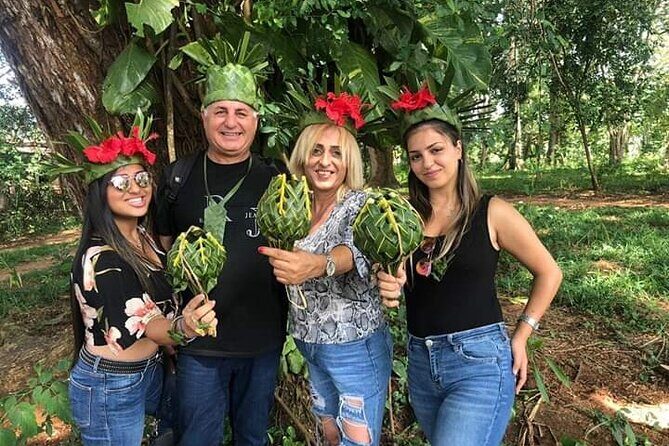
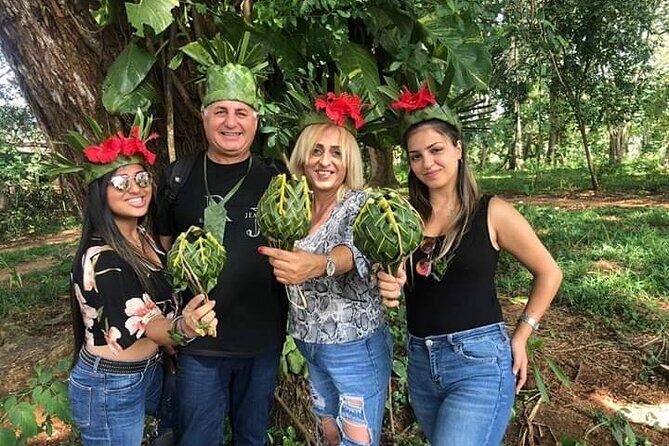
In multiple accounts, the guides used interaction as the glue. That might mean a tasting game—crumble, smell, guess—or it might mean hands-on moments with plant parts. One review also mentioned a guide helper making small palm-and-flower items like a purse, a ring, a necklace, and even a crown made from palms and flowers.
That kind of extra creativity isn’t essential, but it helps the tour feel like it belongs to you and your group, not like you’re being processed. Since the tour is private, the guide has more freedom to focus on your pace and curiosity.
If you want maximum fun, ask your guide to keep the guessing going. You’ll learn faster, and you’ll remember it longer than a straight list of spice names.




Price and Value: What $81 Gets You (and What It Doesn’t)
At $81 per person, the biggest value angle is what’s included. You’re not just paying for someone to walk beside you. The tour includes:
- transport fees
- entrance fees
- a professional guider
- water
- local food
- fruits
That package matters on Zanzibar because entrance and transport can add up quickly if you’re building your own plan. Here, the price bundles the practical stuff.
What’s not included is also straightforward: guide tip and personal expenses. Tip is normal for guided experiences, especially when the guide is interacting and teaching throughout. For personal expenses, think of anything you choose to buy at the farm, since there’s usually the chance to purchase spices and fruits.
My practical advice: treat $81 as a “mostly turnkey” morning. Once you arrive, you shouldn’t need to figure out logistics. You’re there to taste, learn, and enjoy.
Timing, Pickup, and How to Prep for a 2–3 Hour Walk

This tour runs about 2 to 3 hours, starting at 9:30 am. Pickup is offered, and the tour is based in Zanzibar City. You’ll also get a mobile ticket.
It’s also listed as near public transportation. That doesn’t mean you have to use it, but it’s good to know if you’re coordinating independently.
Here’s what I’d prepare for, since you’ll be walking and handling plant parts:
- wear comfortable shoes you trust on uneven ground
- bring sunscreen or a hat for morning sun
- bring small cash if you think you’ll buy spices or fruit
- come ready to taste, not just look
Most travelers can participate, so it’s not an extreme hike. Still, it’s a farm walk, so plan for a bit of dirt-under-the-shoes reality.
Who Should Book This Spice Tour in Zanzibar
This is a great fit if you want a meaningful, local-feeling activity without a full day commitment. It works well for:
- couples who want something more interesting than another city stroll
- families looking for an interactive and sensory activity
- first-time visitors who want a quick introduction to Zanzibar’s spice culture
- food lovers who like learning how ingredients connect to daily life
It’s also a smart choice if you’re short on time but still want variety: spices, fruits, and cosmetics-plant stories all in one outing.
One caution: if your mental picture is a neat spice farm with tidy rows only, you may feel slightly less satisfied. The farm is more natural and “grown,” and the experience leans into tasting and guidance rather than pure photo-friendly symmetry.
Should You Book This Private Spice Tour?
If you like hands-on learning and you don’t mind a farm walk, I’d book it. The $81 price works especially well because it includes transport, entrance, water, fruits, and local food, so you’re not juggling extra costs mid-trip. The repeated praise for the guides and the playful interaction—like the guess-the-spice style—suggests it’s more fun than most sightseeing.
Skip it only if you’re expecting a perfect, staged spice display and you want mostly passive viewing. This tour is better when you’re willing to smell, taste, and ask questions.
If you want a Zanzibar activity that smells like cinnamon and cardamom and also teaches you why those plants matter, this private spice tour is a strong call.
FAQ
How long is the private spice tour in Zanzibar?
It lasts about 2 to 3 hours.
What time does the tour start?
The start time is 9:30 am.
Is pickup included?
Yes, pickup is offered.
What is the price per person?
The price is $81.00 per person.
What’s included in the tour price?
Transport fees, a professional guider, local food, water, fruits, and entrance fees are included.
What are the main spices and flavors you’ll try?
You can expect spices such as vanilla, cinnamon, black pepper, cardamom, and nutmeg, plus other common kitchen spices. You’ll also taste fruits including rose apple and guava.
Is this tour private?
Yes. It’s private, so only your group participates.
What language is the tour offered in?
The tour is offered in English.
Is guide tip included?
No. Guide tip is not included.