REVIEW · ZANZIBAR
Full Day Private Zanzibar Triple Delight Tour
Book on Viator →Operated by Dhow and Jeep Tours · Bookable on Viator
Stone Town in one day feels possible. This private Zanzibar full-day tour strings together the key landmarks of Stone Town, a working spice farm experience, and nature in Jozani Chwaka Bay. I like how the day is guided end-to-end, so you’re not trying to figure out routes, entrances, or timing while you’re in a maze of old streets.
I also like the nature stop: Jozani Chwaka Bay National Park is included with free admission time, and you’ve got a strong shot at seeing the red colobus monkeys on the guided walk. It’s a good contrast after the heat and crowds of town, and it gives your day more than just stone and souvenirs.
One thing to plan for: many of the Stone Town stops are brief (around 15 minutes each). If you want to go slow, read everything, and take your time in every building, you may feel slightly rushed, and some key sights (like the Freddie Mercury Museum and the spice farm) have ticket costs not included.
In This Review
- Key highlights worth knowing
- How the day is paced (and why it works)
- Stone Town walking: where the streets do the storytelling
- Freddie Mercury Museum: pop culture with real Zanzibar context
- Old Fort (Ngome Kongwe) and the history you can touch
- Forodhani Gardens: the waterfront reset (and food timing)
- People’s Palace exterior: architecture, power, and what you can’t go inside
- Old Slave Market site: a heavy stop you shouldn’t rush
- Tippu Tip’s House: wealth, trade networks, and uneasy connections
- Darajani Bazaar: where you’ll actually feel Zanzibar in your hands
- Jozani Chwaka Bay National Park: red colobus and mangrove walking
- Hill Kidichi Spice Farm: tastings and cooking demos (ticket cost expected)
- Guides and service: why communication matters on a full day
- Price and value: is $110 per person a fair deal?
- Should you book this tour?
- FAQ
- How long is the Full Day Private Zanzibar Triple Delight Tour?
- What does it cost?
- Is this tour private?
- Where do we meet and where does the tour end?
- Is pickup included?
- Are admission tickets included for all stops?
- Is Jozani Chwaka Bay National Park admission included?
- Does the tour include Stone Town markets and waterfront time?
- What happens if the weather is poor or I need to cancel?
Key highlights worth knowing
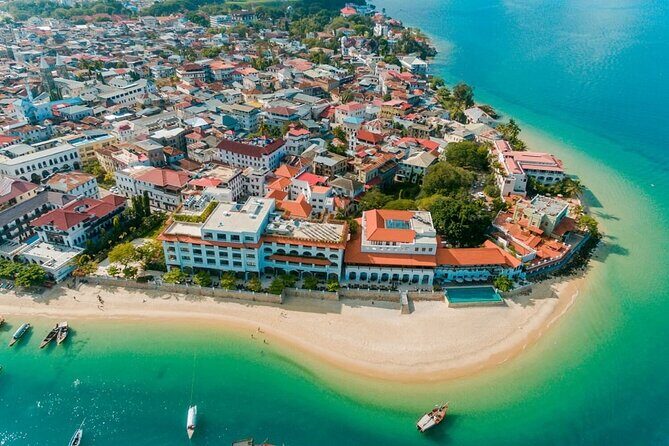
- Freddie Mercury Museum stop: a fast but focused stop for music fans, with admission not included.
- Forodhani Gardens + night food setup: the waterfront views make a great timing break before you re-enter the market streets.
- Jozani red colobus chance: the park visit is built around guided walking in mangrove and forest trails.
- Spice farm with tastings and cooking demos: you get the hands-on part, not just a talk in the shade.
- A guide like Hasan: clear English and smooth communication are specifically noted, including handling changes.
- Private means flexible: it’s only your group, so you’re less likely to feel stuck with a large crowd pace.
How the day is paced (and why it works)

This is a true full-day plan, usually 7 to 8 hours, built to cover a lot without making you feel like you’re running a sprint. You start around Forodhani in Stone Town, and you’ll end back in Stone Town, with drop-off at hotels if you’re in the Stone Town area.
The biggest strength here is sequencing. You tackle the “must-see” Stone Town sights first, when your energy is highest and the streets are easiest to navigate. Then you shift toward the countryside for Jozani and the spice farm experience. It’s a smart arc: culture, then senses, then nature.
The tour is private, so it’s just your group. In plain terms, that often means better questions, easier pacing, and less standing around while everyone gets counted.
You can also read our reviews of more private tours in Zanzibar


Stone Town walking: where the streets do the storytelling
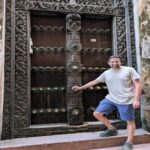
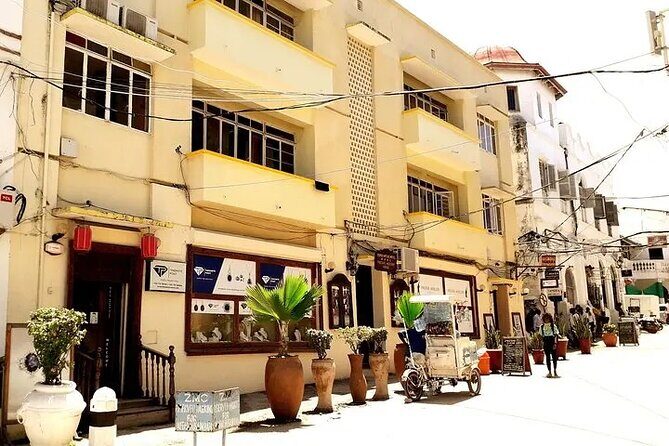
Stone Town can feel like a living puzzle—tight turns, coral-stone buildings, doors that look older than time, and markets that never really stop. With a guide, the maze becomes a route. You’re not just looking at walls; you’re getting context for why those walls and doors matter.
This day includes multiple “small stops,” so you’ll see a lot of different sides of Stone Town: music fame, fortifications, religion, trade, and the painful memory of slavery sites. The short visit lengths are intentional. They keep the day moving, so you don’t spend the whole time stuck at one place.
If you want photos, bring water and keep your camera ready—there’s plenty to shoot. But if you’re the type who reads every plaque, you’ll want to pick one or two stops to treat as your deep-focus moments and accept that the rest are quick hits.
Freddie Mercury Museum: pop culture with real Zanzibar context
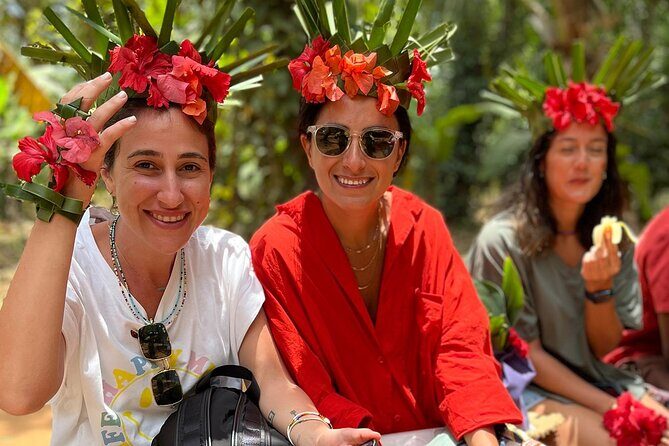
The Freddie Mercury House—often referred to as the Freddie Mercury Museum stop—is in Stone Town and connected to Farrokh Bulsara, Mercury’s birth name. Even if you’re not a die-hard rock fan, it’s a fascinating angle on Zanzibar’s global connections.
What you get from this stop is a compact introduction: memorabilia, photographs, and personal details that connect the person to the place. It’s short at about 15 minutes, and admission is not included, so treat this as a “must-do if it interests you” stop rather than a long museum session.
Practical tip: if the museum is busy, don’t let it swallow your whole schedule. The day is planned so you can still hit the next sights on time.
Old Fort (Ngome Kongwe) and the history you can touch
Next up is Ngome Kongwe, the Old Fort. It was built in the 17th century as a defensive fortress, and today it functions as a cultural center with shops, markets, and performances.
This stop matters because it shows how Zanzibar used defense and trade strategies side by side. You’re not just seeing ruins; you’re seeing a building that still lives in daily life, even if the original purpose was military.
The Old Fort stop is free, and the visit is about 15 minutes. It’s a good breather—enough time to look around without it derailing the rest of your day.
Forodhani Gardens: the waterfront reset (and food timing)
Forodhani Gardens sits along the Indian Ocean coast in Stone Town. It’s known as a popular gathering spot, and in the evenings it becomes famous for a night market with street food.
This is the part of the day I’d use as a reset. Even if you’re not shopping, the waterfront gives you a view and a change of pace. And if your timing hits the evening window, it’s one of the best moments to try Zanzibari street food like grilled seafood, samosas, chapatis, and sugarcane juice.
The gardens themselves are free, and the stop is about 15 minutes. Don’t plan on a full meal here unless your schedule lines up—this is more about atmosphere and quick bites than a sit-down dinner.
A few more Zanzibar tours and experiences worth a look

People’s Palace exterior: architecture, power, and what you can’t go inside
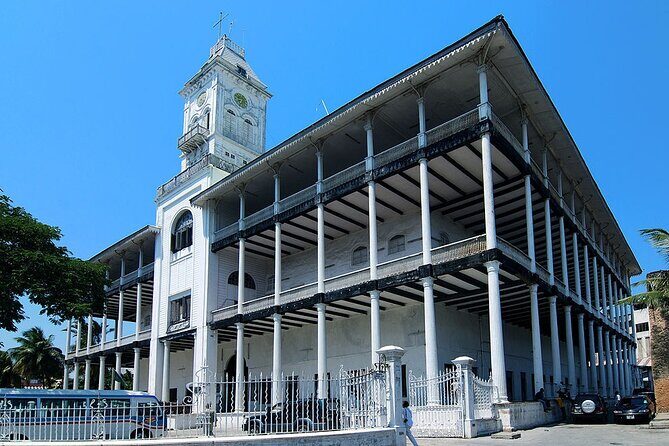
Stone Town’s People’s Palace (also known as Beit el-Sahel) is one of the most recognizable political landmarks in the area. It was built in the late 19th century for Sultan Barghash, later became a presidential residence after the 1964 revolution, and is still used as an official residence and office.
Here’s the catch: it’s not open to the public. So your stop is about the exterior and the meaning behind it, not a full tour inside. Admission is listed as not included, which fits the fact that you’re not going in.
The time is short—around 15 minutes—but it’s still worth it. You’ll notice the blend of influences in the architecture: Arabic, Indian, and European. That mix is one of the core reasons Stone Town feels different from other East African coast cities.
Old Slave Market site: a heavy stop you shouldn’t rush
The Old Slave Market Site is one of the most emotionally important places in Stone Town. Zanzibar was a major hub in the 19th-century East African slave trade, and the old market site is a memorial to the suffering that happened there.
This stop is about remembrance and context. Even when the visit is brief (about 15 minutes), it’s not the kind of place you want to treat like a quick photo spot. If you’re the sensitive type, it can feel heavy—but skipping or speed-reading it is a disservice.
Admission is not included for this stop, but the important part is how you approach it: slow down in your mind, even if your feet keep moving.
Tippu Tip’s House: wealth, trade networks, and uneasy connections

Tippu Tip’s House is another Stone Town landmark tied to 19th-century commerce and power. The home belonged to Hamed bin Mohammed Al Murjebi—Tippu Tip—an influential Arab trader connected to ivory and slave trade networks across parts of central and southern Africa.
This stop is free and about 15 minutes. The architecture shows Swahili and Arab influences with carved wood. It’s visually interesting, but the context is complicated. Seeing a wealthy home in the middle of a region’s trade history means you end up thinking about the human cost behind the fortunes.
If you like history, this is one of the more intellectually challenging stops on the day. It forces you to hold two ideas at once: beautiful architecture and morally difficult realities.
Darajani Bazaar: where you’ll actually feel Zanzibar in your hands
Darajani Bazaar is one of Stone Town’s busiest markets and one of the oldest. The key benefit of including it is access: it’s a real shopping environment with sections for fruits and vegetables, spices, meats, seafood, clothing, household items, and handicrafts.
What I like about this stop is that it’s not just “look, don’t touch.” You’ll see the spice section with cloves, cinnamon, cardamom, and vanilla. If you’ve been dreaming of taking Zanzibar home through cooking, this is where the smells give you instant context for what you’re buying later.
The stop is free and around 15 minutes, so you won’t do a full shopping spree. Think of it as a guided orientation: taste the air, identify what you want, and then plan what to buy with your own time after the tour if you want more selection.
Jozani Chwaka Bay National Park: red colobus and mangrove walking
After the Stone Town run, you move to Jozani Chwaka Bay National Park. This visit is about 3 hours and includes free admission. The big draw is the red colobus monkey (Procolobus kirkii), listed as endangered and native to the area.
The park visit also includes different habitat types such as mangrove forests, coral rag forests, and salt marshes. In practice, that means you’re not just walking in a single straight trail for wildlife. You’ll experience shifts in scenery and plant types, depending on where the guided walk goes.
Expect a guided experience focused on observation: birdwatching opportunities and learning from the guide as you watch for wildlife. If you’re hoping to spot monkeys, keep your eyes up and your movement quiet. This is one of those moments where good luck helps, but preparation helps more.
Hill Kidichi Spice Farm: tastings and cooking demos (ticket cost expected)
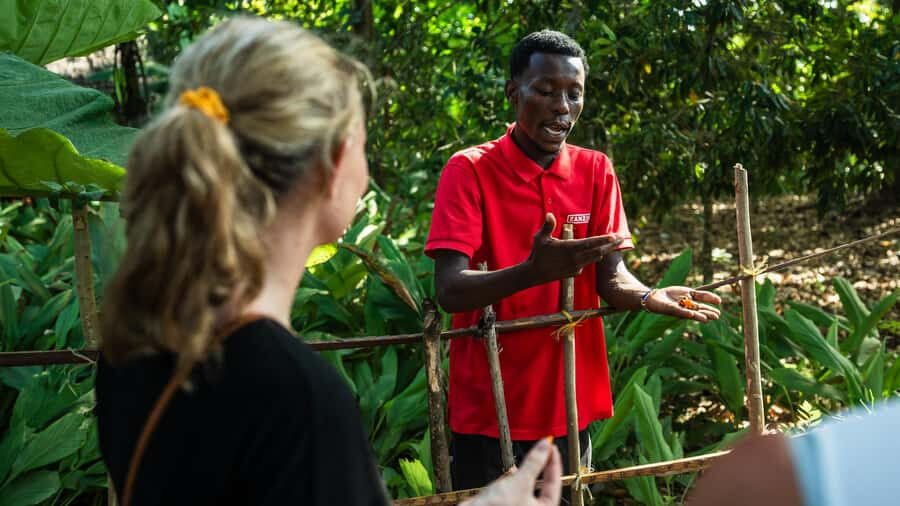
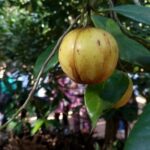
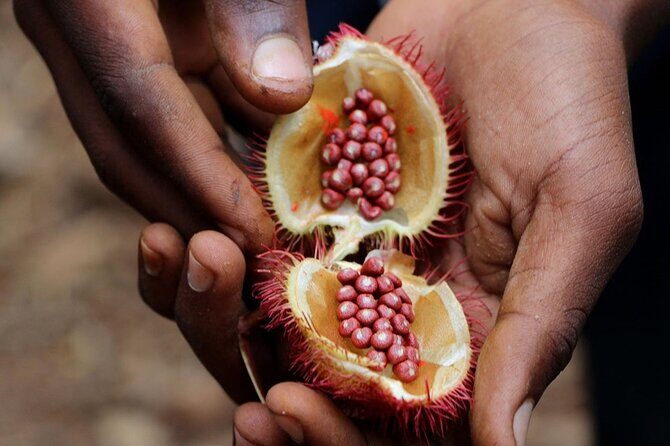
The Hill Kidichi Spice Farm is where the tour turns from “see Zanzibar” to “taste Zanzibar.” You get guided tours through spices like cinnamon and cloves, plus tastings and cooking demos.
The visit is about 2 hours, and admission is listed as not included. That’s normal for farm experiences, and it’s a fair trade: you’re paying for the hands-on part—sampling and watching cooking rather than only hearing explanations.
What makes this stop valuable for most people is the practical outcome. You can connect what you smell in markets to what you’ll actually use in cooking. Even if you don’t cook much, spice tastings give you a sensory memory that sticks.
Tip for value: if there’s a cooking demo, pay attention to what flavors are added when. It’s the easiest way to turn spice-buying into something more than just pretty packets.
Guides and service: why communication matters on a full day
A full day like this lives or dies on coordination. A private tour can still feel chaotic if pickup is unclear or timing slips.
This is where guides like Hasan come into the picture. Clear English and good communication are specifically noted, along with professionalism and the ability to handle changes to the itinerary. That matters if your day includes tight museum timing or if you’re trying to match your plans to the evening food scene at Forodhani.
Also, because it’s private and only your group is involved, your guide can adjust small things on the fly without waiting for a bigger crowd.
Price and value: is $110 per person a fair deal?
At $110 per person for a 7 to 8 hour private tour, you’re paying for a guided day that combines three big themes: Stone Town culture stops, a farm-based spice experience, and nature in Jozani. You’re also paying for the convenience factor—pickup offered, mobile ticket, and drop-off back in Stone Town.
Where the value gets tricky is ticket reality. Some stops have admission not included (Freddie Mercury Museum, People’s Palace is not open to public, Old Slave Market site, and the Hill Kidichi Spice Farm). Jozani is listed as free admission, and several Stone Town stops are free. So you should budget for a few add-ons depending on what you choose to do and what interests you most.
My practical take: if Freddie Mercury and spice farm tastings matter to you, this price can feel very reasonable. If those don’t interest you much, you might feel like you paid for stops you won’t fully use. Still, even then, Jozani plus the Stone Town guide context can justify the cost.
Should you book this tour?
Book it if you want one day that covers Stone Town landmarks, a spice farm with tastings, and a nature walk in Jozani without coordinating multiple separate tours. It’s especially good for couples and small groups who want private pacing and an English-speaking guide like Hasan who communicates clearly.
Skip or customize if you’re a slow-reader museum type. Many Stone Town stops are brief, and some major sites have admission or restricted access. If your goal is deep time in a single place, you might prefer a smaller, less-stop-heavy plan.
If you can be flexible with timing and you’re up for a full day that mixes uplifting and heavy moments, this “triple delight” format is a smart way to experience Zanzibar beyond the beach.
FAQ
How long is the Full Day Private Zanzibar Triple Delight Tour?
The tour runs about 7 to 8 hours.
What does it cost?
It costs $110.00 per person.
Is this tour private?
Yes. It’s a private tour/activity, so only your group participates.
Where do we meet and where does the tour end?
You start at Forodhani, Zanzibar, Tanzania, and the tour ends in Stone Town, Zanzibar. The provider says they will drop you off at your hotel if it’s in the Stone Town area.
Is pickup included?
Pickup is offered, and the tour is described as starting near public transportation.
Are admission tickets included for all stops?
No. Admission is not included for places such as the Freddie Mercury Museum and the Hill Kidichi Spice Farm, and the People’s Palace stop is described as not open to the public.
Is Jozani Chwaka Bay National Park admission included?
Yes. Jozani Chwaka Bay National Park is listed as admission ticket free, and the visit is about 3 hours.
Does the tour include Stone Town markets and waterfront time?
Yes. It includes Darajani Bazaar and Forodhani Gardens, with the gardens known for a lively night market in the evenings.
What happens if the weather is poor or I need to cancel?
The experience requires good weather. If it’s canceled due to poor weather, you’ll be offered a different date or a full refund. Cancellation is free if you cancel at least 24 hours in advance for a full refund.