REVIEW · ARUSHA
5 Day Serena Luxury Tanzania Safari
Book on Viator →Operated by Matta African Luxury Safari · Bookable on Viator
Four parks in five days—serious wildlife time. This luxury safari is built around private game drives and top-tier comfort, taking you through Tarangire, Serengeti, and the Ngorongoro area where the chances for Big Five sightings are strong. I especially like how the plan targets different ecosystems in a short window, so you’re not stuck watching the same scenery for days.
Two highlights for me: the Serena hotels vibe (the stay gets called out as lovely), and the human touch from guides like Asser, who’s praised for delivering close, high-quality wildlife and bird viewing. One thing to consider: the days are long and game-drive heavy (many days run about 7–8 hours starting at 8:00 am), so you need to be okay with a fast pace and plenty of time in the vehicle.
In This Review
- Key Points You’ll Care About
- Luxury Safari Route: Tarangire, Serengeti, Ngorongoro, and the Lake Manyara Question
- Day 1 at Tarangire: Baobabs, Swamps, and Elephant Herd Magnet Time
- Serengeti Days 2 and 3: Plains Action, Predators, and the Migration Atmosphere
- Ngorongoro Conservation Area: Tracker-Guide Time and the Crater Rim Descent
- Day 5 from Arusha: Targeting the Less Common Species
- Private Tour Comfort and What Included Really Means for Value
- Serena Hotels and Meal Days: The Real Comfort Score
- Big Five Odds and Realistic Wildlife Expectations
- Who This Safari Fits Best (and Who Might Want Another Plan)
- Should You Book This 5-Day Serena Luxury Tanzania Safari?
- FAQ
- Where does this safari start and what time does it begin?
- Is this a private tour?
- Which parks are included in the route?
- What meals and water are included?
- How long is the safari?
- Is free cancellation available?
Key Points You’ll Care About
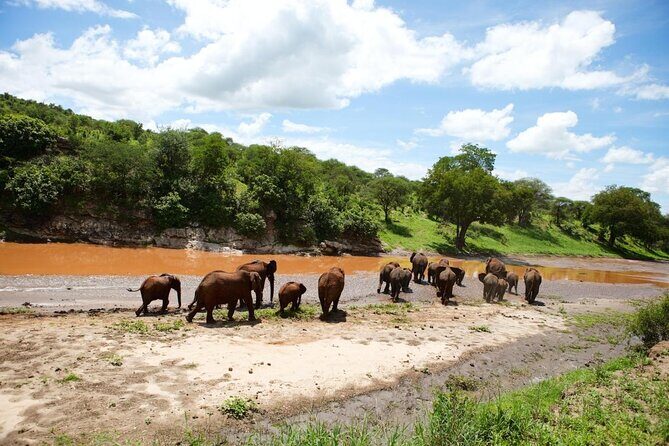
- Tarangire’s elephant herds: dry-season swamps and rivers pull animals in.
- Serengeti game drives at full strength: plains game, predators, and scavengers on the move.
- Ngorongoro with a tracker-guide: structured crater viewing plus targeted search patterns.
- Private transportation: it’s just your group, not a crowd-ride.
- Serena-style comfort + meals included: breakfasts, lunches, and dinners are covered.
Luxury Safari Route: Tarangire, Serengeti, Ngorongoro, and the Lake Manyara Question
This is a Northern Tanzania route that stacks several “big name” areas into a compact 5-day plan. The overview lists Tarangire, Lake Manyara, Serengeti, and Ngorongoro Conservation Area, which is a good mix of habitats—woodland, soda-plain type country, and crater ecology.
One practical note: the day-by-day outline you’ll receive here spells out Tarangire, Serengeti (two full days), Ngorongoro, and Arusha, while Lake Manyara is mentioned as a destination in the overall description. Before you lock expectations, ask your operator which day Lake Manyara is slotted in and what the timing looks like.
The price—$2,974.36 per person—signals that you’re paying for comfort and individualized guiding, not just a seat on a shared truck. If you want the safari to feel like your trip, not a lottery, this style of private touring usually makes sense.
A few more Arusha tours and experiences worth a look
Day 1 at Tarangire: Baobabs, Swamps, and Elephant Herd Magnet Time
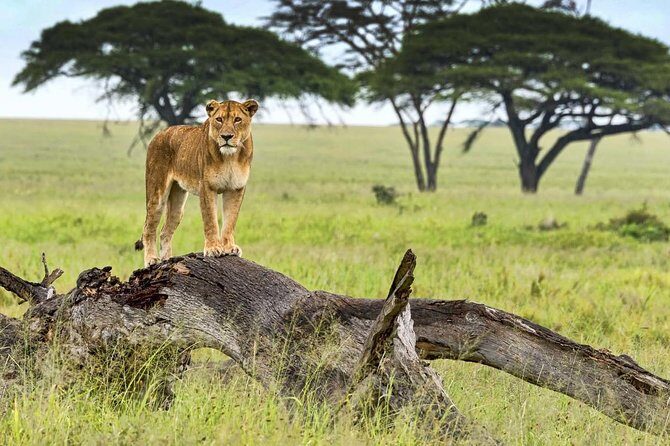
Tarangire National Park is the kind of place that makes the early start feel worth it. After breakfast, you head out for a full day game drive with a picnic lunch, which is exactly what you want on Day 1: settle in, then go hunting for wildlife right away.
What makes Tarangire special is the mix of acacia woodland, giant baobabs, and swamp areas. In Tanzania’s dry season, those water sources act like a magnet—animals concentrate around the river and swamps, and your odds improve because wildlife isn’t spread out across endless distance.
Tarangire is also known for some of the largest elephant herds in Africa. If you’re the type who likes more than the usual “one elephant photo,” this is a strong place to aim for a bigger story: herds moving, trumpeting, calves nearby, and the feeling that the park is alive.
There’s also a wildlife-nerd angle that helps this park feel less generic. The outline calls out rare species such as the Greater Kudu, Fringed-eared Oryx, plus Ashy Starlings. Even if you don’t see every “target,” focusing on these species tends to sharpen your drive—you watch more carefully, not just for obvious giants.
A small consideration: Tarangire is about animals clustering around water. That means your best sightings often depend on timing, weather, and where the guide decides to park the vehicle.
Serengeti Days 2 and 3: Plains Action, Predators, and the Migration Atmosphere
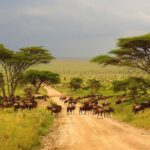
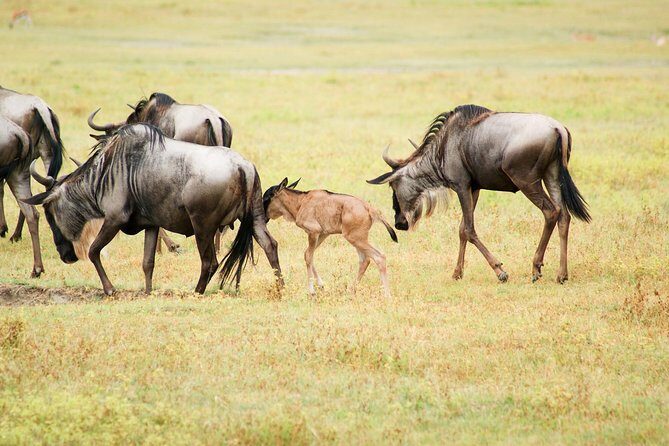
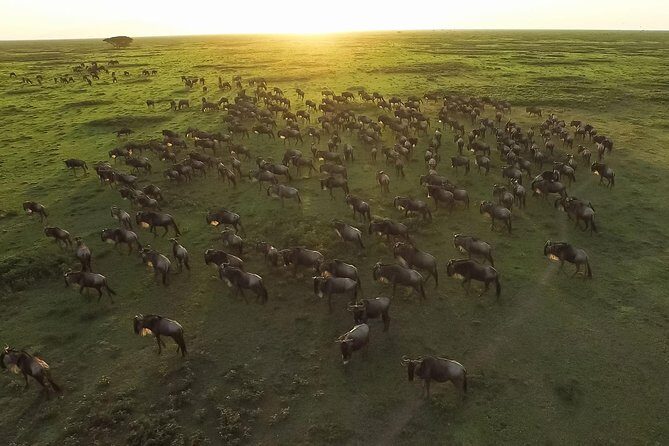
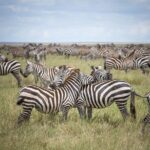
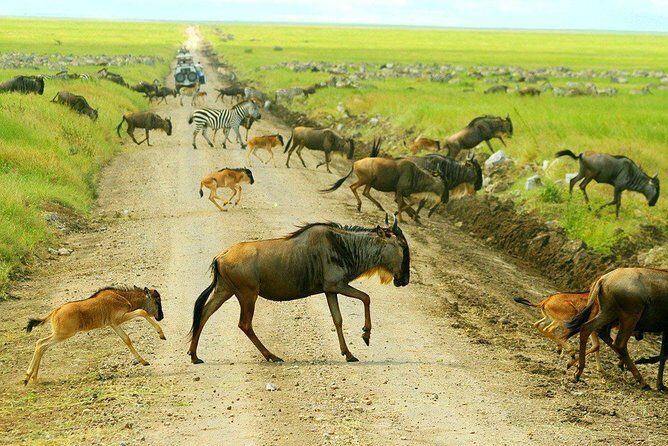
Serengeti is where your safari starts feeling like a big-screen movie. You depart with picnic lunch boxes and spend the day on game drives across the plains, scanning for migration and the massive concentration of plains game—wildebeest, zebra, and gazelle.
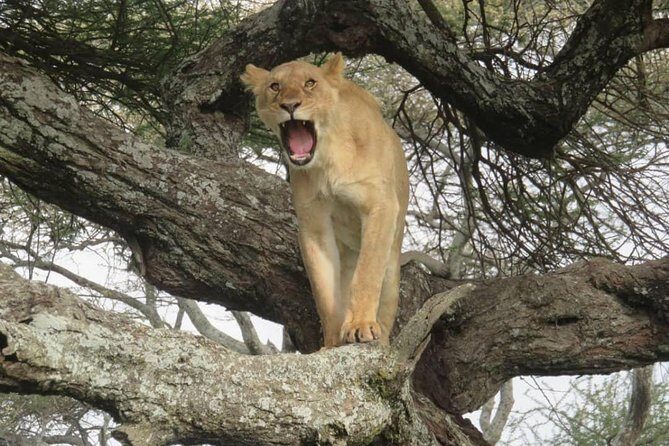
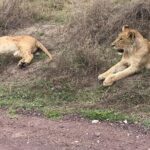
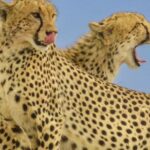
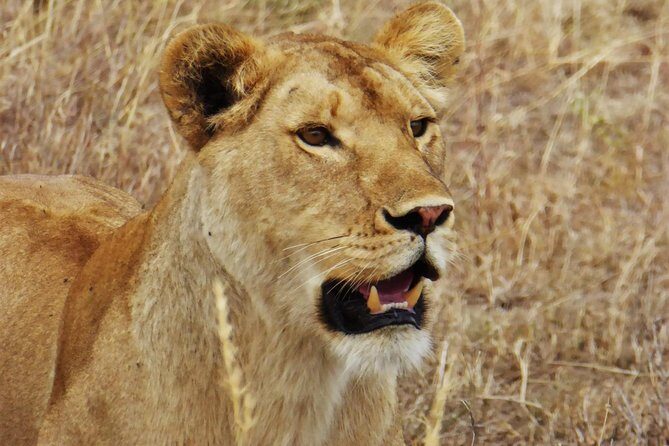
On these days, you’re not only looking for herbivores. The plan is framed around the full food chain: predators like lion and cheetah, plus scavengers such as hyena and jackals. When you see this ecosystem in motion, it stops being a checklist and becomes a rhythm.
I like how Serengeti is treated as more than a single long drive. Day 2 is about broad searching—large herds, predators showing up when the plains game does, and the constant shifting of attention across the horizon. Day 3 becomes more focused and educational, with an emphasis on impala and the idea of the Serengeti as a true circle of life.
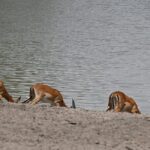
Day 3 specifically highlights impala, including the note that impalas were once grouped with gazelles but are now classified on their own. It’s a small detail, but it changes how you look at the animal. You start noticing the elegance, movement, and behavior instead of treating everything as the same “antelope shape.”
The outline also mentions other likely sightings during this day, including leopards, cheetah, lions, and wild dogs. You won’t control what shows up, but structuring the drive around likely species helps you feel like the day has a plan, not just random wandering.
One reality check: Serengeti is huge. Even with a private jeep, you’re dependent on animal movement and your guide’s choices. That’s not a flaw—it’s the nature of the place.
Ngorongoro Conservation Area: Tracker-Guide Time and the Crater Rim Descent
Ngorongoro is a different kind of safari experience. Instead of hunting across wide open plains, you’re exploring a place shaped by geology and concentration—animals gathering in a crater environment that can feel like a wildlife amphitheater.
Today’s structure includes a personalized, experienced tracker-guide plus private transportation. You drive about 20 to 30 minutes to reach the park gate area, then another roughly 20 minutes to reach the crater rim itself. That matters because timing and positioning can affect how you experience the crater—when you arrive, how the light hits, and how quickly you’re in “active searching mode.”
The crater is described as the world’s largest inactive, intact, and unfilled volcanic caldera. Translation: it’s a massive natural bowl, and that kind of geographic setup helps explain why wildlife viewing can feel intense once you’re down in the rim area.
The guide’s role is central here. You’re not just driving and hoping; you have local expertise guiding where to look and how to interpret animal behavior. In a crater, that’s often the difference between seeing animals spread out and seeing them in meaningful clusters.
Also, the overall itinerary sets you up for crater viewing again toward the end of the trip. Day 5 includes another rim-based game viewing moment, which helps you avoid the common problem of “one crater day, one chance, done.”
Day 5 from Arusha: Targeting the Less Common Species
Your last day is built around descending to the rim for more game viewing. The focus here is on the less common possibilities—leopards, servals, and bat-eared foxes—using keen eyesight and guide-recommended search patterns.
That’s a thoughtful approach. Everyone wants the classic big sightings, but the most memorable safari moments often come from the things people don’t expect to see: a fox species in the right habitat, a small predator using cover, or a cat-like movement that makes you stop the vehicle and lock in your camera settings.
The itinerary keeps this day in a longer game-viewing block (about 8 hours). That’s useful because it gives your guide time to shift your attention as conditions change—animal activity can vary during the day.
One practical consideration: if you’re prone to motion sickness, crater days can be a bit bumpy and slow. You’ll spend time focused downward, scanning across open ground and then quickly adjusting when animals surface.
A few more Arusha tours and experiences worth a look
Private Tour Comfort and What Included Really Means for Value
This is a private tour/activity, so it’s only your group. That usually changes the safari vibe in three ways: you’re not waiting for other parties, your guide can adjust the pace to your interests, and you’re more likely to get tighter communication during stops.
You’re also offered pickup, and the start point is listed as Mount Meru Hotel on Arusha-Taveta Road in the Sekei area. Starting at 8:00 am matters because it shapes the day’s rhythm; early starts can be good for wildlife activity and help you stay on schedule.
On the inclusions side, you get bottles of mineral water, accommodation, and a full set of meals: breakfast (4), lunch (5), and dinner (4). For a luxury safari, meals can make or break the comfort level—having them handled means less stress and fewer awkward logistical gaps.
The listing doesn’t mention drinks beyond mineral water, so if you like beer, wine, soda, or coffee beyond what’s served at meals, you should plan on paying separately. Personal items are also not included, and tips are not included.
For value, here’s the key question: are you paying for comfort and private guiding, or just the destinations? With private transportation and full game drives, the cost feels more defensible—especially if you’re traveling as a couple or small group and can spread the “private” advantage.
Serena Hotels and Meal Days: The Real Comfort Score
The safari is described as luxury, and one detail from the feedback stands out: the Serena hotels are called lovely. That matters because after long game drives, you want sleep that actually repairs you, not just a bed and a fan.
Meal coverage is also meaningful. Breakfast (4) and dinner (4) are included, with lunch (5) provided via picnic formats during drive days. That reduces decision fatigue. On safari, you don’t want to hunt for food options while your guide is trying to time wildlife sightings.
What I’d watch for is how you personally handle your appetite. Picnic lunches are common on safari, but if you hate eating in the vehicle or prefer warm meals at set times, you might want to ask what the picnic lunch style is like in practice. The outline confirms picnic lunch usage on key drive days.
Big Five Odds and Realistic Wildlife Expectations
The tour description says you have a good chance to spot all the Big Five, and the route supports that idea. Tarangire is strong for elephants and often excellent for general wildlife density. Serengeti is the high-energy predator-and-prey stage. Ngorongoro crater is famous for concentrating animals into a smaller viewing area.
But let’s keep it honest: wildlife isn’t scheduled. Even in prime areas, sightings depend on season, animal movement, and where your guide positions the vehicle. What you can control is whether you’re in a good system: private jeeps, experienced tracking, and enough time in each habitat.
This itinerary gives you two ways to improve your odds. First, it spends substantial time in Serengeti—two separate days, not one. Second, it returns to crater viewing again at the end, which increases your shot at less predictable species.
If your priority is check-the-box big cats, plan to stay patient. Lions and leopards can appear quickly and disappear faster, so the best strategy is to accept that the day is a chase, not a guarantee.
Who This Safari Fits Best (and Who Might Want Another Plan)
This safari fits best if you want luxury comfort plus serious wildlife time. The private setup makes sense for couples, small groups, and anyone who dislikes sharing a vehicle with strangers.
It also suits you if you like learning while you watch animals. The plan includes targeted animal focus in Serengeti, and it describes tracker-guide involvement in Ngorongoro. That kind of guiding usually improves your ability to spot animals in motion and interpret what you’re seeing.
Who might consider another plan? If you strongly prefer slow mornings and lots of downtime, this schedule may feel busy. With long drive blocks and early starts, your “relax time” is mostly evening recovery and sleep, not mid-day wandering.
Should You Book This 5-Day Serena Luxury Tanzania Safari?
Book it if you want a high-comfort, private northern Tanzania safari with multiple ecosystems and repeated chances for crater viewing. The mix of Tarangire elephants, Serengeti predator energy across two days, and Ngorongoro crater focus gives you a well-rounded wildlife arc.
I’d be cautious if Lake Manyara is a must-have for you and you haven’t confirmed which day it appears in your final schedule. Also, if long days in a vehicle will drain you, make sure you’re comfortable with a tight safari rhythm.
If you decide to go, pack for early mornings, protect your skin from sun and dust, and keep your camera ready for quick, close-enough moments. With guides like Asser getting praise for close wildlife viewing and birds, you’ll likely appreciate the attention to detail once the action starts.
FAQ
Where does this safari start and what time does it begin?
The tour starts at Mount Meru Hotel on Arusha-Taveta Road in the Sekei area, Arusha, Tanzania. The start time is listed as 8:00 am.
Is this a private tour?
Yes. This is a private tour/activity, and only your group will participate.
Which parks are included in the route?
The tour description includes Tarangire, Lake Manyara, Serengeti, and Ngorongoro Conservation Area as destinations in this 5-day luxury safari.
What meals and water are included?
You’ll get mineral water bottles, and the meal plan includes 4 breakfasts, 5 lunches, and 4 dinners.
How long is the safari?
It’s listed as 5 days (approximately).
Is free cancellation available?
Yes. You can cancel up to 24 hours in advance for a full refund, with the cutoff based on local experience start time.