REVIEW · TANZANIA
4 days Tanzania group safari to Serengeti, Crater and Tarangire
Book on Viator →Operated by MyTrip2Tanzania · Bookable on Viator
A camping safari that puts animals on your doorstep is the real point here. This 4-day loop around Tarangire, the Serengeti, and Ngorongoro Crater is built for long game drives, early mornings, and nights spent close to the bush sounds.
I especially like how the plan mixes classic wildlife targets with smart timing, like full-day Tarangire for elephants and a dawn start later for maximum odds in Ngorongoro. I also like the way the operation feels personal: a maximum group size of 6, pickup in Arusha, and guides who can explain what you are seeing (names like Ayubu and Philbert come up often, with Philbert noted for English and even German).
One drawback to plan for: this is camping safari style, so you trade some comfort for being where the action is, and you should be ready for early starts and long park drives.
In This Review
- Key highlights worth your attention
- Why this 4-day camping safari is such good value
- Day 1 in Tarangire National Park: elephants, baobabs, and a full game day
- Day 2: the Serengeti arrival day and a half-day game drive with a gate stop
- Day 3: the dawn start, the Serengeti action, and moving toward the crater
- Day 4: Ngorongoro Crater at first light for rhinos, hippos, and flamingos
- Camping safari reality: food, tents, and what you gain by sleeping in the bush
- Your guide is the difference-maker on this route
- Price and logistics: what $950 buys, and what you still pay for
- Who this safari fits best (and who should think twice)
- FAQ
- FAQ
- What parks are included in this 4-day safari?
- Where does the safari start?
- Is pickup included?
- What meals are included?
- Is admission to the parks included?
- What is the maximum group size?
- What does the price not include?
- How does cancellation work?
- Should you book this MyTrip2Tanzania safari?
Key highlights worth your attention
- Up to 6 people means you spend more time looking, less time waiting.
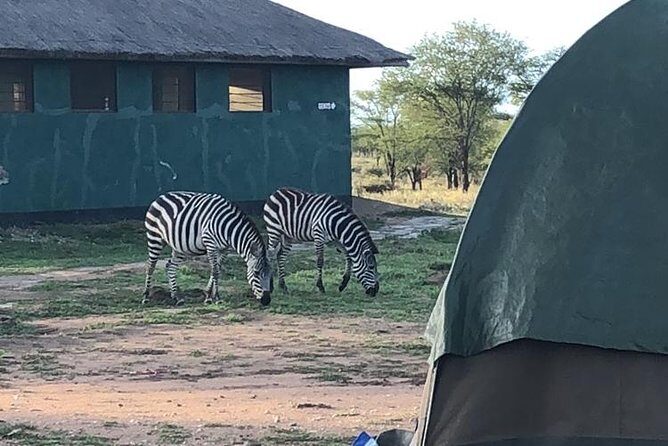
- Camping inside the action (Twiga campsite and Simba public campsite) keeps you close to wildlife rhythms.
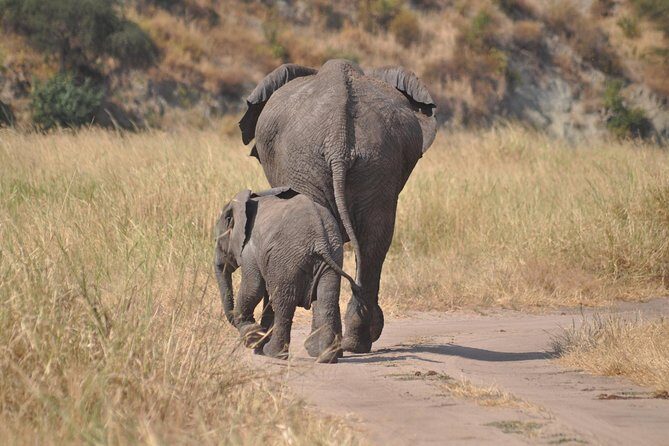
- Tarangire in daylight is a strong opener for elephants, baobabs, and great birding.
- Serengeti at the gate and at dusk gives you good odds without wasting the transit day.
- Ngorongoro at sunrise is the practical play for rhino chances and a focused half-day crater drive.
- Meals are included (breakfast, lunch, dinner), and food quality gets repeated praise.
Why this 4-day camping safari is such good value
If you want Tanzania to feel real, this kind of group camping safari is hard to beat. The trip runs out of Arusha and strings together three of the biggest wildlife “pulls” in the north: Tarangire first, then Serengeti, then Ngorongoro Crater.
The biggest value isn’t just the parks. It’s the schedule design. You get full-day time where it matters, shorter but intentional drives where transit eats daylight, and an early start when Ngorongoro is at its most productive. That structure matters because safari time is never unlimited.
Also, the price makes more sense when you look at what is included. You’re paying about $950 per person for 4 days with pickup, camping overnight stops, multiple game drives, and meals across the days. Flights, visa, and health insurance are not included, so you still need to handle those basics. But for the safari portion itself, it reads like a straightforward package.
A few more Tanzania tours and experiences worth a look

Day 1 in Tarangire National Park: elephants, baobabs, and a full game day

You start around 8:00 a.m. in Arusha after breakfast, with pickup at your hotel, lodge, or hostel. The drive to Tarangire takes about 2 hours, putting you at the park gate around 10:00 a.m. From there, you get a full-day game drive.
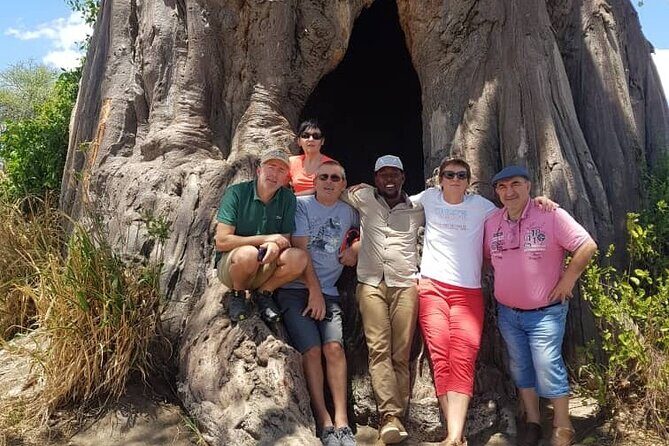
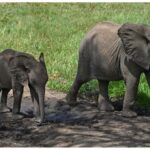
Tarangire is a smart first stop because it has a clear identity. The park is known as a major home for elephants, described as the largest concentration in the world. You also get the baobab scenery you only really appreciate in person, plus solid chances for monkeys, leopards, lions, cheetahs, zebras, giraffes, and more.
Bird lovers also benefit here. If you like spotting and naming birds, Tarangire is one of the places that can keep you entertained between bigger wildlife moments.
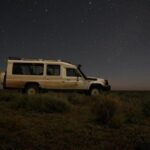
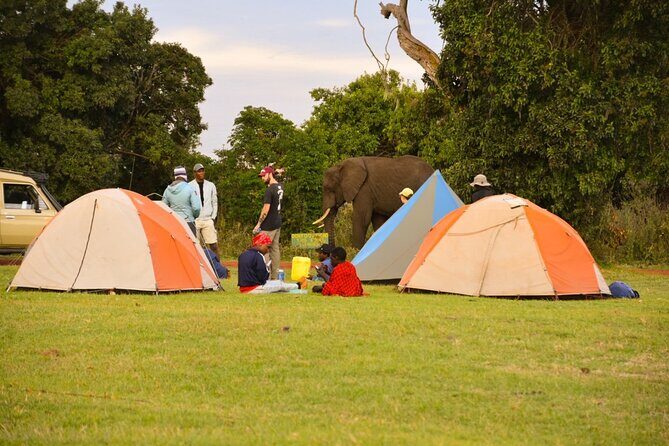
Dinner and overnight are at Twiga campsite outside the park. That means you get a true camp night without pretending you will be doing luxury lodge life. The upside is easy: after a long day scanning for wildlife, you get to sleep with the bush sounds in the background.
A practical consideration: Day 1 is a big day on your body. You start early, you drive, and you do a full game drive. If you are sensitive to long days, build your expectations around rest after dinner.
Day 2: the Serengeti arrival day and a half-day game drive with a gate stop
Day 2 starts with the long drive toward Serengeti National Park, about 3 hours after breakfast, leaving around 8:00 a.m. You reach Serengeti Gate in time for lunch at 1:00 p.m. Then you get a short walk and about an hour to reset.
After that break, you head into a half-day game drive, with the campsite stop around 6:00 p.m. This pacing is realistic. Transit day is not wasted time; it turns into an orderly arrival plus wildlife time before evening.
One of the neat touches on this day is the transit stop at Ngorongoro Gate. You pause briefly, with a chance to see baboons and learn about the crater area’s history. Even short stops can help you connect the dots between parks instead of treating each one like a separate world.
What could feel like a drawback: you do not get a full day inside Serengeti on Day 2. If you are the type who wants maximum hours on the road looking for animals, this day may feel slightly lighter. The tradeoff is you avoid rushing and you still get a proper game drive once you arrive.
Day 3: the dawn start, the Serengeti action, and moving toward the crater
Day 3 is an early one, starting around 6:00 a.m. for sunrise. You’ll go out for roughly 2 hours of game drive, then head back for breakfast and to pick up luggage.
After that, you do another game drive and then slowly move toward Ngorongoro Crater to spend the night at Simba public campsite. The key idea here is patience plus positioning. You get the benefit of a dawn wildlife window and still have time to keep searching as you work your way toward the next big target.
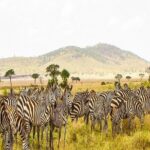
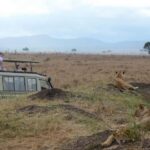
This is also where the Serengeti highlights come into play. You can be looking for large groups of lions and that “cat paradise” feel, plus the possibility of wildlife migration depending on season. The plan also flags Serengeti kopjes, those rocky outcrops people associate with iconic lion scenery.
Birding also stays on the menu. Serengeti is described as having more than 500 species of birds, so you should keep an eye out between the bigger sightings.
What to consider: you are doing a lot of “on, off, pack, drive, game drive” rhythm by the end of Day 3. Camping at a public campsite can be perfectly fine, but it also means you should expect basic conditions compared to a lodge.
Day 4: Ngorongoro Crater at first light for rhinos, hippos, and flamingos
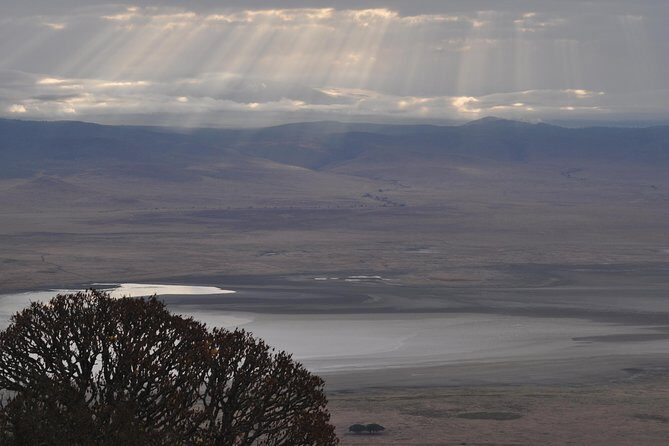
Day 4 is the crater day, and it starts early again. Around 6:00 a.m. you drive to Ngorongoro Crater for a half-day game drive.
This is your best shot for rhinos, and the timing is built for that. The crater is described as the largest intact, inactive volcano in the world, and it’s a World Heritage Site. In practical terms, that matters because the crater creates a condensed wildlife stage, which is exactly what you want when you only have half a day.
During the crater drive, you also get a classic mix of sights. The plan calls out flamingos and the crater lake break where you can observe hippos. You then start the drive back to camp for brunch, pack up, and transfer to Arusha around 11:00 a.m.
The biggest drawback here is also the simplest: it is a half-day in a place that deserves more time. But the plan is efficient. You’re squeezing your most important wildlife chances into your limited daylight.
A few more Tanzania tours and experiences worth a look

Camping safari reality: food, tents, and what you gain by sleeping in the bush
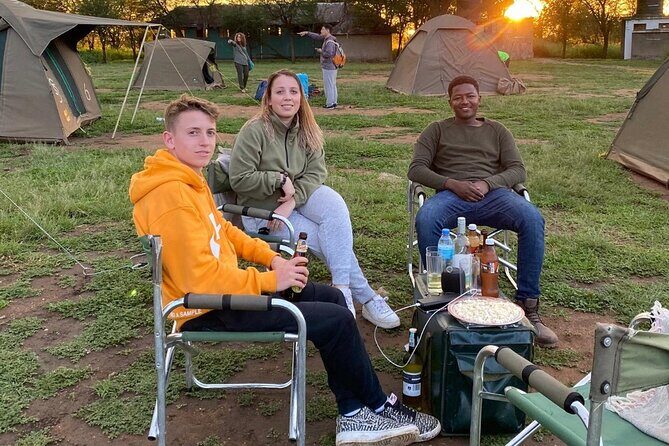
What makes this style of safari work is how it handles the “in-between” moments. Reviews put repeated emphasis on food, describing it as amazing and fresh-cooked, with a kitchen chief doing the cooking. Meals are included across the trip, so you are not constantly trying to guess costs or eat on the fly.
The structure is clear: breakfast is included on 3 mornings, lunch on 4 days, and dinner on 3 evenings. That’s a strong setup for long drive days because it keeps energy consistent.
On the camping side, you’ll be sleeping at Twiga campsite outside the park and then Simba public campsite. Camp nights are where you truly feel like you left the city. In good seasons, it also means your schedule starts making sense: you go out at dawn and you return before dark, then you sleep to the nightly sounds you came for.
One note for comfort-seekers: “camping” means you are accepting more basic conditions than a lodge. The payoff is proximity and atmosphere, not bedding and room service.
Your guide is the difference-maker on this route
On safari, the vehicle is only half the story. The guide shapes what you notice and how you interpret it.
This trip is built around guides who take spotting seriously and can explain what you are seeing. Names you may run into in past departures include Ayubu and Philbert, both noted for patience and for explaining animals in English. One review also mentions German support, which is a nice bonus if you want to go deeper.
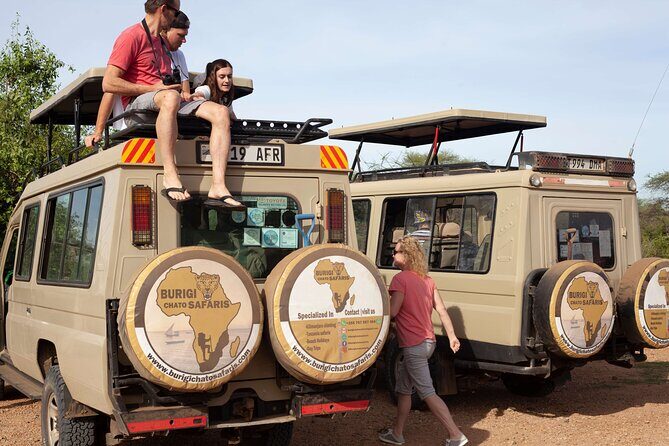
I like that the guide role is described as hands-on and practical: choosing best spots, answering questions, and keeping the group moving at a pace where you can still see things clearly. With a small group size of up to 6, you tend to get more interaction and fewer “everyone stare in the same direction” moments.
It also helps that the reviews mention the guides are careful with guests and keep the trip organized. When the plan includes early starts and multiple campsites, that kind of attention matters.
Price and logistics: what $950 buys, and what you still pay for
At $950 per person for roughly 4 days, this is priced like a focused budget-to-mid range safari package. The value comes from what’s already handled: pickup in Arusha, mobile ticket support, park access timing, multiple game drives, and meals.
Included meals are a big deal. Eating costs add up fast in tourist zones, and on safari you often want predictable meals that fit the schedule. Here you have breakfast, lunch, and dinner included for most days.
Also, the plan shows admission costs treated as either free or included depending on the day. That reduces surprise expenses if you are watching your total budget.
Not included items are the big three you should plan around:
- International or domestic flights and overall travel
- Tanzania entry visa
- Health insurance
One more practical thing: cancellation is free up to 24 hours before the start time. That can help if your flight plans are still moving around.
Who this safari fits best (and who should think twice)
This tour fits best if you want:
- A small-group safari with up to 6 people
- The classic Tanzania park lineup: Tarangire, Serengeti, Ngorongoro Crater
- Early starts when they matter, especially for Ngorongoro rhinos
- A camping experience where you actually sleep close to the bush
It may not fit if you need:
- Hotel-level comfort every night
- Long, slow days with no early departures
- A flexible itinerary that can change daily on a whim
If this is your first safari, the structure is easy to follow. You see a strong elephant start in Tarangire, you build into Serengeti, then you finish with the crater’s condensed wildlife focus.
FAQ
FAQ
What parks are included in this 4-day safari?
You’ll visit Tarangire National Park, Serengeti National Park, and Ngorongoro Crater.
Where does the safari start?
The meeting start point is Arusha, Tanzania.
Is pickup included?
Pickup is offered from your hotel, lodge, or hostel in Arusha.
What meals are included?
The package includes breakfast (3), lunch (4), and dinner (3).
Is admission to the parks included?
Admission is listed as free on Day 1 and Day 2, and included on Day 3 and Day 4.
What is the maximum group size?
The tour has a maximum of 6 travelers.
What does the price not include?
It does not include flights or travel, health insurance, and the Tanzania entry visa.
How does cancellation work?
You can cancel up to 24 hours in advance for a full refund. If you cancel less than 24 hours before the start time, the amount paid is not refunded.
Should you book this MyTrip2Tanzania safari?
If you want a straightforward, value-focused Tanzania safari with real camping nights and an efficient route through Tarangire, Serengeti, and Ngorongoro, this is a solid pick. The best signs are the repeated praise for guiding, food, and how organized the trip feels, plus the fact that the schedule targets wildlife at practical times like sunrise.
Book it if camping and early mornings do not scare you off. Skip it (or upgrade your expectations) if you’re looking for nonstop lodge comfort. Either way, this route is built for people who want animals, not just photos.