REVIEW · ARUSHA
7 Days Elephant Safari Experience in Arusha
Book on Viator →Operated by Tanzania Wildlife Adventures · Bookable on Viator
Wildlife is the schedule here.
This 7-day Arusha elephant safari connects Tarangire, the Serengeti, Ngorongoro Crater, and Lake Manyara around the dramatic January to March birth season. I like how the trip is built for real sightings, not just checkboxes, and how your days mix open-game drives with quieter lodge time when you can actually reset. The one-season theme is a big part of the magic, so if you travel in that window, the timing can feel like the savanna is doing a live show.
Two things I really love: the emphasis on excellent guiding and long, steady days, and the standout routing that puts elephants in Tarangire and Lake Manyara alongside predator-country in the Serengeti and the Crater. In particular, the name Yusuph comes up as a star guide, and Isdory is credited with shaping an itinerary around interests and budget while keeping the focus on wildlife. One consideration: this experience is most meaningful when you’re in Tanzania from January to March, because that’s when the overview’s birth-season promise is supposed to peak.
In This Review
- Key highlights at a glance
- Arusha arrival: Springlands hotel, your driver, and a calm start at 7:00am
- Tarangire: where elephants gather and the dry season does the work
- Serengeti, plus Olduvai Gorge: animals and the Rift Valley story in one week
- Full Serengeti day: picnic lunch, game viewing time, and optional night or walking safari
- Ngorongoro Crater: one drive with rhino and lion chances in the same day
- Lake Manyara: tree-climbing lions, mixed habitats, and bird-heavy surprises
- Back to Arusha and onward options: your departure day ends the safari loop
- Price and value: what $2,995 really buys in a six-person safari
- Practical stuff that keeps safari days comfortable
- Who this elephant safari fits best
- Should you book this 7-day Arusha safari?
- FAQ
- FAQ
- How long is the 7 Days Elephant Safari Experience in Arusha?
- What time does the tour start?
- Where does the safari start and end?
- How many travelers are in the group?
- Are meals included?
- Is travel insurance or flights included in the price?
Key highlights at a glance
- Small group size (max 6) for a more personal feel on safari
- Yusuph is singled out for taking charge and keeping the trip running well
- Olduvai Gorge is an optional stop that adds a human-history layer to the Rift Valley
- Ngorongoro Crater drive is built around classic big-game chances, including black rhinos
- Lake Manyara offers varied habitats and the famous tree-climbing lion possibility
- Meals included across most days, so you’re not constantly budgeting on the road
Arusha arrival: Springlands hotel, your driver, and a calm start at 7:00am
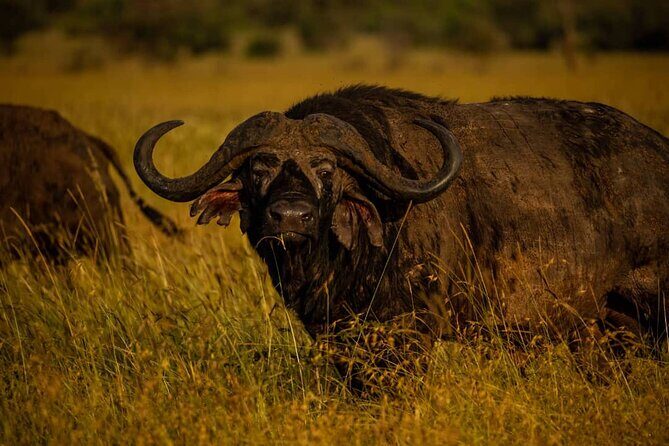
Your safari begins in Arusha with a morning start time of 7:00am, and the first thing you’ll notice is how they handle the handoff. After you land at K Airport, you’re met by a dedicated driver holding a sign with your name. That matters more than it sounds: in Tanzania, the difference between a smooth start and a scramble can set the tone for the whole week.
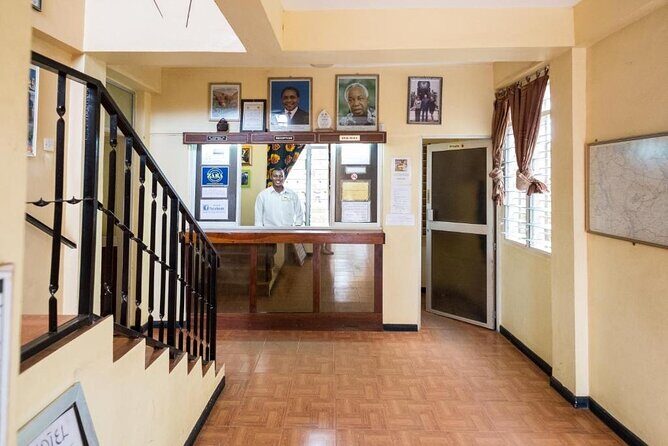
You transfer to Springlands hotel, where you get a proper meal on arrival and time to settle in before the pre-safari briefing. I like this kind of briefing because it’s not just logistics. You get a sense of how the next days will flow, what to expect in the parks, and what to keep an eye out for. Plus, you get a real “base” feeling: a swimming pool, gardens, a bar, and a restaurant. After travel stress, that kind of calm is not fluff. It’s recovery.
Practical tip: bring your passport and any vouchers/confirmation details you receive. A mobile ticket is part of the setup, but you’ll still want your documents organized so check-in day stays easy.
A few more Arusha tours and experiences worth a look
Tarangire: where elephants gather and the dry season does the work
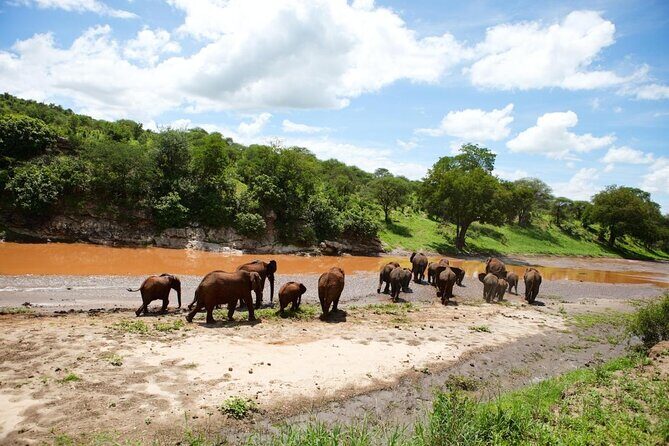
Day two is a big one: a drive to Tarangire National Park, timed for a setting that shines in the dry season. The key idea here is simple. As the dry season reduces water elsewhere, wildlife concentrates around the Tarangire River. That’s when you tend to see large herds moving and feeding in an area where animals are easier to spot without spending your whole day searching.
Tarangire is known for elephants and big mixed herds, but it’s also about variety. The route description calls out wildebeest, zebra, eland, and oryx gathering to stay near the river until rains return and they spread out again. Even if you’re an elephant-first person, you’ll usually enjoy the ecosystem vibe because you’re not watching one species all day. You’re watching a community form and shift.
Overnight is at Highview Coffee Lodge, and that’s a nice change of pace after long driving. Lodges like this often feel more “Tanzania” than airport-hotel chains, and you’ll appreciate the down time before Serengeti.
Watch-outs to plan for: game drives in this region can mean long vehicle hours. You’ll want comfortable safari clothes, good sun protection, and patience. If you’re expecting a “walk in the park” day, this won’t be that kind of trip.
Serengeti, plus Olduvai Gorge: animals and the Rift Valley story in one week
On the way to the Serengeti, you get an optional stop at Olduvai Gorge. It’s not a mandatory museum moment. It’s a 15-minute chance to see an archaeological site tied to early human fossil discoveries, and it also connects you to the Rift Valley’s deeper story. Even if your main goal is wildlife, it adds context to why this region looks the way it does: the tectonic forces that shaped the Great Rift Valley also helped form the setting you’re driving through.
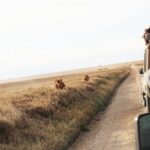
Then it’s Serengeti time. Overnight is at Serengeti Safari Lodge (or similar). Day three is your “first real taste” day, with a drive that takes a few hours into the park. This is where the planning choice matters: your itinerary is not just hopping quickly from gate to gate. You get real time in the Serengeti, which is the only way you’ll start to understand the rhythm of sightings.
The Serengeti portion is also described as part of a world heritage site with the largest concentration of animals still roaming freely. That’s a big claim, but practically, what you should expect is this: you’ll spend time looking for movement across open areas and scanning for predators and herds. It takes repetition. The second day is where you usually start seeing patterns and understanding what you missed the day before.
Reality check: in a big park, no one can promise a specific animal on a specific hour. What this routing does well is give you time.
Full Serengeti day: picnic lunch, game viewing time, and optional night or walking safari
Day four is another Serengeti day, not just a transfer day in disguise. After breakfast, you’ll go back into the park for another day of game viewing, with a picnic lunch included. That matters because picnic lunches keep you in the action longer instead of turning the day into a constant drive back to lodge for meals.
This is also when the optional experience window can appear. The plan notes that a walking safari or night safari is possible as an option. You should treat that as a choose-your-own-adventure add-on rather than a guaranteed feature. Still, it’s a great sign: it means the trip design allows you to experience the park beyond standard daytime viewing.
Overnight again is at Serengeti Safari Lodge (or similar), giving you the chance to decompress. Serengeti days can be tiring in a good way—sun, dust, scanning, waiting, and then suddenly seeing something dramatic close enough to feel real. Lodge time is where you’ll download your photos and review what you saw.
Photography note: if you care about wildlife images, use the lodge evening for organizing your gear and charging batteries. Safari mornings come early, and in the middle of the week you’ll be glad you planned a little.
Ngorongoro Crater: one drive with rhino and lion chances in the same day
Day five moves to Ngorongoro Crater, with a game drive inside the crater. This is the part many people picture when they think of classic Tanzania safari visuals: a natural bowl setting animals use, and a chance to see multiple species in one compact area.
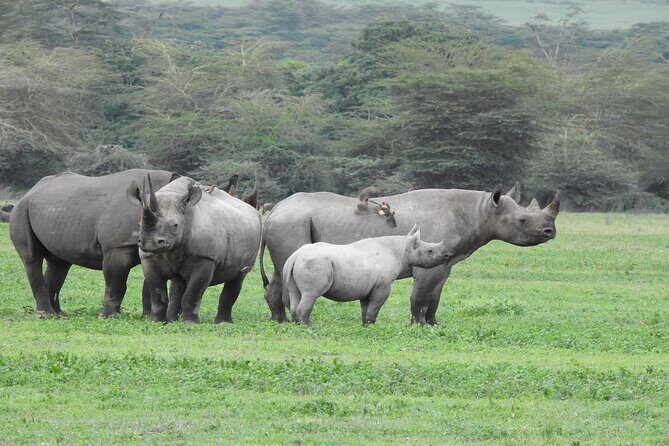
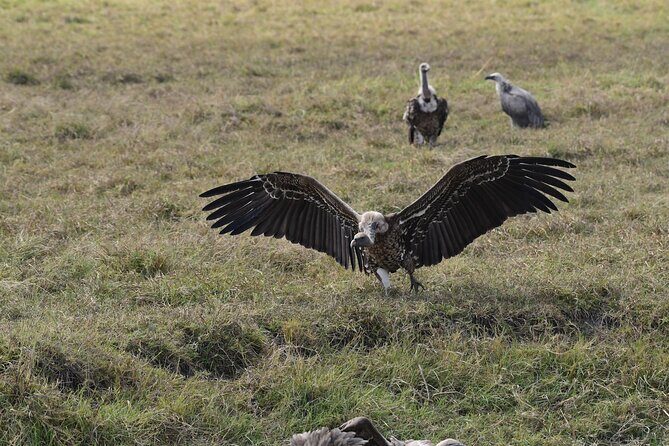
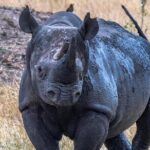
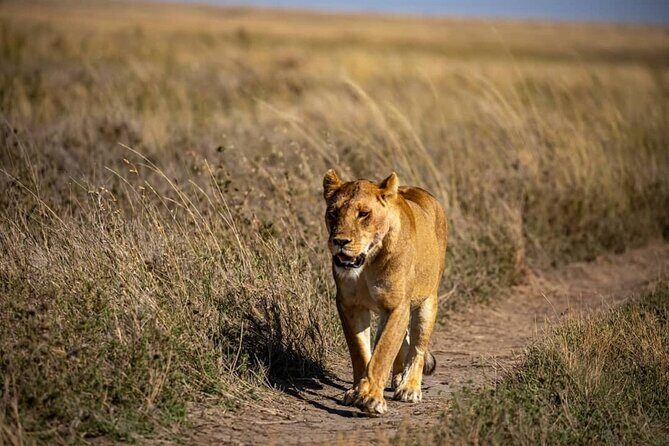
The description specifically calls out that Ngorongoro is one of the best places in Tanzania to see black rhinos and lions. It also mentions flamingos and other water birds, along with leopard, cheetah, hyena, and other antelope and small mammal species. In other words, the crater day is built for variety: predators and grazing animals, plus birdlife when conditions align.
Overnight is Ngorongoro Safari Lodge (or similar). Game drives into the crater can be intense because the viewing is concentrated. You’re watching for tracks, movement, and that moment when an animal decides to come closer.
Consideration: crater days can bring different vehicle pacing than open plains. You’ll want to keep your expectations flexible. The prize is being in the right place with the right guide and time, not forcing a single animal on a checklist.
A few more Arusha tours and experiences worth a look
Lake Manyara: tree-climbing lions, mixed habitats, and bird-heavy surprises
Day six shifts to Lake Manyara National Park, near the Rift Valley. This park stands out because it’s described as having several ecosystems in one area: acacia forests, grassy plains, swampy delta, and the vast lake. That matters because it changes what you’ll see. If you’ve been thinking it’s all one kind of habitat, Lake Manyara gently corrects that.
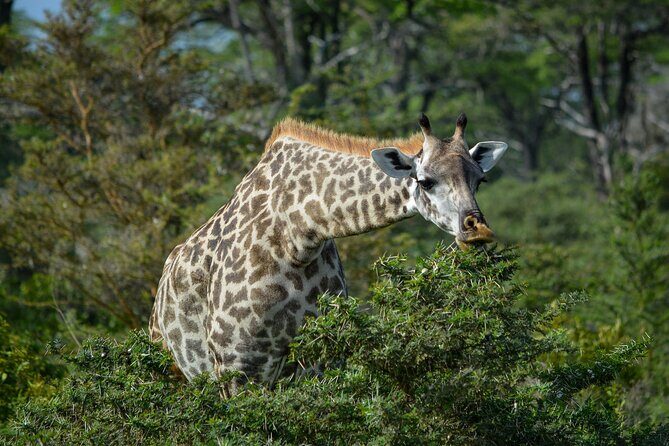
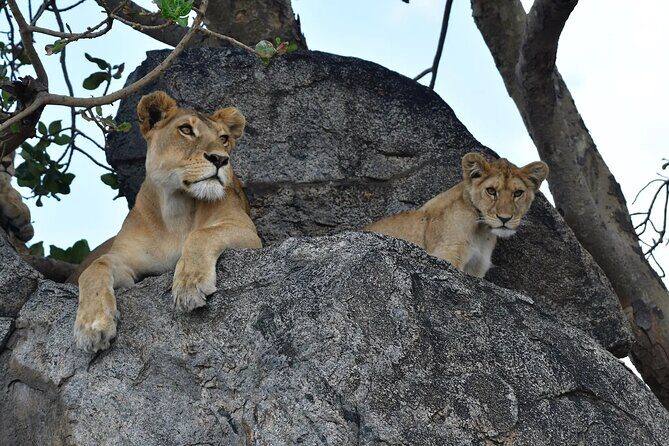
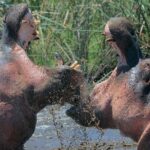
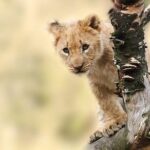
The big wildlife notes here include the possibility of rare tree-climbing lions, plus buffalo, impala, giraffe, warthogs, hippos, and elephants. There are also monkey areas and plenty of birds. If you want a day where you’re not only scanning for predators, this is one of the best fits.
You’ll stay back at Springlands Hotel (or similar) for the night. Coming back to Arusha-area comfort is a nice reset before your final departure day.
Practical tip: bring binoculars if you have them. Lake Manyara’s mix of birds and distant wildlife can reward a little extra viewing power.
Back to Arusha and onward options: your departure day ends the safari loop
Day seven is the return to Arusha and transfer to the airport for departure. The plan notes you can extend your trip with a stay in Zanzibar or day trips, which is useful if you want to keep your Tanzania trip from feeling too “only safari, only vehicles.”
This matters for two reasons. One, a week of road and early mornings is a lot. Two, it helps you balance your vacation with something that feels different from the parks—beaches, Stone Town energy, or just a change of pace.
If you’re building a longer trip, consider scheduling a lighter day after your final safari morning. Your body (and your camera strap) will thank you.
Price and value: what $2,995 really buys in a six-person safari
At $2,995 per person, this is not a cheap safari. But it’s also not priced like a bare-bones camp-and-carry. The value shows up in a few places:
First, you get a multi-park route across major wildlife regions: Tarangire, Serengeti, Ngorongoro Crater, and Lake Manyara. Doing these in one week means you’re paying for planning, driving logistics, and time in the parks—things that can easily blow up in cost if you try to build it yourself.
Second, there’s a small group size limit: maximum 6 travelers. Smaller groups tend to mean fewer compromises on game viewing and a more flexible vibe on long days.
Third, meals are included across most days: breakfast is listed 6 times, lunch 4 times, and dinner 4 times. That’s real value because it reduces where you’d otherwise spend money during the middle of a safari week.
Fourth, the trip info lists admission tickets as free or included across the itinerary days. While you should still confirm details with your operator at booking, it’s a good sign that park access isn’t an extra surprise bill halfway through.
Finally, the guide quality is a major selling point. Yusuph is praised as the star guide because he took charge of the trip and kept things moving. That kind of competence is what turns a good itinerary into an actually enjoyable week.
Quick budgeting check: this price covers what’s listed, but insurance and flights are not included. Plan those separately so your final total is accurate.
Practical stuff that keeps safari days comfortable
Safari travel is mostly comfort logistics disguised as adventure. Here’s what will help you have a smoother week, based on the way this tour runs.
Expect early mornings and lots of driving. The safari starts at 7:00am, and most days are built around day trips to parks. Dress for sun and dust. Bring layers for cool starts, and something breathable for midday heat.
Physical effort is moderate. The trip notes a moderate physical fitness level. That usually means you should be ready for uneven ground, getting in and out of vehicles, and handling some walking at lodges or viewing areas. It does not sound like an extreme trekking itinerary, but you should be comfortable moving around daily.
Safety is a priority, and the operator highlights well-informed guides with the ability to work for a long time. In safari terms, that translates to fewer rushed decisions and a calmer day when conditions change.
If you use a service animal, the tour notes that service animals are allowed. That’s important to confirm early with any specifics, but it’s a good sign that they’ve thought about this.
Who this elephant safari fits best
This trip suits you if you want the classic Northern Tanzania combo and you care about real wildlife time. If elephants are a focus, Tarangire and Lake Manyara are strong matches because both are described as having elephant sightings alongside other big animals.
It also fits well if you like a guided experience where someone else manages the rhythm. The praised guides (Yusuph especially) show that navigation and timing matter here. If you’re the type who wants photography opportunities mixed with a comfortable pace, this route reads like it was designed for that balance.
It may not be the best fit if you can’t travel during the January–March period. The birth-season theme is part of the overview. You can still see plenty of animals outside that window, but the emotional payoff described here is strongest when the timing aligns.
Should you book this 7-day Arusha safari?
You should book if you want a well-paced, multi-park safari built around the big names of Tanzania wildlife, with a small group and strong guiding. The route makes sense for first-timers and for anyone who wants elephants plus predator country without adding complexity.
You might skip it (or adjust expectations) if your dates fall outside January to March and you’re specifically chasing the birth-season storyline. Also, at $2,995, make sure you’re comfortable with a week where the main activity is driving and game viewing, not a schedule packed with optional add-ons.
FAQ
FAQ
How long is the 7 Days Elephant Safari Experience in Arusha?
It’s approximately 7 days.
What time does the tour start?
The start time is listed as 7:00am.
Where does the safari start and end?
It starts in Arusha, Tanzania, and ends back at the meeting point.
How many travelers are in the group?
The tour has a maximum of 6 travelers.
Are meals included?
Yes. Breakfast is included 6 times, lunch is included 4 times, and dinner is included 4 times.
Is travel insurance or flights included in the price?
No. Insurance and international/local flights are not included.