REVIEW · ARUSHA
Private 6-Day Great Migration Ndutu Serengeti Safari Tour
Book on Viator →Operated by Lion King Adventures · Bookable on Viator
Big herds, tight timing, and serious guiding. This Ndutu-focused Great Migration safari is designed around the short-grass plains where wildebeest and zebra gather, with the best calving odds in January. What I like most is the route stitching together Tarangire + Ndutu + Ngorongoro Crater + Lake Manyara for a full wildlife spectrum, and the private setup where guides can actively hunt for your target sightings. One thing to consider: your experience will lean heavily on season, because the calving window is short (about 3 weeks around January), and road time between parks is part of the deal.
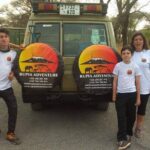
The service side also looks strong in real-world use. Lion King Adventures communicates well ahead of time and runs smooth pickup and drop-off, including an airport pick by a Lion King representative and returning you back to the meeting point after your final park day. Guides’ names pop up across the reviews too, including Shabani, Meck, Gilbert, Ozzie, Shafino Dominick, Goodluck, Evans, Luther, Gama, George, and Fredrick, with consistent praise for spotting animals and staying on top of what matters most to your group.
In This Review
- Key highlights to know before you go
- Ndutu in January: when the short-grass plains turn into a maternity ward
- Your private 6-day routing: Tarangire to Ndutu to Ngorongoro Crater to Lake Manyara
- Day 1 in Arusha: airport pickup and a proper first-night reset
- Day 2 Tarangire National Park: elephants, acacia savanna, and a real river system
- Days 3–4 at Ndutu Lake: swamps, soda lakes, and the Great Migration surge
- Day 5 toward Ngorongoro Crater: Big Five odds on a dense, ancient bowl
- Day 6 Lake Manyara: flamingos, primate woodlands, and lions in trees
- Guides and service: why the human factor keeps coming up
- Price and logistics: is $2,827 per person good value?
- Season strategy: Dec–Apr migration focus, with January as the money month
- Practical tips that make a difference on safari
- Should you book this Ndutu-to-Manyara migration route?
- FAQ
- Where does the safari start and end?
- How long is the tour?
- Is this a private tour?
- Which areas and parks are included?
- What is the best time for the Great Migration and calving on this route?
- Are park admission tickets included?
- Do you get pickup from the airport or from Arusha?
- What if I need to cancel or change dates?
Key highlights to know before you go
- January calving focus at Ndutu: a short, high-action window when calves drop across the plains
- Private, guide-driven game viewing: more time searching, less time guessing
- Big landscapes across multiple parks: elephants and river life at Tarangire, dense game at Ngorongoro, birds and woodlands at Manyara
- UNESCO Ngorongoro Crater scale: about 610 meters deep and roughly 304 square kilometers of crater habitat
- Manyara’s seasonal lake and flamingos: a small park with outsized variety, including lions that can show up in trees
Ndutu in January: when the short-grass plains turn into a maternity ward
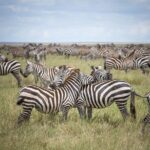
If you’re chasing the Great Migration for more than big photos, this is the smart part of the calendar. The tour’s core focus is Ndutu (Lake Ndutu region) in the Ngorongoro Conservation Area, part of the Serengeti ecosystem, where the herds often concentrate from about December through April.
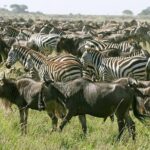
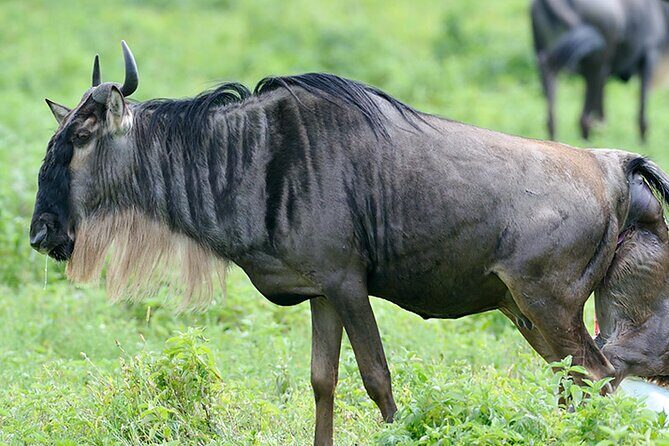
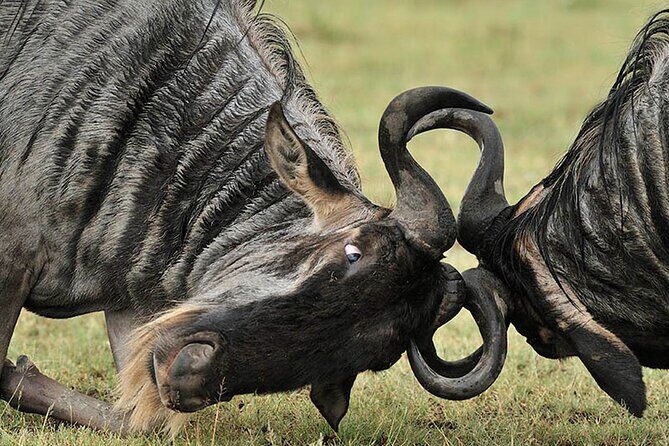
Here’s what makes Ndutu special: the plains are short grass, so newborn calves have little cover and predators are never far away. Around January, the birthing peak can last roughly three weeks, and the guide is set up to spend not just one drive but a full day (actually two days total in the Ndutu region) to give you repeated chances to catch the action. That timing matters because the migration is not one static event you can schedule once and then forget. It’s moving, and Ndutu’s advantage is that the action clusters.
Practical takeaway for you: if you’re flexible, plan around that January window. If your travel dates drift earlier or later, you may still see migration herds, but the specific “calving surge” vibe may be thinner. Either way, expect predators as a background storyline, not an afterthought.
You can also read our reviews of more private tours in Arusha
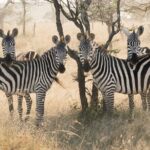
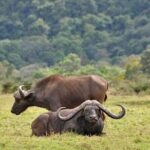
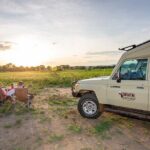
Your private 6-day routing: Tarangire to Ndutu to Ngorongoro Crater to Lake Manyara
This trip is built like a wildlife sampler, but not a random one. It follows a logical rhythm: start with elephants and river ecosystems at Tarangire, build to the migration hotspot at Ndutu, then switch gears to Ngorongoro Crater’s high-density viewing, and end with Lake Manyara’s bird life and tree-dwelling animals.
What you’re really buying with the private format is continuity. You’re not sharing your safari day with strangers who have different interests or different patience levels for spotting. A private guide can adjust where you spend time inside each park based on what’s happening, and the reviews repeatedly mention that guides worked hard to find animals and match favorites. That’s a big deal in Serengeti country, where the best sighting can shift quickly.
You also get a clean logistics flow: airport pickup, accommodation overnights, and return to the meeting point at the end. The schedule doesn’t pretend driving is optional; it just builds the days around it.
Day 1 in Arusha: airport pickup and a proper first-night reset
You start in Arusha, with pickup from the airport by a Lion King representative. That small detail matters more than it sounds. In Tanzania, your first hours are where jet lag and uncertainty can throw off your momentum, and a representative pickup helps you get your bearings fast.
Your first night is at Arusha Planet Lodge. The plan here is simple: settle in, relax, and sleep before a full safari day. Even if you arrive with excitement turned up to 11, this is the right kind of first step. By the time you’re heading into Tarangire the next day, you’ll be ready to scan the acacia-dotted plains instead of mentally counting down the hours.
Day 2 Tarangire National Park: elephants, acacia savanna, and a real river system
Tarangire is one of the easiest parks to love, even if you’ve never been on safari before. You’ll head out from Arusha in the morning with a personal guide, traveling on a tarmac road across Maasai plains with scattered acacia trees. As you go, you can pass Maasai people on the roadside in colorful dress, plus roadside scenes like herding cattle and donkey carts.
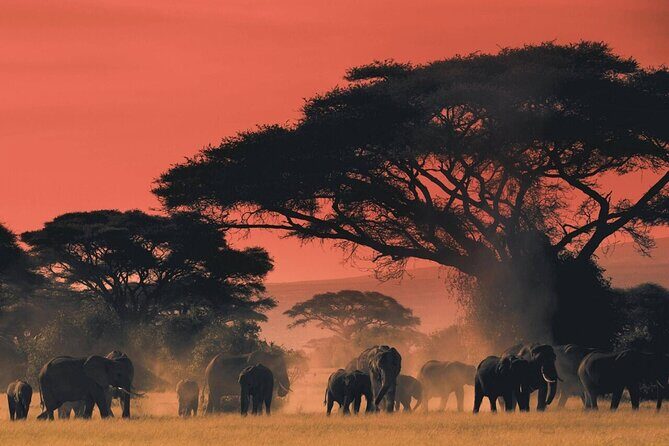
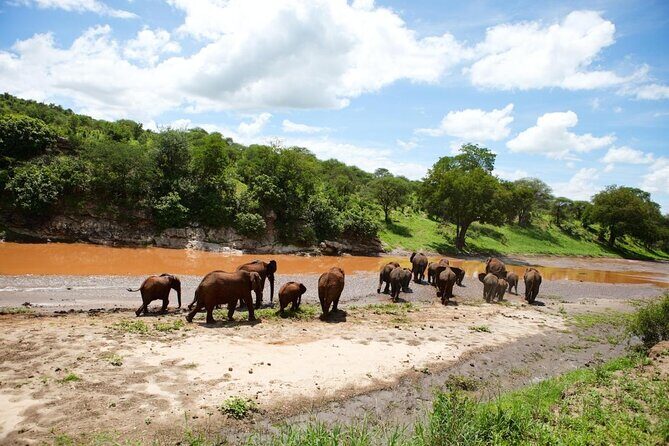
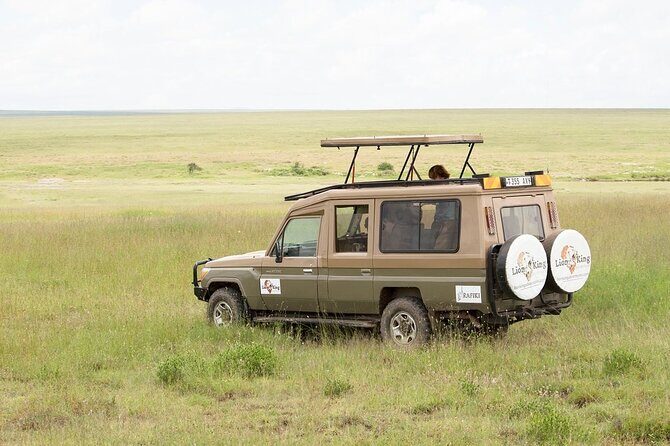
Once inside Tarangire, the focus becomes big elephants and habitat variety. Tarangire is known for large elephant herds, and you’ll also be looking for other wildlife across seasonal swamps, savanna, and the life-giving Tarangire River. The game viewing is done from an open-roof safari jeep, which is excellent for spotting quickly and for getting clear sightlines for photos.
A realistic consideration: with parks like this, it’s very easy to burn your attention span early. Elephants can appear and disappear fast as groups move along the river and through open areas. So give yourself permission to stay calm when the herd isn’t visible yet. The payoff is that Tarangire often gives you multiple wildlife “moments” instead of one long wait.
Days 3–4 at Ndutu Lake: swamps, soda lakes, and the Great Migration surge
The Ndutu portion is where this safari earns its name.
After breakfast, you head about 3 hours to the Lake Ndutu region in the Ngorongoro Conservation Area. The scenery along the way is part of the experience in itself: the Rift Valley setting comes through, and the tour schedule emphasizes the alkaline lake country where wildlife lives close to water sources.
Then comes your first Ndutu game drive, after which you head to your lodge for dinner and overnight. The second Ndutu day is the big one: a full day game drive across swamps, woodland, soda lakes, and short-grass plains. That variety matters because it helps explain what you’re seeing. In Ndutu, the migration isn’t only a single “sea of grass” moment. It’s a shifting pattern across habitats where herds feed, rest, and move.
Why the calving window is the main attraction: around January, you can get synchronized birthing over a short timeframe—often described as roughly half a million calves in the region during that peak. The important detail for you is what that means in the field. Calves can be up and moving quickly, so your best viewing is often a sequence of short bursts: a herd tightens, babies appear, predators test the edges, then everyone shifts again.
Also, short grass means less cover. That’s great for sightlines, but it also means you’ll be watching constant movement and quick decisions by the animals. If you go in expecting the action to be static, you’ll be disappointed. If you go expecting a constant live-action film, you’ll be in heaven.
A few more Arusha tours and experiences worth a look




Day 5 toward Ngorongoro Crater: Big Five odds on a dense, ancient bowl
After breakfast, you head out for a game drive en route through the Serengeti and then to Ngorongoro Conservation Area. The plan suggests that with lady luck, you may spot the “Big Five,” depending on what the day offers.
Ngorongoro Crater is a different kind of wow than open plains. This UNESCO World Heritage site was formed by an ancient volcanic explosion, and it’s about 610 meters deep with roughly 304 square kilometers of crater habitat. The tour schedule also points out why animal density is often so high: an estimated 25,000 ungulates call the area home, which means you’re searching in a place built for sightings.
You’ll arrive at the crater rim before lunch, and that timing is smart because it gives you a classic view of the crater before the midday heat pushes everyone into a different rhythm. In a place like this, the animals don’t always need to wander far for you to get a strong sighting. When viewing is dense, patience pays off in fewer, more reliable moments.
Day 6 Lake Manyara: flamingos, primate woodlands, and lions in trees
Your final day shifts you to Lake Manyara National Park, about 120 km west of Arusha. Manyara is small, but it packs variety in a way that makes it a strong closer to a migration safari.
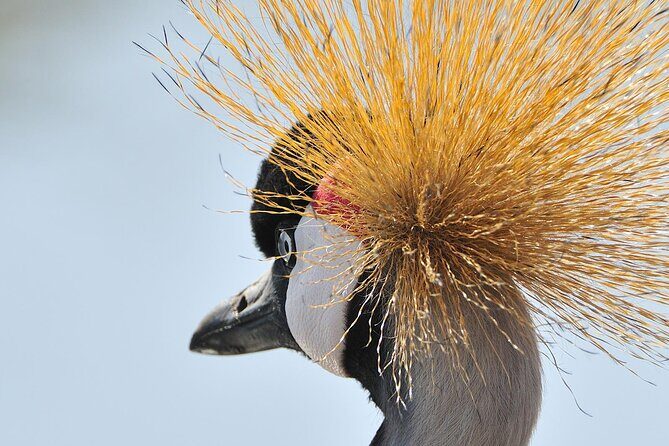
Lake Manyara is named for a shallow salt lake that floods and dries with the seasons. When conditions align, you can see thousands of flamingos and a huge range of birds—around 500 other bird species are mentioned in the park description.
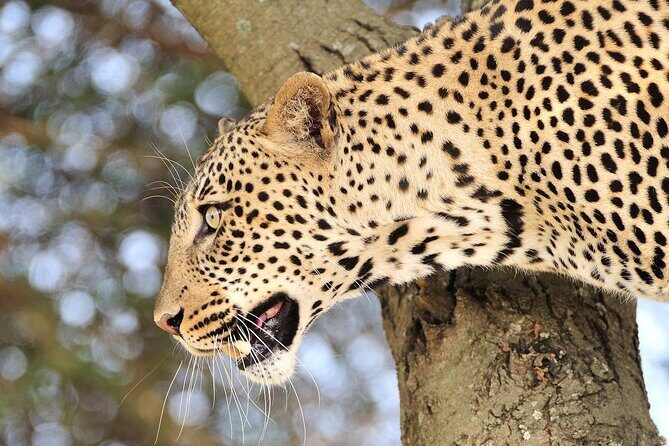
Wildlife isn’t only about birds, though. You might see monkeys, giraffe, zebra, wildebeest, buffalo, elephants, and with luck, lions lounging in the trees. Manyara’s look is also part of the appeal: open plains alongside primate-filled woodlands and baobab-dotted cliffs.
Practical tip: end-of-trip energy can be a factor. Manyara’s best sightings can be sudden—like a lion’s position in branches you didn’t clock at first. So keep your scanning steady. If you start drifting into photo mode only, you can miss the exact second something interesting happens.
Guides and service: why the human factor keeps coming up
One reason these safaris get repeated high marks is the guide quality and how the team manages the details. In the notes people share, Lion King Adventures shows up as responsive before departure and organized when you’re actually out in the field.
Guide names that come up in praise include Shabani, Meck, Gilbert, Ozzie, Shafino Dominick, Goodluck, Evans, Luther, Gama, George, and Fredrick. Across those accounts, the common themes are:
- Guides who actively search for animals instead of just driving routes
- Strong driving skills that keep you safe and comfortable on changing terrain
- A focus on finding specific targets, like leopard and other big cats, when the day allows
- Communication that reduces stress, especially when plans shift or luggage has issues
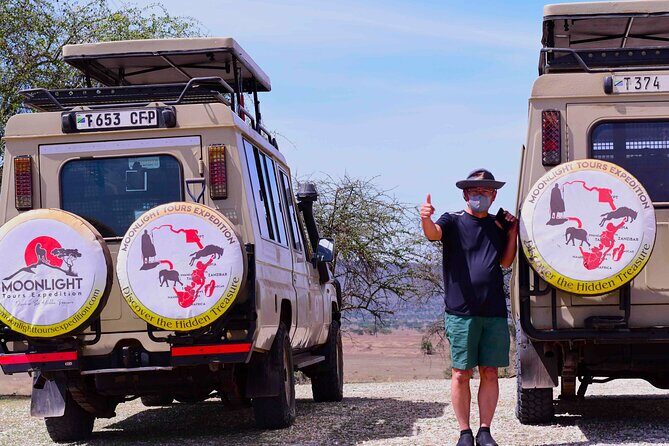
Also, several mentions point to well-maintained vehicles and smooth pickup or airport transfer. That might sound like “boring logistics,” but on safari, comfort affects attention. When the vehicle runs well and the driver handles rocky or muddy sections, you watch more because you’re not fighting discomfort.
Price and logistics: is $2,827 per person good value?
At $2,827 per person for a private 6-day safari, the price is not small. But the value question is really about what you’re getting: multiple parks, multiple ecosystems, a migration-calving focus, and private guiding across several long days.
Here’s how I’d frame the value for you:
- You’re paying for private time in places where sightings are unpredictable. That’s the biggest premium.
- You’re paying for a strategic route. Tarangire adds elephant-heavy variety; Ndutu targets the migration and calving period; Ngorongoro gives density; Manyara adds birds and wooded scenes.
- The schedule also indicates park admissions are handled as free/included on the listed days, plus you get a structured set of lodge nights and driving days. Since admission rules can vary by operator, confirm what’s covered, but the trip is at least designed to be straightforward.
One consideration: private safaris are often best value when shared among a small group. If you’re traveling solo, it can still be worth it for the experience and flexibility, but the per-person cost will feel heavier. If you’re a couple or small group, the private format can feel more reasonable fast.
Season strategy: Dec–Apr migration focus, with January as the money month
This safari is clearly positioned for the Great Migration arc from December through April. The big headline is that January is the prime time for witnessing calving, often lasting around three weeks.
If you’re going in January, you’re aiming for the most intense wildlife “mix” in Ndutu: herds present, calves born, and predators opportunistic. If you’re going outside January, you might still get plenty of wildebeest and zebra movement, but the specific calving density and synchronized feel may not match the peak window.
So when you’re choosing your dates, treat them like part of the itinerary design, not a footnote. The wrong month turns the trip into a migration viewing safari instead of a calving-focused safari.
Practical tips that make a difference on safari
These are the kind of details that help you enjoy the day more and fight fewer annoyances.
- Wear layers. Mornings can feel cool, and you’re in an open-roof jeep where wind can change fast.
- Bring sun protection and something to keep dust off your eyes. Game drives mean constant scanning.
- If there’s one animal you truly care about, tell your guide early. Several guide-focused accounts mention guides working hard to find favorites.
- For photos, plan on short bursts. In herds and predator scenes, the action moves in waves.
- Stay patient during transitions. Long drives between parks can feel slow, but you’re moving toward different habitats built for different sightings.
Should you book this Ndutu-to-Manyara migration route?
I think this safari is a strong pick if you want the Great Migration experience at its most dramatic time of year and you care about more than just one park. The Ndutu focus in a private format is the headline, and the rest of the route adds variety instead of repeating the same scenery all week.
Book it if:
- Your dates can land around January for calving odds
- You want a private guide actively looking for animals and tailoring attention to your group
- You want an efficient classic circuit: Tarangire + Ndutu + Ngorongoro + Lake Manyara
Be cautious if:
- Your dates fall far from the January peak and you’re specifically chasing calving
- You dislike long driving days between regions
- You want to keep total costs ultra-low, because private safaris like this are priced for comfort and flexibility
If you can match the timing, this is the kind of safari where the days feel different on purpose, and the big moments come from being in the right places at the right time.
FAQ
Where does the safari start and end?
The activity starts at Mount Meru Hotel on the Arusha-Taveta Road in the Sekei area of Arusha. It ends back at the same meeting point.
How long is the tour?
The tour runs for 6 days, approximately.
Is this a private tour?
Yes. It is private, and only your group participates.
Which areas and parks are included?
The route includes Tarangire National Park, the Lake Ndutu region in the Ngorongoro Conservation Area, Ngorongoro Crater, and Lake Manyara National Park, with time in Arusha at the start.
What is the best time for the Great Migration and calving on this route?
The focus is on the Great Migration season from December to April. January is described as the best time for witnessing calving, typically around a three-week window.
Are park admission tickets included?
The schedule shows admission tickets are listed as free or included for the different days. You should still confirm the exact inclusions when you book, since coverage is shown day-by-day.
Do you get pickup from the airport or from Arusha?
Pickup is offered. The start includes pickup from the airport by a Lion King representative and transfer to your Arusha accommodation.
What if I need to cancel or change dates?
This experience is non-refundable and cannot be changed for any reason. If you cancel or ask for an amendment, the amount you paid will not be refunded.