REVIEW · ARUSHA
4 Days Luxury Lodge Safari Tour Tanzania
Book on Viator →Operated by Travel Africa Safari Agency · Bookable on Viator
Big-game days, comfy beds. This 4-day circuit strings together Tarangire’s elephant herds and Serengeti sunrise game viewing, with lodge nights built for comfort after long drives. I like the way the days are paced: picnic lunches in the parks, then game drives that keep going late enough to feel like you’re really in the bush, not just passing through.
I also like the classic lodge sequence at Tarangire Sopa Lodge, Serengeti Sopa Lodge, and Ngorongoro Sopa Lodge—it’s a luxury-style rhythm that makes the trip feel “real” and not like a fast checklist. One possible drawback: the higher price means you’ll want to confirm your exact lodge category for every night, because at least one past booking reported a mismatch on the final stay.
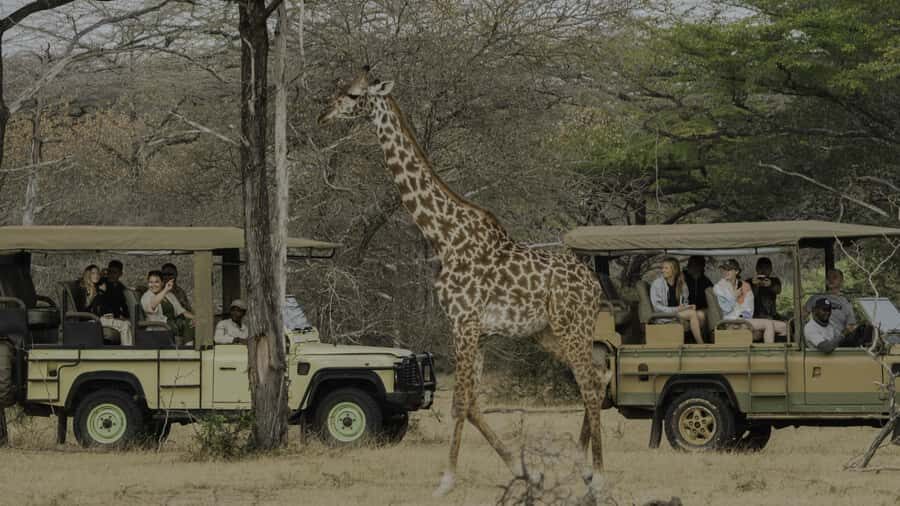
Here’s the thing: this safari leans on early starts and long park days, including a serious descent into Ngorongoro. You get the practical benefits of transport in a 4WD with a pop-up roof, plus a small group size (max 12), which helps keep the day smooth and improves your odds of getting good sightlines.
In This Review
- Key Highlights That Make This 4-Day Safari Feel Worth It
- The Route: Arusha to Tarangire, Serengeti, and Ngorongoro in 4 Days
- Price and Value: What $2,550.39 Includes (and What It Doesn’t)
- Day 1: Arrival Energy and Tarangire’s Elephant Herds
- Day 2: Serengeti Setup via Manyara, Rift Valley Views, and a Maasai Option
- Day 3: A Chilly 6:00 AM Serengeti Start and Then Ngorongoro Conservation Area
- Day 4: Ngorongoro Crater’s 650m Descent for a Half-Day Game Drive
- Lodges and Comfort: What Luxury Looks Like on Safari
- Guide Quality and Small Group Size: Why Max 12 Can Matter
- What To Expect When You’re Chasing the Big Five
- Practical Tips for This Itinerary (Staying Comfortable in Real Safari Timing)
- Should You Book This 4-Day Luxury Lodge Safari?
- FAQ
- What parks does this 4-day safari include?
- Are meals included during the safari?
- Is park admission included in the price?
- What kind of vehicle is used for game drives?
- How large is the group?
- What is the Ngorongoro crater drive like?
Key Highlights That Make This 4-Day Safari Feel Worth It
- Tarangire elephant time: big herds are a focus, with game drives that can run late into the evening.
- Serengeti morning viewing: you’ll be out early enough to chase the light and the animals that move with it.
- Ngorongoro crater descent (650 meters): a half-day crater drive with a chance at rhino if conditions line up.
- A tight luxury lodge chain: Sopa properties on the route help keep expectations clear.
- 4WD with pop-up roof: better viewing angles for wildlife and photos.
- Max 12 in the group: less crowding around sightings.
The Route: Arusha to Tarangire, Serengeti, and Ngorongoro in 4 Days
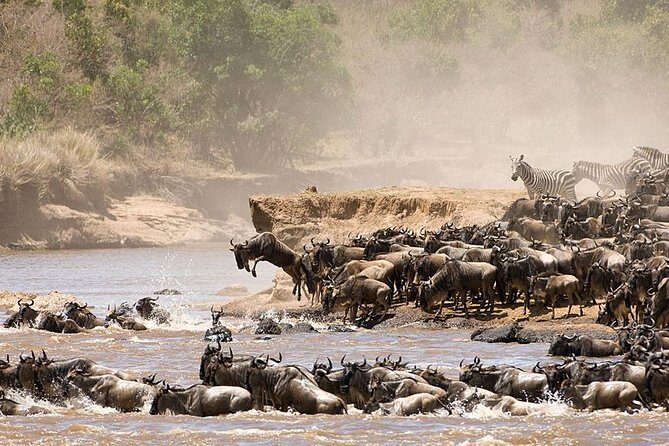
This safari is built around Tanzania’s three most satisfying “feel different” zones: Tarangire for elephants and open skies, Serengeti for big roaming drama and early light, and Ngorongoro Crater for the compressed, high-density crater experience.
You’re based in lodges each night, and the driving is the spine of the itinerary. The plan is a mix of long in-vehicle time and focused time in the parks, so the whole trip still feels like a safari, not a series of quick stops.
Logistics matter here. The itinerary includes pickup, and you’re traveling in a 4WD vehicle with a pop-up roof, which is exactly what you want for game drives where everyone is craning for the same view.
A few more Arusha tours and experiences worth a look
Price and Value: What $2,550.39 Includes (and What It Doesn’t)
At $2,550.39 per person, this isn’t a budget safari. The value comes from what’s included and how efficiently the days are used.
Included in the package:
- Meals 3 times a day (breakfast, lunch, dinner)
- Park-day transport in a 4WD with a pop-up roof
- Admission tickets are listed as included
- Picnic lunch during the park days
- Pickup is offered
Not included:
- Personal items
- Tips for the driver guide and safari cook
- Visas
So the real value question is this: do you want a luxury lodge base with fewer surprises, or are you shopping for the cheapest way to hit the parks? The math only looks good if the accommodations match the premium you’re paying for.
That’s also where one caution from prior experiences lands: at least one booking reported a final-night lodge that felt too basic for what they thought was luxury. That doesn’t mean it always happens, but it does mean you should ask what the final night will be and what lodge category is guaranteed.
Day 1: Arrival Energy and Tarangire’s Elephant Herds
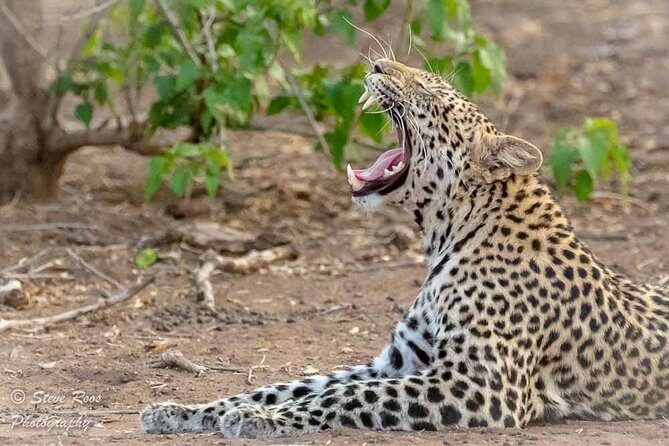
Your day starts with pickup in Arusha after breakfast, then you head straight toward Tarangire National Park. The day’s structure is simple: drive in, go out for wildlife viewing, stop for a picnic lunch, then continue game drives through the afternoon into the evening.
Tarangire is especially known for its elephant concentration, and this itinerary is explicitly designed for that. The plan mentions elephant herds ranging from 5–10 and sometimes up to 20, and that’s a big part of the “first-day payoff” for many people. Even if animal sightings aren’t guaranteed, the park is built for rewarding patience.
Late in the day, you finish with dinner and overnight at Tarangire Sopa Lodge. That matters because the first night sets the tempo. You’re not rushing to a new base every few hours; you’re settling in where the next day’s drive starts.
What to watch for:
- This is a day of vehicle time plus long wildlife viewing windows.
- You’ll want to be comfortable on long drives because the game drive portion runs well into the evening.
Day 2: Serengeti Setup via Manyara, Rift Valley Views, and a Maasai Option
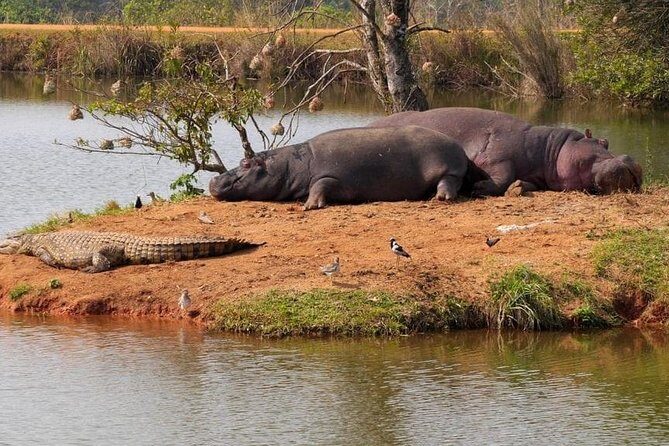
After breakfast, you continue the safari by leaving Tarangire and heading toward Serengeti National Park, going via Manyara and along rift valley escarpment scenery. The route itself is part of the experience: it’s not only about arriving, it’s about changing terrain and atmosphere as you move toward the Serengeti ecosystem.
You’ll reach the Serengeti by evening, then do an evening game drive with dinner and overnight at Serengeti Sopa Lodge. The evening drive is a good way to get your bearings in the park. You’ll often see different animal behavior at dusk than you would at mid-day, and the mood shifts in that first night in Serengeti.
There’s also an optional Maasai village visit on the way to Serengeti. If this interests you, it’s a chance to learn more about the region’s human culture rather than only focusing on wildlife. If it doesn’t, it’s easy to treat the route as strictly safari travel.
One practical note: because you’re arriving by evening, you’ll want to plan your expectations accordingly. Day 2 is about transition and first sightings, while Day 3 is where the itinerary really leans into early prime time.
Day 3: A Chilly 6:00 AM Serengeti Start and Then Ngorongoro Conservation Area
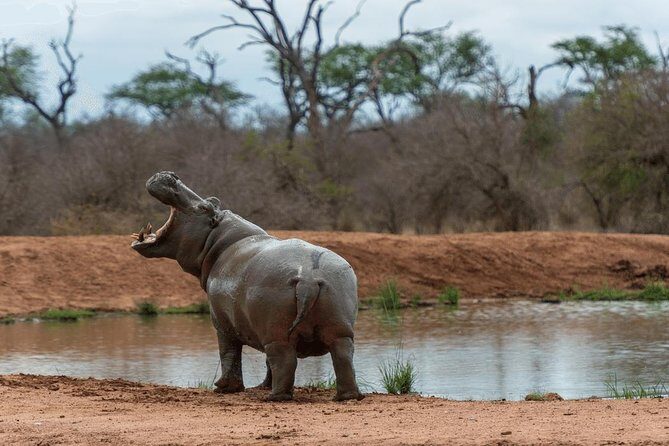
Day 3 is built around the classic safari rhythm: wake early, go out while conditions are best for wildlife movement, then regroup before the big “second act.”
The schedule calls for an early wake-up at 6:00 AM, followed by a morning game drive in the heart of Serengeti. The itinerary flags that it’s likely chilly in the morning, so plan for cooler air early and warmer temperatures later.
You’ll keep the game drive going until around midday, then drive back to camp for a full breakfast and lunch. After that break, you shift gears toward the Ngorongoro Conservation Area and continue game viewing en route, then finish with dinner and overnight at Ngorongoro Sopa Lodge.
This day is strategically useful because it covers two big goals:
- You get prime time in Serengeti during the morning light.
- You don’t lose the day’s momentum by only traveling; you’re also doing wildlife viewing on the way to Ngorongoro.
If you’re the type who likes to maximize time outdoors, this is one of the more satisfying days. If you’re chasing comfort, the mid-day return for food helps you reset rather than pushing through nonstop.
A few more Arusha tours and experiences worth a look
Day 4: Ngorongoro Crater’s 650m Descent for a Half-Day Game Drive
Day 4 is the big set piece: Ngorongoro Crater. After breakfast, you’ll have a short drive to the descending gate, then drive down about 650 meters to the crater floor. This is not just a scenic detour—it changes how the safari feels.
Once you’re down there, the plan is a half-day game drive on the crater floor, with picnic lunch included. The itinerary also mentions an important reason the crater is so productive: there’s permanent water throughout the year, so many animals prefer to stay, even though they can move in and out.
The highlight possibility is rhinoceros. You’re not promised a sighting, but the chance exists because Ngorongoro is one of the most reliable places in Tanzania to look for rhino, and the itinerary explicitly calls that out as a lucky payoff.
After lunch, you ascend back up to the crater rim and return to Arusha. You’ll arrive late in the evening and be dropped off at your booked hotel for dinner and overnight.
The timing is a “real day” ending: it’s not an early return. It’s a full safari finale, then a proper settle-back-into-Arusha finish.
Lodges and Comfort: What Luxury Looks Like on Safari
This trip is designed around lodge stays, not tent camps or split-the-world options. Nights are at Tarangire Sopa Lodge, Serengeti Sopa Lodge, and Ngorongoro Sopa Lodge—a consistent brand style across parks.
That kind of consistency matters. When you pay a premium, you’re paying for predictable comfort: hot showers, proper meals on schedule, and a base that’s more relaxing after long drives.
That said, the one reported issue from prior experiences is worth treating seriously: one person felt the final night accommodation was too basic for what was charged. That’s the only “luxury mismatch” concern that shows up, and it’s exactly the kind of thing you can prevent by confirming accommodation details in writing before you go.
If you want the best value at the premium price, be clear on:
- Which lodge is included for the final night
- Whether room category affects the standard you’ll receive
Guide Quality and Small Group Size: Why Max 12 Can Matter
The tour caps the group size at 12 travelers. In a safari context, that’s a meaningful number. Fewer people usually means less time circling and more time actually focusing on sightings.
Guides also come through in the kind of ways that affect your day. Several guide names show up as being praised for spotting animals, including Assad, Mohammed, David, and Joseph. If you connect with your guide, it tends to show up most during the early drives—when you’re trying to spot animals at a distance before they disappear into the landscape.
Also, the itinerary’s pacing depends on a capable driver guide. You’re doing:
- early starts
- park-to-park transitions
- crater descent logistics
A good guide helps keep those transitions from feeling chaotic and helps you make the most of the time you spend outside the vehicle.
What To Expect When You’re Chasing the Big Five
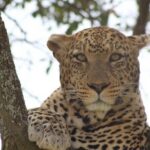
This safari is structured around three classic wildlife zones, which is why it can work for people who want Big Five odds. In the planning, the focus is on big species: elephants in Tarangire, big-game viewing in Serengeti, and rhino as a possible Ngorongoro crater sighting.
But here’s the honest reality: wildlife is wildlife. Your best strategy is to stay flexible and treat every game drive as a new window. Early mornings and late-day drives are often when animals are most active, and that’s exactly when this itinerary schedules its strongest viewing blocks.
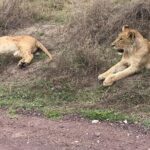
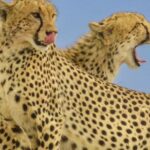
If you see big cats or rhino, it tends to feel like a reward for staying patient through the full day. If you don’t, the trade-off is still a worthwhile safari memory: you’ll still be in some of the most famous places for animal density and behavior.
Practical Tips for This Itinerary (Staying Comfortable in Real Safari Timing)
From the itinerary itself, the main “comfort variable” is morning temperature. Day 3 explicitly says it’ll be chilly in the morning, so I’d plan to be able to handle cool air at dawn and warming conditions later in the day.
The other practical factor is your daily rhythm:
- Long game drives
- Picnic lunch while you’re out in the park
- Lodge time that lets you eat properly and rest between viewing blocks
Because of that, you’ll enjoy this tour more if you’re okay with being “on safari mode” most of each day. If you want lots of free downtime, this isn’t that kind of itinerary.
Also, start time logistics are listed in a way that may vary by local operations, so when you confirm, check your actual pickup and departure time for Day 1. The itinerary clearly uses early mornings like 6:00 AM on Day 3, and those starts depend on getting you out on time.
Should You Book This 4-Day Luxury Lodge Safari?
If you want a 4-day luxury lodge safari that hits Tarangire, Serengeti, and Ngorongoro with a structure built for real game viewing, this tour makes a lot of sense. The inclusion of park admission, meals, and 4WD transport with a pop-up roof helps justify the premium price—especially if you’re serious about getting multiple viewing windows across different habitats.
I’d book if:
- You like a guided route with minimal planning stress
- You’re excited by elephant herds in Tarangire and early Serengeti drives
- You’re comfortable with longer days and early mornings
- You care about lodge comfort enough to pay for it
I’d pause or verify first if:
- You’re paying for luxury and want certainty about the lodge standard every night—especially the last accommodation
- You’re highly budget sensitive and need the cheapest way to see parks (this isn’t that)
On cancellation timing, the offer is free cancellation up to 24 hours before the experience start, so you have some room to adjust plans if needed.
FAQ
What parks does this 4-day safari include?
The itinerary focuses on Tarangire National Park, Serengeti National Park, and Ngorongoro Conservation Area, with a half-day game drive on Ngorongoro Crater.
Are meals included during the safari?
Yes. The tour includes breakfast, lunch, and dinner (three meals per day) for the duration of the itinerary.
Is park admission included in the price?
Yes. Admission tickets are included for the days covered by the itinerary.
What kind of vehicle is used for game drives?
You travel in a 4WD vehicle with a pop-up roof, which is designed to improve viewing during game drives.
How large is the group?
This safari has a maximum group size of 12 travelers.
What is the Ngorongoro crater drive like?
On the final day, you descend to the crater floor by driving down about 650 meters for a half-day game drive, with picnic lunch included.