REVIEW · ARUSHA
Materuni Waterfalls and Coffee Day Tour
Book on Viator →Operated by Serengeti Insider Safaris · Bookable on Viator
This morning hike hits fast and feels real. You’ll see Materuni Waterfalls up close and learn Chagga coffee-making hands-on with a local guide. The one thing to plan for: the day starts early at 6:00 am, and the Kilimanjaro view is only reliable when the weather cooperates.
I like that the tour mixes active nature time with everyday village life. Expect a 70-meter waterfall in lush surroundings, a village visit, and a coffee process that goes beyond tasting. For balance, the hike is for moderate fitness, so if you’re not comfortable with walking and uneven paths, you’ll want to think it through.
Pickup and the return transfer are handled from Arusha or Moshi, and the group stays small (max 20). That matters because it keeps the pace human and the guide’s attention closer, instead of feeling like you’re herded from stop to stop.
In This Review
- Key Highlights You’ll Actually Use
- Morning Start in Arusha: Why 6:00am Works Here
- Entering Materuni Waterfalls: The Hike, the Height, and the Dip
- Chagga Village Time: Culture That Feels Like Daily Life
- Coffee Plantations: From Bean to Cup (With Real Hands-On Steps)
- Local Flora, Fauna, and Trail Feel: What You Can Spot
- Mount Kilimanjaro Views: When the Sky Clears
- Price and Value: What $116 Actually Buys You
- What to Pack (So the Waterfall Doesn’t Ruin Your Day)
- Who Should Book This Tour (and Who Might Skip It)
- Should You Book Materuni Waterfalls and Coffee Day Tour?
- FAQ
- How long is the Materuni Waterfalls and Coffee Day Tour?
- What time does the tour start?
- Where do I get picked up, and where does it end?
- Is the tour suitable for beginners?
- Is lunch included, and can it be vegetarian?
- What food and drinks are provided?
- Do I need to pay extra for admission or village fees?
- What is not included in the price?
- What is the cancellation window?
Key Highlights You’ll Actually Use
- A true 70-meter waterfall visit, not just a quick roadside photo stop
- Hands-on coffee-making with the Chagga community, from plant to cup
- Early start, smart pacing, so you get time for the hike and lunch without rushing
- Weather permitting Kilimanjaro views, when clouds lift
- Small-group feel (up to 20) with a local guide who explains what you’re seeing
- Food and water handled for you, including lunch and bottled water (3 litres or more)
Morning Start in Arusha: Why 6:00am Works Here
Starting at 6:00 am sounds early because it is early. But in this part of Tanzania, mornings tend to pay you back: the drive is calmer, the air feels cooler for walking, and you’re less likely to hit the day’s heat right when your legs are already doing the work.
You’ll meet in Arusha and the tour ends back at the meeting point. Private transportation is included, and that’s not a small detail. It usually makes the day more relaxed, especially if you’re staying in Arusha or Moshi and you don’t want to figure out shared rides at dawn.
Also, note the tone of the tour: it’s not a “stand and pose” kind of outing. You should be ready for a moderate walk and some steps on trails. The good news is that past guests describe the trek to the waterfall as short enough to enjoy without feeling like a slog.
A few more Arusha tours and experiences worth a look


Entering Materuni Waterfalls: The Hike, the Height, and the Dip
The headline is the Materuni Waterfalls, a dramatic 70-meter drop surrounded by green growth. The walk to get there is often described as about 45 minutes from the parking area, which makes it a manageable day hike for many people with a moderate fitness level. You get enough time to enjoy the route, but not so much that the day turns into a boot-camp.
Once you arrive, the setting does something simple and powerful: it makes you stop talking for a minute. Water roars, mist hangs in the air, and you’re surrounded by plant life that feels close enough to touch. And yes, there’s a best part that doesn’t show up on every waterfall tour listing: you can swim and enjoy the pool area. One practical note—pack with water in mind. The waterfall experience is not the dry, delicate kind.
Bring a plan for wet gear. If you have a towel, small dry bag, or a change of clothes, you’ll be happier on the ride back.
Chagga Village Time: Culture That Feels Like Daily Life
This is where the tour earns its “coffee day” reputation, because you’re not just watching from a distance. You’ll spend time in a Chagga village, learning about local traditions and daily rhythms.
That village stop matters because it turns coffee from a product into a local story. You’ll hear about how people live with the land and how familiar plants and foods fit into routines. It’s the difference between tasting a beverage and understanding why it tastes the way it does.
This also tends to be the part where conversations happen. One detail that shows up in guest memories: guides often encourage trying local fruits along the way, with market-style snacks you can buy as you walk. Think passion fruit, avocado, bananas, and other fresh bites you might not find the same way back home. It’s not required, but it adds that “we’re actually here” feeling to the day.
And if you’re someone who cares about respectful cultural travel, this format is better than a quick photo. You’re spending time with people and learning what matters to them, not just ticking a box.
Coffee Plantations: From Bean to Cup (With Real Hands-On Steps)
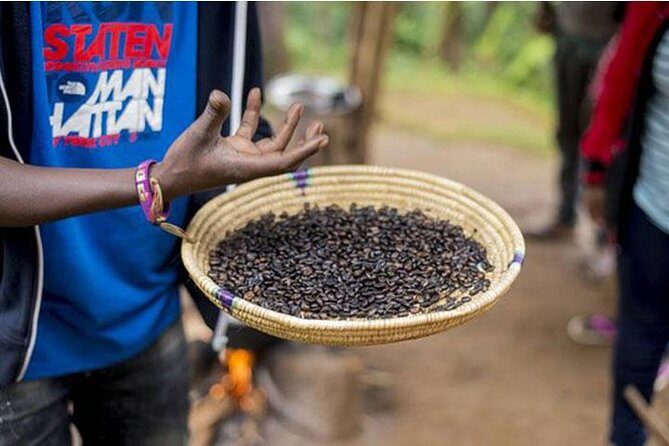
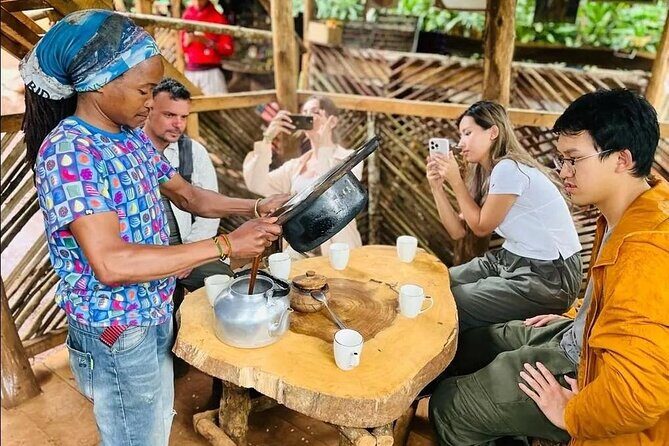
The coffee portion is one of the most praised parts of the day, and it makes sense. You’ll walk through coffee farms and learn the process from bean to cup—so you see the chain of work behind your morning cup.
Hands-on coffee-making helps you connect three things:
- What grows where (and why)
- How the work moves along the seasons
- How processing changes the final drink
You’ll also get the chance to experience the coffee preparation as it’s done locally, not as a performance designed for tourists. If you’ve ever wondered what “shade-grown” or “fresh processing” actually means, this is the kind of day that makes it click.
Guides—many guests mention Yusuf by name—tend to focus on clarity and comfort. If you like learning in a relaxed way, this style works. It’s not a classroom. It’s a walk, a demonstration, and questions as you go.
Local Flora, Fauna, and Trail Feel: What You Can Spot
The trail includes local flora and fauna, and this is where the day becomes more than the waterfall and coffee. You’re walking through a living environment—plants you can name, leaves you can recognize by shape, and the occasional bird or small wildlife sighting if you’re lucky and the timing is right.
This portion is most enjoyable if you slow down. Don’t treat every step like a timer. If you pause when your guide points something out, you’ll get more from the walk than just legs doing work.
Also, the plant life around the waterfall area and along the route is part of why it feels special. This isn’t just “green” as a color. It’s a whole texture of growth that makes the landscape look constantly alive—especially after morning light hits it.




Mount Kilimanjaro Views: When the Sky Clears
You might get Mount Kilimanjaro views during the tour, but only weather permitting. That’s not a vague promise; it’s a key part of setting expectations.
Here’s how to handle it: if the views happen, they’re a wow moment. If clouds block it, you won’t be left with nothing. The waterfall, village time, and coffee day are still the core experiences, and they don’t depend on Kilimanjaro being visible.
So treat Kilimanjaro as a bonus, not the main course.
Price and Value: What $116 Actually Buys You
At $116 per person, you’re not just paying for a ticket and a driver. You’re paying for a structured day that handles real costs and logistics:
Included:
- Private transportation
- Village and waterfall fees
- Local guide
- Lunch (plus vegetarian availability on request)
- Soft drinks and water, including bottled water 3 litres or more a day
- Transfer to and from Arusha or Moshi
- Admission ticket included for the main portion
Not included:
- Gratuities/tips for your guide
- Visas
- International flights
Value-wise, the best part is that the included items reduce decision fatigue. You don’t have to budget for entry fees, worry about a guide’s time, or guess whether you’ll have enough water during a hike day. That matters in a day that starts at 6:00 am and includes walking, heat, and a potential swim.
If you’re comparing prices, check what “day tour” usually means elsewhere—often it’s just transport and a vague plan. Here, the fees, guide, and lunch are wrapped in, and the pacing suggests somebody is intentionally shaping the day.
What to Pack (So the Waterfall Doesn’t Ruin Your Day)
Because water and walking are part of the experience, pack smart rather than fancy.
You’ll want:
- Comfortable walking shoes with grip
- A light rain layer or something quick-dry (the mist can be real)
- Swimsuit and a towel if you plan to dip
- A small dry bag or waterproof pouch for your phone and documents
- Sunscreen and a hat for the morning-to-midday sun
Also bring cash if you want to buy fruit or snacks along the way. Some guests mention stopping for fresh fruit near the route, and having a little flexibility is useful.
Who Should Book This Tour (and Who Might Skip It)
This Materuni Waterfalls and coffee day tour is a great match if you want:
- A single-day Tanzania outing that combines nature + people + food
- A manageable hike with a strong payoff
- A cultural learning moment tied to a real local product (coffee)
- A guide-led day with a small-group feel (max 20)
It may be less ideal if:
- You dislike early mornings and long drives
- You’re not comfortable with a moderate hike
- You need a guaranteed Kilimanjaro view (that’s weather dependent)
If you’re in Arusha or Moshi and you want a day that feels more grounded than a bus-and-brochure day, this is the kind of trip that leaves you with stories, not just photos.
Should You Book Materuni Waterfalls and Coffee Day Tour?
I’d book it if you want one day that hits multiple senses: cool mist at 70-meter Materuni Falls, the human warmth of a Chagga village, and a coffee experience that teaches you what happens before your cup.
You should also book it if you care about value in the practical sense. The tour includes transport, entry and village fees, a guide, lunch, and plenty of bottled water. That reduces extra surprises and makes the day easier to enjoy.
One more reason: the tour format seems built for real interaction. When guides like Yusuf lead the day, guests tend to remember the personal care and smooth timing.
If you’re mainly chasing Kilimanjaro photos, keep your expectations flexible. But if you’re happy with the waterfall, the walk, and the coffee education, this is a strong choice.
FAQ
How long is the Materuni Waterfalls and Coffee Day Tour?
The tour runs about 6 to 10 hours.
What time does the tour start?
It starts at 6:00 am.
Where do I get picked up, and where does it end?
Pickup and return transfer are included from Arusha/Moshi. The tour ends back at the meeting point in Arusha.
Is the tour suitable for beginners?
It’s best for travelers with moderate physical fitness due to hiking on trails.
Is lunch included, and can it be vegetarian?
Yes. Lunch is included, and there is a vegetarian option on request.
What food and drinks are provided?
The tour includes soft drinks and water, with bottled water 3 litres or more per day.
Do I need to pay extra for admission or village fees?
Village and waterfall fees are included, as is an admission ticket for the main activity.
What is not included in the price?
Gratuities/tips for your guide, visas, and international flights are not included.
What is the cancellation window?
You can cancel for a full refund if you cancel up to 24 hours in advance of the experience start time.