REVIEW · ARUSHA
4-Day Manyara Serengeti and Ngorongoro Wonders Budget Safari Tour
Book on Viator →Operated by Kanje grand tours · Bookable on Viator
Crater mornings feel like a cheat code. This 4-day Northern Circuit style safari strings together Lake Manyara’s tree-climbing lions, Serengeti game drives, and Ngorongoro’s famous crater-top-to-floor viewing. I like how the plan mixes big wildlife moments with strong photo chances, from flamingos and birds at Manyara to the easier viewing on the Ngorongoro floor.
I also like the small, practical setup: a custom safari Jeep (up to 6 clients) with a pop-up roof, plus a driver-guide and chef. One possible drawback: the days are long—expect serious road time between parks—so it helps to be comfortable in a vehicle for hours.
In This Review
- Key things that make this safari work
- What this $903 budget safari gets you (and why it feels fair)
- The real deal: small-group Jeep, pop-up roof, and a driver-guide who matters
- Day 1 at Lake Manyara: tree-climbing lions and birds that steal the show
- Day 2: transiting through Ngorongoro viewpoints on your way into Serengeti
- Day 3: Serengeti morning drives, then Simba Campsite for an early crater descent
- Day 4: Ngorongoro Crater Conservation Area and the black rhino search
- Meals, timing, and what a long safari day really costs you
- Getting what you came for: wildlife odds and what to prioritize in your head
- How the guide shapes your experience (Amani shows up again and again)
- Small details that are worth planning for
- Who should book this 4-day Manyara–Serengeti–Ngorongoro tour
- Should you book this tour with Kanje grand tours?
- FAQ
- How much does the safari cost?
- How long is the tour?
- Where does the tour start?
- Which parks are included?
- How many people are in the safari Jeep?
- What kind of guide do you get?
- Are meals included?
- What is not included in the price?
- Is park admission included?
- What is the cancellation policy?
Key things that make this safari work
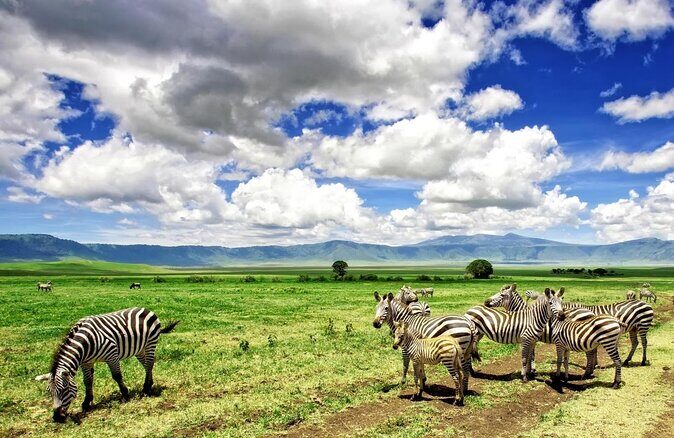
- Small-group jeep (max 6) with a pop-up roof for better spotting and easier photo angles
- Lake Manyara for tree-climbing lions and flamingos plus serious bird-watching time
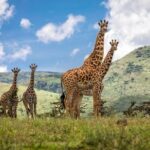
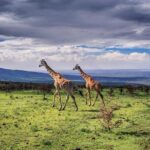
- Serengeti with both afternoon and morning drives so you’re not stuck with only one prime wildlife window
- Simba Campsite on the crater rim sets you up for an early Ngorongoro descent
- Black rhino focus in Ngorongoro where sightings are harder, but the crater layout helps overall viewing
- Guide quality shows up in the reviews, especially Amani, and sometimes David, with comments about safety and attentiveness
What this $903 budget safari gets you (and why it feels fair)
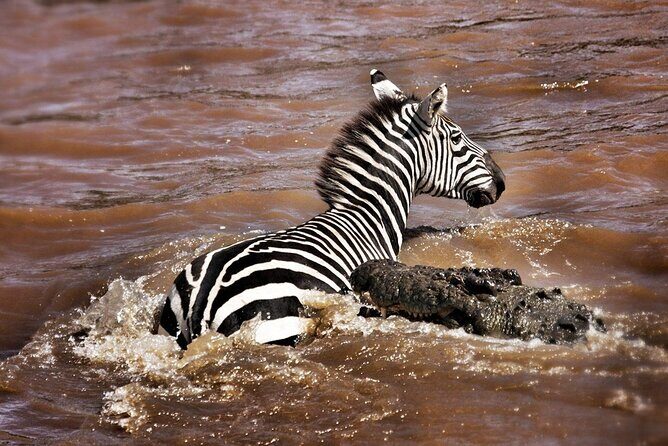
For $903 per person over about four days, this tour is priced like a “do the parks, keep it efficient” option. What makes it feel like value isn’t just the route—it’s that the package includes all fees and taxes plus guide services and most meals, so you’re not constantly adding extras at the last second.
You’re also not stuck in a huge bus-style crowd. The tour is set up around a custom Jeep for a small group, and multiple reviews point to the guide being the difference-maker—Amani is repeatedly praised for being attentive and calm, and David shows up in feedback for strong guiding too.
The “budget” part usually means fewer bells and whistles, not less wildlife. Your core experience is the driving and game drives, and the itinerary is built around being in the right places at the right times—especially for Ngorongoro.
A few more Arusha tours and experiences worth a look
The real deal: small-group Jeep, pop-up roof, and a driver-guide who matters
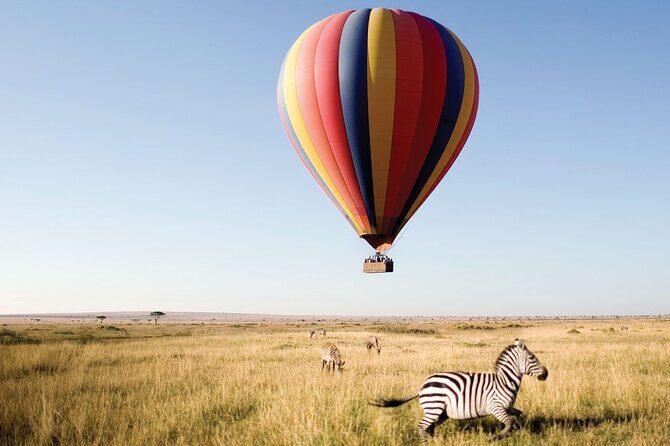
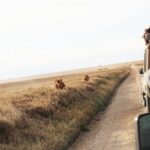
This safari runs in a custom Jeep with a pop-up roof and a guide who drives and interprets what you’re seeing. In real life, that means faster spotting and fewer awkward moments trying to guess where the animal is when it’s partly hidden by grass.
The group size is the big comfort upgrade. With up to 6 clients in your Jeep, you get more attention, more chances to stop for wildlife, and less of that “everyone’s shouting at once” vibe you can get on bigger tours. The operator also lists a higher overall activity number (up to 100 travelers), but your on-the-road experience is still described as a small Jeep group.
Also, the setup includes a chef. You’ll still spend long days outside, but having meals organized (instead of hunting for food every step) makes the trip feel smoother.
Day 1 at Lake Manyara: tree-climbing lions and birds that steal the show
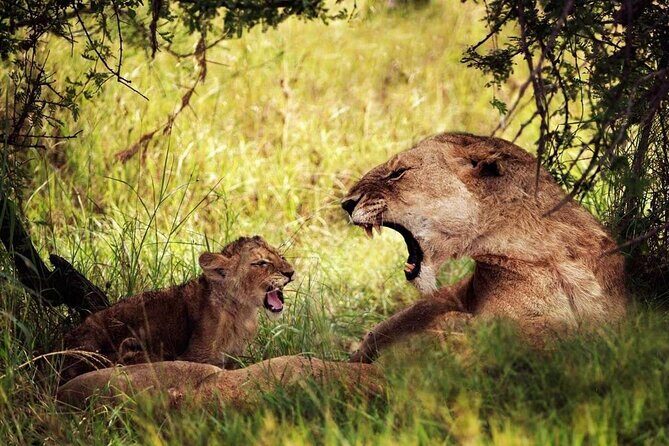
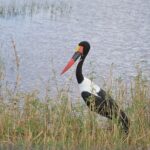
After breakfast, you head from Arusha to Lake Manyara National Park. This is a park where wildlife isn’t the only star—birds can be the headline act. The park is described as a top birding spot, with large flocks of flamingos and many other species, so if you like photography or just enjoy watching activity up close, you’re set up well.
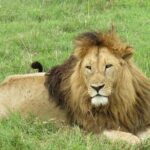
Then there are the tree-climbing lions. Even if you’ve seen photos before, it’s different to be in the park when a lion is actually elevated in a tree. The driving route is built to give you a chance to see them and get photos without rushing every minute.
The day ends back at your accommodation with dinner and sleep. That matters because tomorrow involves a longer transit day, and you’ll want energy for Serengeti.
One practical note: this first day includes about 9 hours total. So while it starts with a game-drive style day, plan for a park-focused rhythm rather than a “take it slow” schedule.
Day 2: transiting through Ngorongoro viewpoints on your way into Serengeti
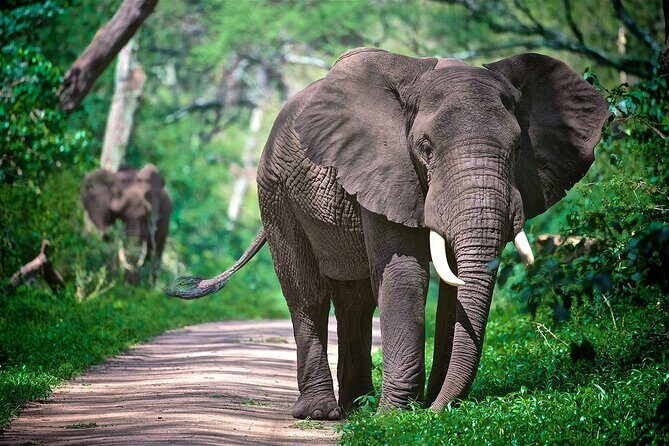
Day 2 is all about getting to Serengeti National Park in a way that doesn’t feel like dead time. You travel via Ngorongoro as a transitway and stop at a viewpoint for photos before continuing onward.
That viewpoint stop is useful because it gives you context. When you later see Ngorongoro as a crater system—big, enclosed, and slightly unreal—it helps to have seen it from above once already.
You arrive in the afternoon, have lunch, and then go out for an evening game drive. Evening drives can be prime time for activity, and because you’re arriving that day, you’re not wasting the day waiting in camp with nothing to do.
You end at Seronera Campsite. This location choice is practical: it keeps you positioned for a strong Serengeti morning drive on Day 3.
If you’re picky about timing, this day may feel long because the drive plus park time adds up. But it also avoids the common mistake of arriving late with only one drive window.
Day 3: Serengeti morning drives, then Simba Campsite for an early crater descent
Day 3 starts early with breakfast and a game drive through Serengeti. The key here is that you’re getting a morning drive, then a separate plan for later. That’s a good mix because animals don’t show up on a schedule, and lighting changes fast in the Serengeti.
After the drive, you return to camp for lunch. Then you shift back toward Ngorongoro for the night at Simba Campsite, which sits on the top of the crater.
Why I like this structure: sleeping on the crater edge is what sets up your Day 4. Instead of dealing with a long, exhausting crater descent plan from far away, you’re positioned for the early start that Ngorongoro effectively demands.
This day clocks in around 9 hours. You’ll still feel it in your legs and your neck from scanning for animals, but the pacing is built to avoid a total “sit all day” feeling.
A few more Arusha tours and experiences worth a look
Day 4: Ngorongoro Crater Conservation Area and the black rhino search
Ngorongoro is the highlight most people remember, and this itinerary leans into the park’s biggest advantage: visibility. After early breakfast, you descend the crater to search for black rhinos.
Rhinos are described as the hardest animals to spot. That’s not a guarantee, but it’s an honest framing. The crater floor typically helps with viewing because animals are easier to locate across open ground compared to some more tangled terrain.
You’ll have lunch during the crater circuit and then continue with a game drive before ascending back up toward camp and then returning to Arusha.
Day 4 runs about 11 hours, so treat it as your “full finale” day. Bring a mindset of patience: when you’re searching for specific species, the success comes from timing and the guide’s reading of the terrain.
Meals, timing, and what a long safari day really costs you
This tour includes 4 breakfasts, 4 lunches, and 3 dinners. That meal plan is a quiet value driver because you’re not constantly budgeting for food between parks or trying to find quick meals during game-drive downtime.
You also get dinner on Day 1, then meals through the park days in a way that supports early starts. The itinerary is built around morning drives and crater timing, which is exactly when hunger hits hardest if you’ve had a light breakfast.
As for time: several days run 9 to 12 hours total. That’s normal for this kind of Northern Circuit loop, but it’s still worth saying plainly. If you hate long car days, you’ll feel it. If you can handle the transit, you’ll enjoy how the itinerary stacks wildlife chances across different parks and different times of day.
Getting what you came for: wildlife odds and what to prioritize in your head
This safari is set up around three big “why people come” anchors:
- Lake Manyara: tree-climbing lions plus major bird viewing (including flamingos).
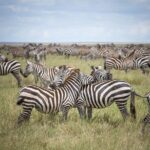
- Serengeti: big open-country game drives, with both afternoon and morning time.
- Ngorongoro Crater: a more focused game-drive environment where seeing animals is often easier than in some other areas.
You should also know what the plan is trying to do with Ngorongoro. Instead of trying to do everything, it signals a clear target: black rhinos. That’s useful because it changes how you interpret the day—some sightings may feel less predictable, but the search is the point.
If you care about specific animals, have realistic expectations. Even with great guiding, sightings can’t be forced. What you can control is your patience and your willingness to keep scanning when the action is slow.
How the guide shapes your experience (Amani shows up again and again)
The best part of the feedback is not just the wildlife. It’s the person running the Jeep. Multiple reviews highlight Amani for being knowledgeable and kind, going above and beyond, and keeping guests feeling safe. Other reviews mention David as a top guide, and Innocent for helping with organization and answering questions before the safari.
You’ll notice the pattern: communication and attentiveness matter. When you’re in African parks, spotting is half skill and half timing. A good guide helps you understand behavior, not just point at animals.
Also, reviewers praise the vehicle condition and the fact that the Jeep has a pop-up roof. That combo supports a more comfortable wildlife hunt than a basic vehicle setup.
Small details that are worth planning for
A few practical notes that help you get more out of this tour:
- Pop-up roof time: plan to bring something for sun and glare. If you’re always leaning and standing, your eyes and neck will get tired.
- Photography expectations: Manyara is a birding hotspot with flamingos, while Serengeti and Ngorongoro can give you longer animal viewing moments. Think of your camera as both a wildlife tool and a “bird tool” for Day 1.
- Your energy strategy: long days plus early mornings means you should pack for sleep quality. If you’re hoping to keep up your fitness routine, you’ll be better off going with recovery instead.
- Tips aren’t included: that’s common on safaris, but it matters for budgeting.
If you’re booking this as a first safari, you’ll still get a full introduction to Northern Circuit variety without spending time on complicated logistics yourself.
Who should book this 4-day Manyara–Serengeti–Ngorongoro tour
This tour fits best if you want:
- A classic Northern Circuit mix without adding extra parks
- Small-group comfort (max 6 in the Jeep)
- Multiple game-drive windows, including an evening drive into Serengeti and a morning drive inside the park
- A strong focus on Ngorongoro’s crater experience, including an early descent for harder sightings like black rhinos
It may be less ideal if you:
- Get cranky with long driving days (you’ll have that)
- Want a lighter schedule with lots of downtime between parks
- Need lots of flexibility for spontaneous changes (this route is planned around park timing)
Should you book this tour with Kanje grand tours?
If your goal is to hit Lake Manyara, Serengeti, and Ngorongoro in a tidy four-day package, this is a solid choice. I like that it’s structured around the places that make this region special: birds and tree-climbing lions on Day 1, real Serengeti driving on Day 2 and Day 3, and a crater-focused Day 4 where the game plan is clear.
The biggest reason I’d recommend it is the human factor. When multiple reviews repeatedly praise Amani’s attentiveness and knowledge, that tells you the guiding experience is likely to be strong. Pair that with the small Jeep group and the pop-up roof, and you get a safari that feels organized without feeling stuffy.
If you’re comfortable with long days, you’ll probably come away happy. If you’re not, you might prefer a shorter itinerary or a route with fewer transfers.
FAQ
How much does the safari cost?
The price is $903.00 per person.
How long is the tour?
The duration is 4 days (approximately).
Where does the tour start?
The tour is based in Arusha, Tanzania, and you depart from your accommodation with pickup offered.
Which parks are included?
You visit Lake Manyara National Park, Serengeti National Park, and Ngorongoro Conservation Area.
How many people are in the safari Jeep?
The itinerary describes a maximum of 6 clients in a custom safari Jeep with a pop-up roof.
What kind of guide do you get?
You get a professional driver-guide, and the tour also includes a chef.
Are meals included?
Yes. Breakfast is included 4 times, lunch 4 times, and dinner 3 times.
What is not included in the price?
Visa, international flights, and tips are not included.
Is park admission included?
The itinerary notes admission tickets as free, and the package includes all fees and taxes.
What is the cancellation policy?
Free cancellation is available up to 24 hours in advance for a full refund. If you cancel less than 24 hours before, the amount paid will not be refunded.