REVIEW · ZANZIBAR ARCHIPELAGO
Zanzibar: Spice Farm Tour with Lunch & Tropical Fruits
Book on GetYourGuide →Operated by Zanziworld Tours · Bookable on GetYourGuide
Spices grow here, not in postcards. This Zanzibar spice farm tour at Jambo Spice Farm in Dole village pairs a guided walk through clove, nutmeg, vanilla, cinnamon, ginger, and more with fruit tasting and a traditional lunch, so you get the story and the flavors.
Two things I love are the hands-on stop-and-smell-and-sample feel of the plantation route and the practical way the guide explains traditional uses of plants (including neem leaves and an iodine tree).
One drawback to consider: the tour ends with a spice shop stop where you can buy freshly harvested spices, plus you may see soaps and oils, so you’ll want to decide in advance how much shopping time you want.
In This Review
- Key highlights worth knowing
- Getting To Jambo Spice Farm in Dole Village
- The 2.5-Hour Guided Walk Through Zanzibar’s Spice Plants
- Medicinal Stories: Neem Leaves and the Iodine Tree
- Tropical Fruit Tasting and Traditional Lunch
- The Spice Shop Stop: What You Can Take Home
- Price and Value: Is $27 a Good Deal?
- Who This Tour Fits Best
- Should You Book This Zanzibar Spice Farm Tour?
- FAQ
- How long is the spice farm tour?
- Where do I meet for the tour?
- What is included in the $27 price?
- What spices and herbs will we see?
- What tropical fruits are included?
- Is lunch included?
- What language is the tour guide?
- Can I buy spices during the tour?
- What is the cancellation policy?
- Is there a reserve and pay later option?
Key highlights worth knowing
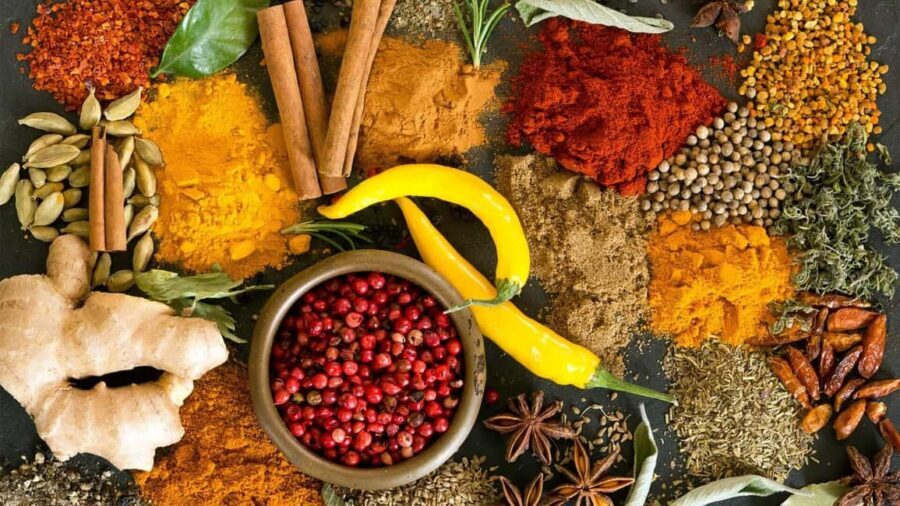
- Clove, nutmeg, cinnamon, vanilla, and cardamom are part of the guided walk, not just a brochure list
- Neem leaves and the iodine tree come with traditional medicinal uses explained in plain language
- Papaya, mango, and jackfruit (plus other fruit you might sample) keep the tour from feeling one-note
- Traditional lunch and drinking water are included, so you’re not left scrambling for food
- A final shop visit makes it easy to take the flavors home with you
Getting To Jambo Spice Farm in Dole Village
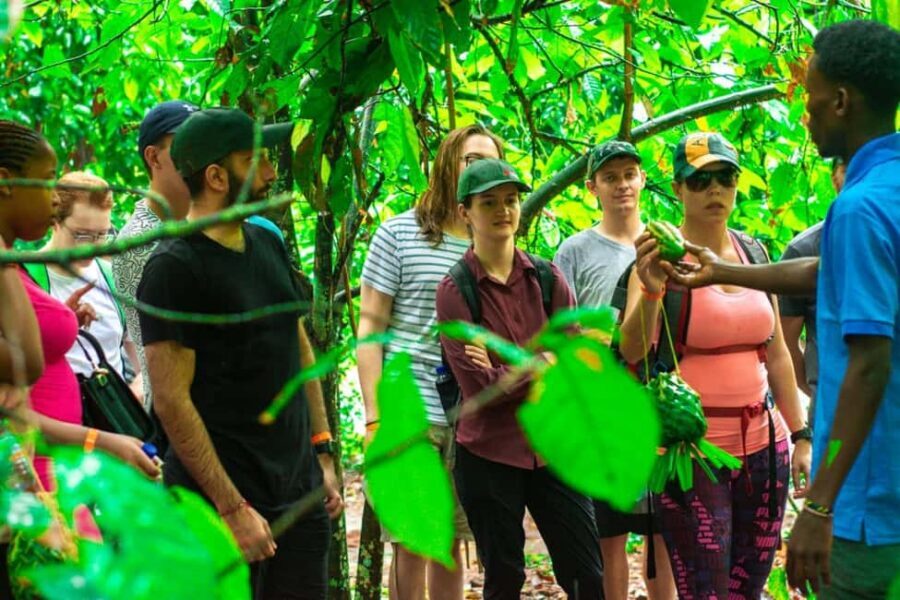
Your tour starts in front of the entrance to Jambo Spice Farm in Dole village, Zanzibar. It’s a straightforward meeting point, and being there on time matters because the guided portion is built around a smooth, timed walk.
This tour runs about 2.5 hours, and that time is mostly spent outdoors on a small plantation. Expect a relaxed pace: walk, stop, learn, taste, then move on. If you like experiences where you can ask questions and actually use your senses, this format works well.
A few more Zanzibar Archipelago tours and experiences worth a look



The 2.5-Hour Guided Walk Through Zanzibar’s Spice Plants

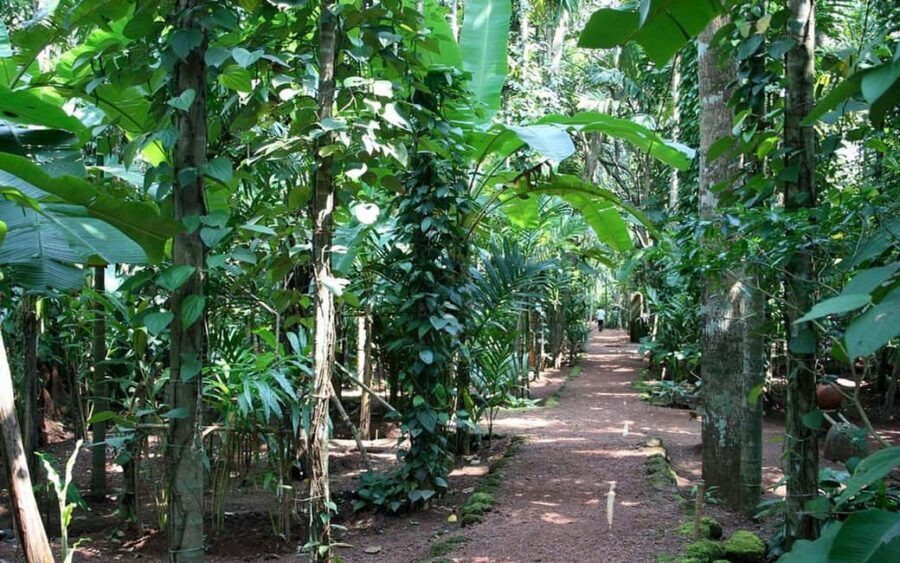
The heart of this tour is the guided walk across the plantation, where you’ll see well-known Zanzibar spices and also herbs and plants that most people only recognize from kitchen jars.
You’ll go past plants including cloves, nutmeg, vanilla, cardamoms, cinnamon, curry, and other aromatic sources such as pepper, ginger, tamarind, and menthol. You’ll also hear why Zanzibar became known as the spice island—because the trade wasn’t about one crop. It was about many.
Here’s what makes this part genuinely useful: you’re not just spotting a name tag. You’re connecting aroma and appearance to how you might use it later. Seeing ginger growing makes ginger powder feel less like a mystery product. Watching where pepper comes from makes you more confident choosing and using it when you cook.
And from what I experienced, the guide’s explanations keep it practical. You learn what each plant is used for, then the guide steers you toward trying things when tasting is part of the visit. One review also mentioned items beyond the common list—like lemongrass, coffee beans, and even stink fruit—so don’t be surprised if the walk includes a few extra surprises depending on what’s in season.
Medicinal Stories: Neem Leaves and the Iodine Tree
A standout moment is when the guide shifts from cooking uses to traditional health applications. This isn’t presented as modern medicine, but it adds a layer of context that most spice tours skip.
You’ll learn about neem leaves, which are traditionally used to treat malaria and indigestion. You’ll also hear about the iodine tree, known for wound-healing properties. Those explanations help you understand why spice farming and herbal knowledge grew side by side in the region.
Why I like this section for practical travelers: it gives you a mental framework for how island plant knowledge traveled through everyday life. Spices weren’t only luxury trade items. They were part of how people managed health and household remedies.
Just keep your expectations grounded. Even with interesting traditional uses explained on the tour, you shouldn’t treat this stop as medical advice. Think of it as cultural and botanical context.
Tropical Fruit Tasting and Traditional Lunch
Half the fun is the fruit side of the experience, because Zanzibar cuisine isn’t only about spices—it’s also about fresh produce.
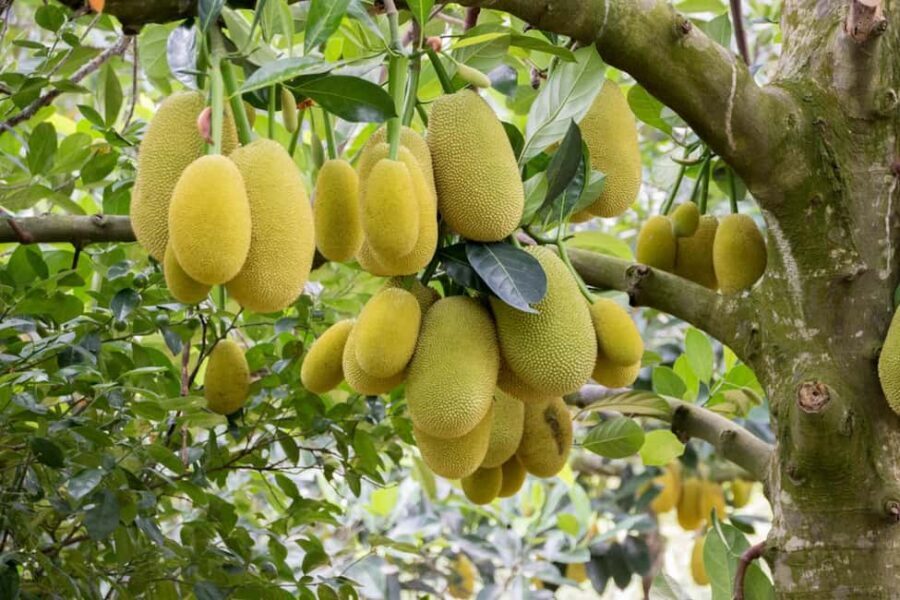
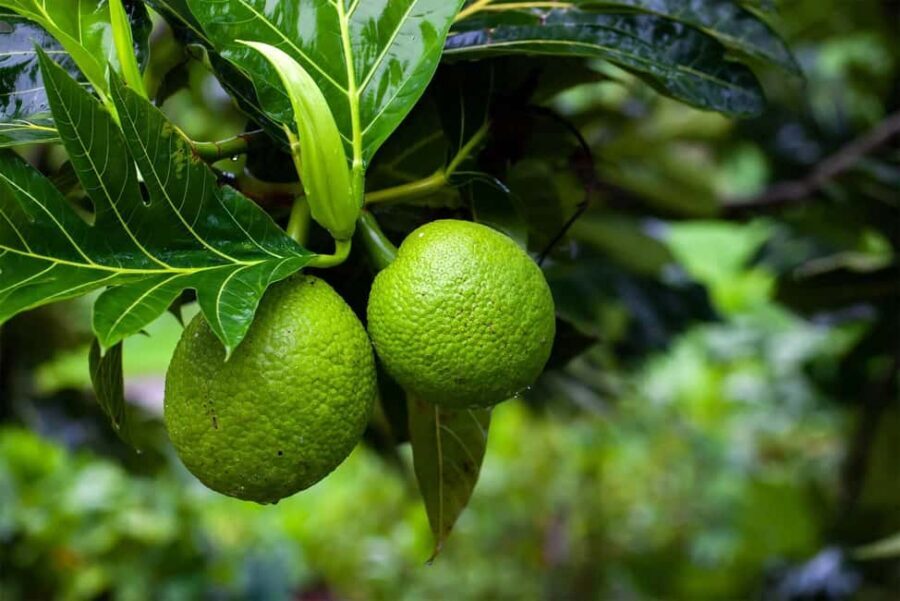
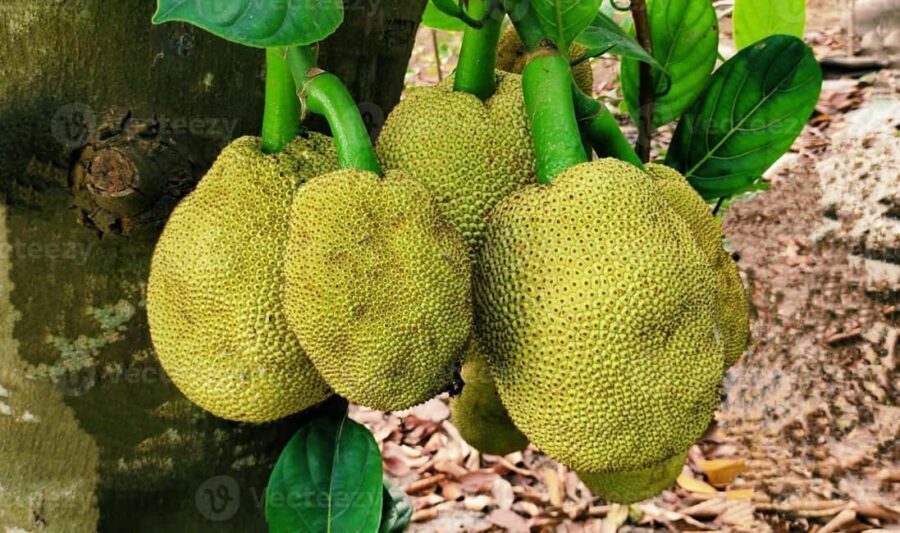
The tour includes tropical fruits such as papayas, mangoes, and jackfruit. In practice, this turns the walk into something you can enjoy right away, not just watch. You get a break from smelling herbs and you start tasting.
Then comes the included traditional lunch. Since lunch is part of the ticket price, you’re not stuck trying to find food nearby on a tight schedule. One review called out that the fruit and lunch were delicious, and that matches the overall vibe here: food is treated as a real part of the tour, not an afterthought.
What to bring to this part of the day: a healthy appetite and a willingness to try things you don’t recognize. If you’re the type who hates “food surprises,” you might still enjoy the lunch, but tasting new fruit can be the difference between a good tour and a memorable one.
Also, drinking water is included, which I really appreciate for an outdoor, sensory route.
The Spice Shop Stop: What You Can Take Home
After the plantation walk, you end with a visit to the farm’s spice shop. This is where the tour earns its “so what?” value, because it gives you a chance to buy spices soon after you’ve learned what they come from.
The tour is specifically designed around giving you a list of Zanzibar flavors you can purchase to use at home. That usually means items like cloves, nutmeg, vanilla, cinnamon, and other spices you saw earlier in the day. You’ll also likely find related products such as oils and soaps, which one review mentioned.
A quick way to get value here: buy the flavors you actually plan to use. If you love cooking, focus on spices that match your habits—things like cinnamon, ginger, cloves, and pepper are easy wins. If you mostly cook occasionally, consider buying smaller quantities so you don’t end up with jars you’ll never open.
If you’re trying to avoid sales pressure, you can still enjoy the shop window. Just set a budget in your head before you browse.
A few more Zanzibar Archipelago tours and experiences worth a look


Price and Value: Is $27 a Good Deal?
At $27 per person, this tour prices itself as an accessible way to learn Zanzibar plant culture without adding expensive add-ons. What you get is a full guided experience with entrances, government fees, a traditional lunch, and tropical fruits, plus bottled or provided drinking water.
Many tours advertise “spice farm” but don’t include food. Here, lunch and fruit are built in, which makes the cost feel more grounded. You’re paying for more than photos—you’re paying for the guide’s explanations and the chance to buy spices after you understand what you’re choosing.
The 2.5-hour length matters too. It’s long enough to cover a lot of plants, but short enough that it won’t swallow an entire day of your Zanzibar schedule.
Who This Tour Fits Best
This is a smart choice if you want an experience that mixes education with real sensory payoff. I’d especially recommend it if you:
- Like cooking and want spices that feel less mysterious
- Enjoy learning how plants are used in daily life
- Want a calm, family-friendly activity with food included
- Are on Zanzibar for the first time and want the spice island story without planning multiple stops
It may feel less ideal if you hate any shopping at the end. The final spice shop visit is part of the structure, and even if you don’t buy much, it’s still time spent in a retail setting.
Should You Book This Zanzibar Spice Farm Tour?
I think you should book this tour if you want a practical, enjoyable introduction to Zanzibar spices—plus lunch and tropical fruit included. The best sign is the way the experience is built around guided explanation and hands-on sensory learning, not just walking past plants.
If you’re flexible with taste and you’re open to buying a few spices to take home, it’s strong value for $27. If you prefer experiences with zero shop time, just be aware the spice shop stop is part of the deal.
FAQ

How long is the spice farm tour?
The tour lasts about 2.5 hours.
Where do I meet for the tour?
Meet in front of the entrance to Jambo Spice Farm in Dole village, Zanzibar.
What is included in the $27 price?
The price includes a tour guide, entrances, a traditional lunch, tropical fruits, drinking water, and all government fees.
What spices and herbs will we see?
You’ll explore plants including cloves, nutmeg, vanilla, cardamoms, cinnamon, curry, menthol, pepper, tamarind, ginger, and more.
What tropical fruits are included?
The tour includes tropical fruits such as papayas, mangoes, and jackfruit.
Is lunch included?
Yes. A traditional lunch is included as part of the tour.
What language is the tour guide?
The tour is guided in English.
Can I buy spices during the tour?
Yes. The tour includes a visit to the plantation’s spice shop where you can purchase freshly harvested spices.
What is the cancellation policy?
You can cancel up to 24 hours in advance for a full refund.
Is there a reserve and pay later option?
Yes. You can reserve your spot and pay nothing today.