REVIEW · ARUSHA
Day trip to tarangire national park
Book on GetYourGuide →Operated by African smile tours and safaris · Bookable on GetYourGuide
A day that packs serious wildlife energy is Tarangire. This quick Northern Circuit safari takes you from Arusha into a park known for elephants year-round and for the Tarangire River pulling animals in when it matters. I love that you get a full game-viewing rhythm in a short time, and I also like the practical touches like binoculars and a real picnic stop so you’re not rushing through hunger. The main thing to consider is simple: it’s only one day, so you’ll be spending a good chunk of the day in the car, which means fewer chances to stretch out than on multi-day safaris.
Tarangire has the kind of animal density that makes “one-day” feel less like a compromise. Elephants can be seen all year, and in some cases herds can reach impressive numbers, while the dry-season river gathering (roughly July to October) is where you can see a lot more action. I also like the bird angle here—over 550 species in the park area in dry season, including the world’s largest bird, the Masai Ostrich. The one drawback: sightings depend on season and on where wildlife is moving along the river, so don’t treat this like a guaranteed lion-and-python day.
In This Review
- Key points worth noting before you go
- From Arusha to Tarangire: the 2–3 hour drive that sets the tone
- Entering Tarangire: why elephants and the river define the day
- Game viewing reality check: what you can reasonably aim for
- Birdlife bonus: dry-season spotting for over 550 species
- The lunchtime picnic and the day’s pacing
- Guide quality: what makes the difference in a one-day safari
- Transportation and comfort: you trade flexibility for a fast hit
- Price and value: is $345 per person fair for this safari day?
- What to pack and how to get better sightings fast
- Who this Tarangire one-day safari suits best
- Should you book this $345 Tarangire day trip from Arusha?
- FAQ
- How long is the Tarangire day trip?
- Where does pickup happen?
- What animals can I expect to see?
- Is lunch included?
- What’s included in the price?
- Is the tour refundable and flexible to book?
Key points worth noting before you go
- Elephant concentration in North Tanzania, with herds sometimes reaching around 300
- Tarangire River year-round water, especially powerful during the dry months (July–October)
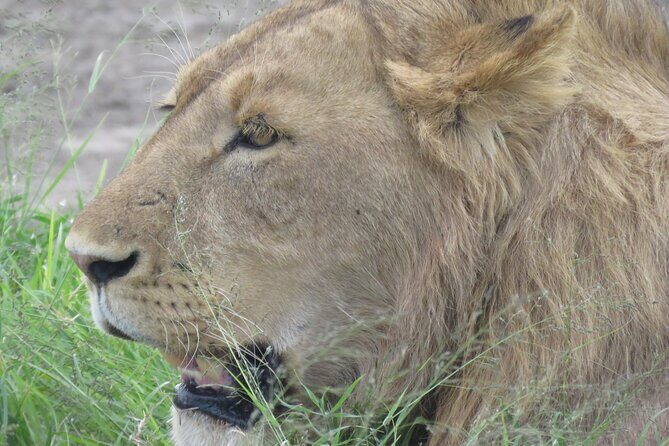
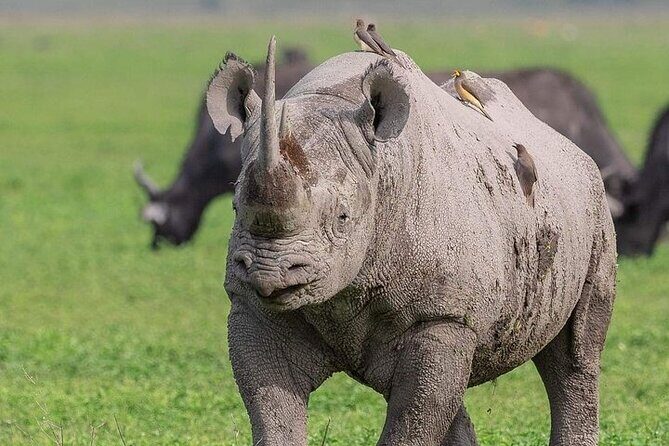
- Big game viewing targets like lions, giraffes, buffalo, wildebeest, zebras, plus lots of antelopes
- Bird watching bonus in dry season, with over 550 species and the Masai Ostrich
- A real picnic stop around lunchtime, plus drinking water all day
- Guide time for photos, with guides who take their time spotting and explaining animal behavior
From Arusha to Tarangire: the 2–3 hour drive that sets the tone
You start with pickup from your hotel in Arusha. Then it’s a 2–3 hour drive into Manyara Region toward Tarangire National Park. In that first stretch, you’re not just “traveling”—you’re doing the planning part of safari. You can use that drive to get your camera settings sorted, check your water, and set expectations: this is a fast day, so you’ll want to be ready when the vehicle turns into the park roads.
There’s also a sense of place here. Long before today’s rules, this area was tied to famous hunting history—Hemingway went on big game hunting safaris in the region. After the national parks were formed in 1970, the seasonal marshes and open savannah that you see in the imagination of old safari stories shifted again, moving away from elephant guns and back toward managed conservation and viewing. That history doesn’t change your chance of seeing an elephant, but it does explain why this park is so tightly focused on controlled access and strong wildlife protection.
One practical note: since the safari is one day and you return before sunset, dress and pack for a full day outdoors, not just a short “sightseeing window.” You’ll feel the rhythm shift once you’re on park ground and the game-viewing starts.
A few more Arusha tours and experiences worth a look

Entering Tarangire: why elephants and the river define the day
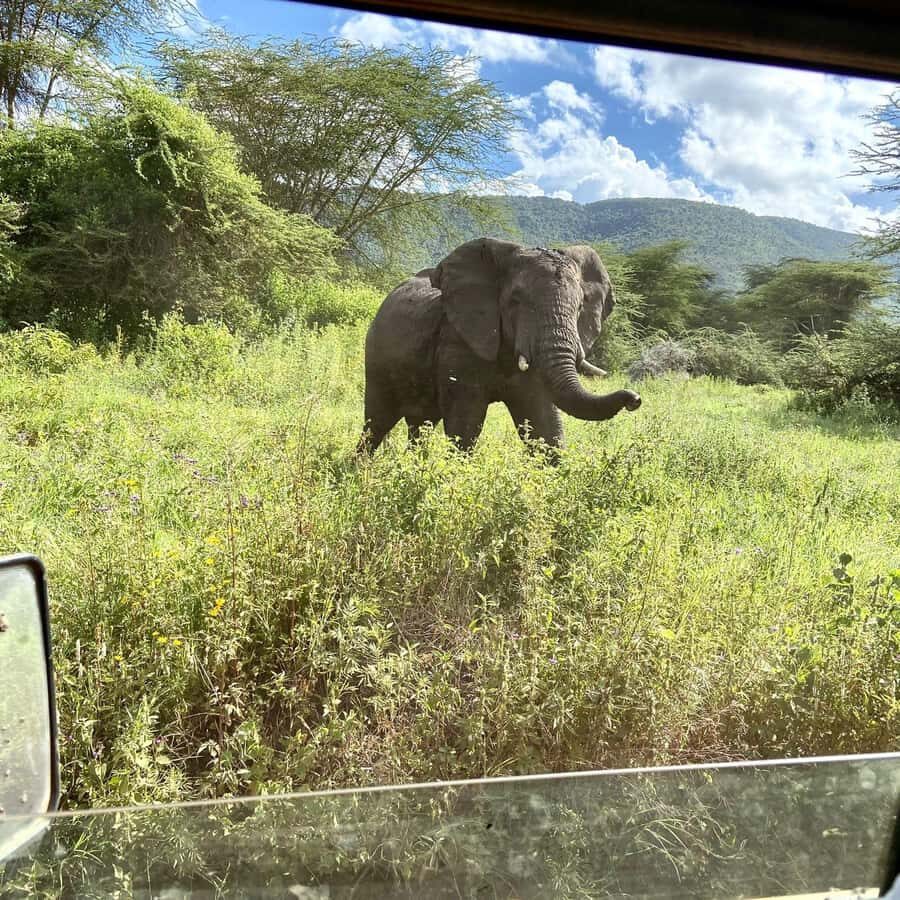
Tarangire National Park is shaped by water and by how animals use it. The Tarangire River has water all year round, which matters a lot because wildlife doesn’t need perfect conditions—it needs enough water to move, feed, and stay active.
During the dry season (roughly July to October), the river becomes the magnet. Animals from surrounding areas concentrate at drinking points, and that’s when you often see the park’s most dramatic viewing. You’re not just hoping for wildlife; you’re watching a real-life system: where water sits, animals show up, and predators (like lions) tend to follow.
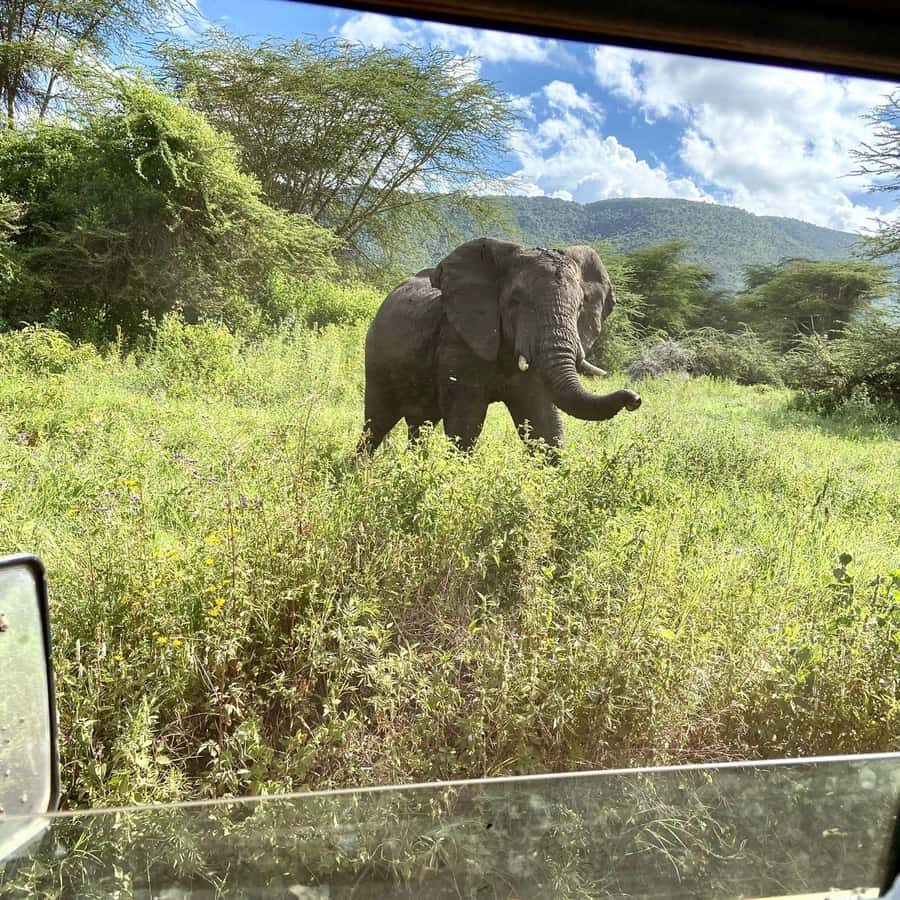
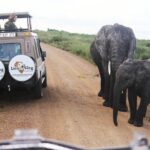
Elephants are the headline. Tarangire has the highest density of elephants in North Tanzania, and they can be seen throughout the year. In some moments, herds can be huge—around 300 animals is a number that comes up when describing the scale you might encounter. Even if you never hit a “300 herd” moment, the point is still the same: Tarangire makes elephant sightings likely, not rare.
You’ll likely notice that the park’s best moments are about placement and timing: where the vehicle can safely position, and how the guide chooses routes based on recent sightings and animal movement along the river system.
Game viewing reality check: what you can reasonably aim for
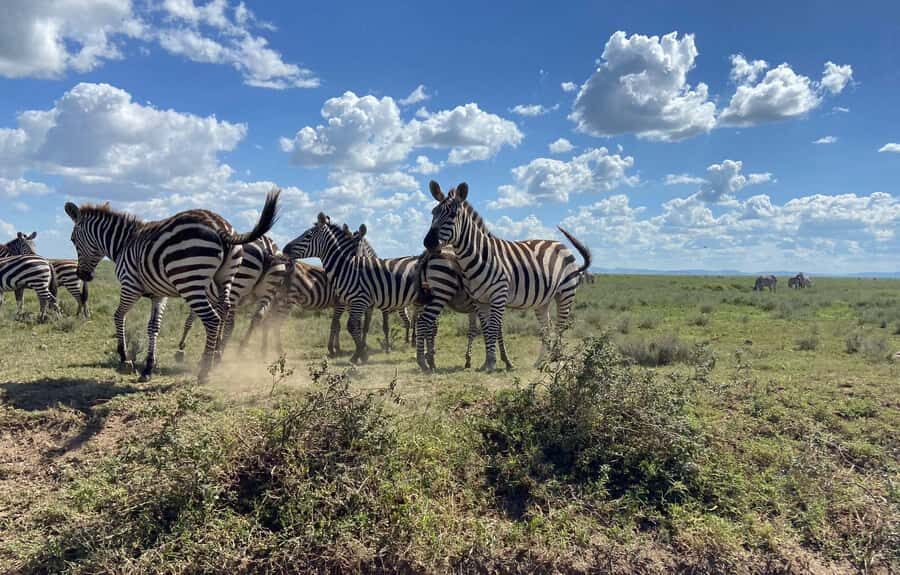
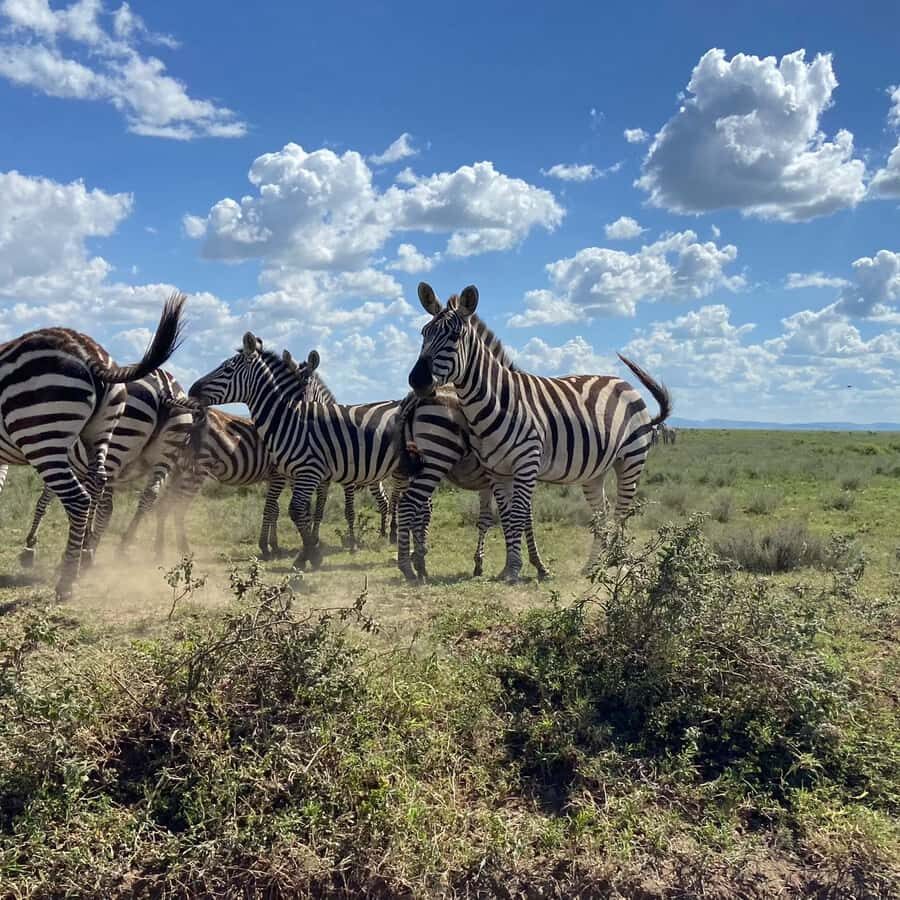
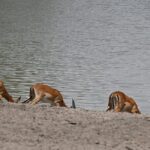
This safari is built around game viewing, and the park’s “wish list” matches the animals you’re told to look for. From what’s emphasized for the season, you can expect the chance to see animals including elephants, lions, giraffes, buffalo, wildebeest, zebras, and many antelopes and gazelles.
Here’s the balanced way to think about it: Tarangire’s dry-season viewing is especially strong because animals bunch near water. That improves your odds of seeing a wider mix in a shorter day. During wetter months, wildlife spreads out more, and your sightings may feel less clustered—still excellent, but less guaranteed to feel like a single big “show.”
Also, if you’re a creature-spotter beyond the big mammals, Tarangire has a reputation for reptiles too. You might spot a python, though nothing in a one-day safari can be called certain. The best mindset is to enjoy the variety when it happens: a close elephant sighting might be just as memorable as a lucky reptile encounter.
Birdlife bonus: dry-season spotting for over 550 species
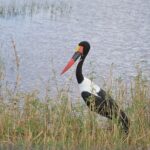
If you like birds, Tarangire has a separate reason to rank high. In dry season, the park area supports bird watchers with over 550 different species, and the Masai Ostrich is called out as the world’s largest bird.
This matters for two reasons. First, it gives you something to look for when mammals are moving or when you’re waiting for a new pocket of activity. Second, it makes the day feel fuller. One-day safaris can sometimes feel like a long wait punctuated by short sightings—but birdlife helps keep you engaged throughout.
If you’re visiting in July to October, plan to spend time scanning. You’ll get better results if you pause for a minute instead of constantly moving your eyes. This is one of those “small habit, big payoff” safari tricks.
The lunchtime picnic and the day’s pacing
Around lunchtime, you stop at a suitable picnic place. This is not an afterthought—it’s part of keeping your day smooth. You’ll get picnic lunch included, and the overall pacing is built so you can refuel before the afternoon’s wildlife viewing.
From the way people describe the food and the stop, the lunch is often treated like a real meal, not just a snack break. One review even highlighted good, satisfying food and a copious lunch. That tracks with the safari format: you’re outdoors, you’re driving, and you’re scanning for animals. A proper lunch stop keeps energy up and reduces the “one-day safari slump” that can hit late afternoon.
After lunch, the afternoon is dedicated to more wildlife watching, then before sunset you’re taken back to your hotel in Arusha. That sunset timing is important. In savannah areas, animals can change behavior as light fades, and the last hours can bring movement you don’t get in mid-day heat.
Guide quality: what makes the difference in a one-day safari
In a one-day safari, your guide doesn’t just drive—you follow their eyes. This tour is run with a professional driver/guide, offered in multiple languages including English, German, French, Spanish, Italian (and Italian is mentioned as an option too). That language support matters because you don’t want to “guess” what you’re seeing—you want the meaning behind it.
One standout detail from guide feedback: Brayson is specifically mentioned for being welcoming and for taking plenty of time to help someone see wildlife and take pictures. That’s exactly what you want in a short safari: the guide isn’t rushing you through a checklist. They’re managing the vehicle position and choosing moments that give you time to look.
Another common praise point is how attentive the guides are. People highlight that guides pay attention and explain animal habits, not just animal names. On your end, you can make this even better by asking simple questions like: Where are animals headed next today? What behavior should I look for? When you ask, you’ll get more out of every sighting.
Also included: drinking water all day, plus binoculars (at least one per car). Binoculars help a lot when you’re looking at distant herds or reading animal posture without getting a close approach that would stress wildlife.
Transportation and comfort: you trade flexibility for a fast hit
Because this is a one-day format, you’re choosing intensity over slow travel. That means you should be comfortable with a long, focused day. You’ll depart from Arusha, drive into the park, spend the day watching wildlife, and then return before sunset.
The upside is obvious: you get Northern Circuit energy without needing multiple vacation days. The downside is also obvious: if you’re the type who likes to linger, nap, and move at a relaxed pace, this one-day schedule will feel tighter than you want.
For most visitors, though, the format works well as a “wildlife sampler” from Arusha. You’ll see enough to decide what you want more of on a longer safari—maybe elephants first, maybe big cats, maybe birds.
Price and value: is $345 per person fair for this safari day?
At $345 per person, you’re paying for more than just a seat in a vehicle. The price covers entrance fees, a professional multi-language driver/guide, all taxes/VAT, drinking water, and meals as specified (including the picnic). You’re also getting binoculars, plus Arusha airport pickup the same day of the safari is included.
So what are you really buying with your money?
- Access: entrance fees are included, which removes one variable you’d otherwise handle yourself.
- Timing: a one-day schedule from Arusha that’s designed to maximize viewing time.
- On-the-ground help: a professional guide who can help you find wildlife and understand what you’re seeing.
- Comfort basics: water all day, and a proper lunch stop.
What’s not included is also clear. Lunch and dinner at your hotel are not included, so plan to eat before pickup and after you return. International flights and personal expenses like souvenirs are obviously separate. And if your flight timing is on a different day, airport pickup may not be included.
My take: $345 for a full day that includes park fees, guiding, meals, and water can feel like strong value if you’re short on time and want a smooth, low-planning safari. If you already have a guide or want to handle everything independently, you might compare costs—but if you want someone to handle the “safari machine,” this price is in the sensible range.
What to pack and how to get better sightings fast
You can’t control animal movement, but you can control your comfort and your ability to notice behavior. For this type of safari day, I’d pack for sun and dust and for long hours outdoors.
Practical ideas:
- A hat and sunglasses you’re happy to wear for hours
- A light layer for early or late temperatures
- Camera gear that’s ready to go quickly when the guide stops
- Comfortable shoes (you might do short movements while spotting)
When the vehicle stops, give it your full attention. On a one-day safari, every pause is “information time.” Look for the behavior cues your guide is explaining—how animals react to movement, whether they’re feeding, or whether they’re headed toward the river.
And when it’s time for the birds, switch gears. Slow scanning beats frantic searching.
Who this Tarangire one-day safari suits best
This is a good fit if:
- You want elephants as a top priority and you’re traveling from Arusha
- You only have one day and still want real game viewing
- You enjoy variety: big mammals, predators, and a strong bird element
- You prefer a guided day with included park logistics and meals
It’s also worth considering if you’re trying to decide between Tarangire and other Northern Circuit parks. You’ll get a clear sense of what this region does well—elephant viewing tied to river access and seasonal animal movement.
If you’re traveling with kids, a one-day format can be easier to manage than a longer safari, as long as everyone is okay with the drive and the outdoor day. If you want a slow, deep-discipline safari with long waiting periods, you may prefer multi-day options.
Should you book this $345 Tarangire day trip from Arusha?
If you’re short on time and you want the highest-probability animal focus in a single day, I’d lean yes. Tarangire is one of the places where “one-day safari” can still feel satisfying because elephants and river-driven wildlife keep showing up, especially in dry season.
Book it if your goals are:
- Elephant sightings
- Classic savannah animals in a tight schedule
- A guided day with practical inclusions (water, picnic lunch, binoculars)
Skip or reconsider if you hate long drives or if you need a totally unhurried pace. Also consider season: dry season (July–October) is highlighted for strong animal concentration at the river and for bird watching in the same window.
FAQ
How long is the Tarangire day trip?
It runs for one day.
Where does pickup happen?
You’re collected from your hotel in Arusha.
What animals can I expect to see?
The day focuses on wildlife viewing with chances to see elephants, lions, giraffes, buffalo, wildebeest, zebras, antelopes and gazelles, and with luck a python. The dry season is also highlighted for concentrated sightings around the Tarangire River.
Is lunch included?
Yes. You stop for a picnic around lunchtime, and all meals are included as specified.
What’s included in the price?
Entrance fees, a professional driver/guide, all taxes/VAT, drinking water, the picnic, binoculars, and Arusha airport pickup on the same day as the safari.
Is the tour refundable and flexible to book?
Free cancellation is available up to 24 hours in advance for a full refund, and you can reserve and pay later to keep plans flexible.