REVIEW · ARUSHA
3 Days Serengeti & Ngorongoro Lodge Safari
Book on Viator →Operated by Simbaland Magic Tours · Bookable on Viator
Safari math is simple: two parks, three days. This package is interesting because you get Serengeti National Park and Ngorongoro Crater in one smooth loop, with pickup from Arusha and the practical stuff handled for you. It also leans into the classic Northern Tanzania rhythm: early game drives, crater views, and a lodge night in the mix.
I like the small-group feel, capped at 6 travelers, which means less waiting around and more time actually watching animals. I also love that meals come with water and even beer and wine, so you are not scrambling for basics while you’re off the grid.
One thing to consider: the schedule is packed and early. You’ll spend long stretches in the car (including a long Day 1 drive) and you’ll be up early for the crater, so this is best if you’re the type who enjoys structure instead of sleeping in.
In This Review
- Key highlights worth knowing
- Why the Serengeti and Ngorongoro combo really works in 3 days
- Arusha pickup and the driving reality you should plan for
- Day 1: Serengeti arrival with a crater viewpoint stop and optional Maasai culture
- Day 2: Serengeti sunrise game drive, picnic lunch, then Ngorongoro rim time
- Day 3: Descending Ngorongoro at 6:15 a.m. and chasing black rhino odds
- Tented lodge nights: included comfort that fits a short safari
- Included meals, water, beer, and wine: why it’s more than a perk
- Guides and communication: names that show up in strong feedback
- Price and logistics: is $1,440 good value for this 3-day loop?
- Who this safari suits best (and who should think twice)
- Should you book this 3 days Serengeti and Ngorongoro Lodge safari?
- FAQ
- FAQ
- Where does the safari start?
- How long is the safari?
- Which parks are included?
- How large is the group?
- What kind of accommodation is included?
- Are meals and drinks included?
- Are park admission fees included?
- Is transportation included?
- Is the Maasai village visit included?
- What happens if weather is poor?
Key highlights worth knowing
- Small group size (max 6) for a calmer, more personal pace
- Serengeti + Ngorongoro without the hassle of stitching together separate tours
- Tented lodge accommodation included for both nights
- Included meals and drinks (water plus beer and wine) to keep the day moving
- Crater descent timing aimed at spotting some of the hardest-to-see animals, like black rhino
- Support and guidance from the team including guides such as Mohammed, Elias, Ally, and David, plus clear communication from Salome and Editha
Why the Serengeti and Ngorongoro combo really works in 3 days
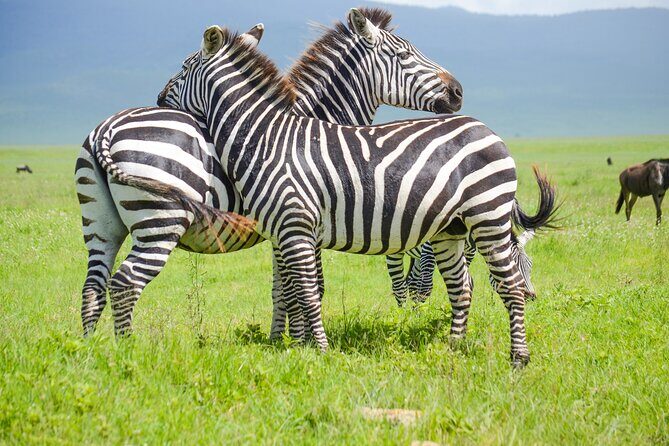
If you only have a few days in Northern Tanzania, Serengeti and Ngorongoro are the heavy hitters. Serengeti gives you wide-open action—herds, movement, and that “every turn could be something” feeling. Ngorongoro is different: it is a crater world with a tight ecosystem, great for dense viewing and that bucket-list sense of being dropped into an animal amphitheater.
This tour works as a package because it handles the logistics that usually slow people down: hotel pickup from Arusha, park admission, meals, and transportation. You also don’t have to negotiate how to get from one park to the other. You just show up, get briefed, and then focus on game viewing.
The vibe is also practical. This is not a slow sightseeing trip. It is a safari built around sunrise drives and timed stops, which is exactly what you want if your priority is animals.
A few more Arusha tours and experiences worth a look
Arusha pickup and the driving reality you should plan for
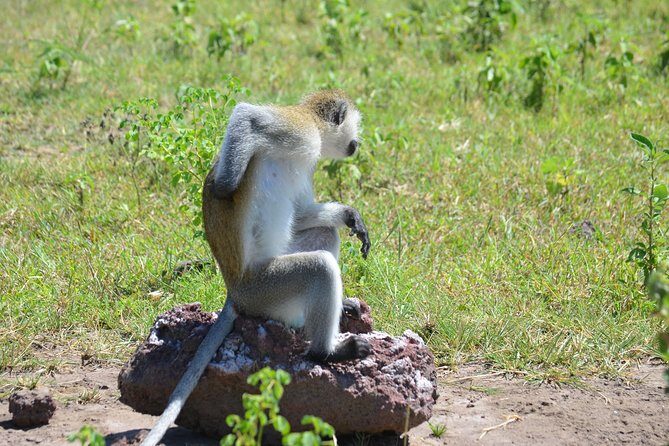
You start from Arusha hotels with round-trip transportation included, which is a big deal. In Tanzania, getting to and from safari areas can be half the battle, especially if you are trying to coordinate multiple vendors. Here, the handoff is built in.
Day 1 includes a long drive that takes about 8 hours with stops as you transit toward Serengeti through the Ngorongoro Conservation area. That kind of day is not about leisurely scenic stops—it’s about setting you up for an effective safari schedule once you reach the parks.
Day 2 shifts you from Serengeti toward Ngorongoro, with about a 2-hour drive near the crater rim. Then Day 3 is crater-first and downhill/ascending again as part of the experience. If you get motion-sick easily, I’d prepare for a bumpy, day-long schedule that repeats in different forms.
Day 1: Serengeti arrival with a crater viewpoint stop and optional Maasai culture
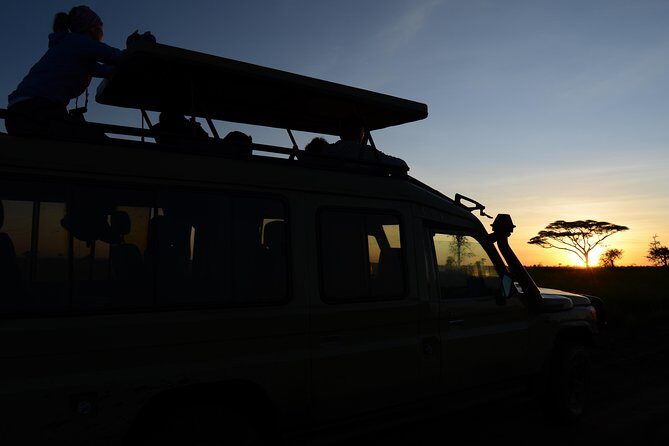
Day 1 starts after breakfast with a morning departure from Arusha around 7:15 a.m. The drive takes roughly 8 hours (with stops), as the route transits the Ngorongoro Conservation area on the way to Serengeti.
One of the first memorable moments is the brief crater stop: you pause at the gate and viewpoint area for about 20 minutes. It is short, but it gives you that early sense of scale. Even a quick look helps you understand what you’re working toward later in the trip when you descend into the crater.
From there, you may also have an optional Maasai village stop. The time is listed as about 7 minutes, and the focus is cultural—your guide may explain traditions associated with Maasai warrior life and how culture is practiced and understood today. If you want culture, it’s a low-commitment add-on. If you’d rather save energy for the park, you can treat it as optional.
By the end of Day 1, you’re set up for Serengeti wildlife time. The key point: Day 1 is about repositioning and getting you into position for stronger animal viewing over the next two days.
Day 2: Serengeti sunrise game drive, picnic lunch, then Ngorongoro rim time
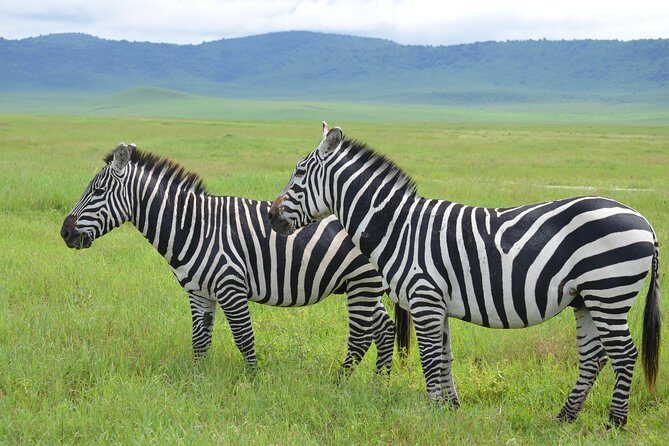
Day 2 is the day that starts with ambition. Breakfast is early, around 6:30 a.m., and then you head out for an early game drive. Early hours matter in safaris like this because animals tend to be more active and you’re often working with softer light for spotting and photography.
The schedule runs through the morning and into the afternoon with game viewing breaks. Lunch is handled with a pick nick-style stop, then you head back out for more driving and more chances to spot animals before exiting Serengeti.
After you leave Serengeti, you drive about 2 hours toward Ngorongoro and spend the night near the crater rim. That overnight positioning is smart. It reduces the “wake up and rush” feeling on Day 3, when you’ll descend early. You also get the comfort of included tented lodge lodging without having to plot your own route.
Day 3: Descending Ngorongoro at 6:15 a.m. and chasing black rhino odds
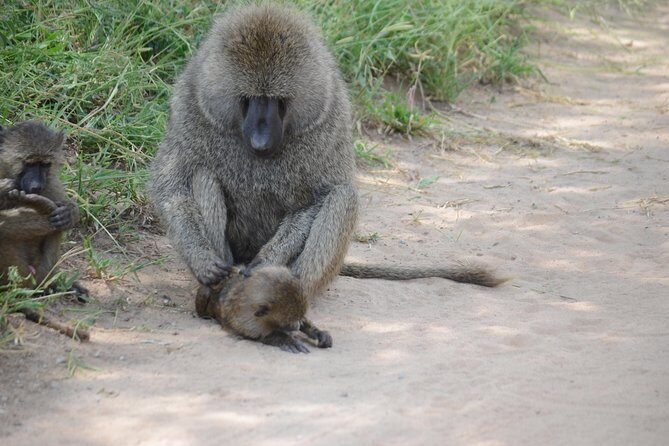
Day 3 begins with another early breakfast, followed by a crater descent starting around 6:15 a.m. This is the most distinctive piece of the trip because Ngorongoro is not just another park. It’s a floor crater full of animals and micro-habitats, which changes what you see and how often you see it.
The trip is planned with black rhino in mind. The tour notes that black rhino is among the hardest animals to spot, even though many other animals can be easier to find in the crater environment because you’re viewing from the crater floor. That’s a key realism check: you’re not guaranteed a black rhino sighting, but you are at least in the right place and at the right time to try.
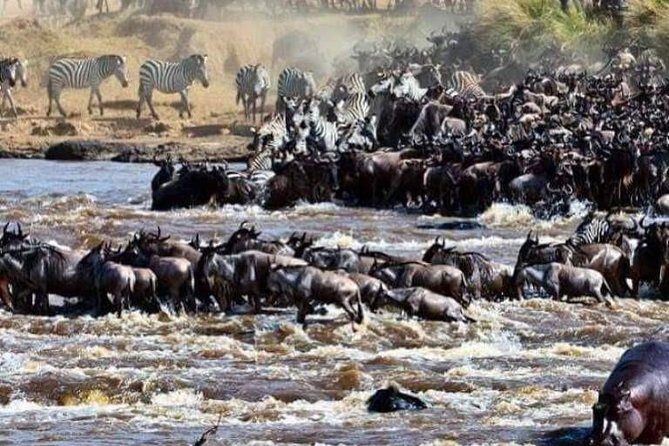
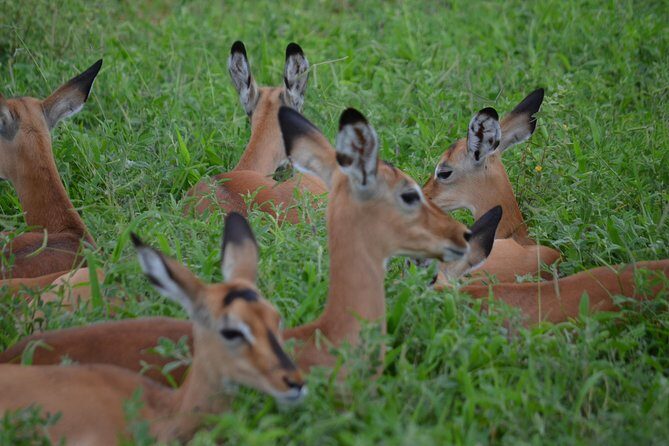
During the descent and early crater viewing, you can expect the kinds of animals that thrive in Ngorongoro’s enclosed setting. The itinerary specifically calls out buffalo, wildebeest, zebras, hippos, and antelopes, plus additional sightings depending on the day.
After lunch, there’s a game drive again before you ascend out of the crater. Then you pack and head back toward Arusha town, completing the loop.
If you love the idea of a safari where the terrain itself shapes wildlife patterns, Ngorongoro is where the trip turns from great to unforgettable.
A few more Arusha tours and experiences worth a look

Tented lodge nights: included comfort that fits a short safari
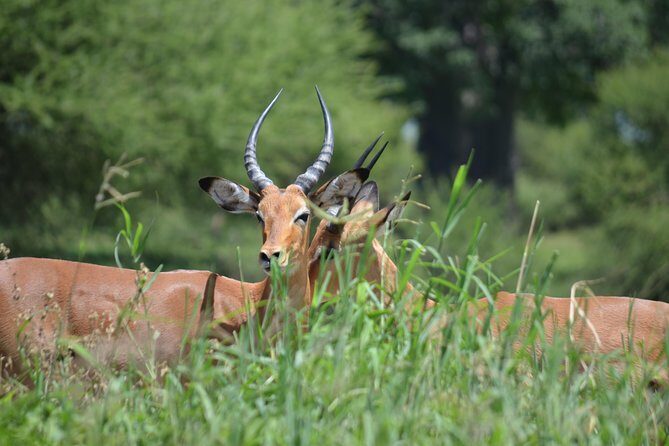
Accommodation is included: tented lodge lodging for the nights during the safari. That’s an important value piece because many short tours either skip lodging quality details or charge extra for better setups. Here, it’s already folded into the price.
What “tented lodge” means in practice is that you’re sleeping in a more immersive setting than a standard hotel, but you still get the conveniences that keep a 3-day itinerary workable. You’re not returning to Arusha every night. You’re staying close enough to the parks to keep the early starts realistic.
The timing also matters. Since Day 1 is mostly transit and Day 2 is another long viewing day, having a lodge included helps you recover without additional booking stress.
Included meals, water, beer, and wine: why it’s more than a perk
This package is unusually clear about included food and drink. Meals and water are provided, and beer and wine are also included. That matters because safaris are long, and hunger can turn a good day into a cranky day fast.
Included admission fees also keep things simple. You’re not trying to estimate entry costs on the fly or chase paperwork once you’re already deep into park routes.
Practically, this means more of the day stays focused on game drives. When meals and basic hydration are handled, you’re not losing viewing time to logistics. It also makes the nights feel more complete—especially after a long crater day.
One small caution: alcohol inclusion can be a tricky balancing act when you have early starts. Even if beer and wine are part of the plan, I’d still treat the next morning as non-negotiable and pace yourself.
Guides and communication: names that show up in strong feedback
Guides are a huge part of safari quality, and this tour has examples of standout guiding. Mohammed is mentioned for being very knowledgeable and speaking strong English, with explanations that made the experience unforgettable. Elias is also praised for careful driving and for explaining a lot of interesting details along the way.
Other guide names that come up include Ally and David, including one family trip where the guide worked well with kids aged 11 and 8. That’s useful information if you’re traveling with younger travelers who need patience, clear explanations, and a schedule that stays manageable.
On the company side, communication is credited to Salome and Editha. The takeaway for you is confidence: you want a provider that replies quickly and keeps your questions from turning into anxiety. This tour’s feedback repeatedly points to that kind of support.
Price and logistics: is $1,440 good value for this 3-day loop?
At $1,440 per person, this is not a budget-only safari. But the value question here isn’t just the parks—it’s what the package bundles.
You’re getting:
- Park admission included
- Pickup and round-trip transportation from Arusha hotels
- Meals plus water during the safari
- Beer and wine included
- Tented lodge accommodation for the included nights
- A small group capped at 6 travelers
Now add the time factor. A 3-day trip that hits Serengeti and Ngorongoro takes serious route planning. Long drives between areas, early departures, and crater timing all cost money in fuel and staff time. In that context, the all-in nature of the package is where the price starts to make sense.
If you’d have to hire separate vehicles, pay admissions separately, and arrange your own lodging and meals, the total often climbs quickly. This tour is designed to avoid that patchwork.
So, is it worth it? If you want the core highlights with minimal coordination, yes, it’s a solid fit for the price bracket.
Who this safari suits best (and who should think twice)
This tour is a good match if you:
- Want a focused Northern Tanzania hit list in only 3 days
- Prefer small group touring over large crowds
- Like structure: early mornings, timed drives, and a plan you can trust
- Value included comfort like meals and even beer and wine
It may not be ideal if you:
- Want a more relaxed pace or late mornings
- Hate long driving days (Day 1 transit and Day 2 driving are part of the deal)
- Need a flexible schedule with lots of free time between activities
Because this route is so schedule-driven, it suits active travelers who know that the best safari viewing often means waking up before the sun.
Should you book this 3 days Serengeti and Ngorongoro Lodge safari?
I’d book it if your goal is simple: see the main wildlife stages of Northern Tanzania without turning your trip into a spreadsheet. The small group size, included lodging, and included meals/drinks reduce the hassle you would otherwise have to manage yourself.
Before you decide, think about two practical points. First, you’re committing to early mornings and long drives. Second, the tour requires good weather and also depends on a minimum number of travelers. That means you should be flexible if conditions force changes.
If you want a safari that’s well-managed from start to finish, with guides who explain and drivers who handle the long days, this is the kind of 3-day package that can deliver a very satisfying Serengeti-to-crater arc.
FAQ
FAQ
Where does the safari start?
The tour includes pickup from your hotel in Arusha and runs on a route that returns you to Arusha town at the end.
How long is the safari?
It’s designed for 3 days (approximately).
Which parks are included?
You’ll visit Serengeti National Park and Ngorongoro Crater in the Ngorongoro Conservation Area.
How large is the group?
The maximum group size is 6 travelers.
What kind of accommodation is included?
Tented lodge accommodation is included in the tour price.
Are meals and drinks included?
Yes. Meals and water are provided, and beer and wine are also included.
Are park admission fees included?
Yes. Admission fees are included in the package.
Is transportation included?
Yes. Round-trip transportation from Arusha hotels is included.
Is the Maasai village visit included?
A Maasai village visit is optional, with a short stop described in the itinerary.
What happens if weather is poor?
The experience requires good weather. If it’s canceled due to poor weather, you’ll be offered a different date or a full refund.