REVIEW · ARUSHA
3-Day Tarangire, Ngorongoro and Lake Manyara Camping Safari
Book on Viator →Operated by Bush and Forest Explorers · Bookable on Viator
Three parks, one big wildlife hit. This 3-day camping safari links Tarangire, Ngorongoro Crater, and Lake Manyara into a tight circuit from Arusha, with early starts, open-roof game drives, packed lunch boxes, and overnight stays built around the best viewing times. It’s a classic Northern Tanzania combo—baobabs and elephants one day, a volcano crater the next, then a lake park where lions have a reputation.
What I like most is the way the route matches animal behavior: Tarangire’s riverfront elephant scene and Ngorongoro’s dense crater wildlife feel like you’re changing worlds in just 48 hours. Another standout is the human side—drivers and guides here tend to be upbeat, strong spotters, and good at turning long drives into part of the adventure (names like Rafael/Raphael, Rocky, and Isidor show up often).
One consideration: this is a camping safari, and the days run long with driving and game drives. If you want a slow, low-effort holiday with lots of downtime, this schedule may feel intense.
In This Review
- Key things that make this safari worth your time
- A smart 3-day route: Tarangire to Ngorongoro to Lake Manyara
- Day 1 in Tarangire: baobabs, elephants by the river, and a predator mix
- Night plans: transitioning toward Ngorongoro
- Ngorongoro Conservation Area: descending into the caldera and seeing density
- Packed lunch and a crater exit at the right time
- What to expect realistically on Ngorongoro
- Lake Manyara Day 3: the groundwater forest approach and a different kind of wildlife
- Camping nights and included meals: what you get, what you bring
- What camping means for your comfort level
- Pricing at $750: value comes from logistics, access, and time
- The guide factor: why Raphael, Rocky, and Isidor show up in good safaris
- How to get the best out of your guide
- Practical tips for your 3-day Tanzania safari plan
- Should you book this 3-day camping safari?
- FAQ
- What is the itinerary for this 3-day safari?
- Where does the safari start and end?
- What time does the tour start each day?
- Is this a private safari?
- What is included in the price?
- Is alcohol included?
- Do I get a ticket on my phone?
- What wildlife should I expect?
- How does cancellation work?
Key things that make this safari worth your time
- Private transportation from Arusha keeps your day moving and your group together.
- Open-roof safari vehicle time helps you spot wildlife faster, especially around Tarangire.
- Packed lunch boxes mean fewer scramble moments and more hours in the parks.
- Ngorongoro crater game drive with a late-afternoon departure gives you the best chance of action before leaving the caldera area.
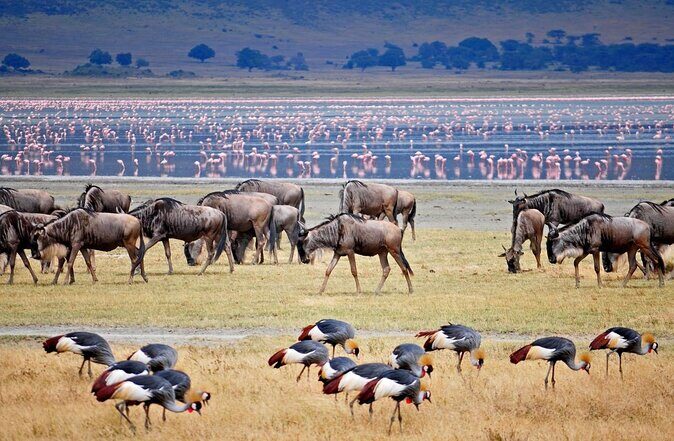
- Big-animal targets in three parks lets you experience elephants, predators, and birdlife without rushing between the wrong places.
- Strong value signals from past guests: 5/5 rating and 100% recommended across 21 reviews.
A smart 3-day route: Tarangire to Ngorongoro to Lake Manyara
A lot of Tanzania safaris get marketed like a checklist: one park, then another, then another—done. This one feels more like a route you’d actually plan if you cared about wildlife timing. Tarangire is known for elephants and baobabs, Ngorongoro is famous for its crater ecosystem and big mammal density, and Lake Manyara adds a totally different feel with its lake setting and tree-tangled birdlife.
I also like the pacing. You’re not just driving from place to place. Each day is built around a main window for seeing animals, then a break that resets you for the next park.
At $750 per person, you should think of this as paying for access and logistics: park time, transport, guides, and meals across multiple days. It’s not a “fly in, see a few things, fly out” style trip.
A few more Arusha tours and experiences worth a look
Day 1 in Tarangire: baobabs, elephants by the river, and a predator mix
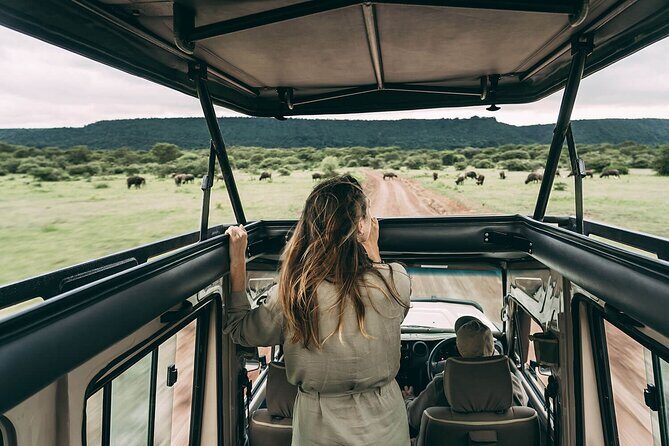
Tarangire starts with the right mood. You’re picked up from your Arusha hotel at 8:00 am, then drive into the park with packed picnic lunch boxes ready to go. From there, the park’s big identity kicks in fast: giant baobab trees, open bush savannah, and seasonal marsh areas that can change the feel of the terrain.
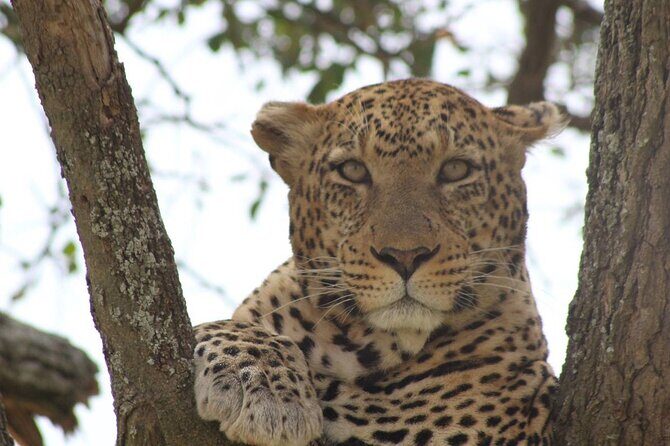
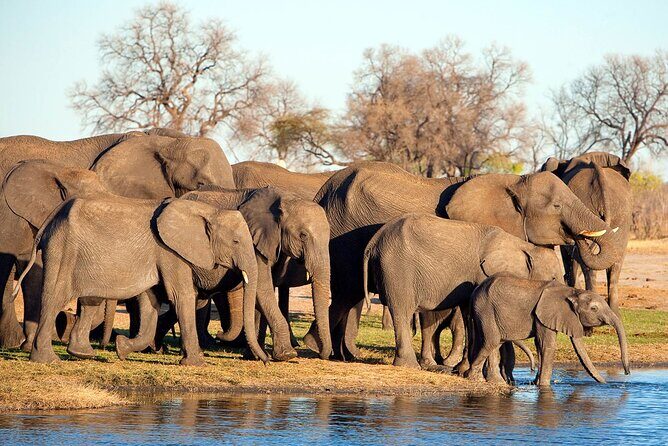
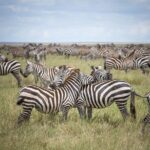
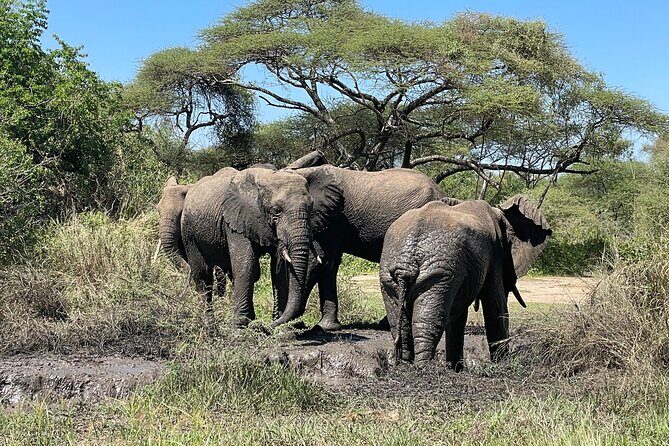
Tarangire is also one of the best places on the circuit for elephants up close. The key detail is that elephants here aren’t constantly hassled by vehicles, so you often get more natural behavior in front of you. You’ll also want to watch for buffalo, zebras, and wildebeest, because predators follow food. Lions show up in the mix, while leopards are seen now and then. Cheetahs are rarer, so treat them as a bonus rather than a guarantee.
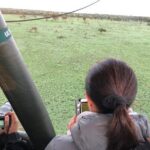
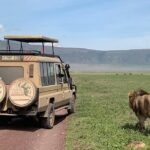
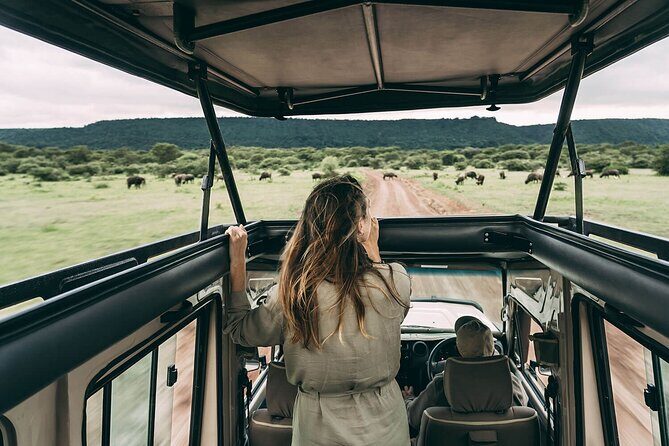
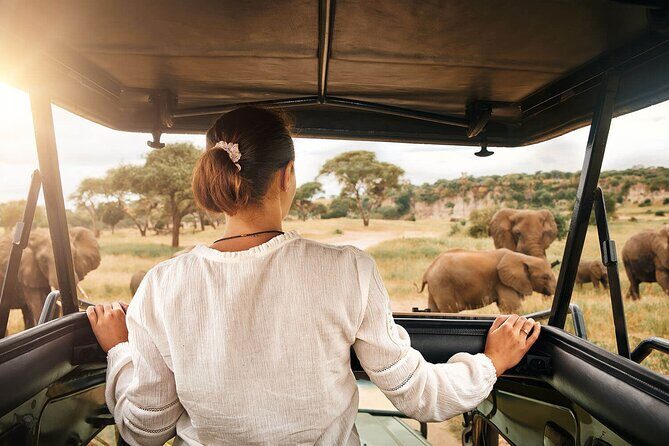
A small practical bonus: the safari vehicle is described with an open roof, which matters. When you can see over the brush and keep your eyes scanning longer, spotting gets easier—especially when animals move along river edges or in open grass patches.
Night plans: transitioning toward Ngorongoro
You’ll spend a night near the crater area after your Tarangire day. That setup helps on Day 2. You’re not starting the crater drive from far away, and that saves time and energy—both big deals when you’re on a tight 3-day arc.
Ngorongoro Conservation Area: descending into the caldera and seeing density
Ngorongoro is the showstopper for most safari lovers, and this day is designed around it. After breakfast, you drive to the Ngorongoro main gate and descend into the crater floor around 9:00 am for your game drive.
Here’s why the timing matters: Ngorongoro is a massive collapsed volcano caldera—an enclosed ecosystem where wildlife concentrates. You’re looking at a habitat that supports over 25,000 mammals, including the Big Five: lion, elephant, buffalo, rhino, and leopard. Even if you don’t spot every single one, the chances are high because the area is crowded with prey and cover.
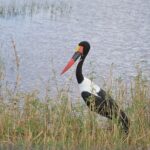
You’ll also get plenty of bird action. The crater area is described as home to more than 500 bird species, which is useful if you enjoy watching animals you don’t always think of as “the main event.”
Packed lunch and a crater exit at the right time
Your packed lunch boxes come around 1:30 pm, then you depart the crater area in the afternoon around 3:00 pm. That timing is practical: it avoids dragging your crater day too long, and it gives you time to reset for the next stretch.
From there, you spend the night in Mto Wa Mbu. That matters because you’re shifting from the crater’s enclosed world to a more human-accessible base where meals and rest are easier to manage.
A few more Arusha tours and experiences worth a look

What to expect realistically on Ngorongoro
Ngorongoro is famous for “one more try and maybe…,” and you should treat it that way. Rhino and leopard can be hit-or-miss anywhere in the region. But when the day is structured with a proper crater drive window, your chances improve.
Also, this trip’s overall design gives you a real shot at big highlights quickly. Several past safari experiences point to major sightings happening in just three days across the three parks.
Lake Manyara Day 3: the groundwater forest approach and a different kind of wildlife
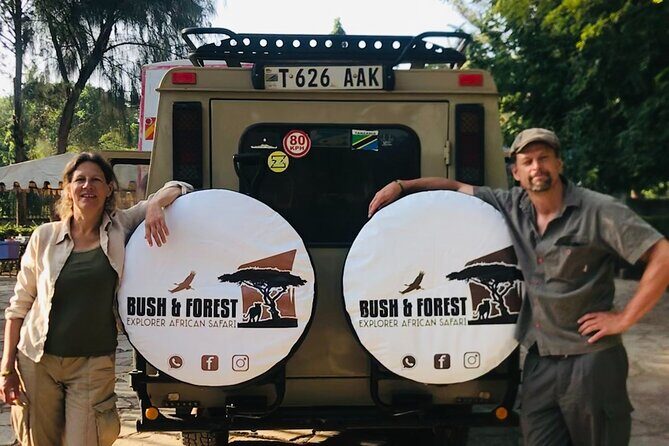
Lake Manyara closes the circuit with a change of scenery and a different safari style. After breakfast you’re picked up around 9:00 am, drive to the gate, then pass through the shade of groundwater forest before reaching the lakeshore.
At Lake Manyara, you’re not just chasing animals—you’re watching behavior. The park is best known for tree-climbing lions, but the data you have here also sets your expectations: you’re more likely to encounter elephants, buffalo, primates, and astounding bird life. So even if the famous lion tree moment doesn’t happen, you’re still in the right place for animals and movement.
Your packed lunch boxes are around 12:00 pm, and you leave the park in early afternoon for the drive back to Arusha, finishing back at the meeting point.
If you’ve been in “crater mode” and “river-and-baobab mode” for two straight days, this is a good final day because it feels lighter and more varied. Birdlife adds texture to the safari, and primates give you something different when big mammals take a break.
Camping nights and included meals: what you get, what you bring
This is labeled as a camping expedition, and that’s part of the value. Camping tends to keep you closer to where you need to be for the best game viewing, instead of wasting hours driving back and forth.
Meal-wise, the deal includes:
- Breakfast (2)
- Lunch (2)
- Dinner (2)
Alcohol isn’t included, so if you want a drink with dinner, plan to pay separately. One detail I find useful: past experiences mention hot meals cooked for the group and food being delicious and sufficient. That’s a practical sign that you’re not surviving on snacks during the long drives.
Accommodation specifics aren’t fully spelled out in the basic tour outline, but at least one safari experience mentions Kizumba Camp as a beautiful place to stay and a feeling of being at home. Since camp choices can vary by season and availability, the smartest move is to confirm the exact camp name when you book—then you can judge comfort expectations clearly.
What camping means for your comfort level
Camping safaris are not for everyone. If you love super polished, predictable hotel comfort, this may not match your style. If you’re okay with simple camp life as the trade-off for better wildlife time, you’ll likely enjoy it.
Also, remember your days include early departures and a lot of sitting in a vehicle. Bring what helps you stay comfortable: a warm layer for mornings and evenings, plus anything you like for downtime at camp.
Pricing at $750: value comes from logistics, access, and time
At $750 per person, this isn’t a bargain safari. It’s also not priced like a boutique private lodge-only trip. The price makes sense when you look at what’s included:
- Private transportation
- All fees and taxes
- Meals across the 3 days
- The park experience in multiple major areas from Arusha
Safari trips are expensive mostly because access is regulated and distances add up quickly. This itinerary links three major parks in three days, so the cost is partly paying for uninterrupted movement and park time—not just the “viewing.”
Also, the private element matters. It means your group drives together and doesn’t get shuffled around to match other parties. That often translates into fewer waiting gaps and a smoother day.
The guide factor: why Raphael, Rocky, and Isidor show up in good safaris
On a safari, your driver is not background noise. They’re the person making decisions: where to stop, when to move, what angle gets you the best view, and how to read animal behavior. The strong feedback in this case points to drivers who are:
- Enthusiastic and keep the mood up on long drives
- Strong spotters who get you to the right positions for photos
- Good at explaining what you’re seeing and why it matters
You’ll see names like Rafael/Raphael, Rocky, and Isidor mentioned in positive experiences. That’s a good sign that the guiding team here leans toward active interpreting, not just “drive and stop when told.”
How to get the best out of your guide
Even with great guiding, you’ll have a better time if you speak up. If you care about birds, ask for the moments when birds are most active. If you care about predators, ask where you should be looking during different parts of the drive. When your driver knows what you want, you’ll feel like the day is tuned to you.
Practical tips for your 3-day Tanzania safari plan
A few things that will help you enjoy the trip instead of just surviving it:
- Plan for early starts. Day 1 is picked up at 8:00 am, and Day 2 and Day 3 are both around 9:00 am.
- Expect long days. Each park day includes extended game viewing and transfer time.
- Use the packed lunch boxes advantage. Eat earlier so you can stay focused while you’re out driving.
- Bring a camera strategy: you’ll likely be taking lots of shots, but the best viewing depends on your ability to scan quickly and not constantly rearrange gear.
- If you’re sensitive to basic accommodations, confirm the camp name and what’s provided before you go.
One more note: the safari vehicle is described as open-roof for the Tarangire drive. That’s great for spotting and photos, but it also means you should protect yourself from sun and keep an eye on what can get windy.
Should you book this 3-day camping safari?
I’d book this if you want a real safari circuit—Tarangire for elephants and baobabs, Ngorongoro for crater-scale wildlife density, and Lake Manyara for a different habitat and big bird energy. The route is efficient, and the combination of private transport plus included meals removes a lot of guesswork.
I’d hesitate if you’re chasing a super laid-back vacation. The days are long, and camping means you’re trading some comfort for time in the parks. Also, if a single species is your must-see (like rhino or leopard, or tree-climbing lions), keep expectations flexible. Safari is wildlife-first, not checklist-first.
If you like action, animals, and doing it the sensible way—this tour looks like strong value for $750, especially with the consistent 5/5 reputation and 100% recommendation rate.
FAQ
What is the itinerary for this 3-day safari?
You’ll visit Tarangire National Park, Ngorongoro Conservation Area (the crater game drive), and Lake Manyara National Park, with camping nights including time at the Ngorongoro area and an overnight in Mto Wa Mbu.
Where does the safari start and end?
It starts at Shoppers Supermarket, Arusha, Tanzania and ends back at the same meeting point.
What time does the tour start each day?
Day 1 pickup is at 8:00 am after breakfast. Day 2 starts with a drive to the gate and crater descent around 9:00 am, and Day 3 pickup is around 9:00 am.
Is this a private safari?
Yes. It’s listed as a private tour/activity, meaning only your group participates.
What is included in the price?
The tour includes private transportation, all fees and taxes, and meals: breakfast (2), lunch (2), and dinner (2). It also includes packed lunch boxes during park days.
Is alcohol included?
No. Alcohol is not included.
Do I get a ticket on my phone?
Yes. The experience offers a mobile ticket.
What wildlife should I expect?
In Tarangire you’re likely to see elephants, buffalo, zebras, wildebeest, and predators like lions (leopards now and then; cheetahs rarely). In Ngorongoro, the crater can include the Big Five and also many birds (more than 500 bird species is mentioned). Lake Manyara is known for tree-climbing lions, though you may more often encounter elephants, buffalo, primates, and birdlife.
How does cancellation work?
You can cancel for free up to 24 hours in advance for a full refund. If you cancel less than 24 hours before the start time, the amount paid is not refunded.