REVIEW · ARUSHA
9 Days Private Experience Tanzania Safari and Culture
Book on Viator →Operated by MERU SLOPES TOURS AND SAFARIS · Bookable on Viator
Game drives and hikes across Tanzania’s Rift Valley. I love how this trip pairs classic wildlife viewing with off-vehicle moments like waterfall hikes and cultural visits. I also love the small-group, private-feel setup, with a dedicated driver/guide and the kind of organization that keeps your days moving from park to park.
One thing to consider: you’ll spend a lot of time in a vehicle and you’ll do some uneven walking. Muddy, slippery ground shows up around Lake Natron, and Materuni also calls for good shoes, so plan for real physical days, not just smooth sightseeing.
In This Review
- Key things that make this safari work
- Setting out from Arusha: your days start early for a reason
- Tarangire National Park: elephants, baobabs, and that dry-season river edge
- Lake Manyara: five ecosystems in a small park with big bird energy
- Ngorongoro Crater: the dormant volcano bowl where density does the work
- Serengeti National Park: “Endless Plain” game drives with migration energy
- Days dedicated to predators, herbivores, and the migration rhythm
- Lake Natron sunrise, waterfall hikes, and a Maasai village stop
- Materuni Village coffee, waterfalls, and Kikuletwa hot springs
- Price and value: what your $4,114 is really buying
- Guides and the safari skill that changes everything
- Who this trip fits best
- Should you book this 9-day Tanzania safari and culture combo?
- FAQ
- What is included in the tour price?
- What is not included?
- What time does the experience start?
- How many travelers are in the group?
- Is there WiFi and drinking water during the trip?
- Is free cancellation available?
Key things that make this safari work
- A focused Arusha start with a practical 7:30 am kick-off and pickup included
- Tarangire’s dry-season rhythm: elephants, baobabs, and even pythons
- Lake Manyara’s five ecosystems in just 330 sq km, with standout birdlife
- Ngorongoro’s crater density and the chance for Big Five sightings
- Serengeti time built around predators, herbivores, and migration energy
- Lake Natron sunrise and hikes, then a Chagga coffee and waterfall day near Kilimanjaro
Setting out from Arusha: your days start early for a reason
Your adventure begins at 7:30 am in the Arusha area, and pickup is included. That early start matters in Tanzania safari land, because you want the best light for viewing and the cooler temperatures for game drives.
This is also the kind of trip that’s easier when the logistics are handled. You get WiFi on board, unlimited drinking water, and even flying doctor services listed as part of the support. Add the fact that the experience caps at 15 travelers, and it often feels more personal than the big, loud safari buses.
You can also read our reviews of more private tours in Arusha

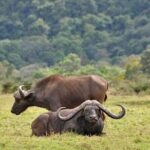

Tarangire National Park: elephants, baobabs, and that dry-season river edge
Tarangire is named for the river running through the park, and it’s a big deal during the dry season. When water concentrates, wildlife concentrates—and your drives here are built around that payoff.
Expect stately elephants moving through the park’s rhythm, plus the chance of African pythons climbing trees. And yes, the baobabs are part of the visual identity of Tarangire—massive shapes that make even a simple viewpoint feel like a photo set.
What I like most about this stop is that it’s not only about spotting animals. It’s also about getting your eyes tuned to the landscape: river lines, open grass, and the way wildlife becomes easier to track when water is the magnet. If you care about photography, this is a great “warm-up day” before denser parks.
Potential downside: Tarangire is action-heavy, so by the end of the day you might feel like you’ve “spent” your energy on drives. If you’re the type who wants downtime, you’ll want to mentally budget for an evening at the lodge that actually lets you recover.
Lake Manyara: five ecosystems in a small park with big bird energy
Lake Manyara is only 330 square km, and about 230 sq km is lake. That means you don’t travel forever to change scenery; you can see different habitat styles packed into one area, which helps keep your drives interesting.
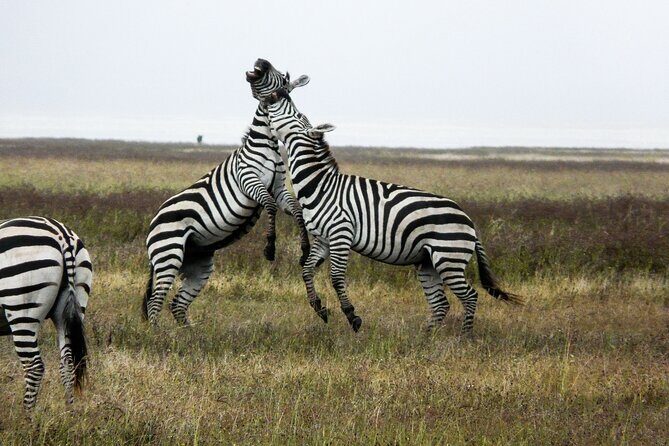
Even better, the park is described as having over 380 types of birds. That’s a reminder that this isn’t only a Big Cat stop. You’ll also be watching elephants, buffalo, zebras, giraffes, leopards, lions, baboons, hippos, warthogs, and many more—often with the sense that the park is alive in multiple ways at once.
One underrated value here: Lake Manyara’s “small stage” feeling makes it easier to stay present. You’re not constantly bouncing between far-flung locations. Instead, you get repeated looks at animal behavior and the lake shoreline, which can help you notice patterns.
Ngorongoro Crater: the dormant volcano bowl where density does the work
Ngorongoro Crater is famous for a reason. The landscape is dramatic—dormant volcano walls surrounding you like a natural amphitheater—and that setting makes wildlife feel close, even when it’s just moving across the slopes.
This day also includes a short visit to Karatu village before you head into the crater area. I like that it adds a human touch before the wildlife overload. You get a sense of the region beyond the parks, then you step into the crater experience with a fuller picture.
Inside the crater, the itinerary highlights potential Big Five sightings (elephants, buffalo, lions, leopards, and rhinos), and it also notes roughly 30,000 animals in the surrounding area. That number matters for your expectations: yes, sightings are not guaranteed, but the odds are built on concentration—wildlife density is part of the design.
Logistically, this is a long, high-impact day. It’s also the type of stop where patience pays off: you might spend time scanning, and then suddenly you’ll have multiple species moving through view.
Serengeti National Park: “Endless Plain” game drives with migration energy
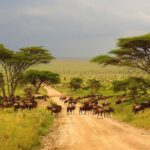
Serengeti is the headline, and the itinerary gives you time to feel it—not just pass through. The focus is on the park’s lowlands and the wide-open vibe that made people name it Endless Plain.
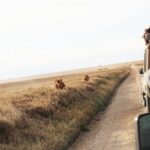
You’ll reach Serengeti by crossing the Ngorongoro Conservation Area, with a photo-safari and picnic lunch along the way. Once you enter the park, you also get a chance to climb to a panoramic point near Naabi Gate. Even if the wildlife is quiet at a moment, those views can be worth the effort because they show why Serengeti is such a magnet for the great predators and the migration story.
A few more Arusha tours and experiences worth a look
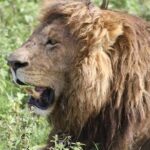
Days dedicated to predators, herbivores, and the migration rhythm
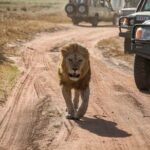
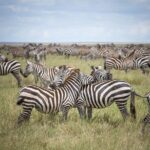
You’ll spend multiple full days in the park, with attention on the Great Migration and the daily cycle of predator-and-prey behavior. The itinerary calls out chances to meet predators like leopards, cheetahs, lions, plus big herbivores like wildebeests.
Here’s what this structure does for you: it reduces the “missed it” feeling. When you’re in Serengeti for more than a single day, you start to understand the park’s mood swings—when animals move, when they hold still, and where the action keeps repeating.
If you’re a photographer, this is one of the strongest parts of the trip. The route gives you repeated time in the same big game landscape, which helps you compare light, movement, and distance across days. That’s often where the sharpest photos happen: not from one perfect moment, but from learning how the park behaves.
Possible downside: Serengeti days are big-sky days. That can mean you’ll spend more time scanning than you’d like, especially if weather isn’t cooperating. Still, the trade-off is worth it if you want the full “wild Africa” feeling rather than a quick checklist safari.
Lake Natron sunrise, waterfall hikes, and a Maasai village stop
When you head toward Lake Natron, you’re shifting from the classic “flat Serengeti” feel to the Rift Valley’s geologic drama. The itinerary includes panoramic viewpoints for the Rift Valley, Oldoinyo Lengai, and lake scenery.
Lake Natron is also where you start the day at sunrise. You’ll watch the flamingos along the lake and enjoy the panorama at a quieter time of day. That sunrise timing is a major value, because it gives you atmosphere even if game viewing is slower that morning.
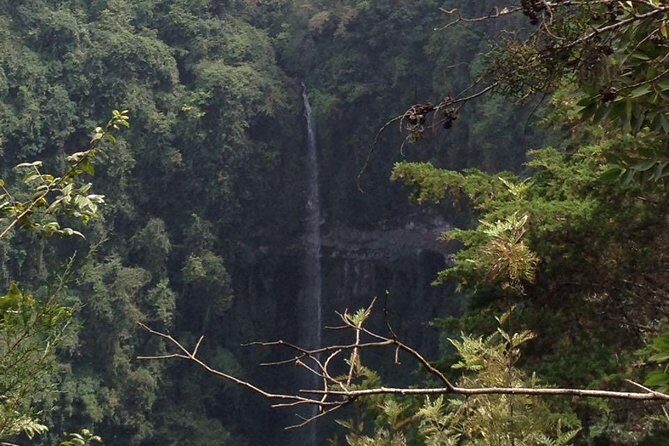
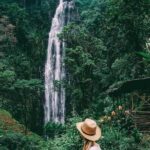
Then come the hikes. The plan includes a hike to a waterfall area where you can refresh, and there’s also another waterfall outing with the option to bathe and swim, plus the note about seeing a geyser. The itinerary also gives a practical warning: the ground around the lake is slippery and muddy, so wear appropriate shoes.
This is one of those days where the “active safari” concept becomes real. You’re not only sitting in a vehicle—you’re moving, getting close to the environment, and earning those scenic moments.
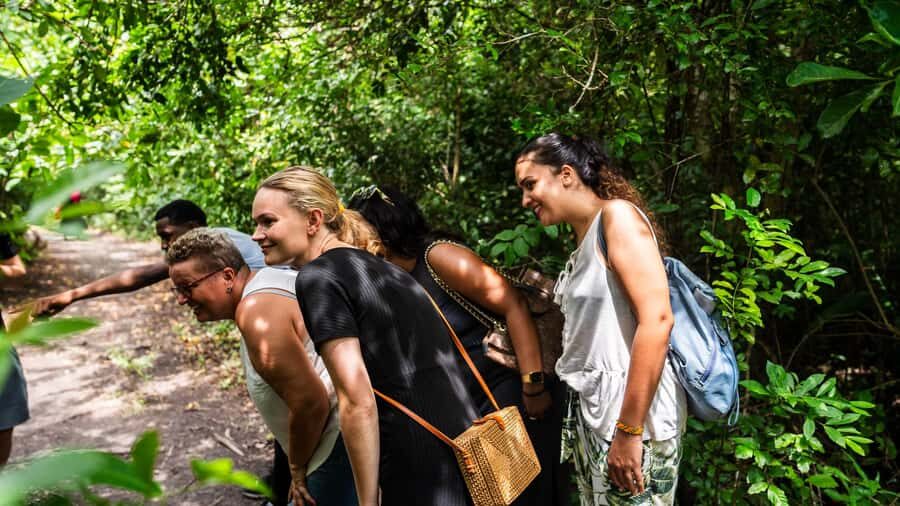
To round it out, you’ll visit a Maasai village with a guide to closely observe tribal culture. It’s not described as a performance-style visit; it’s framed as a close look, which is the kind of cultural stop that feels respectful and grounded.
Materuni Village coffee, waterfalls, and Kikuletwa hot springs
Your final day shifts into the Kilimanjaro foothills area near Moshi, and the itinerary keeps it hands-on. You’ll go to Materuni village for a coffee and waterfall day trip.
What I like here is that Materuni is described as lush and still authentic, partly because it’s not on the main routes for climbing Kilimanjaro. That matters: you’re more likely to get a true village rhythm instead of a hurried, stop-and-go tourist corridor.
You’ll learn about Chagga life and crops in the homestead area, then watch how coffee is produced—from picking beans to roasting and then drinking the cup yourself. This isn’t just a “see a process” moment. It’s a full flavor experience, and it’s one you can remember later when you taste Tanzanian coffee at home.
After the coffee tour, there’s a short hike to the waterfalls. The itinerary specifically calls out muddy conditions, so plan on solid footwear and a comfortable pace.
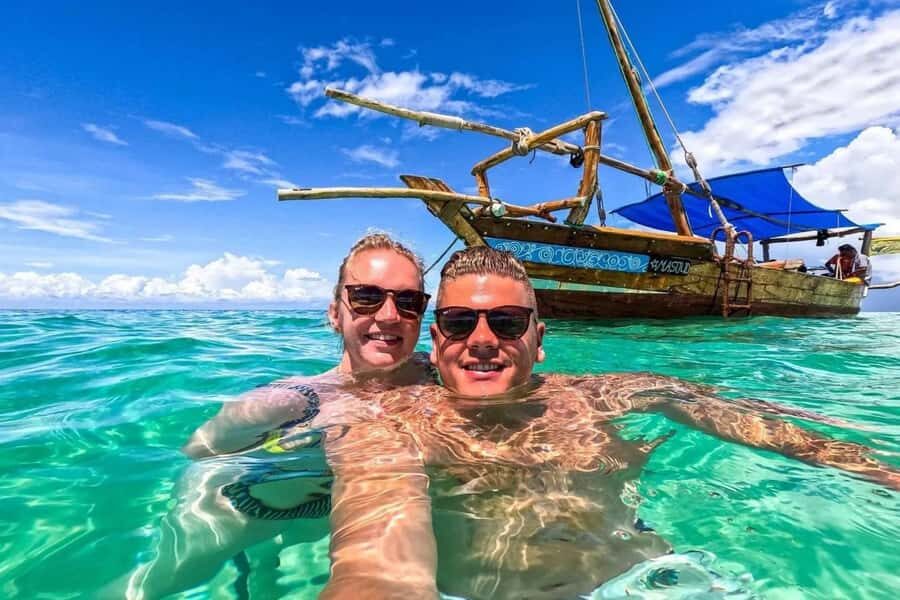
Then you finish with Kikuletwa hot springs, about one hour from Moshi. The drive itself is part of the show: you pass Maasai land, bomas, and young warriors herding cattle. When you arrive, you get warm (not necessarily hot) waters, a tropical feel with palms and clear water, and time to relax. There’s even mention of picnic shade under trees and the possibility of vervet monkeys.
This last day is a strong emotional finish. After parks and long drives, you end with water, shade, and a chance to slow down.
Price and value: what your $4,114 is really buying
At $4,114 for roughly 9 days, you’re paying for more than vehicle time. You’re paying for access, planning, and a route that keeps you in big-name areas while also adding meaningful cultural and active pieces.
Here’s what stands out as value:
- Meals are covered (breakfasts, lunches, dinners are listed for the 9 days)
- All fees and taxes are included and the itinerary notes admission handling across multiple park days
- WiFi on board and unlimited drinking water reduce “small cost creep”
- Flying doctor services are included as part of the support system
What’s not included is clear: Tanzania visa and tips/gratuities. So if you budget carefully, you won’t get surprised late in the trip.
Is it expensive? Tanzania safari pricing varies wildly based on season, vehicle type, lodging tier, and private logistics. What I can say from this setup is that the “included” meal and fee structure helps you feel in control of your budget. You’re also paying for variety: Tarangire, Lake Manyara, Ngorongoro, Serengeti, Lake Natron, plus Materuni and Kikuletwa.
Guides and the safari skill that changes everything
The best part of any safari is rarely the park map. It’s the person driving and reading the land. In the feedback connected to this operator and guides, names like Jacob, Noru, Salehe, Kelvin, Geofrey, Robert, and support like Chef Gedeon come up in connection with professionalism and attention.
The recurring theme is simple: you want a guide who finds animals well and keeps you comfortable and safe. That’s especially important when you’re combining big crater landscapes, long drives, and hiking days with mud and slopes.
If you’re the type who geeks out on details—animal behavior, tracking basics, and photography positioning—this style of guiding is a good fit. One review specifically pointed to guides suited for photographers, which is a hint that the team is used to helping people get better angles and moments.
Who this trip fits best
I think this safari is a great match if you:
- Want a classic Tanzania wildlife circuit without rushing Serengeti
- Enjoy learning while you travel, including culture stops like the Maasai village and Chagga coffee day
- Want some physical activity built in (waterfalls hikes), not just sitting in a vehicle all day
- Prefer a small-group cap rather than giant tour chaos
It might be less ideal if you:
- Hate early mornings or long driving days
- Have limited mobility for uneven, muddy ground
- Expect a fully relaxed pace every day (this route moves)
Should you book this 9-day Tanzania safari and culture combo?
If your dream is to see the major parks—Tarangire, Lake Manyara, Ngorongoro, Serengeti—while also getting real culture and water-based breaks, I’d strongly consider booking. The itinerary balances high-probability wildlife areas with off-vehicle experiences like Materuni waterfalls, coffee learning, Lake Natron sunrise, and a Maasai village visit.
Before you commit, I’d check two things: your comfort with hikes on muddy or slippery ground, and your willingness to spend long days in the vehicle. If you’re okay with that, this is the kind of trip that leaves you with more than photos. You’ll come home with a sharper sense of Tanzania’s landscape variety—volcanic bowls, open plains, lake ecosystems, and foothills water days—all in one well-planned sweep.
FAQ
What is included in the tour price?
The tour includes all fees and taxes, WiFi on board, unlimited drinking water, and meals (breakfast, lunch, and dinner across the 9 days). Flying doctor services are also listed as included.
What is not included?
The Tanzania visa and tips/gratuities are not included.
What time does the experience start?
Start time is listed as 7:30 am.
How many travelers are in the group?
This experience has a maximum of 15 travelers.
Is there WiFi and drinking water during the trip?
Yes. WiFi on board and unlimited drinking water are included.
Is free cancellation available?
Yes. You can cancel up to 24 hours in advance for a full refund, with the refund rules based on local time.