REVIEW · ARUSHA
Affordable 5 days Tanzania budget camping safari (group joining)
Book on Viator →Operated by Tanzania Serengeti Safaris · Bookable on Viator
There’s a special kind of magic to rolling out early in Tanzania and letting the wildlife find you. What I like most about this budget group-joining camping safari is the value: you’re hitting Tarangire, Serengeti, Ngorongoro, and Lake Manyara in about five days while keeping costs down with shared transport and camping-style overnights. I also really like the hands-on guiding style, including roof-open viewing during the Tarangire drive, and the fact that guides such as Moses, Eve, and Geofrey have led past departures with a strong focus on getting good sightings.
One thing to consider: this is a budget camping trip and you’ll spend long hours on the road, so comfort is practical rather than fancy. If you’re the kind of traveler who wants lots of downtime or quieter logistics, a group format (up to 100 people) may feel like more movement and less personal space.
In This Review
- Key Highlights You’ll Feel Right Away
- How This Budget Camping Safari Actually Works (and Why It’s Good Value)
- The Morning Pickups: Shoppers Supermarket and a 6:00am Start
- Day One in Tarangire National Park: Elephants, Baobabs, and Roof-Open Sighting
- Serengeti Day Two and Day Three: Plains Wildlife and a Sunrise Drive
- Ngorongoro Crater Day Four: Big Game Chances in a Concentrated Setting
- Lake Manyara on Day Five: Tree-Climbing Lions and Bird Time
- What’s Included (and What You’ll Need to Budget for)
- Price Check: Is $1,610 Really a Good Deal?
- Comfort and Food: Practical Camping-Style Reality
- Guides Make the Difference: Moses, Eve, and Geofrey
- Who This Safari Fits Best (and Who Might Prefer Something Else)
- Quick Reality Check: Weather and Timing
- Should You Book This 5-Day Group Camping Safari?
- FAQ
- Where does the safari start in Arusha?
- What time does the tour start?
- How long is the safari?
- What parks will I visit?
- Is the safari camping style?
- What meals are included?
- Is water included?
- Are park admissions included?
- What is not included in the price?
- What happens if the safari is canceled due to weather?
Key Highlights You’ll Feel Right Away
- Group joining, shared pricing: you split the safari experience and keep it affordable without skipping major parks
- 4×4 Toyota Land Cruiser with early starts: built for game drives and getting to wildlife when it’s active
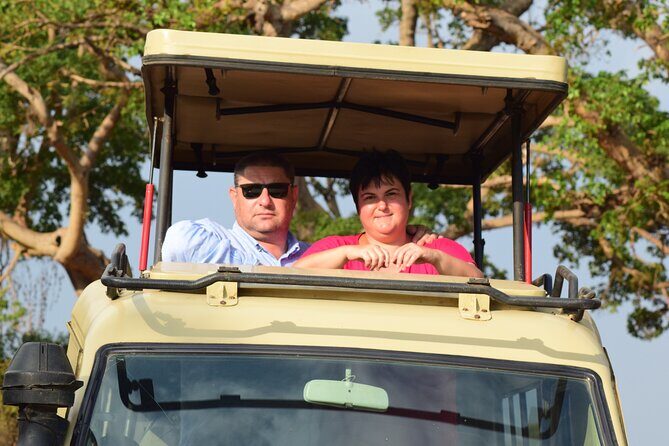
- Tarangire roof-open viewing: your guide can open the roof to improve sighting opportunities
- Serengeti sunrise morning drive: a classic time to see animal behavior start up
- Ngorongoro crater is the big wildlife day: zebra, wildebeest, and even spotted hyenas show up in the mix
- Lake Manyara finish with tree-climbing lions and birds: a strong last-day contrast to the crater and plains
How This Budget Camping Safari Actually Works (and Why It’s Good Value)
This is the kind of safari that makes Tanzania feel possible on a real budget. You’re not paying for a private, high-end lodge setup. Instead, you’re paying for the core safari ingredients: reliable 4×4 transport, professional guiding, park time, and meals that keep you fed during long drive days.
The biggest value lever here is the group-joining format. When expenses are shared across a group, the price lands at $1,610 per person for the five-day experience. That number matters less than what you get for it: multiple iconic parks across several ecosystems, plus camping-style nights so the trip stays cost-effective.
Another value point: the trip includes all fees and taxes, and most days list admission as free, with Ngorongoro Crater admission specifically marked as included. That’s helpful because it reduces the guesswork of what your day will cost once you’re already on the ground.
What to watch for, though, is that budget often changes the tone. You’re not going to get the same level of comfort you’d find on a luxury lodge safari. You’re trading some creature comforts for wildlife time and a route that hits the highlights in a smart order.
A few more Arusha tours and experiences worth a look
The Morning Pickups: Shoppers Supermarket and a 6:00am Start
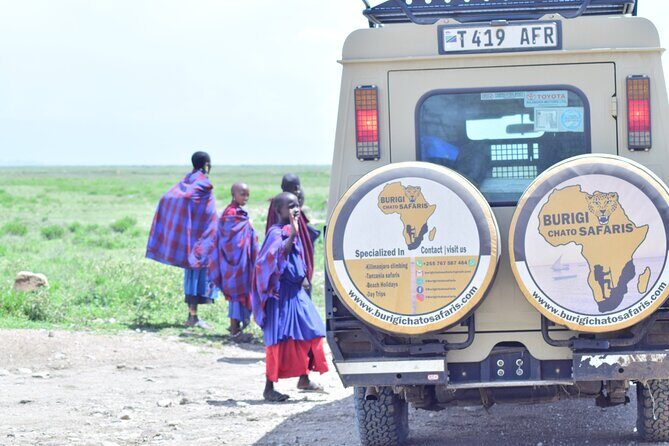
Your trip begins at Shoppers Supermarket in Arusha, with a stated start time of 6:00am. That early start is not just a timetable detail—it affects your wildlife odds. Animals tend to be more active in the cooler hours, and game drives are typically more productive before the day heats up.
If you’re building your own travel plan around this safari, I’d treat Arusha as your base city for a reason. You’ll be doing park logistics from there, so you want an easy day before your pickup. Arrive with a little buffer so you’re not stressed about timing.
Pickup is offered, and you’ll end back at the meeting point in Arusha. That means you don’t have to solve complicated end-of-trip transport on your own, which is a quiet but real convenience.
Day One in Tarangire National Park: Elephants, Baobabs, and Roof-Open Sighting
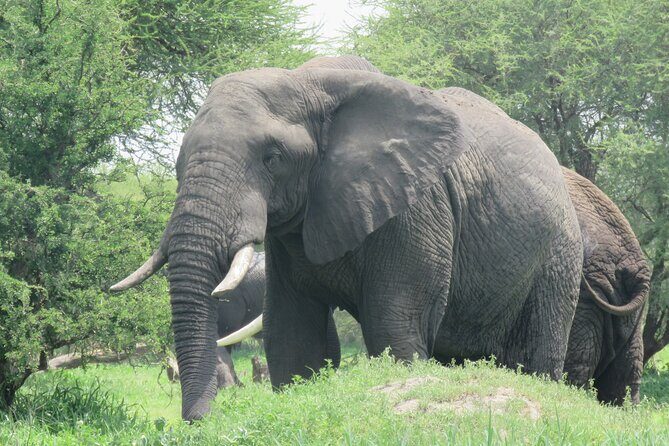
Tarangire is one of my favorite ways to start a northern Tanzania safari. It’s visually distinct, and it has a classic mix of wildlife and scenery: long tree savannah, baobabs, seasonal marsh areas, and large elephant herds.
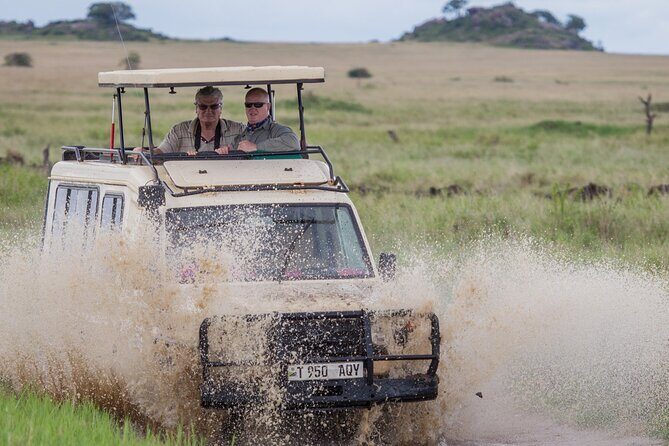
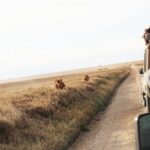
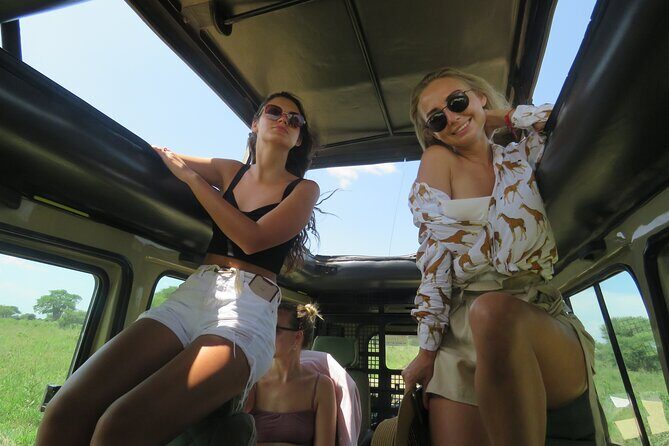
You leave Arusha around 7:30–8:00am for Tarangire. Once you arrive, the guide starts the viewing and (here’s a practical detail) they can open the roof of the vehicle for better wildlife spotting. That matters when you’re trying to see animals at different heights or when you want a clearer angle for photos.
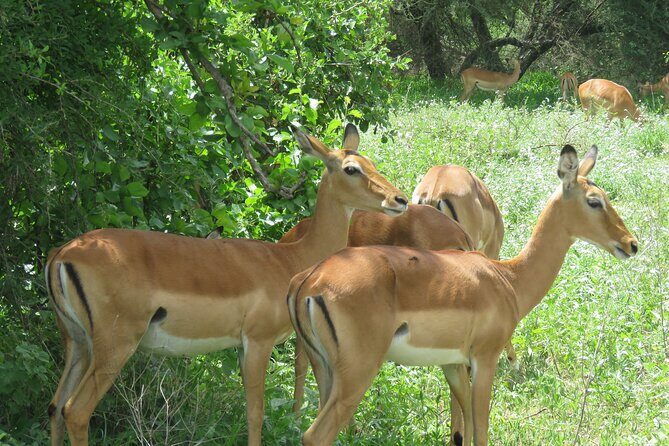
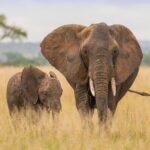
You’re likely to see elephants plus giraffes, buffaloes, lions, zebras, wildebeests/gnus, and other antelopes and gazelles. The park is also known for the feeling of space—less “zoo-like,” more like you’re working with the land and animals instead of fighting crowds.
Lunch is taken at a picnic spot during the day, and in the late afternoon you head to Lake Burunge Tented Camp, located outside the park, for your overnight.
A fair consideration: Tarangire day can move at safari speed. You’ll be out for wildlife viewing and then drive to camp. If you want a slower first day, you may feel the pace. On the other hand, if you like being efficient with time, this opening day sets the tone really well.
Serengeti Day Two and Day Three: Plains Wildlife and a Sunrise Drive
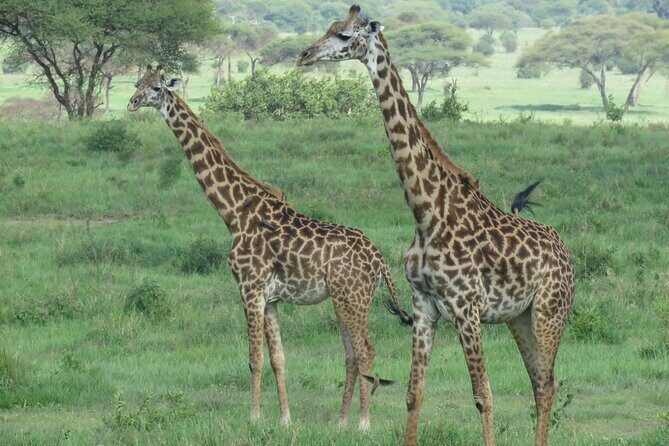
Serengeti doesn’t need extra hype. It’s the real deal, and this trip handles it in two different ways: an afternoon drive to settle in, then a full morning drive later for sunrise.
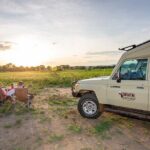
On Day Two, you depart from camp and aim for Serengeti in the afternoon. You’ll do a game drive across the vast plains and then settle into the campsite for dinner and sleep under the stars. This style is a good approach for group safaris because it keeps the “big drive days” manageable and gives you a predictable rhythm: drive, eat, sleep, repeat.
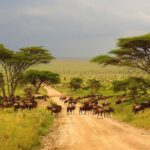
On Day Three, you wake up to Serengeti sounds and start with a morning game drive. Sunrise in the Serengeti isn’t just a photo moment—it’s often when animals show their routine: movements begin, predators scan, and herds shift with the light.
After the morning drive, you journey onward to the Ngorongoro Conservation Area and arrive by evening, with dinner and overnight at your campsite.
One practical note: these are long days in the bush. You’ll spend serious time inside the vehicle, and that can be tiring even if you’re excited. The good news is that the rhythm works—your days are structured around wildlife viewing windows rather than random stops.
Ngorongoro Crater Day Four: Big Game Chances in a Concentrated Setting
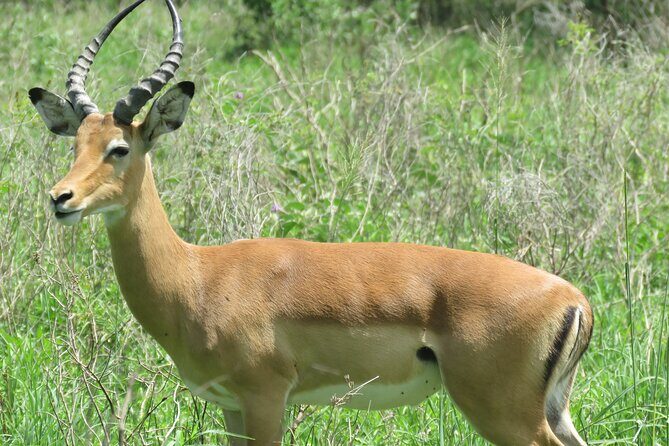
Day Four is the one people tend to talk about because the crater concentrates wildlife and views into a single day. After breakfast, you start your Ngorongoro crater tour with an expert guide.
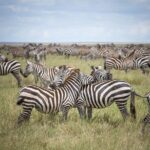
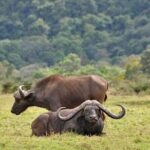
Here’s what you can realistically expect based on the route details: the crater is known for strong numbers of zebra and wildebeest, and you may even spot spotted hyenas. This isn’t about guaranteeing the big five on every departure. It’s about giving you a highly likely wildlife setting in a well-known ecosystem.
The admission for this day is listed as included, which is a nice cost-saver because crater access can add up. You’ll do the crater viewing, then ascend and return to dinner at your campsite for an overnight stay.
The consideration here is physical and time-related. Crater days tend to mean more movement and more time focusing on viewing from different points. If you’re sensitive to early schedules, long drives, or you prefer a slower pace, plan for that reality.
A few more Arusha tours and experiences worth a look
Lake Manyara on Day Five: Tree-Climbing Lions and Bird Time
The safari wraps with Lake Manyara National Park, which stands out for two reasons: it’s associated with tree-climbing lions and it also has vibrant birdlife. The park can feel different from the Serengeti and crater days because Manyara is a more varied experience in a single area—more bird-focused moments and different animal behavior patterns.
You get a full day exploring, then you travel back to Arusha in the afternoon. This is a good closing plan because you finish with something that can feel lighter and more varied after the long crater and plains focus.
If you’re hoping for a specific sighting like tree-climbing lions, remember that wildlife follows wildlife logic. What you can do is be ready to slow down and watch. Manyara rewards patient scanning and bird awareness, not just big-game chasing.
What’s Included (and What You’ll Need to Budget for)
This safari keeps the included list straightforward, which helps you plan.
Included highlights:
- 4×4 Toyota Safari Land Cruiser
- Mineral water: 3 liters per person per day
- All fees and taxes
- Meals: lunch (5), breakfast (4), dinner (4)
- Pickup offered
- Mobile ticket
A big practical point: the trip notes admission as free for most days, with Ngorongoro Crater admission included. That reduces surprise costs if you’re the type who hates last-minute paywalls.
Not included:
- International and domestic flights
- Tipping the guide and cook
- Visas
The tipping part isn’t just a line item. It’s also a reality of how safari operations work. If you go into the trip knowing tips aren’t included, you’ll avoid end-of-safari awkwardness.
Price Check: Is $1,610 Really a Good Deal?
For a five-day safari that hits several headline parks, $1,610 per person can be excellent value—especially because it’s framed as an affordable camping group safari with transport and many fees handled.
Here’s why the price works:
- You’re paying for multiple national park days rather than a single-park sampler.
- You get structured meals and water, which matters on long drive days.
- You’re not paying extra for many admissions since most are listed as free, with Ngorongoro specifically included.
Where you should keep expectations grounded:
- Camping-style lodging and shared logistics mean comfort is practical, not plush.
- A group format can affect how quietly you can settle in or how flexible you can be with timing if the group is large.
I’d call this price a good match for travelers who want Tanzania’s big parks without building a luxury budget into the trip.
Comfort and Food: Practical Camping-Style Reality
The trip uses camping-style overnights to stay affordable. That means you’re trading luxury rooms for a closer, more outdoorsy setup. You’ll still get dinner and breakfast as part of the meal plan, and lunches are included during the day.
On safari, food isn’t the main event—timing is. Having meals built into each day saves you from hunting for options in remote areas. Also, having enough water is a big deal when you’re in the vehicle and outdoors all day.
Based on the overall guidance style from past groups (including leaders like Moses and Eve), the experience tends to run smoothly and with a focus on finding animals efficiently. That can make the day feel more satisfying even if lodging is simple.
Guides Make the Difference: Moses, Eve, and Geofrey
One of the strongest signals from past departures is how much the guiding affects the safari mood. Guides such as Moses and Eve have been highlighted for being exceptional—able to find animals and keep the experience enjoyable rather than rushed or boring. Another guide named Geofrey has also been credited with an excellent experience and strong knowledge across Tarangire, Ngorongoro, and Manyara.
For you, that means the safari isn’t just about being in the right place. It’s about getting driven the right way within the parks—knowing where to look, how to read animal behavior, and how to adjust when the sightings aren’t where you expected.
Who This Safari Fits Best (and Who Might Prefer Something Else)
This is a great fit if you:
- Want an affordable way to visit Tarangire, Serengeti, Ngorongoro, and Lake Manyara
- Are okay with camping-style lodging
- Like a guided, structured safari rather than self-driving
- Prefer group energy, especially since you’ll meet other tourists and share the experience
It may not be ideal if you:
- Want a quiet, private feel
- Need a very comfortable lodging setup every night
- Get worn out by early mornings and long drive days
Quick Reality Check: Weather and Timing
This experience requires good weather. If it’s canceled due to poor weather, you’re offered another date or a full refund. That’s an important point for planning. Tanzania safaris depend on conditions, and flexibility helps you get the trip you came for.
Should You Book This 5-Day Group Camping Safari?
Yes, if your priority is classic northern Tanzania wildlife and you want to keep the budget under control. The route is smart—Tarangire to Serengeti plains to Ngorongoro’s crater density to Manyara’s bird-and-lion style finish. The included transport, meals, and most admissions add up to real value for the money.
I’d book this if you like being with a group, don’t mind camping-style nights, and you want guides who put time into spotting animals rather than just ticking off stops.
If you’re hoping for a very cushy, private safari with lots of downtime, you’ll likely feel underwhelmed. But if you want an efficient wildlife-focused trip that stays affordable, this is exactly the type of safari that delivers.
FAQ
Where does the safari start in Arusha?
The start point is Shoppers Supermarket in Arusha, Tanzania. Pickup is offered.
What time does the tour start?
The safari has a stated start time of 6:00am.
How long is the safari?
It’s listed as 5 days (approx.).
What parks will I visit?
You’ll visit Tarangire National Park, Serengeti National Park, Ngorongoro Crater (Ngorongoro Conservation Area), and Lake Manyara National Park.
Is the safari camping style?
Yes. The trip is designed as a budget camping safari, and you’ll have campsite overnights. One overnight mentioned is Lake Burunge Tented Camp outside Tarangire.
What meals are included?
The included meals are lunch (5), breakfast (4), and dinner (4).
Is water included?
Yes. It includes 3 liters of mineral water per person per day.
Are park admissions included?
Most days list admission as free, and Ngorongoro Crater admission is included.
What is not included in the price?
Not included are international and domestic flights, visas, and tipping the guide and cook.
What happens if the safari is canceled due to weather?
The experience requires good weather. If it’s canceled due to poor weather, you’ll be offered a different date or a full refund.