REVIEW · ARUSHA
2 Days Tarangire and Ngorongoro Safari from Zanzibar
Book on Viator →Operated by Jairos Adventure · Bookable on Viator
Wildlife in two days, real and close.
This Tarangire and Ngorongoro safari is the kind of trip that moves fast but still feels focused: you get classic savannah driving in Tarangire, then drop into the world-famous Ngorongoro Crater for big mammals and the chance to see the endangered black rhino. I like how the plan is built around you being out in the field most of the day, not stuck waiting.
My other big plus is the comfort setup for a short safari: an open-roof 4×4 for viewing and photos, plus meals and camping/tent comfort handled under the program. One thing to consider is that the price is high for a 2-day itinerary, and flights to Arusha are not included—so your total cost depends on your Zanzibar–Arusha flight timing and any pre-tour plans.
In This Review
- Key things to know before you go
- The big idea: why Tarangire + Ngorongoro works in 2 days
- Price and value: what you’re really paying for
- The day-to-day flow: Zanzibar to Arusha to the bush
- Tarangire National Park: golden savannah and river-watching for game
- What I’d focus on during your Tarangire drive
- Lunch with a view: why picnic timing matters
- Ngorongoro Conservation Area: stepping into the crater world
- Open-roof 4×4 viewing in the crater
- The hippo pool lunch: the most unusual meal moment
- Guides and on-the-ground quality: what you can hope for
- Accommodation and camping comfort: tents, mattresses, and clean gear expectations
- What you should pack for real comfort
- Small group size: up to 20 travelers for a more personal rhythm
- Safety and support you should pay attention to
- What this tour is best for
- Should you book this safari from Zanzibar to Arusha?
- FAQ
- What is the duration of the safari?
- Where does the safari start and end?
- Is pickup included?
- Are flights included?
- What’s included in the price?
- Is tipping included?
- How many people are in the group?
- What kind of vehicle will you ride in?
- What level of fitness is needed?
- Are there any weather-related cancellation details?
- What are the operating hours?
Key things to know before you go
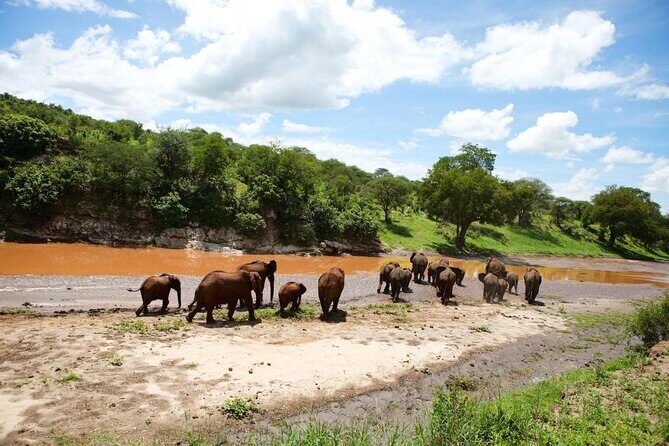
- Two parks, one rhythm: Tarangire for river life and animals close to water, then Ngorongoro for crater wildlife.
- Open-roof 4×4 game viewing: better sightings and photos without guessing where the animals are.
- Black rhino possibility: Ngorongoro is also where you’re most likely to be searching for this rare species.
- Meal + picnic timing: lunch is planned as a break while you’re still near the action (including the hippo pool area in Ngorongoro).
- Safety support included: AMREF Flying Doctors air ambulance service and 24/7 phone support are part of the package.
- Small group cap: up to 20 travelers, which helps keep the days from feeling like a cattle-call.
The big idea: why Tarangire + Ngorongoro works in 2 days
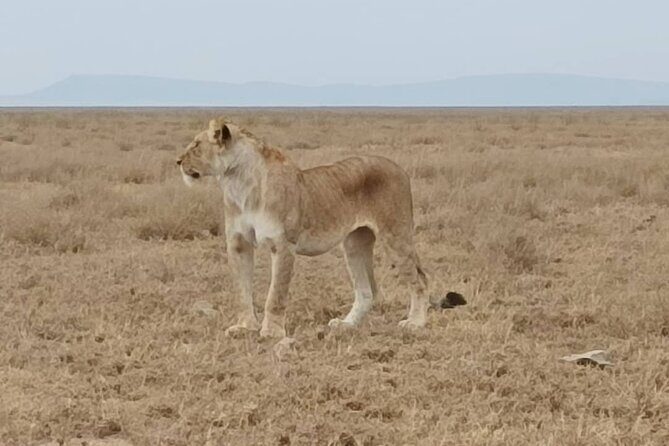
If you’re short on time but still want real safari payoff, this pairing makes sense. Tarangire is a park of animals anchored to the Tarangire River, especially in dry season when water gets scarce. Ngorongoro is different: it’s a massive volcanic crater that traps a whole ecosystem in one bowl, which means you can spot a lot in a single day.
The best part of a tight itinerary is focus. Instead of chasing every park on the map, you get to do two “greatest hits” drives with enough time to enjoy the rhythm: morning scanning, midday breaks, then more scanning when animals are active and light is shifting.
A few more Arusha tours and experiences worth a look



Price and value: what you’re really paying for
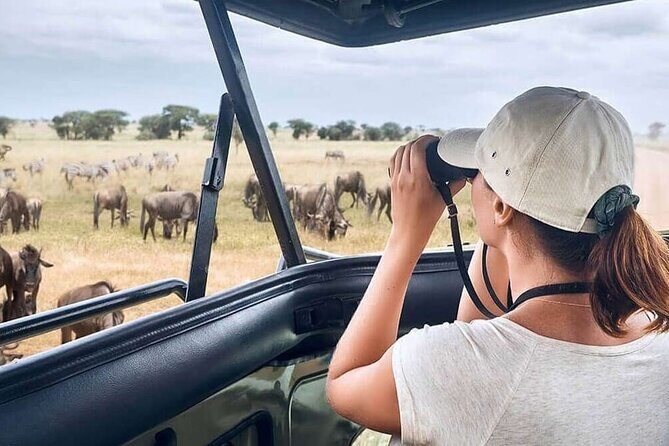
At $2,167 per person, this isn’t a budget safari. But for a two-day trip that includes private transport, a 4×4 safari vehicle with an open roof, park-related fees and taxes (with one note on possible increases), guide time, and meals, the pricing starts to look less random.
Here’s how I’d think about value:
- Transportation quality matters. An open-roof 4×4 is built for animal viewing. It changes what you see compared with cramped seating and blocked sightlines.
- Food and water are covered. You’re not hunting for meals after long drives.
- Safety support is included. AMREF Flying Doctors air ambulance service is a real-world comfort on a remote trip.
- Accommodation is handled under your program. This is a big deal because camping safari logistics can get complicated fast when you’re doing it yourself.
What raises the total budget: flights are not included, and tips for the safari guide are not included (listed as $30–$50 per car per day). Also, park fee increases where applicable may cost extra. If you’re already flying in-country, your total may feel closer to “fair.” If you still need to line up flights and add pre-trip nights, it can climb.
The day-to-day flow: Zanzibar to Arusha to the bush
The schedule is designed around flights from Zanzibar. You’re picked up from your accommodation, then transferred to Zanzibar Airport to catch a flight to Arusha either late afternoon or early morning after breakfast. From Arusha, it’s about a two-hour drive to Tarangire National Park.
That first transit day matters more than people expect. Early flights can mean a very short sleep window. Late flights can mean you’ll start the safari with a bit of fatigue. Either way, plan your expectations: this is a do-it, see-it trip, not one where you stretch out with extra recovery time between legs.
Also note: the package offers the option for accommodation before the tour starts for an extra cost, which can help if your arrival schedule is messy.
Tarangire National Park: golden savannah and river-watching for game
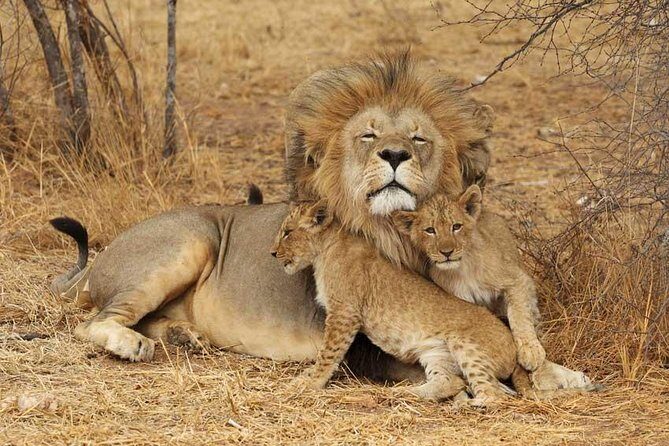
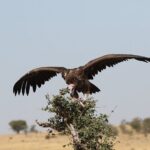
Tarangire is often described as a birding destination, and it earns that reputation. But on this safari, the headline is the river system. When the Tarangire River is the key water source, animals concentrate. That’s when sightings get more consistent—and your guide can build routes that put you near feeding and watering rhythms.
What I’d focus on during your Tarangire drive
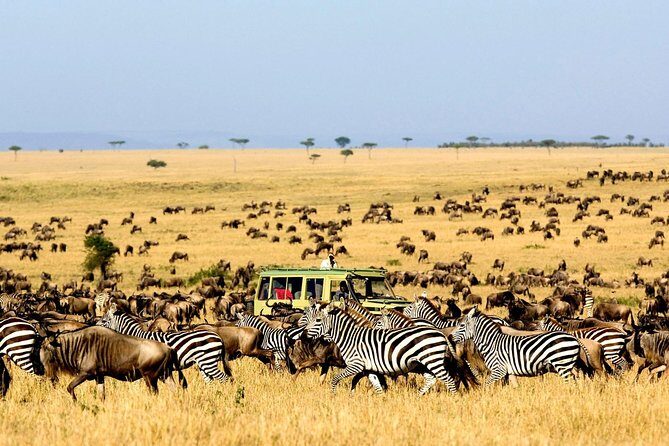
The drive is done in an open-roof 4×4, which is ideal for scanning tree lines, grass edges, and riverbanks without constantly repositioning. You’ll be moving through endless golden savannah while the river acts like a magnet for wildlife.
Keep your eyes open for:
- animals moving in small clusters (often a sign of routine movement between water and grazing)
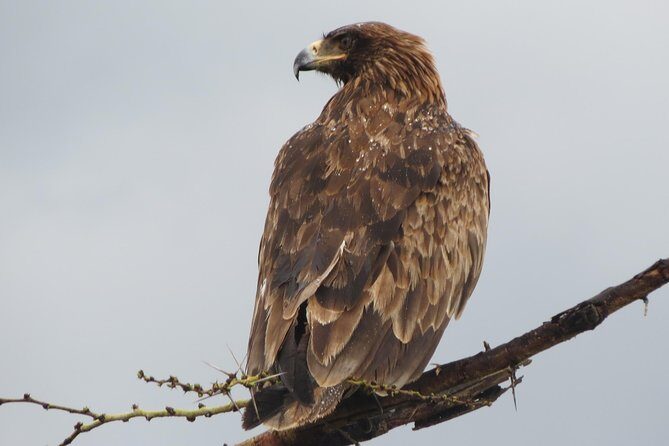
- birds changing behavior as light shifts (often easiest early or late)
- the way vegetation changes the view—your guide will likely steer to viewpoints that reduce the “guessing distance”
A few more Arusha tours and experiences worth a look
Lunch with a view: why picnic timing matters
You’ll have a picnic lunch with a view of the Tarangire River. It’s more than a meal break. It’s a “pause and observe” moment: you can spot animals without the pressure of moving every few minutes.
This is one of the small things that makes a 2-day safari feel longer and more memorable—when the day includes a real pause, your brain stores the scenery and animal sightings better.
Ngorongoro Conservation Area: stepping into the crater world
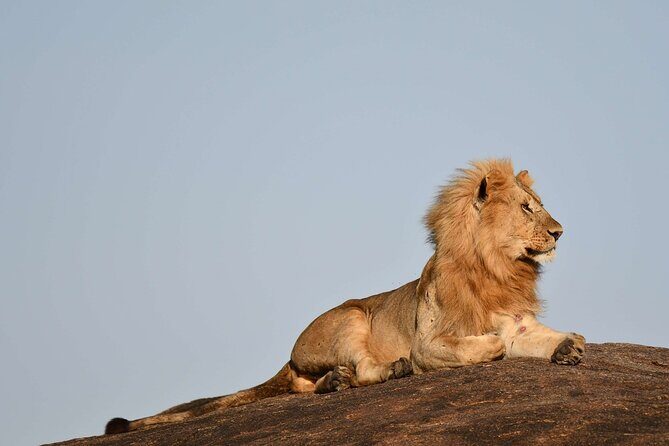
Next morning, after breakfast (prepared by your chef), you head to Ngorongoro. This area is famous for its volcanic crater setting and the density of animals within it.
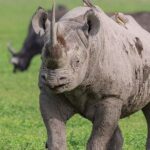
Ngorongoro is also where the trip can pay off in a very specific way: you have a chance at the endangered black rhino. That doesn’t mean you’ll guarantee a sighting—safari is always weather and animal-behavior dependent—but it’s the park where your search efforts have the highest odds.
Open-roof 4×4 viewing in the crater
Inside the crater, you’re driving in comfort designed for viewing. The open-roof setup helps you see animals in the distance and at mid-range without turning your head like a gymnast. You’ll be able to photograph and observe big mammals as they move between grazing spots.
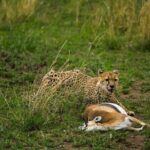
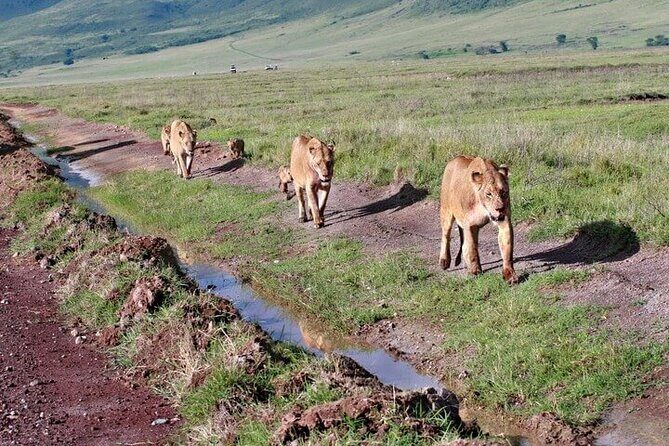
What makes the crater special is how quickly the scene can change. One stretch you’re scanning plains and herds; another stretch you might suddenly notice predators in the grass or animals pausing in a way that makes their shapes easier to pick out.
The hippo pool lunch: the most unusual meal moment
One of the most memorable details in the program is that you’ll enjoy your picnic lunch by the hippo pool in Ngorongoro. Yes, it’s exactly as strange and cool as it sounds: you’re eating close to one of the most distinctive water-breather scenes in Africa.
Practically, this changes your whole mindset for lunch. Instead of lunch being a break from wildlife, it becomes wildlife-adjacent time. It’s also a good time to slow down, look for subtle behavior, and let your eyes adjust to the light inside the crater.
Guides and on-the-ground quality: what you can hope for
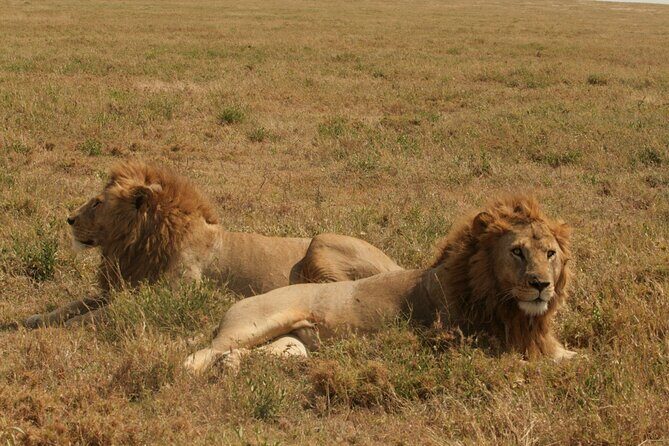
The safari guide is listed as experienced and English-speaking. That matters because in a short itinerary, you don’t have time for vague explanations. A good guide helps you:
- locate animals efficiently
- interpret animal behavior
- understand when to wait and when to move
The names Paul and Herman show up in the provided feedback, and they’re described as excellent—Paul for driving and Herman as an animal expert. I also like that the operator has been praised for a smooth booking experience via WhatsApp, since that’s a practical tool when you’re coordinating Zanzibar-to-Arusha timing.
Accommodation and camping comfort: tents, mattresses, and clean gear expectations
This safari includes camping-style gear: camping, tents, mattresses, and water (1.5 bottles per day). That’s an important distinction. You’re not getting “roughing it” with nothing. You’re also not paying for a lodge experience every night.
In the feedback tied to this operator, camping gear is described as super clean, and lodges on other safari lengths are described as comfortable. Even if your exact setup depends on your specific program details, it’s a strong sign that cleanliness and comfort aren’t treated as optional.
What you should pack for real comfort
The data doesn’t list packing items, but given tents and crater days, you should plan for:
- warm layers for early and evening air
- sun protection for long drives and open-roof viewing
- good closed-toe shoes for day comfort around campsite areas
If you’re the type who gets cold easily, bring layers. If you’re comfortable in the cold, you’ll still benefit from being prepared.
Small group size: up to 20 travelers for a more personal rhythm
This safari caps at 20 travelers. On paper that sounds small. In practice, it means your day is less likely to feel chaotic. You’re still sharing roads and viewpoints with other safari vehicles in the parks, but your internal group stays manageable.
The result is a better rhythm: more time actually driving and viewing, less time wrangling people and waiting around.
Safety and support you should pay attention to
Two items here are genuinely worth noting because they’re not just marketing fluff:
- 24/7 phone support
- AMREF Flying Doctors air ambulance service
On a safari, accidents can happen. Remote areas can turn “small problems” into long delays. Knowing air ambulance coverage exists can reduce a lot of stress before you even reach the parks.
Weather also matters. The experience states it requires good weather, and if it’s canceled for poor weather, you’ll be offered a different date or a full refund.
What this tour is best for
This is a strong match if you:
- want big wildlife focus in a short time
- are okay with a camping-style setup with tents and mattresses
- want private transportation and an open-roof safari vehicle
- like the idea of a crater day with a realistic shot at rare species like black rhino
It’s less ideal if you:
- hate early starts tied to flight schedules
- need a fully lodge-based, high-comfort hotel experience
- want a “wander at your own pace” trip (this is driven and scheduled)
Should you book this safari from Zanzibar to Arusha?
I think you should book if your priority is classic northern Tanzania wildlife within 2 days and you value real field time. The combination of Tarangire’s river-driven sightings plus Ngorongoro’s crater density gives you a high chance of memorable moments without needing a week off work.
Before you click confirm, do a quick reality check:
- Factor in your flights to Arusha, since they’re not included.
- Budget for tips for the guide ($30–$50 per car per day).
- If you want extra comfort before the safari starts, ask about the optional pre-tour accommodation.
- Pack for long open-roof viewing days and colder morning/evening temperatures.
If those boxes fit your style, this is a solid, well-built safari plan with serious support behind it.
FAQ
What is the duration of the safari?
It’s listed as approximately 2 days.
Where does the safari start and end?
It starts in Arusha, Tanzania and ends back at the meeting point.
Is pickup included?
Yes. The plan includes airport collection, and there is pickup offered from your accommodation for the transfer to Zanzibar Airport for your flight.
Are flights included?
No. Local and international flights are not included, including flights to Arusha.
What’s included in the price?
The package includes all fees and taxes, private transportation, an open-roof 4×4 safari vehicle, tent camping setup (tent and mattress), meals (breakfasts, lunches, dinners), and 1.5 bottles of water per day, plus accommodation under the program, 24/7 phone support, and AMREF air ambulance service.
Is tipping included?
No. Tips for the safari guide are not included (listed as $30–$50 per car per day).
How many people are in the group?
The tour has a maximum of 20 travelers.
What kind of vehicle will you ride in?
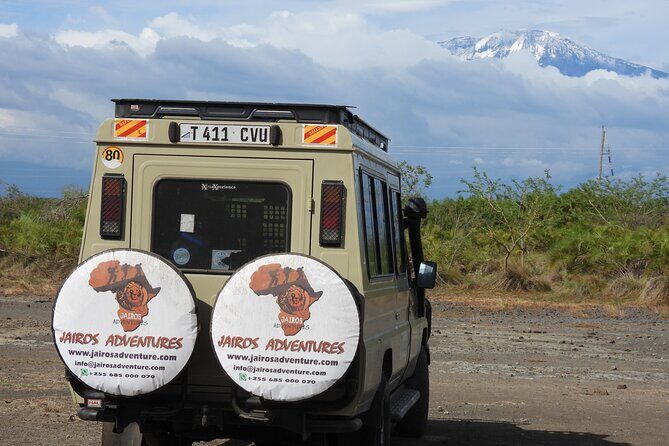
You’ll ride in a 4×4 land cruiser with an open roof for safari viewing.
What level of fitness is needed?
Travelers should have a moderate physical fitness level.
Are there any weather-related cancellation details?
The experience requires good weather. If canceled due to poor weather, you’ll be offered a different date or a full refund.
What are the operating hours?
The listed opening hours are Monday to Friday, from 8:00 AM to 6:00 PM.
Would you like me to tailor a packing checklist for this exact 2-day plan (hot days vs cooler crater mornings), assuming you’ll be traveling in which month?