REVIEW · ARUSHA
2 Day Budget Safari in Tarangire and Ngorongoro From Arusha
Book on Viator →Operated by VISION SAFARI & TOURS · Bookable on Viator
Big Five in two days? That can work here. I love how Tarangire stacks the odds with huge elephant numbers and baobabs, and I love the Ngorongoro crater descent for serious wildlife viewing. One thing to consider: it starts early (6:00 am) and the schedule is tight, so you’ll be in the vehicle a lot.
This trip is also built around getting you moving with a professional driver/guide, plus convenient planning details like pickup offered and a mobile ticket. Guides named Asaad, Omary, and Kelvin have been singled out for being friendly and using clear English, which matters when you’re trying to spot animals fast.
For food, you’re not on your own. Dinner, breakfast, and two lunches are included, including a picnic near Hippo Lake—an easy win for a budget safari. The main drawback is that this is a true budget format, so you should plan to bring your own tips for the driver/guide and cook, since those are not included.
In This Review
- Key Reasons This Budget Safari Works (Tarangire + Ngorongoro)
- Two Days in Tarangire and Ngorongoro: What the “Budget” Label Really Means
- Day 1 in Tarangire National Park: Elephants, Baobabs, and Hippo Lake Lunch
- Hippo Lake picnic: why it’s more than just lunch
- The practical drawback of Day 1
- Day 2 in Ngorongoro: Crater Descent, Big Five Chances, and Bird Watching
- Big Five focus in a compact day
- Bird watching and why it’s a smart add-on
- Scenic viewpoints: get your camera ready
- Price and Value for $500: What You’re Getting, and What Budget Format Costs You
- Getting In and Out of Arusha: 6:00 am Start and Small-Group Comfort
- Food, Pace, and Comfort: Dinner, Breakfast, Two Lunches, and the Reality of Safari Days
- Guides and Organization: When Communication Matters
- Who This 2-Day Safari Fits Best (and Who Should Rethink It)
- Should You Book This Safari? My Call
- FAQ
- How long is the safari?
- What parks does this safari include?
- What time does the tour start in Arusha?
- Is pickup offered from Arusha?
- How many travelers are in the group?
- What’s included in the price?
- What is not included?
- Are admission tickets included?
- What happens if I cancel?
Key Reasons This Budget Safari Works (Tarangire + Ngorongoro)
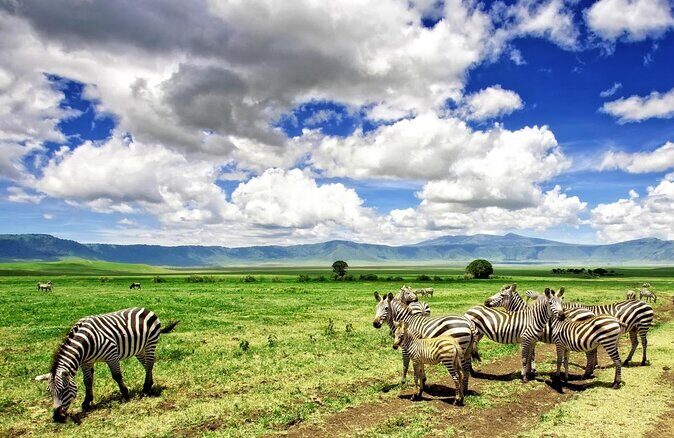
- Elephants and baobabs in Tarangire: you’re in the park known for huge elephant concentrations and iconic tree silhouettes.
- Crater-game-drive format in Ngorongoro: crater walls, changing habitats, and a Big Five target in one day.
- Bird time is not an afterthought: you get a bird-watching stop plus a bird-rich crater setting.
- Small group size (up to 6): more room to move, less chaos in the vehicle, and easier guide attention.
- Guide quality shows up in real feedback: names like Asaad, Omary, Shaban, and Kelvin come up as strong drivers and storytellers.
- Meals are actually included: dinner + breakfast + two lunches helps keep the trip feeling complete.
Two Days in Tarangire and Ngorongoro: What the “Budget” Label Really Means
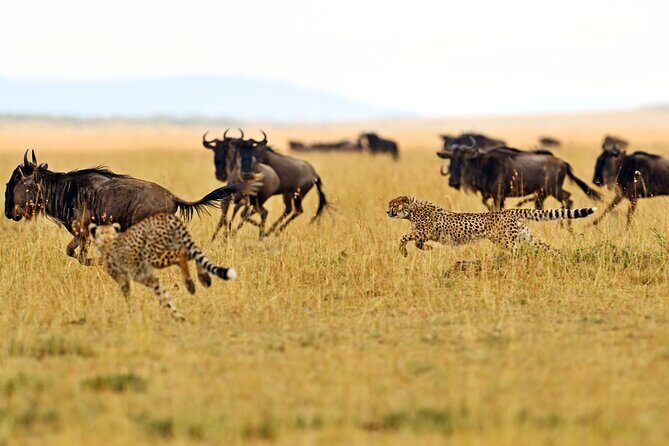
This safari is sold as budget, but it doesn’t feel like a half-trip. You’re still going to the big, classic targets: Tarangire National Park for elephant-and-baobab viewing, and Ngorongoro Conservation Area for the crater system that acts like a natural wildlife theater.
What you’re paying for at this price is time in the parks with a driver/guide, plus meals and core logistics like parking fees. What you’re not paying for is the extra padding that some pricier safaris include—like lots of lodge nights, airport transfers, or airport-side help if you’re arriving late.
That trade-off is fine if you’re the type who wants to see wildlife first and fuss later. If you want a slow, lounge-style holiday, you’ll feel the early start and packed days.
The good news: you’re capped at 6 travelers, so this isn’t a bus tour. It’s usually easier to get onto a good viewing spot and keep the group together when you’re not negotiating with a crowd.
A few more Arusha tours and experiences worth a look
Day 1 in Tarangire National Park: Elephants, Baobabs, and Hippo Lake Lunch
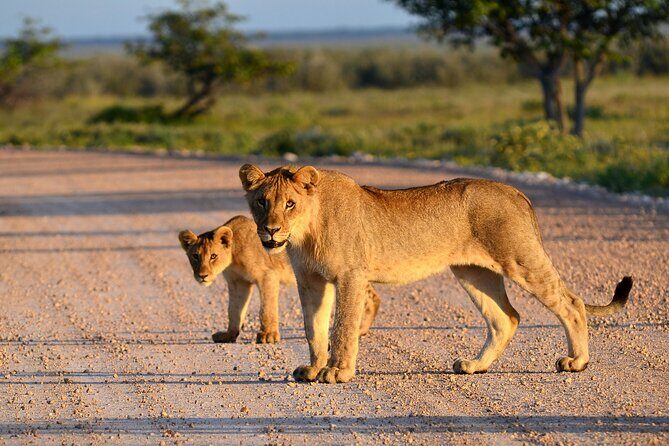
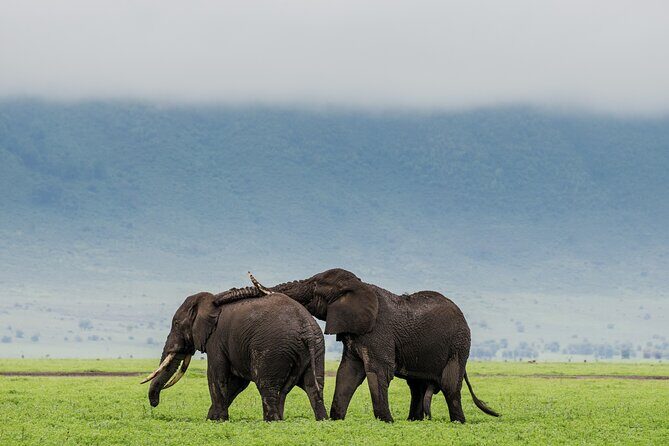
Tarangire is the kind of park that makes you look up from your phone and stop talking for a minute. It covers almost 3,000 square kilometers, and it’s famous for two things: elephants and baobab trees. The name itself comes from the Tarangire River, which crosses the park—and during the dry season (June to November), wildlife gathers heavily because water is harder to find.
That matters because your first day is structured for repetition and range:
- You start with a drive into Tarangire, then you go out for a long game drive window.
- You get a picnic lunch timed around noon near Hippo Lake.
- You get multiple hours in the same park, which is a big deal for spotting animals. One short drive can feel like luck. A longer day shifts it toward skill (and patience).
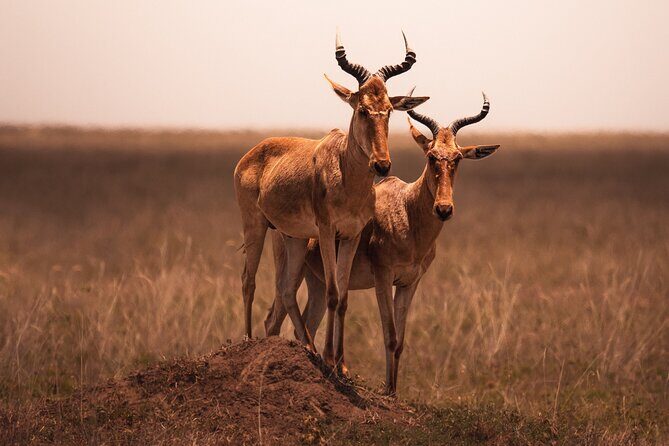
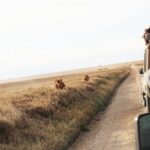
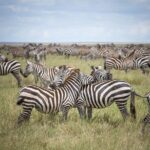
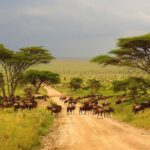
During the game drive, Tarangire’s roster is strong and varied. You can expect chances for zebra and wildebeest, giraffe, waterbuck, baboons, and impala. Predators like lions, cheetahs, and leopards are also listed as common sightings, which is exactly what you want to hear when you’re planning a short safari.
Hippo Lake picnic: why it’s more than just lunch
Lunch near Hippo Lake is one of those details that turns a drive into a memory. You’re not just eating in the vehicle. It’s a specific stop, at a known location inside the park area, right around the middle of the day. For a budget itinerary, that’s smart—food is included, and you’re not losing the day to scavenging or decision-making.
Bring what helps you enjoy the stop: sun protection, water, and anything you need to stay comfortable during a midday pause. The exact weather isn’t listed, but the timing and outdoor lunch setup mean you’ll want to be ready.
The practical drawback of Day 1
Your day in Tarangire is long, and you’ll be in a vehicle with frequent stops. That’s normal for safari. Just know it’s not a “walk around town and see a few animals” day. It’s a game-drive day. If you’re prone to motion sickness, plan for that, and bring what works for you.
Day 2 in Ngorongoro: Crater Descent, Big Five Chances, and Bird Watching
Ngorongoro is one of the world’s most famous natural settings, and your schedule reflects that. You drive to the Conservation Area after breakfast, descend into the crater for a game tour, and spend time on crater floor viewing—plus a bird-focused stop and scenic viewpoints.
Here’s what makes the crater special: it’s described as the largest intact crater in the world, formed from a volcanic eruption about 2 million years ago, with crater walls creating a natural enclosure. The crater floor includes several habitat types—acacia forest, hippo-filled swamps, open grasslands, and even a soda lake. That mix is why Ngorongoro can carry big wildlife numbers, listed as over 30,000 animals across habitats.
A few more Arusha tours and experiences worth a look


Big Five focus in a compact day
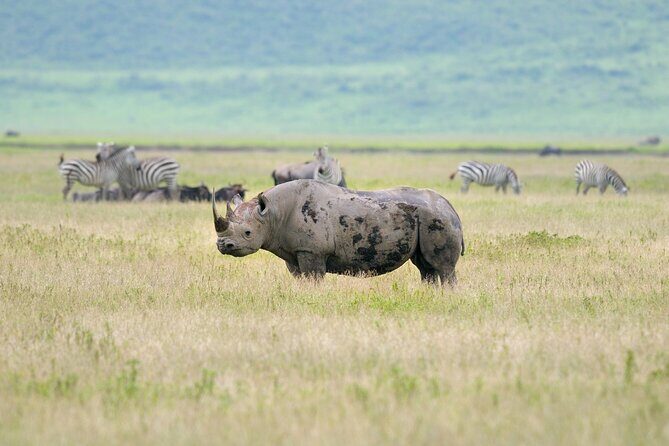
The Ngorongoro crater segment is your main attraction, with the “Big Five” called out clearly: lion, elephant, buffalo, leopard, and rhinoceros.
Realistic expectation tip: in a two-day safari, you’re not guaranteed to tick every box. But this itinerary is built to give you real shot time in one of the best areas to look for them—especially because you’re in the crater system itself, not just passing views from above.
Bird watching and why it’s a smart add-on
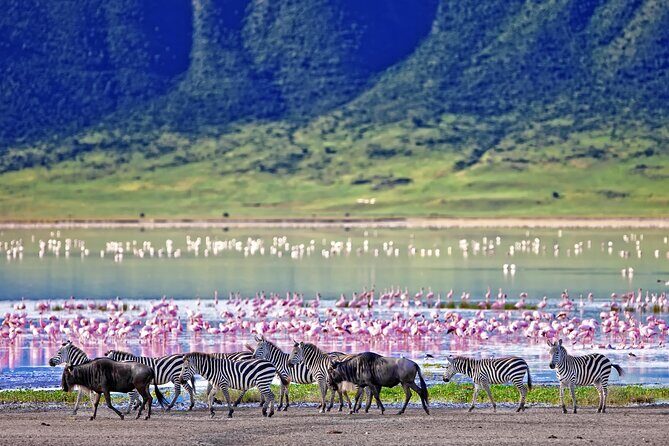
You also get a bird-watching stop. Ngorongoro is described as a paradise for birdwatchers, with flamingos, ostriches, eagles, and many other species listed as possible sightings.
This is more valuable than it sounds. When your priority is Big Five sightings, it’s easy to feel like every minute must produce a lion photo. Bird time helps you enjoy the day even if the big mammals are moving slowly. Also, the crater habitats shift quickly, so the bird list tends to feel lively.
Scenic viewpoints: get your camera ready
The itinerary includes scenic viewpoints across the Conservation Area, especially overlooking the crater. You’ll get those wide views that help you understand what you’re seeing during the game drive below. They’re also great for photos and for getting your bearings fast when you’re thinking, Wait—this is a crater? It feels almost surreal the first time you really see it.
Price and Value for $500: What You’re Getting, and What Budget Format Costs You
At $500 per person for about 2 days, the value comes from two places: park time and inclusions.
You’re paying for:
- a professional driver/guide
- dinner and breakfast
- lunch (listed as two lunches)
- parking fees
- pickup offered and a planned start time
That’s a lot of the “core cost” that can inflate a safari. Many budget travelers get hit with separate charges once they’re on the ground. Here, meals and key logistics are already part of the package.
What you’re not paying for:
- international flights
- tips for the driver/guide and safari cook
- extra accommodation before and after the tour
- round trip airport transfer
- personal expenses, including souvenirs and travel insurance, plus visa fees
So the budget trade-off is simple: this package is designed to be affordable, not full-service. You’ll still have a great safari, but you need to handle your own extra nights and travel legs around Arusha.
If you want the smoothest experience, make sure your Arusha arrival timing matches the 6:00 am start. Otherwise you risk paying for an extra night anyway, which eats into the budget advantage.
Getting In and Out of Arusha: 6:00 am Start and Small-Group Comfort
The tour starts in Arusha, Tanzania, and it ends back at the meeting point you start from. Pickup is offered, and the group maximum is 6 travelers.
That small group cap can quietly improve everything:
- less crowding during stops
- better chances to hear your guide in the vehicle
- fewer compromises when you want to get a photo at an angle
Also, the early start (6:00 am) matters for wildlife viewing. Animals tend to be more active earlier in the day, and it’s a common pattern for safari schedules. Even if you don’t love mornings, this timing is part of why the trip can cover two major areas in just 2 days.
The itinerary lists admission tickets as free in the schedule. That strongly suggests park entry is covered as part of the package, at least for the planned stops. Still, if you want total confidence, verify what’s included for your specific booking before you arrive.
Food, Pace, and Comfort: Dinner, Breakfast, Two Lunches, and the Reality of Safari Days
Food is included: dinner, breakfast, and two lunches. For a short safari, this is a big deal. You’re not spending your day trying to hunt for snacks or paying extra for every meal between game drives.
The picnic lunch near Hippo Lake adds variety. Lunch in a scenic spot can help you stay focused during the afternoon viewing time, and it prevents the classic safari problem where everyone gets grumpy because they’re hungry and it’s a long drive.
Pace-wise, expect a “see more by moving more” style itinerary:
- Day 1 is a full day game drive at Tarangire with a structured lunch stop.
- Day 2 is a crater descent and game tour, plus extra time for bird watching and viewpoints.
If you’re the kind of traveler who likes to stretch legs and then do a museum stop, this is not your format. If you love wildlife viewing and can handle a long day with stops, it fits well.
Comfort is supported by the professional driver/guide and parking fees being covered. That’s not a luxury lodge setup, but it’s what keeps the wheels turning and the schedule on track.
Guides and Organization: When Communication Matters
The experience is provided by VISION SAFARI & TOURS, and several guide names show up in strong feedback. Asaad is praised for having everything you need and making the experience run well. Omary is noted for sharing stories and animal experience. Kelvin is highlighted as a standout guide. Shaban is also mentioned in the context of organizing the trip.
What I take from that pattern is that the guiding isn’t only about driving. It’s about spotting animals, sharing context, and keeping the day feeling calm even when you’re dealing with wild places and changing conditions.
Even the practical planning details matter—confirmation at booking and mobile tickets help reduce last-minute stress. And since the reviews emphasize responsiveness and reliability, I’d treat this as a tour where communication before departure is a strength, not an accident.
Who This 2-Day Safari Fits Best (and Who Should Rethink It)
This safari is a great fit if you:
- want Tarangire plus Ngorongoro in one short trip
- prefer a small group (up to 6) rather than a large crowd
- like the idea of Big Five chances but also enjoy elephants, predators, and birds
- care about having meals included so you can focus on the wildlife
It may be less ideal if you:
- need a relaxed pace with minimal early mornings
- dislike long vehicle time
- want extra hotel nights or airport transfers handled (those aren’t included)
If you’re planning your broader Tanzania trip, this works especially well as a core wildlife segment from Arusha. Just plan your other legs carefully so you don’t get stuck paying for extra accommodation due to timing.
Should You Book This Safari? My Call
I’d book this if your goal is classic northern Tanzania wildlife in a time-efficient, budget-friendly way. Tarangire’s elephants and baobabs are a strong start, and Ngorongoro’s crater setting is exactly where you want to spend your Big Five time.
I would hesitate only if you hate early starts or you need a lot of downtime between activities. The itinerary is active, and it’s designed to fit two major parks into two days.
If you do book, do two smart things:
- confirm your pickup details and meeting point timing so the 6:00 am start doesn’t surprise you
- plan for tips and any extra items you’ll need, since those aren’t included
FAQ
How long is the safari?
It’s scheduled for 2 days (approximately).
What parks does this safari include?
You’ll visit Tarangire National Park and Ngorongoro Conservation Area (including the Ngorongoro Crater).
What time does the tour start in Arusha?
The start time listed is 6:00 am.
Is pickup offered from Arusha?
Yes, pickup from your hotel is offered, and the meeting point is in Arusha, Tanzania.
How many travelers are in the group?
The maximum group size is 6 travelers.
What’s included in the price?
Dinner, breakfast, parking fees, a professional driver/guide, and lunch (2) are included.
What is not included?
International flights, tips for the driver/guide and safari cook, extra accommodation before and at the end of the tour, round trip airport transfer, and personal items (like souvenirs and visa fees) are not included.
Are admission tickets included?
Admission tickets are listed as free in the itinerary stops, for the planned park viewing segments.
What happens if I cancel?
This experience is non-refundable and cannot be changed for any reason.