REVIEW · ARUSHA
3 days to Serengeti NP and Ngorongoro Crater Tour in Tanzania
Book on Viator →Operated by Safari G.O.A.T.S · Bookable on Viator
You can feel Tanzania’s scale in every mile. This 3-day Serengeti and Ngorongoro tour packs big-cat country and crater wildlife into a tight schedule, with a small group and park fees handled. I like how it starts early from Arusha, then turns those long drives into actual game viewing, not just transit time.
Two things I especially like: you get real time in Serengeti’s southern/central plains (including the Seronera Valley area) and you spend the night at Simba Campsite near Ngorongoro, so the crater day starts right. One thing to consider: you’re going to do long stretches in the vehicle and sleep in camping-style conditions, so comfort lovers should set expectations early.
In This Review
- Key Highlights Worth Noting
- Three Days, Two Icons: Serengeti to Ngorongoro in One Move
- Day 1: Arusha to Southern Serengeti via Ngorongoro Gate
- Day 2: Half-Day Serengeti + The Road Into Ngorongoro
- Day 3: Early Crater Descent for Black Rhino (and the Big-View Payoff)
- How the Guide (and Vehicle Time) Changes Your Odds
- Price and Value: What the $800 Covers
- Camping at Simba Campsite: The Good Tradeoff
- Best-Fit Traveler: Who This Tour Serves Well
- Practical Tips to Make Your Safari Day Go Smooth
- Should You Book This Serengeti and Ngorongoro 3-Day Safari?
- FAQ
- How long is the 3-day Serengeti and Ngorongoro tour?
- What time does the tour start in Arusha?
- Does the tour include park fees?
- What’s included in the price?
- What is not included?
- Where do we sleep overnight?
- Is black rhino part of the plan?
- Can I cancel for a refund?
Key Highlights Worth Noting
- Small group size (up to 7 people): easier conversation with your English-speaking guide and less crowding at key stops.
- Serengeti game drive timing: half-day game drive plus an on-the-road viewing day to stretch your chances.
- Ngorongoro crater descent early: you start hunting for black rhino before the day gets hot and sightings get harder.
- Simba Campsite overnight: you avoid a long back-and-forth and wake up close to the crater.
- Park fees included: the $800 price is less of a puzzle when you get to the gate.
- Hippo habitat stop in Serengeti: a nice change of pace from big-plains grazing and acacia scenery.
Three Days, Two Icons: Serengeti to Ngorongoro in One Move
This safari is built for one goal: seeing two of Tanzania’s most famous ecosystems in just three days, starting from Arusha. The route is practical—get you to the southern Serengeti first, then shift into the Ngorongoro Conservation Area and stay overnight near the crater.
The value here is in how the days are structured. You’re not just transferring between parks; you’re doing game drives on the way, and you’re spending enough time in each place to feel the difference. Serengeti is wide-open plains with dotted acacia and famous granite outcrops (those kopjes). Ngorongoro is a crater world—animals tend to be concentrated on the floor, and your crater descent changes the whole viewing angle.
A few more Arusha tours and experiences worth a look
Day 1: Arusha to Southern Serengeti via Ngorongoro Gate
Your day starts early. After breakfast around 7:30 am, you’re picked up at about 8:00 am, and then you’re looking at roughly a 6-hour drive (about 335 km) toward the southern part of Serengeti via Ngorongoro Gate. That is a lot of road time, but it’s also the price you pay for fitting both parks into one trip.
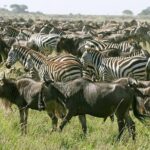
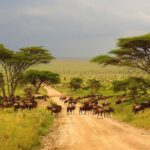
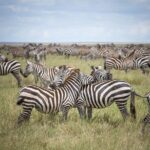
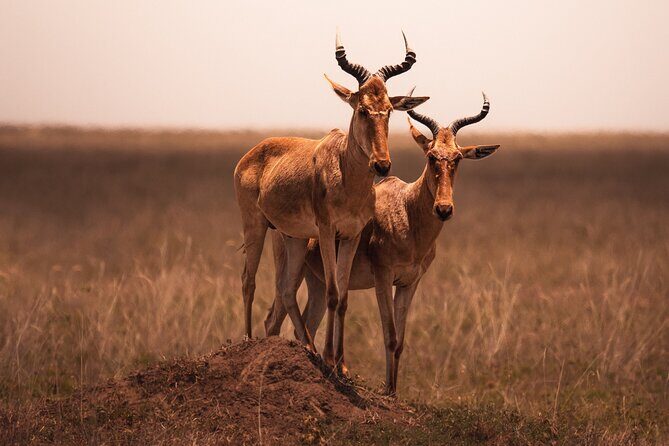
Once you arrive, the tour focuses on the part of Serengeti that many first-timers find most visually striking: endless plains where wildlife can look like they’re everywhere at once. In the southern area, the savannah grassland supports grazing animals all year. You’ll be on the lookout for species like wildebeest, zebra, hartebeest, waterbuck, Grant’s and Thomson gazelles, and impala.
Then you move into the Seronera Valley area, which is known for scattered acacia and kopjes—those rocky hills that Maasai call out as memorable landmarks in the plain. Practically, kopjes are good for wildlife spotting because animals often use the rocks for cover or vantage points. If you like photography, this is the kind of landscape where your eyes don’t know where to land first: grass, trees, rock shapes, and moving animals all at once.
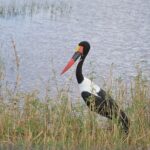
You also have a hippo habitat visit included on this Serengeti day. This is a smart balance. Even if you’re mainly chasing cats, hippos give you something different: slower behavior, social groups, and the feeling of watching water life in real time rather than only sprinting herds.
Day 2: Half-Day Serengeti + The Road Into Ngorongoro
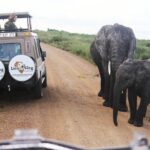
Day two keeps the rhythm. You start with a half-day game drive in Serengeti, then switch gears and travel toward the Ngorongoro Conservation Area. What makes this day work is that the drive isn’t treated like dead time. You enjoy an on-route game drive as you head toward the crater region.
By the time you arrive, you check in at Simba Campsite for dinner and overnight. Having the campsite night here matters. Instead of waking up far from the crater and rushing into a crater descent late in the day, you’re positioned to do it early, which is when wildlife sightings tend to feel more productive.
This is also the day when you’ll likely feel the “ecosystem switch” most clearly. Serengeti is open and airy; Ngorongoro feels contained and directional, like you’re stepping into a natural amphitheater. The animals respond to that. They’re often easier to locate because you’re looking into a defined bowl rather than scanning a huge open plain.
Day 3: Early Crater Descent for Black Rhino (and the Big-View Payoff)
Day three is the payoff day. After an early breakfast, you descend Ngorongoro Crater to search for black rhino. This is the tour’s most specific wildlife target, and it comes with a reality check: black rhino are described as the hardest to spot in the crater.
The reason is partly simple luck and partly viewing challenge. Many other animals can be easier to see once you’re on the crater floor, but rhino sightings often take longer and can depend on where individuals are moving or resting. The good news is that you’re not doing this with a vague plan. The day is built around crater descent and focused searching, so you’re using the best time window rather than treating it as an optional stop.
After lunch, you continue with a game drive and then ascend the crater back toward the campsite area to pack for the return to Arusha town. The timing here is important. You want your crater viewing while light and temperatures still support animal movement, and you want enough time to see crater wildlife in motion, not just at the edge.
How the Guide (and Vehicle Time) Changes Your Odds
The tour includes a professional driver/guide in English, which matters more than people think. In parks like these, the difference between a good safari and a great safari is often communication: where you’re going, what you’re watching for, and how quickly you can interpret what you’re seeing.
One name that stands out from past experiences with this operator is Eddy. People describe him as personable and extremely knowledgeable about the area and wildlife, and that he takes good care of the group. Even if you don’t get Eddy, the key point is the same: with a guide who can read animal behavior and terrain, your game drive stops being a drive-by. It becomes structured wildlife watching.
Also, this tour is capped at a maximum of 7 people. Smaller group size tends to make the experience feel more flexible at stops, and it helps keep the vibe calmer when you’re trying to hear bird calls or catch subtle animal movement.
Price and Value: What the $800 Covers
At $800 per person, this is a mid-range safari price for three days that includes meaningful logistics. Here’s the honest value breakdown based on what’s included:
What you do get:
- All park fees
- A professional English-speaking guide/driver
- Breakfast (3) and lunch (3)
- Dinner
- Pickup offered
- Mobile ticket
- The main on-the-ground activities: game drives and crater time
What you should budget extra for:
- Tipping
- Visas
Is it worth it? For most people, yes—because park fees and a driver/guide don’t come cheap in practice, and you’re also paying for time in two separate ecosystems plus an overnight stay at Simba Campsite. Where it becomes a value question is comfort tradeoffs. If you’re expecting a luxury lodge feel, this isn’t positioned that way in the details you have. But if you want maximum wildlife time and efficient routing, it’s priced like a practical safari, not a padded-tour package.
Camping at Simba Campsite: The Good Tradeoff
This tour describes itself as a camping expedition, and the overnight stop is Simba Campsite. That means you’re choosing proximity over pampering. The upside is you’re closer to the crater day, and you’re not burning an extra morning commuting.
The downside is you should plan for basic safari-camping realities. You may not have the same quiet, temperature control, or private space you’d expect from a hotel. You also want to pack for early mornings and cooler crater air in the early hours. (Even when Tanzania is warm overall, it can feel different when you’re down in a crater and starting early.)
If you’re the type who enjoys the “we’re living the safari rhythm” feeling—simple meals, starry nights, waking up with the plan already in motion—this part will feel like a feature, not a compromise.
Best-Fit Traveler: Who This Tour Serves Well
This safari suits you if you want:
- Serengeti + Ngorongoro without switching trips or doing separate bookings
- A small group (max 7 people) for a calmer experience
- A structured plan for black rhino searching on crater day
- Time in Serengeti beyond a quick roadside glance, including the Seronera Valley area
It may not be your best match if you:
- Want minimal driving. You have a long first-day transfer from Arusha and more road time through day two.
- Need hotel-level comfort. You’ll sleep at Simba Campsite as part of the safari style.
Practical Tips to Make Your Safari Day Go Smooth
You’ll get the best experience when you treat this trip like a wildlife schedule, not a sightseeing checklist.
Bring a camera strap and keep your hands free during spotting moments. When animals are far or partly hidden in vegetation, fumbling with gear can mean you miss the best few seconds.
Also, keep your expectations grounded on rhino. The tour is designed around searching for black rhino, but they are described as the hardest to spot. So think of it as a dedicated hunt day, not a guaranteed rhino guarantee.
Finally, be ready for early starts and long days. This itinerary starts early and packs a lot into each day. If you’re flexible and you like being on the move, you’ll feel energized. If you’re cranky without downtime, you might find the driving-heavy structure tough.
Should You Book This Serengeti and Ngorongoro 3-Day Safari?
If your priority is maximum wildlife time across both Serengeti and Ngorongoro, this tour is an easy recommendation. It’s efficient, includes park fees and most meals, and it positions you for an early crater day. The small group size and the presence of a capable English-speaking guide also add real value to the experience.
Book it if you’re okay with camping-style lodging and you can handle long travel days between parks. Skip it if you only want comfort-first travel or you dislike early starts and vehicle time.
If that sounds like you, then yes—this is a solid way to see Tanzania’s best-known wildlife arenas in one tight, memorable loop.
FAQ
How long is the 3-day Serengeti and Ngorongoro tour?
It runs for about 3 days from Arusha, combining time in Serengeti National Park and Ngorongoro Conservation Area.
What time does the tour start in Arusha?
The start time is 7:00 am, and the schedule indicates you’ll be picked up around 8:00 am after a breakfast around 7:30 am.
Does the tour include park fees?
Yes. All park fee are included.
What’s included in the price?
The price includes a professional English-speaking driver/guide, all park fees, breakfast (3), lunch (3), and dinner, along with pickup offered and a mobile ticket.
What is not included?
The tour does not include tipping or visas.
Where do we sleep overnight?
You check in at Simba Campsite for dinner and overnight.
Is black rhino part of the plan?
Yes. On the crater day, you descend early and go on a journey to find the black rhino, which are described as the hardest to spot.
Can I cancel for a refund?
Yes. There’s free cancellation with full refund if you cancel at least 24 hours before the experience’s start time.