REVIEW · ARUSHA
1-Day Tour to Ngorongoro Crater
Book on Viator →Operated by Simba Adventures · Bookable on Viator
Ngorongoro Crater turns a normal day into pure safari magic. This 1-day trip from Arusha gives you a 6-hour crater-floor game drive with lunch handled for you, plus a guide who talks you through what you’re seeing. I especially like the chance to track the rare black rhino and the way the crater’s story includes Maasai grazing alongside wildlife. The only real caution is the early start and long day: it’s about 10 to 12 hours total, so pack your energy accordingly.
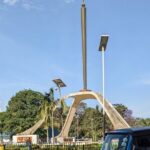
What makes this tour practical is the full package: pickup, transportation, lunch, bottled water, and all fees and taxes are included, with a small max group of 7. You also get a mobile ticket, and the official start point is the Arusha Clock Tower roundabout. One more thing to consider: snacks are not included, so if you get snacky mid-drive, plan ahead.
In This Review
- Key Points I’d Focus On Before You Go
- Early Morning in Arusha: Timing That Makes the Safari Work
- Small Group Safari (Max 7): Better Chances for a Smooth Day
- Getting to the Crater Floor: What the Drive Sets Up
- The Big Game Drive: How to Get the Most Out of Your 6 Hours
- Lunch in the Wild: Why Included Food Actually Matters
- Spotting the Black Rhino: How to Think About the Chance
- Elephant, Lion, Leopard, Buffalo: The Big Five Logic at Ngorongoro
- After the Game Drive: The Climb Out and Return to Arusha
- Price and Value: Is $405 a Fair Deal for a 1-Day Crater Trip?
- Who This Tour Fits Best (and Who Should Reconsider)
- Should You Book This 1-Day Ngorongoro Crater Tour?
- FAQ
- What time does the Ngorongoro Crater tour start in Arusha?
- How long is the 1-Day Tour to Ngorongoro Crater?
- What is the group size limit?
- What’s included in the price?
- What isn’t included?
- Can I cancel and get a full refund?
Key Points I’d Focus On Before You Go
- Max 7 people keeps it feeling personal while still keeping costs down
- Black rhino chance at a destination built for rare sightings
- Lunch + bottled water included helps you stay in the game, not in logistics
- Guide commentary during the game drive makes the sightings easier to understand
- Admission and fees covered so you’re not hunting down extras mid-day
Early Morning in Arusha: Timing That Makes the Safari Work
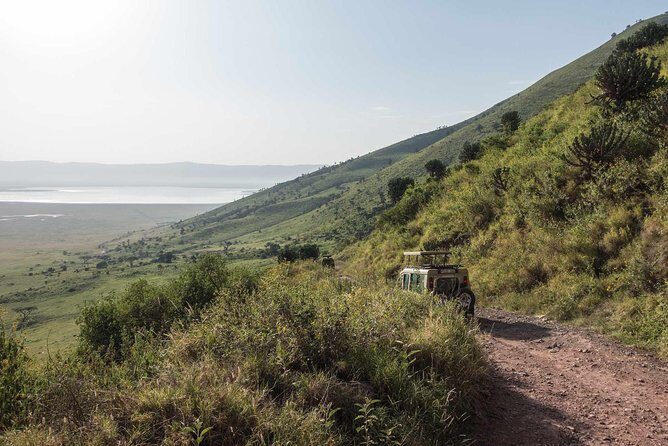
This tour starts at 6:00 am from Arusha Clock Tower (Clocktower Roundabout). That early launch matters. Ngorongoro is all about being in the right places at the right time for animal activity, and the day is designed around getting you down to the crater floor for a long stretch of game viewing.
You’ll be picked up in Arusha city and head out on a morning drive toward Ngorongoro. Since the tour runs about 10 to 12 hours, think of it as a full-day adventure rather than a quick excursion. If you hate losing sleep, plan for it now: set an alarm, keep your breakfast simple, and don’t assume you’ll have time for extra meals beyond what’s provided.
A few more Arusha tours and experiences worth a look


Small Group Safari (Max 7): Better Chances for a Smooth Day
The group size is capped at 7 travelers, which is a big deal in practice. In a larger group, you spend more time waiting and less time actually tracking animals. Here, the smaller group feel usually means quicker communication with your guide and more flexibility when you’re trying to find wildlife movement.
You’ll also be with a handful of people, which is ideal if you want to meet others without feeling like you’re in a bus-load situation. I like that balance: shared experience, but not crowded. It also helps with comfort—especially on a day when you’re in and out of vehicles and spending hours focused on the horizon.
Getting to the Crater Floor: What the Drive Sets Up
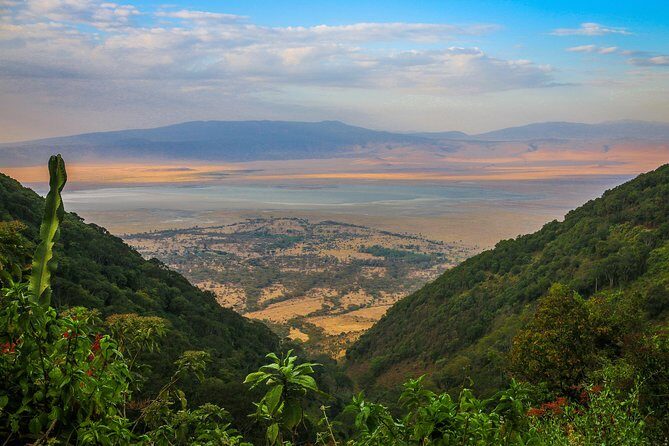
Your day is structured around one main event: the Ngorongoro crater-floor game drive. You’ll travel from Arusha early in the morning and arrive for a game drive that lasts about 6 hours.
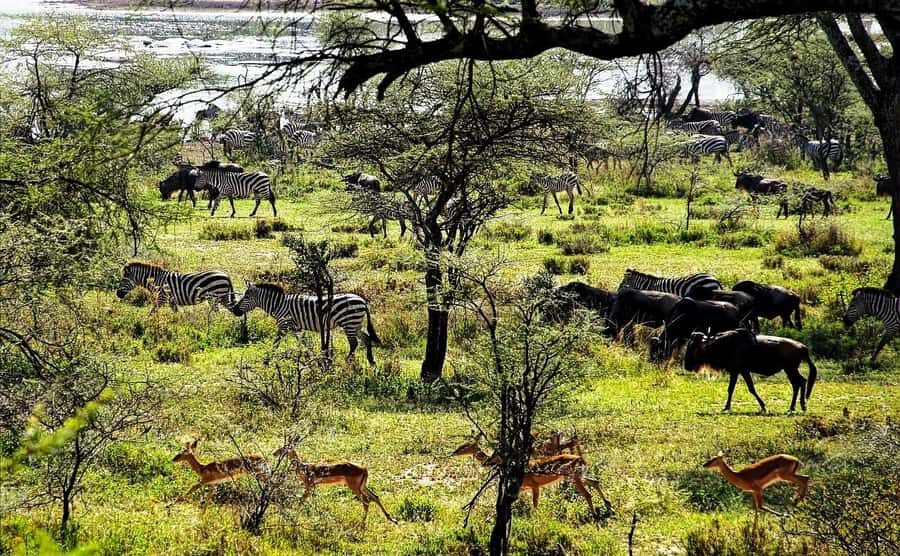
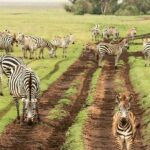
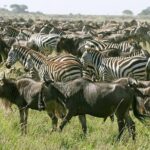
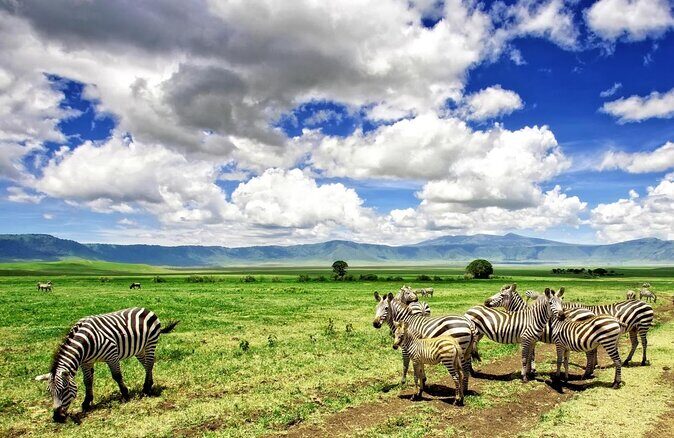
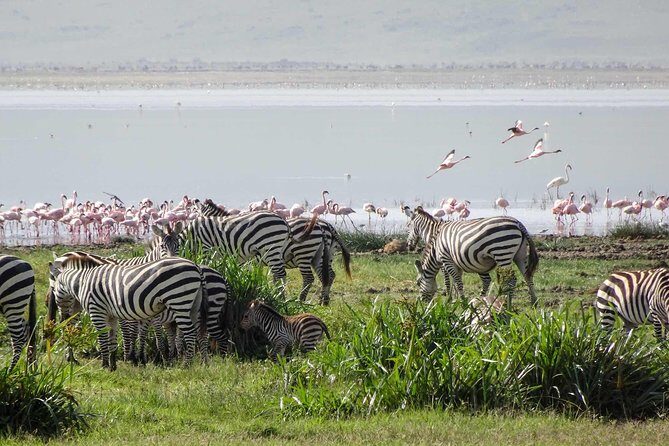
Here’s what makes this crater-floor time special. Ngorongoro is a vast, volcanic crater that creates a natural stage where herds can show up and move through predictable areas. During the annual migration, huge groups of wildebeests and zebras traverse the plains. That kind of movement is why a morning schedule matters: you’re trying to hit the period when animals are actively visible rather than hiding.
And because the guide provides commentary, you’re not just staring at the scenery (even though it can be stunning). You’re learning how to interpret what you’re seeing—like where grazing patterns and seasonal movement are affecting animal behavior.
The Big Game Drive: How to Get the Most Out of Your 6 Hours
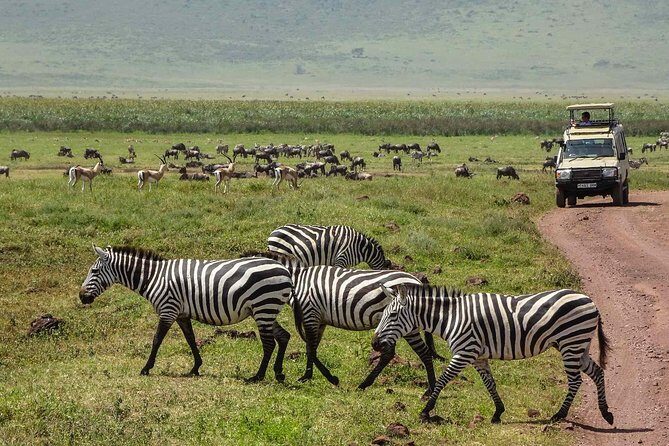
The heart of the day is the crater-floor game drive at Ngorongoro. You’ll spend about 6 hours driving through the crater environment, with your guide talking you through sightings as you go.
What to watch for:
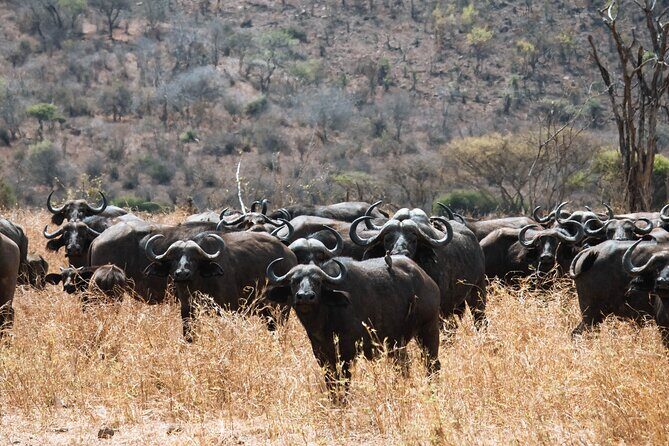
- The Big Five chances: elephant, lion, leopard, buffalo, and rhino
- The herd dynamics: wildebeest and zebra movement across the plains
- Livestock and wildlife overlap: Maasai semi-nomadic herders graze alongside wild animals
That last point is easy to miss if you’re only thinking “zoo-style safari.” In Ngorongoro, humans and wildlife share the same space, which changes the rhythm. Livestock grazing can influence where you see certain animals and how they behave around people and herd movement.
Practical tip: for a long game drive, your best viewing comes from staying alert and patient. Animals don’t perform on a schedule. I’d treat the first hour as discovery time, then use the later hours to focus on anything you keep returning to in your guide’s explanations—tracks, grazing areas, and known hotspots.
Lunch in the Wild: Why Included Food Actually Matters
Lunch is included, and it’s planned into the day as a picnic-style box for the time you’re out in the crater area. You’ll also have bottled water included.
Why that matters: when you’re doing a 10-to-12-hour safari, hunger can turn your attention off. The best wildlife viewing happens when you’re comfortable enough to wait for the next sighting without constantly thinking about food or bathroom timing.
If you have dietary needs, you should ask questions when booking, since the tour only states lunch and bottled water as included items. Also note that snacks are not included, so if you like to nibble between sightings, bring something small and easy. Even a couple of extra bites can keep you feeling human during the longer stretches.





Spotting the Black Rhino: How to Think About the Chance
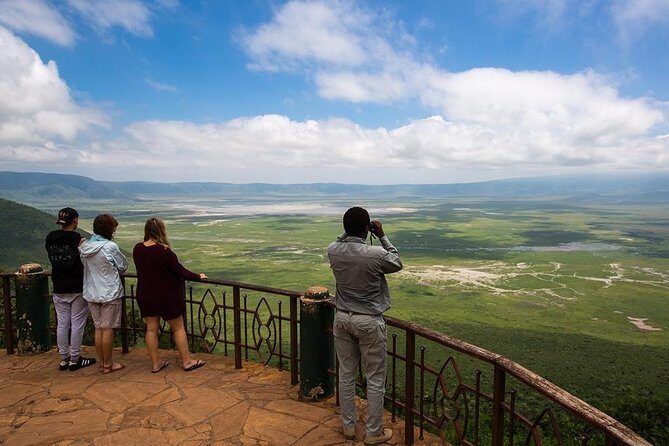
The tour highlights a chance to spot the rare black rhino. That word “chance” is key. In wildlife viewing, nothing is guaranteed, even at a site known for rhino presence.
So how do you get the best odds mentally and practically?
- Stay attentive when your guide slows down or changes direction; those moments usually aren’t random.
- Don’t assume rhino will be your only focus. When sightings cluster, you can often see multiple species close in time.
- Let the guide’s commentary help you read the scene—what looks quiet can still be active behavior.
Even if you don’t see rhino, the crater’s big animal mix and the overall viewing setup often deliver. And in Ngorongoro, that’s the broader point: rhino is a headline, but the rest of the crater experience is what makes the day feel complete.
Elephant, Lion, Leopard, Buffalo: The Big Five Logic at Ngorongoro
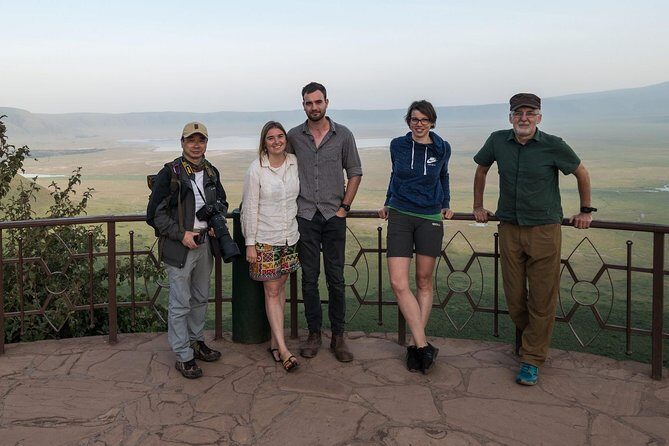
The day is set up to include Big Five viewing opportunities, with elephant, lion, leopard, buffalo, and rhino all listed as possible sightings. At Ngorongoro, these animals can appear in different patterns depending on the season and movement of herds.
A few balanced expectations:
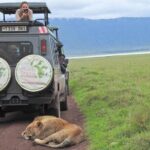
- Lions and other predators tend to be spotted through persistence and positioning. Your guide’s timing matters.
- Leopards can be trickier to see than larger animals because they’re less predictable in where they’ll be resting or moving.
- Elephants and buffalo can be easier to spot because of their size and grazing behavior, though you still need patience.
What I like about having an informed guide during the game drive is that you learn what to look for beyond “big animal now.” You start noticing clues: body language, distances between herds, and why a certain area draws attention. That makes every sighting feel more meaningful, not just lucky.
After the Game Drive: The Climb Out and Return to Arusha
Once the extensive game drive wraps up, you’ll drive back up from the crater and head toward Arusha. The itinerary includes ascending the crater wall after the main viewing time, then returning to the meeting point.
This is one of those parts of the day that can sneak up on you. You may be tired from the long seating and the mental focus. Bring water habits into your routine—sip during drives and don’t wait until you’re already drained.
If you’re planning something the same evening, keep it light. A 10-to-12-hour day can leave you wiped, even when it’s a great one.
Price and Value: Is $405 a Fair Deal for a 1-Day Crater Trip?
At $405 per person, this tour isn’t cheap. The value comes from what’s included versus what you’d normally pay separately.
Included items that change the math:
- Lunch
- Bottled water
- All fees and taxes
- Private transportation
- Pickup/airport transfers (where applicable)
- Admission ticket coverage
When you add up a day like this on your own—transportation, park or entry fees, guide time, and food—the price can start to look more reasonable. The small-group limit also helps. With a max of 7 travelers, you’re not paying for an experience that’s turned into a large-group shuffle.
My practical take: this is worth it if you want a smooth day with minimal planning, and you care about getting real interpretation from the guide rather than just driving around. If you’re the type who likes to arrange everything yourself and already has safari logistics locked in, you might find cheaper. But you’ll likely trade off convenience.
Who This Tour Fits Best (and Who Should Reconsider)
This is a strong match for:
- First-time visitors who want an efficient, organized way to experience Ngorongoro from Arusha
- People who value a small group and guided commentary
- Anyone who wants a realistic shot at the black rhino without building a custom itinerary
It may be less ideal if:
- You hate early starts. The 6:00 am start time is part of the deal.
- You want lots of free time or flexible detours. This is structured around the crater experience.
- You’re sensitive to long days. Expect roughly 10 to 12 hours total.
Should You Book This 1-Day Ngorongoro Crater Tour?
I’d book it if your goal is a well-run, single-day safari that covers the crater-floor experience, includes lunch and water, and keeps the group small enough for a quality guide conversation. The standout promise here is the combination of Big Five potential with the black rhino chance, plus a guide described as friendly and knowledgeable in past feedback.
I would not book it if you need a slow-paced day, if you’re trying to squeeze it into a tight schedule, or if you’re the type who relies on snacks and extra stops beyond what’s provided. Also, because wildlife is wildlife, accept that rhino sightings are never guaranteed.
If your priority is getting to Ngorongoro efficiently and spending your energy on the animals instead of logistics, this tour fits that goal well.
FAQ
What time does the Ngorongoro Crater tour start in Arusha?
The tour starts at 6:00 am.
How long is the 1-Day Tour to Ngorongoro Crater?
The duration is approximately 10 to 12 hours.
What is the group size limit?
This tour has a maximum group size of 7 travelers.
What’s included in the price?
Lunch, bottled water, all fees and taxes, and private transportation are included. Airport transfers are also listed as included.
What isn’t included?
Snacks and tips are not included.
Can I cancel and get a full refund?
Yes. You can cancel up to 24 hours in advance for a full refund. If you cancel less than 24 hours before the start time, the amount paid is not refunded.