REVIEW · ARUSHA
5-Day Classic Tarangire, Serengeti & Ngorongoro Camping
Book on Viator →Operated by Kanje grand tours · Bookable on Viator
A black rhino at dawn will change your brain. This classic 5-day safari pairs Tarangire, Serengeti, and Ngorongoro in a tight route that keeps you out in the bush when animals are most active. You also get the kind of planning that actually matters on safari: clear timing, proper drives, and a guide who helps you read what you’re seeing.
I love how the itinerary gives you more than one chance to catch the Serengeti in motion. One day is built around sunrise game drives, another follows a different route back through the park, so you’re not just repeating the same track. I also like that your days include real breaks for food and recovery, not just nonstop “go, go, go.”
One possible drawback: this is an early-start, long-drive trip. If you’re the type who hates waking before the sun or you struggle on rough roads, you’ll want to plan for that up front.
In This Review
- Key highlights (the stuff that actually drives the experience)
- The Safari Logic: Why This Route Works
- Day 1 in Tarangire: Acacia, Baobabs, and Elephant Lines
- Day 2: Heading Toward Serengeti Through Ngorongoro’s Wild Corridors
- Day 3: Sunrise Game Drive and the Case for Early Mornings
- Day 4: The Different Route Advantage in Serengeti
- Day 5: Ngorongoro Crater at 6:15 am and the Black Rhino Challenge
- Price and Value: What $1,100 Buys (and What You Still Need)
- Camping Comfort: What to Expect Without Overpromising
- The Guide Factor: Evance, and Why It Matters
- Getting the Best Wildlife Odds: How You Should Approach the Days
- What to Pack for Tarangire, Serengeti, and a Crater Morning
- Who This Safari Fits Best
- Should You Book It?
- FAQ
- How long is the safari?
- Where does the tour start, and is pickup included?
- Which parks are included in the 5 days?
- What time do you descend into Ngorongoro crater for black rhino?
- Is the hot-air balloon safari included?
- Are meals included?
- Is free cancellation available?
Key highlights (the stuff that actually drives the experience)
- Tarangire River focus: elephants and other wildlife cluster where water stays year-round.
- Serengeti pre-dawn predator timing: cooler temperatures and low light can mean better predator action.
- Optional sunrise hot-air balloon add-on: you can ask about ballooning and champagne breakfast ahead of time.
- Ngorongoro crater at 6:15 am: a real rhino-hunting schedule before the park fills up.
- Guide-led spotting: the experience leans on strong guiding, including Evance (mentioned in feedback).
- Clear communication: names like Lilian and Innocent come up for responsive, no-surprises contact.
The Safari Logic: Why This Route Works
This tour makes a smart choice: you don’t try to cover the entire map in five days. Instead, you concentrate on three of Tanzania’s big-name wildlife zones and give each one a job.
Tarangire does the “water and giants” thing well. The Serengeti is where you chase movement across open plains. Then Ngorongoro Conservation Area adds the special crater setting—dense wildlife viewing in a compact space, including a shot at the black rhino.
If you’re wondering where the “value” comes from at this price point, it’s not magic. It’s that you’re paying for guided time + park access + planned meals, not just a generic bus ride. And the feedback you’ll see online keeps circling back to organization and how smoothly the schedule runs.
A few more Arusha tours and experiences worth a look
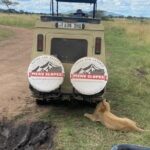
Day 1 in Tarangire: Acacia, Baobabs, and Elephant Lines
You start with a drive from Arusha after breakfast—about two hours toward Tarangire National Park. Along the way, you’ll pass through everyday life and Maasai village scenery, plus those wide-open plains that make you understand why people photograph Africa the way they do.
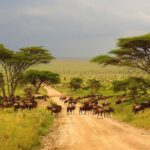
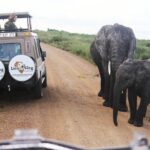
Once you’re in Tarangire, the day centers on the Tarangire River, which runs through the year. In dry season conditions, that steady water becomes the wildlife magnet. This is where you should expect elephants to show up often, plus zebras and antelopes moving in and out around the river and the savannah.
What Tarangire does particularly well is mixing “classic safari sight” with a slightly different feel than the Serengeti. You’re surrounded by acacia and baobab trees, so the spotting looks different—more textured, more layered. It’s also a great day to practice your animal-scanning skills because you’ll likely have multiple sightings along the route rather than waiting for a single big moment.
Practical thought: bring sun protection even early in the day. The golden savannah is gorgeous, but it doesn’t care about your sunscreen.
Day 2: Heading Toward Serengeti Through Ngorongoro’s Wild Corridors
Day 2 starts with an early breakfast, then a scenic drive toward the Serengeti. You’ll travel through the Ngorongoro Conservation Area, including misty, wooded stretches where animals can be harder to spot but not impossible.
This part matters because you’re not just “getting from A to B.” The drive can produce sightings like cape buffalo, baboons, and even elephants or leopards, depending on what your guide’s seeing and where the animals decide to be. A nearly four-hour drive to the Serengeti gates also means you’ll get used to the pace: steady, patient wildlife searching.
After lunch at the Serengeti picnic area, you shift into the Serengeti itself. This is where the mood changes. The plains open up, and suddenly you’re in that big-sky, big-herd world where the animals look like they’re moving on purpose—because they are.
In a five-day trip, day 2 is a strong “set the stage” day. You’re learning what the park looks like from your vehicle perspective, and you’re getting your eyes calibrated for the next two big wildlife windows.
Day 3: Sunrise Game Drive and the Case for Early Mornings
Day 3 is the one that safari fans plan around. You wake up before dawn for a sunrise game drive. The low light and cooler temperatures help predators make moves, so this is one of your best shots for seeing lions, leopards, and cheetahs doing actual hunting behavior rather than just standing around.
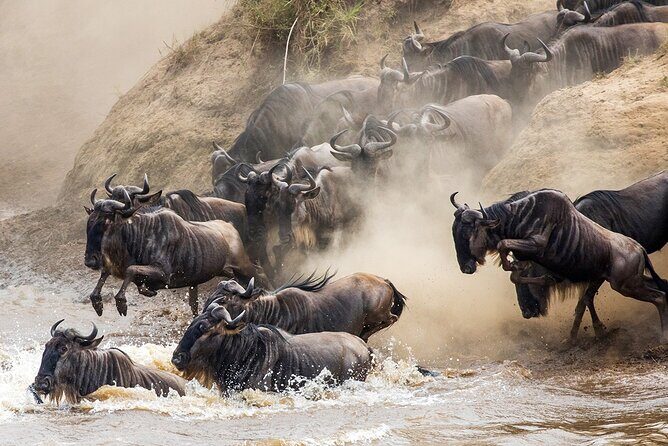
You’re also likely to see the early movement of the herds—wildebeest, zebras, and other herbivores. Even when you’re not watching a dramatic kill, early morning still gives you movement, posture, and pacing. And that’s what makes the Serengeti feel alive.
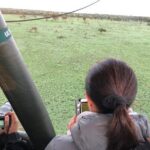
There’s also an optional add-on if you want to go bigger: you can ask your safari expert about a sunrise hot-air balloon with a champagne breakfast. The balloon portion isn’t presented as automatically included, so it’s best treated as something you arrange by request.
After the morning drive, you return to camp for a late break and a proper reset. This is important on a camping safari. You’ll need your energy for the day 4 routing and the crater morning on day 5.
Small reality check: sunrise means you’ll be tired at night. Plan for early sleep. Your body will thank you when you’re bouncing around the bush in the morning.
Day 4: The Different Route Advantage in Serengeti
Day 4 doesn’t just repeat day 2. After breakfast, you drive back toward the Ngorongoro Conservation Area, and you do it via a different route through the Serengeti. That’s a big deal.
Why? Because animals don’t stay where you saw them yesterday. By changing the route, you increase the odds that you’ll catch sightings you missed earlier: different herds, different predator zones, and different water spots.
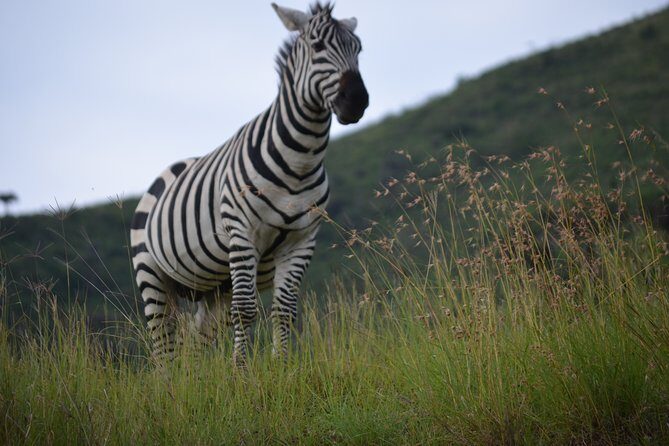
Expect to see huge numbers of animals across the plains—wildebeest and zebras in large groups, giraffes moving with that slow grace, and antelope species that can look like they’re glued to movement.
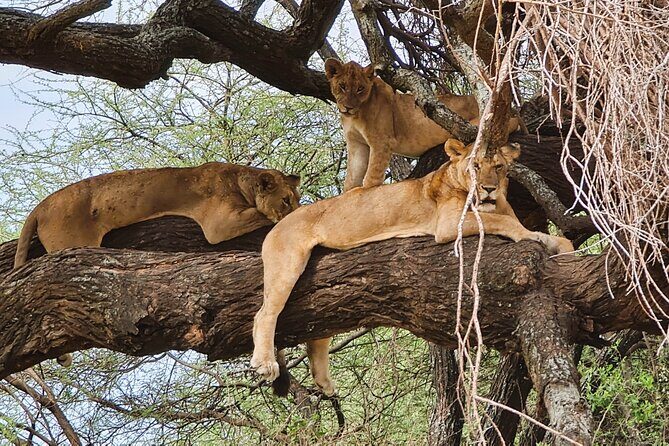
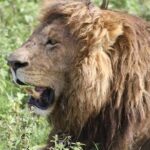
Predator sightings are still part of the plan here too. You might spot cheetahs and leopards, hyenas foraging, and the king himself, the lion. Even when the big-cat action doesn’t happen, a strong safari guide can still make the day feel full by reading behavior: who’s watching, who’s tense, and which direction the herd is flowing.
Dinner and overnight come later at camp, giving you a chance to rest before the crater schedule.
Day 5: Ngorongoro Crater at 6:15 am and the Black Rhino Challenge
This is the morning with the most pressure—and the most payoff.
After an early breakfast, you descend into the crater at 6:15 am to search for black rhino. Here’s the key detail: rhinos are the hardest to spot. Even though the crater is a wildlife viewing powerhouse, rhinos are often less obvious than other animals.
That said, the crater setting is exactly why this is a classic. The crater is a “floor crater,” which tends to make wildlife spotting easier than the open-world geometry of some other parks. So while black rhinos aren’t guaranteed, the odds aren’t bad for seeing other species while you hunt for them.
After lunch, you do a game drive and then ascend back to camp. Then you pack and head back toward Arusha. A transfer to the airport is included after the safari, which is a relief if you’re trying to avoid last-minute scrambling.
Price and Value: What $1,100 Buys (and What You Still Need)
At $1,100 per person for about five days, you’re paying for a full wildlife circuit rather than a single-park day tour. What’s included is meaningful: all fees and taxes, a professional guide, activities, and most meals (breakfast is included five times, lunch five times, dinner four times).
You’ll also benefit from pickup offered and a transfer to the airport after the safari. Those two details reduce hassle, which matters when your days are already built on early starts and long drives.
What’s not included is also clear. You’ll need to budget for tips, visa, and international flights. If you’re the kind of traveler who prefers to pay a bit more to reduce decisions, then this package likely feels good. If you’re already carrying a thick guidebook and love planning every leg yourself, you might wonder about flexibility—but the structure is the whole point here.
Camping Comfort: What to Expect Without Overpromising
This trip is described as a camping safari, and the days reference overnight at camp with dinners and breaks built in. That tells you the “feel” of the accommodations is simpler than a lodge holiday.
Since no specific campsite details are listed here, I won’t pretend you’ll know the exact setup (space, bedding, hot water, and so on). What you can know is the rhythm: game drives, meals, then camp time. You’ll want to treat it like a nature-first trip, not a hotel-first trip.
If you’re comfortable sleeping outdoors (or close to it), camping on safari can be a real part of the charm—cooler air, dark skies, and the sense that the day happened right outside your door.
The Guide Factor: Evance, and Why It Matters
One theme in feedback is how much the guide shaped the experience. A guide named Evance comes up as experienced and knowledgeable, and people describe the access to animal viewing as close and meaningful.
That aligns with what you actually need on safari. Wildlife spotting isn’t just about luck; it’s about scanning, timing, and reading behavior. When you’re chasing migration movement across the Serengeti and then searching for black rhino in Ngorongoro, a strong guide helps you turn a long day into real sightings.
Communication also comes up in a positive way. Names like Lilian and Innocent are mentioned for prompt, precise messages on WhatsApp and for handling things as promised. That kind of responsiveness matters because safari logistics can feel intimidating if you don’t have someone helping you keep track.
Getting the Best Wildlife Odds: How You Should Approach the Days
This itinerary gives you the best “wildlife windows,” but your mindset still changes everything.
- Wake ready for early starts. Sunrise is built in, and day 5 is a true early descent.
- Stay patient on drives. Long stretches are normal, and sightings can pop up far from where you’re expecting them.
- Keep your camera accessible. You won’t always have time to fumble for lenses.
- Trust the guide’s read. If the driver pauses or changes direction, it’s usually because something is happening right now.
Also, remember that with predators, the story is often about behavior, not just sightings. A cat that’s watching can be more interesting than a cat you can’t quite see.
What to Pack for Tarangire, Serengeti, and a Crater Morning
You don’t need to overpack, but you do need to be smart.
For a safari like this, focus on:
- light layers for early mornings and cool starts
- a hat and sun protection
- comfortable shoes for camp time
- a rain layer you’ll actually wear (conditions can change)
- reusable water bottles (you’ll want hydration while driving)
If you’re doing the optional hot-air balloon, plan for how your morning clothes and camera handling work with that plan—but since ballooning isn’t listed as included by default, confirm details with your safari expert before departure.
Who This Safari Fits Best
This tour suits you if you want:
- three iconic parks in one trip
- strong odds for predator viewing (because of the sunrise planning)
- a chance at black rhino with an early crater schedule
- a guided, structured experience with meals and major logistics handled
It’s less ideal if you hate early mornings or if camping-style lodging is a hard no. Also, if you’re extremely sensitive to long drives, you should consider whether the five-day pace is right for you.
Should You Book It?
If you’re aiming for classic Tanzania safari highlights without turning your trip into a puzzle, I’d say this is a solid choice. The combination of Tarangire elephants, Serengeti early predator timing, and a 6:15 am Ngorongoro crater push for black rhino gives you a real shot at big moments.
And the feedback about organization, plus the named guide Evance and the responsive communication from Lilian and Innocent, points to a trip that runs the way you hope it will.
Just go in with eyes open: this is an active itinerary with early starts and long days. If that sounds like your kind of adventure, you’ll likely come home tired, thrilled, and already talking about your next safari plan.
FAQ
How long is the safari?
The itinerary runs for about 5 days.
Where does the tour start, and is pickup included?
The tour is based in Arusha, and pickup is offered.
Which parks are included in the 5 days?
You visit Tarangire National Park, Serengeti National Park (multiple days), and the Ngorongoro Conservation Area, including Ngorongoro crater.
What time do you descend into Ngorongoro crater for black rhino?
You descend into the crater at 6:15 am to look for black rhino.
Is the hot-air balloon safari included?
A sunrise hot-air balloon safari with a champagne breakfast is described as an optional add-on you can ask to include.
Are meals included?
Yes. Breakfast is included 5 times, lunch is included 5 times, and dinner is included 4 times.
Is free cancellation available?
Yes. You can cancel for a full refund up to 24 hours in advance of the experience’s start time.