REVIEW · ARUSHA
Private Materuni Waterfalls Hiking and Coffee Tour
Book on Viator →Operated by Engusero Tours and safaris · Bookable on Viator
A morning hike to a 70m waterfall is always a treat. This Materuni Waterfalls and coffee tour packages the Kilimanjaro region’s views, Chagga village life, and a rainforest trail into one private 8–10 hour day, starting at 6:30 am. If the weather cooperates, you’ll also catch big Kilimanjaro country panoramas along the drive toward Materuni.
I like how the walk moves through real working farms—coffee, banana, and avocado shambas—while you’re climbing up to the trail’s high starting point around 2500m. I also like the value add of private, air-conditioned transportation plus lunch, which matters when you’re doing a long morning outing. The only real catch: any Kilimanjaro viewing is weather-dependent, so don’t build your day around a guaranteed mountain sighting.
In This Review
- Key things to know before you go
- Materuni Waterfalls: why this hike feels like more than sightseeing
- Timing and the early 6:30 am start (how it affects your day)
- The drive for Kilimanjaro views: a scenic bonus, not a promise
- Hitting the trail near 2500m: what the path is like
- Materuni Waterfall: the 70m drop and the basin moment
- Coffee and Chagga culture: how the day gets personal
- Lunch and transport: small comforts that matter at 6:30 am
- What you’re really paying for: value of $150 per person
- Who this tour fits best (and who might want a different plan)
- Practical tips for a smoother Materuni day
- Should you book the Materuni Waterfalls + Coffee tour?
- FAQ
- What time does the tour start?
- How long is the Materuni Waterfalls hiking and coffee tour?
- Is this a private tour?
- What’s included in the price?
- What isn’t included?
- Is Kilimanjaro viewing guaranteed?
Key things to know before you go
- Private, just-your-group hike in the Kilimanjaro region, not a big bus shuffle
- Rainforest farm trail at ~2500m with coffee, banana, and avocado shambas along the route
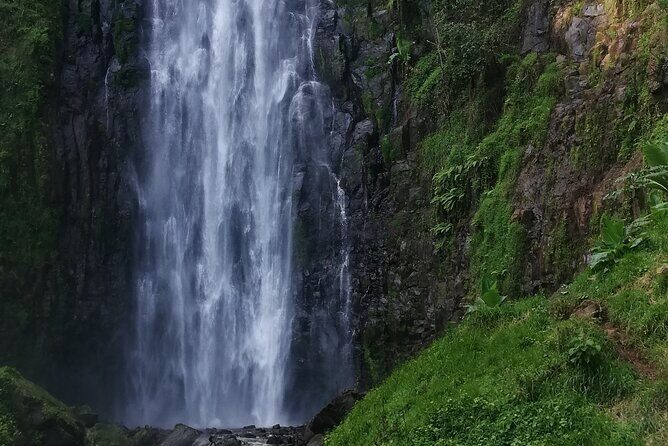
- Materuni Waterfall is 70m tall, fed by crystal-clear glacier water
- Coffee and cultural add-ons can be layered in, including traditional coffee roasting and banana beer
- Morning timing (6:30 am start) helps you get the most out of the day and cool conditions
- Kilimanjaro views aren’t guaranteed, since cloud cover changes everything
Materuni Waterfalls: why this hike feels like more than sightseeing
Materuni is one of those Northern Tanzania stops that doesn’t rely on hype. The area sits at the foot of Mount Kilimanjaro, and the setting does the heavy lifting: green farms, rainforest paths, and the sense you’re walking through a living landscape of Chagga daily life.
The star is the Materuni Waterfall, described as a very impressive drop that sends crystal-clear glacier water about 70 meters into its basin. That height matters. You don’t just see a fall—you hear it, you feel it, and the air around it cools down fast.
What makes the experience stand out is that you’re not only going from point A to point B. You’re also moving through the Shamba-world that supports the village economy—coffee growing, banana farming, and avocado production—at an elevation where mornings feel crisp.
You can also read our reviews of more private tours in Arusha



Timing and the early 6:30 am start (how it affects your day)
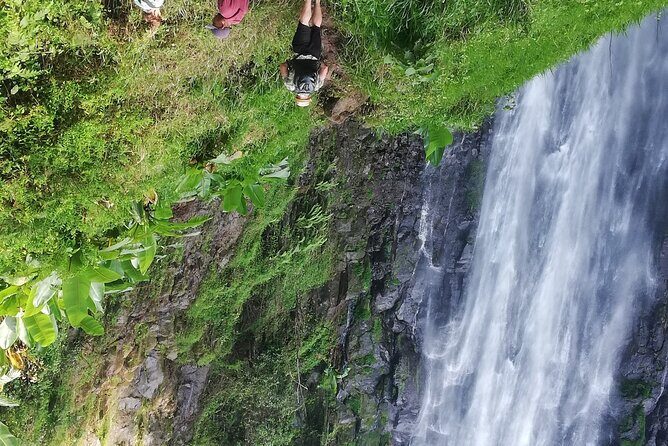
This tour starts at 6:30 am and runs about 8 to 10 hours, then returns you back to the meeting point. That early departure is practical. You’re less likely to hit harsh heat, and you have a better chance of clear skies before clouds roll in.
The pace is built around a hike. You should have moderate physical fitness for the trail. Nothing here is described as technical, but you are walking in an area that’s high enough to be around 2500m at the start point—so even a steady climb can feel like a workout.
Also note the tour is private, so it’s easier to set your rhythm. You won’t be stuck following a faster group pace, and your guide can slow down if you want more photo time or more explanation.
The drive for Kilimanjaro views: a scenic bonus, not a promise
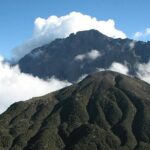
On the way to Materuni Waterfalls, you’ll get a chance to view Mount Kilimanjaro if the weather favors it. That’s a big deal in this region—because views can be spectacular when clouds clear, and disappointing when they don’t.
What’s helpful is that the tour doesn’t oversell it. It frames Kilimanjaro sighting as something you might catch depending on conditions. So you go in with the right mindset: early morning is your best shot, but you’re not letting one weather shift ruin your plan.
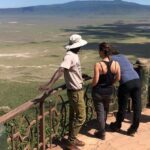
In the same general area, on a clear day you can see Kibo and Moshi town from elevated points. Again, treat it as a bonus that comes and goes. Your real win here is the hike plus the cultural farm experience that still makes sense even if the mountain is hiding.
Hitting the trail near 2500m: what the path is like
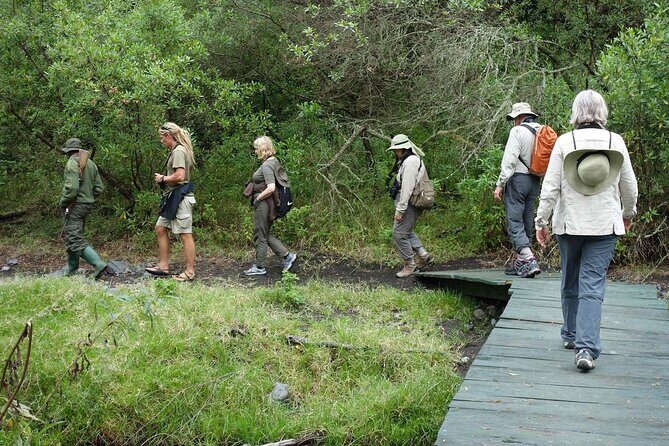
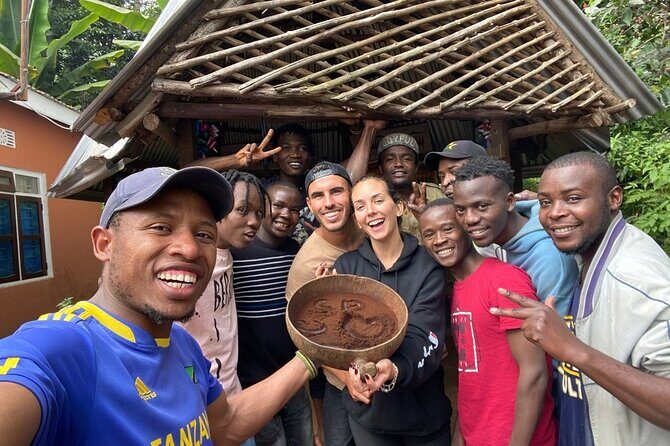
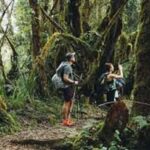
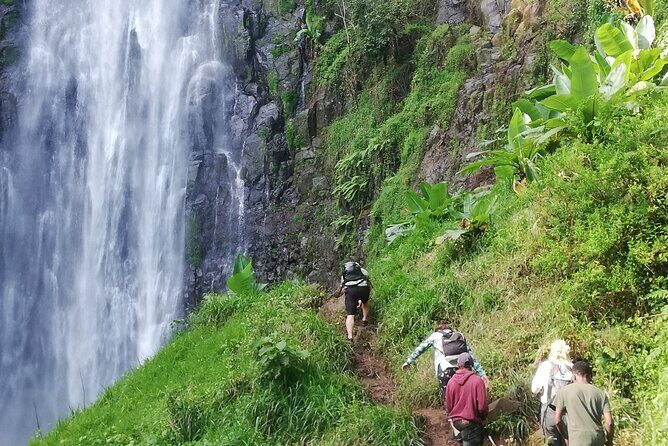
The path to Materuni Waterfall sits around 2500m above sea level and winds through valleys and hills. You’re moving through tropical rainforest, with stretches that pass by working coffee, banana, and avocado shambas.
This mix is what makes the hike feel grounded. You’re not just walking in nature with no context. You’re walking past crops that connect directly to daily life in the area, and you can often connect those visuals to what your guide explains about farming and routines.
A quick heads-up: rainforest trails can be damp and slick. The tour description doesn’t go into shoe advice, but it’s smart to wear footwear with grip and plan for a bit of mud. That way, you stay comfortable and safe without thinking about it.
Materuni Waterfall: the 70m drop and the basin moment
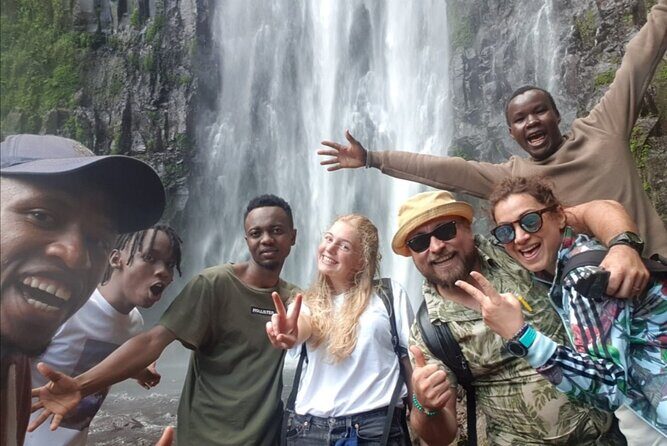
When you reach the waterfall area, you’re heading to a fall that’s described as one of the tallest in the area. Seventy meters is tall enough that the sound carries even before you see the full impact clearly. It’s the kind of spot where people naturally slow down—because the waterfall demands your attention.
The tour focuses on viewing and experiencing the falls, with water described as crystal clear and glacier-fed. Even if you’re not the type who spends time at waterfalls for hours, this one gives you a strong “arrive and reset” feeling.
One consideration: a waterfall visit can mean slippery rock near the flow. The tour details don’t describe safety barriers or swimming rules, so I’d treat the area as a viewing and photo stop first. If you want to get close, do it carefully and follow your guide’s lead.
You can also read our reviews of more hiking tours in Arusha
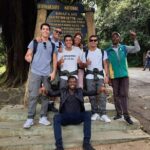
Coffee and Chagga culture: how the day gets personal
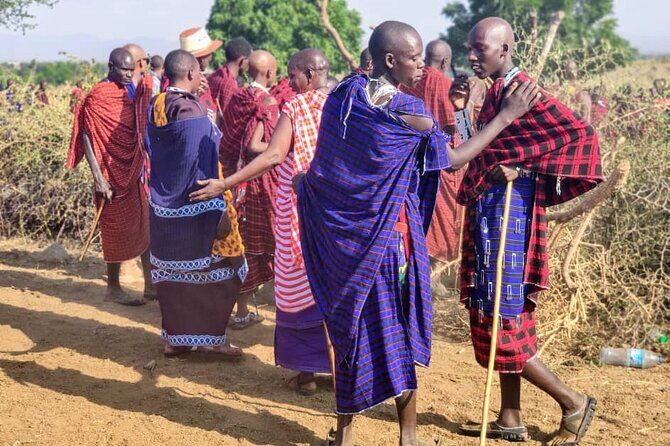
The best part of this tour is that the hike can turn into a culture lesson. Materuni village is associated with the Chagga people, and the area is framed as a place where you can understand local heritage through what people actually do—farming, brewing, and roasting.
Your tour experience includes the option to add cultural elements like traditional coffee roasting and banana beer brewed in the local way. Those sound like add-ons because they are—yet they match the rest of the day perfectly. You’re already walking through coffee farms. So learning how coffee is roasted makes the trip feel complete instead of random.
From the guide quality reflected in real feedback, this is also where your day becomes more than a route. In multiple notes, Ayoub is highlighted for being attentive, punctual, and genuinely engaged—sharing details of local life and helping people feel welcomed. That kind of communication changes what you see. Instead of taking photos and moving on, you can connect the sights to meaning.
Lunch and transport: small comforts that matter at 6:30 am
Lunch is included, and that’s a practical win for an 8–10 hour schedule. After a morning hike at high elevation, food is more than a break—it’s part of staying steady so you don’t feel wiped out halfway through the day.
Transportation is also included, in a private vehicle with air-conditioning. That matters because you’re leaving early, driving through varied conditions, and spending time on the road. A/C helps you arrive less sweaty and more comfortable, especially on days when the sun starts working overtime.
The tour also uses a mobile ticket, which can make check-in simpler. And it’s described as a pickup offered experience, which reduces the stress of figuring out timing on your own.
What you’re really paying for: value of $150 per person
At $150 per person, this isn’t an impulse-price tour—and that’s exactly why you should judge it by how the day is built.
You’re paying for three main value pieces:
- Private transportation with air-conditioning, not a seat on a shared route
- A guided cultural hike through farm areas tied to coffee and Chagga life
- Lunch included, so your money isn’t getting eaten by extra stops
If you compare that to the cost of piecing together a hike, a local driver, and your own planning for culture time, this bundled format starts to look fair. The private element is especially important. It gives your guide freedom to pace you, explain more, and keep the day feeling coordinated instead of rushed.
Also, real feedback repeatedly calls out fair prices alongside top guide service from Ayoub, with people praising punctuality and organization. That doesn’t just sound nice—it usually means fewer delays, less waiting around, and a smoother schedule.
Who this tour fits best (and who might want a different plan)
This tour fits best if you want a real local day in the Arusha region rather than a checklist. The waterfall is a highlight, but the coffee and farm context is what makes it memorable.
You’ll likely enjoy it if:
- you’re comfortable with a moderate level of hiking
- you like rural farming areas and want explanations, not just views
- you want a private guide who can slow down for questions
- you enjoy early starts if it buys you better conditions
It may not fit if:
- you’re hoping for a purely relaxed, flat walking experience
- you need guaranteed Kilimanjaro visibility (the tour explicitly notes it depends on weather)
- you’re expecting a water activity like snorkeling (since snorkeling equipment isn’t included, and this is described as a hike + cultural visit day)
Practical tips for a smoother Materuni day
Here are the smartest “do this, not that” tips based on how this tour is structured.
First, plan clothing for a long day. You’re hiking and then riding back for 8–10 hours. Bring layers so you’re not stuck guessing between cool mornings and warmer afternoons.
Second, consider footwear. The trail goes through rainforest and hills. Even when it’s not pouring, it can be slippery. Choose shoes that grip and support your ankles.
Third, bring water and a little snack mindset, even though lunch is included. The tour doesn’t list water provisions, so you’ll feel better if you carry your own.
Fourth, keep photo timing flexible. If you want Kibo or Moshi town views, those are weather-based. When clouds clear, your guide can likely adjust the timing so you catch the moment.
Should you book the Materuni Waterfalls + Coffee tour?
I’d book this tour if you want an Arusha-area day that mixes a major waterfall with genuine Chagga farm culture. The private format, lunch included, and air-conditioned transport make it comfortable for a long morning and give you the structure to enjoy the hike without logistics headaches.
Skip it only if your top priority is guaranteed Kilimanjaro views or if you’re looking for a low-effort stroll. The waterfall is the main event, but the reason it’s worth it is how the trail and coffee culture connect.
If you’re booking, focus on one thing: arrive ready for the hike and ask your guide—especially Ayoub—to explain what you’re seeing as you pass the farms. That’s where the day turns into a story, not just a set of photos.
FAQ
What time does the tour start?
The tour starts at 6:30 am.
How long is the Materuni Waterfalls hiking and coffee tour?
It runs about 8 to 10 hours.
Is this a private tour?
Yes. It’s a private tour/activity, so only your group participates.
What’s included in the price?
Lunch, private transportation, and an air-conditioned vehicle are included.
What isn’t included?
Snorkeling equipment is not included.
Is Kilimanjaro viewing guaranteed?
No. Seeing Mount Kilimanjaro (and views like Kibo and Moshi town on clear days) depends on weather conditions.