REVIEW · ARUSHA
Private Guided Day Trip in Tarangire National Park
Book on Viator →Operated by Destination Specialists Limited · Bookable on Viator
A sunrise safari is a good kind of early. Tarangire National Park is one of Tanzania’s best places to see wildlife in that dry-season mix of baobabs, open grass, and dusty scrub. I like how the day is paced for real sightings, not just driving around with idle hope.
Two things I love about this trip: you get private transportation with an experienced local driver-guide, and the focus is on where animals actually show up—especially around the Tarangire River in the middle of the day. One guide name you may hear in the same circles as this operator is Isaac, praised for eagle-eye spotting and for reading the small stuff like birds, trees, and plants that often leads to bigger sightings.
One consideration: it’s a long day. You’re looking at about 9 to 10 hours total, and the park drives add up, so plan for early starts and some serious game-drive bumpy-road time.
In This Review
- Tarangire Safari Fast Facts You’ll Care About
- Arusha to Tarangire: The Early Start That Pays Off
- Inside Tarangire: Baobabs, Scrub, and the Wildlife’s Daily Logic
- Mid-Morning to Afternoon Game Viewing: Two Different Safari Moods
- The Tarangire River Effect: Water Brings Everyone
- Lunch and Comfort: Packed Food, Bottled Water, and a Long Day Plan
- The Guide Factor: Where Spotting Skills Become Sightings
- Vehicle, Pace, and “Real” Safari Rhythm
- Price and Value: What $812 Per Group Gets You
- Who This Tarangire Day Trip Suits Best
- Should You Book This Private Tarangire Day Trip?
- FAQ
- How long is the Tarangire National Park private day trip?
- Where do we meet in Arusha?
- What time does the tour start?
- How long is the drive from Arusha to Tarangire National Park?
- Is this a private tour?
- What is included in the price?
- Is the admission ticket included?
- What is not included?
- How many people can be in the group?
- What cancellation options do I have?
- Is there a physical fitness requirement?
Tarangire Safari Fast Facts You’ll Care About
- Private day trip for up to 2 people, so you’re not stuck with a huge group pace
- Hotel pickup in Arusha with an early briefing and then a drive out to the park
- Mid-morning and afternoon game viewing, timed to increase your odds of seeing animals active and moving
- Tarangire River focus, where water draws wildlife and predators often work nearby
- Packed lunch + bottled water included, plus parking covered
Arusha to Tarangire: The Early Start That Pays Off
Your day begins in Arusha with a meeting at the Four Points by Sheraton Arusha, The Arusha Hotel area. It’s scheduled for an early start—good news if you like beating the heat and the crowd energy before it builds.
Then you head out for the drive to Tarangire, which is about three hours from Arusha town. Expect the day to feel like one long rhythm: travel, arrive, settle in, and then get moving while the animals are still in a useful mood.
This is exactly the kind of timing that helps you avoid the common safari problem: arriving to the park just as everyone is melting. Instead, you’re positioned to start seeing wildlife behavior right away, then build toward the river period later.
You can also read our reviews of more guided tours in Arusha
Inside Tarangire: Baobabs, Scrub, and the Wildlife’s Daily Logic
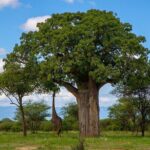
Tarangire is famous for its older baobab trees, and they don’t just look cool. They act like shade beacons and landmarks in a park where the terrain is often open grass and scrub.
A big part of why this works is that animals move with the sun. During a bright, sunny day, you’ll often find shade-seekers pausing near trees and thicker cover, while other species keep to open areas where they can spot danger and scan for food.
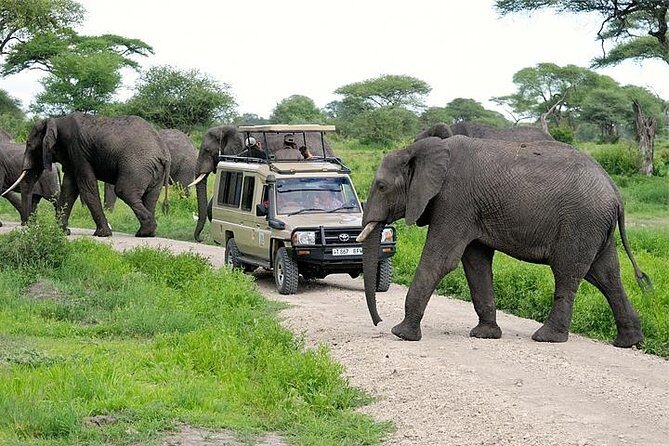
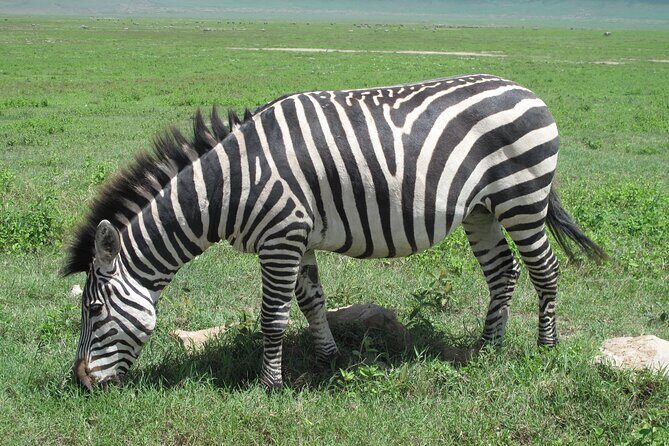
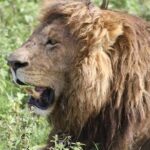
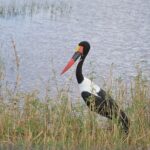
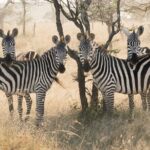
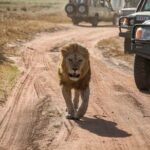
You’ll also cover a wide mix of animals that fit this habitat. In Tarangire, you can reasonably hope for sightings such as elephants, lesser kudu, eland, zebras, giraffes, waterbucks, and warthogs. Predators are part of the picture too—lion, leopard, and hyena are on the radar when the habitat and timing line up.
One practical perk here is that your guide isn’t just scanning randomly. The best local driver-guides read the park like a map of animal habits: where herds drift to water, where grazers pause near cover, and where predators tend to hang out when an opportunity appears.
Mid-Morning to Afternoon Game Viewing: Two Different Safari Moods
This tour is set up for game viewing in two chunks—mid-morning and then afternoon. That matters, because animal activity isn’t steady all day. You’ll often see different species behaving differently as the light and heat change.
In the mid-morning window, you’re usually catching movement and foraging. Many herbivores are active, and it’s easier to pick up tracks, feeding groups, and general herd flow when animals aren’t fully hiding from the sun yet.
The afternoon segment is where things start to get spicy. That’s when the park’s daily rhythm can bring more animals into view—especially species that time their watering and feeding to reduce risk and conserve energy. Even if you don’t see a huge predator moment right away, the afternoon can still deliver strong variety: grazers, browsers, and the animals that keep circling the same “must-be-there” spots.
The other thing you’ll notice is how much faster your eyes adjust once you stop treating each sighting like a surprise. After the first hour, you start to recognize patterns—where animals choose shade, how groups cluster near cover, and how the terrain channels movement. You’ll feel like you’re learning the park as you go, not just passing through it.
The Tarangire River Effect: Water Brings Everyone
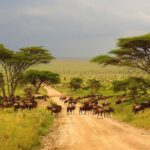
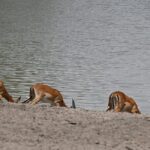
If you want one reason Tarangire can feel different from other northern parks, it’s the Tarangire River. Mid-day watering draws in enormous numbers of herbivores, and predators often benefit from that concentration.
The key detail is how predator presence changes your game-drive experience. When there’s a steady “food story” nearby—herbivores coming for water, plus the aftermath of hunts—you’re more likely to see signs of predation and follow-on behaviors. It’s not only about spotting the predator itself. Sometimes the most useful clue is the attention from the herbivores, or the way a patch of ground suddenly becomes a focal point.
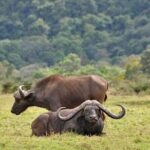
You’ll also get the chance to see animals that fit the river routine, including giraffes and zebras moving toward water, and species like waterbucks and buffalo showing up when the heat pushes them to drink. And when the river is doing its job, you get the best kind of safari tension: everything looks calm, until it doesn’t.
Lunch and Comfort: Packed Food, Bottled Water, and a Long Day Plan
You’ll bring a packed lunch with you, and bottled water is included. For a day trip that’s 9 to 10 hours long, those basics matter more than they sound. A safari day can go from great to sluggish quickly if you’re hungry or dehydrated.
This trip is also private, which makes comfort easier. You’re not dealing with the friction of a big group trying to agree on where to stop, when to eat, and how long to linger for a possible sighting. Your guide can keep the schedule steady while still adjusting for the real-time animal picture.
I also like the operator’s attention to doing lunch in a way that feels more like part of the safari than a pause button. In at least one safari experience with this company, lunch was described as ample and served under a bamboo shelter with a view where cape buffalo and warthogs came in to drink. Even if your exact setup differs, that same idea tends to be the point: eat, rest your legs, and stay positioned for the next round of sightings.
You can also read our reviews of more private tours in Arusha



The Guide Factor: Where Spotting Skills Become Sightings
The tour is guided by experienced local safari driver-guides who know animal behavior and where animals tend to show up at certain times. That’s not marketing fluff. On the ground, it’s the difference between “we drove past a lot of land” and “we solved the park.”
These guides work like good storytellers. They don’t just point and say there’s an animal. They help you understand what you’re seeing—why that herd is gathered, why that predator might be nearby, and what the environment is doing to shape movement.
One guide name that’s come up in the same orbit is Isaac, praised for being fun and informative and for spotting wildlife by noticing details—birds, trees, and plants. That matters because in parks like Tarangire, animals aren’t always framed perfectly. Sometimes you spot the clue first, then the animals appear like they’ve been waiting for you to notice.
If you care about learning while you travel, this is the style of day that rewards you. You’ll leave with a better sense of how the park functions, not just a checklist of animals.
Vehicle, Pace, and “Real” Safari Rhythm
There’s a practical comfort advantage to a private day trip: your pacing is yours. If your group likes to linger for a clearer view, you can usually make that call. If you want more time on the river-adjacent routes, your guide can adjust as long as it stays within the day’s plan.
You should also expect clean, well-kept vehicles. Past experiences with this operator have emphasized that vehicles are clean and newer-looking, and that departures happen on time with the day running as planned. That may sound minor, but when you’re paying for a full day in the bush, smooth logistics matter.
Also: yes, the roads can be bouncy. That’s part of the adventure, not a problem. If you know you get sore in the car, pack a small cushion or wear supportive shoes. You’ll feel better when you’re scanning for movement.
Price and Value: What $812 Per Group Gets You
The price is $812 per group, up to 2 people, for a 9 to 10 hour private guided day trip. That sounds steep until you break it down like a sane person.
What you’re paying for is a private driver-guide, private vehicle use, and the time needed to reach and work the park properly from Arusha. The drive is about three hours each way, and the full day depends on getting in the right timing windows for animal activity. If you’re splitting the cost between two people, it can feel more reasonable compared to paying for individual seats on busier schedules.
The trip also includes items that often cost extra on other outings: packed lunch, bottled water, parking fees, and private transportation. Even the admission ticket is listed as free for this tour. Add those together, and you’re not just buying driving—you’re buying a guided full-day animal search with the basics handled.
The real value question comes down to this: do you want a private, flexible day built around sightings? If yes, the cost starts to make more sense. If you’re happy with shared group tours and you don’t care much about timing or pace, you might find cheaper options. But if you want your safari to feel like it’s working for you, this structure leans that way.
Who This Tarangire Day Trip Suits Best
This trip is a strong fit for couples and small groups who want to maximize animal viewing time without dealing with a crowd. It’s also a good choice if you like the idea of local expertise guiding the search rather than just following a standard route.
You’ll get the most out of it if you’re comfortable with moderate physical fitness needs. This is still a day in safari vehicle mode, but you’ll be doing long stretches of time focused outward—scanning, standing or shifting for views, and reacting fast when something pops up.
If you’re traveling with kids or you need lots of rest breaks, you might still do it, but you’ll want to make sure the long day doesn’t drain your group. Tarangire can be worth it even then, because the payoff is the animal concentration around water and the big-tree scenery.
Should You Book This Private Tarangire Day Trip?
I’d book this if you want a focused, guided Tarangire day with private pacing and the day built around how animals actually behave. The park’s mix of baobabs, open scrub, and Tarangire River timing gives you a realistic shot at seeing a wide range of wildlife, including elephants and big predators when conditions align.
Book it especially if you value expert eyes and a guide who can read the environment, not just drive. The lunch and bottled water being included makes the day more comfortable than many long safari outings.
Don’t book it if you’re trying to avoid a long, full day on the road. This is a major-time commitment from Arusha, and you’ll feel that in your schedule.
FAQ
How long is the Tarangire National Park private day trip?
The tour runs about 9 to 10 hours total, including travel time.
Where do we meet in Arusha?
You meet at Four Points by Sheraton Arusha, The Arusha Hotel Fire Road, Clocktower Roundabout, Plot 2, Arusha 23100, Tanzania.
What time does the tour start?
The start time is 7:00 am, with a meet-and-briefing period included in the schedule.
How long is the drive from Arusha to Tarangire National Park?
The drive is listed as about 3 hours from Arusha town to Tarangire.
Is this a private tour?
Yes. It is a private tour/activity, and only your group participates.
What is included in the price?
Included are a packed lunch, parking fees, private transportation, and bottled water.
Is the admission ticket included?
Admission is listed as free for this experience.
What is not included?
Tips and health insurance are not included.
How many people can be in the group?
The price is per group for up to 2 people.
What cancellation options do I have?
You can cancel for a full refund up to 24 hours in advance of the experience’s start time.
Is there a physical fitness requirement?
The tour says travelers should have a moderate physical fitness level.