REVIEW · ARUSHA
Ngorongoro Crater: Full-Day Safari Tour
Book on GetYourGuide →Operated by Moraka Africa Safaris · Bookable on GetYourGuide
A volcanic bowl, and lions watching you. The Ngorongoro Crater full-day safari is one of those days where the scenery and the animals feel tightly linked, not random. I like that you get proper crater-floor viewing time from a safari vehicle built for spotting, and I also love the real odds of seeing famous wildlife here, including lions and rhinos. The main drawback to keep in mind is timing risk: if the vehicle has problems on the road back, your day can run long.
This tour runs about 6 hours total and keeps groups small (up to 6 people). Pickup and drop-off are included for hotels in central Arusha, and the guide is available in English, French, or Spanish (names I’ve seen include Walter, Abdallah, and driver Islam).
In This Review
- Key Things You’ll Notice on This Ngorongoro Crater Safari
- Ngorongoro Crater: What Makes This Full-Day Safari Different
- Arusha Pickup to Crater Descent: The Time Math That Matters
- Safari Vehicle and Game Viewing: How You Actually Spot Animals
- Wildlife Highlights: Lions, Rhino, Hippos, and the Friends Around Them
- Lions and the acacia-tree moment
- Rhinos: rare, quiet, and worth the wait
- Hippos in the wetlands
- Other animals you might add to your checklist
- Lunch at the Right Moment: Staying Fueled Without Breaking the Flow
- Price and Value: Is $260 a Fair Deal for 6 Hours?
- When This Tour Feels Smooth vs. When It Gets Annoying
- Who Should Book This Ngorongoro Crater Safari?
- What to Bring (So Your Day Doesn’t Feel Like a Battle)
- Should You Book the Ngorongoro Crater Full-Day Safari?
- FAQ
- How long is the Ngorongoro Crater full-day safari tour?
- Where does pickup and drop-off happen?
- What is included in the price?
- What wildlife can I expect to see?
- What should I bring with me?
- Is smoking, alcohol, or feeding animals allowed?
- What languages is the guide available in?
Key Things You’ll Notice on This Ngorongoro Crater Safari
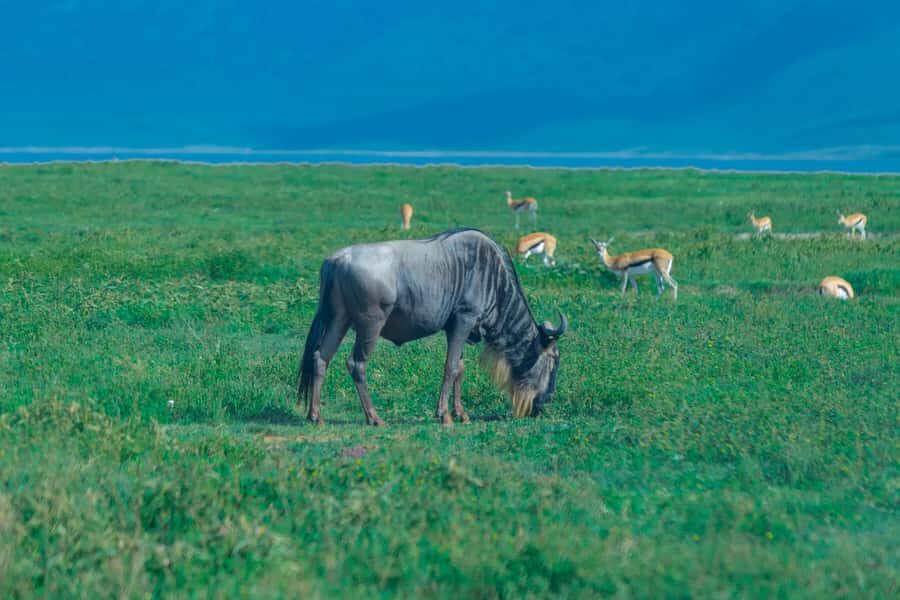
Purpose-built crater-floor game viewing with time to scan for cats and grazing animals
Big wildlife moments are realistic here, especially lions under an acacia and rhino grazing
Hippos in the crater wetlands are a highlight when the water/shoreline is active
Lunch is part of the day, included, so you’re not hunting for food mid-safari
Small-group feel (often max 6), though I’ve seen one case where the group counted 7
Ngorongoro Crater: What Makes This Full-Day Safari Different
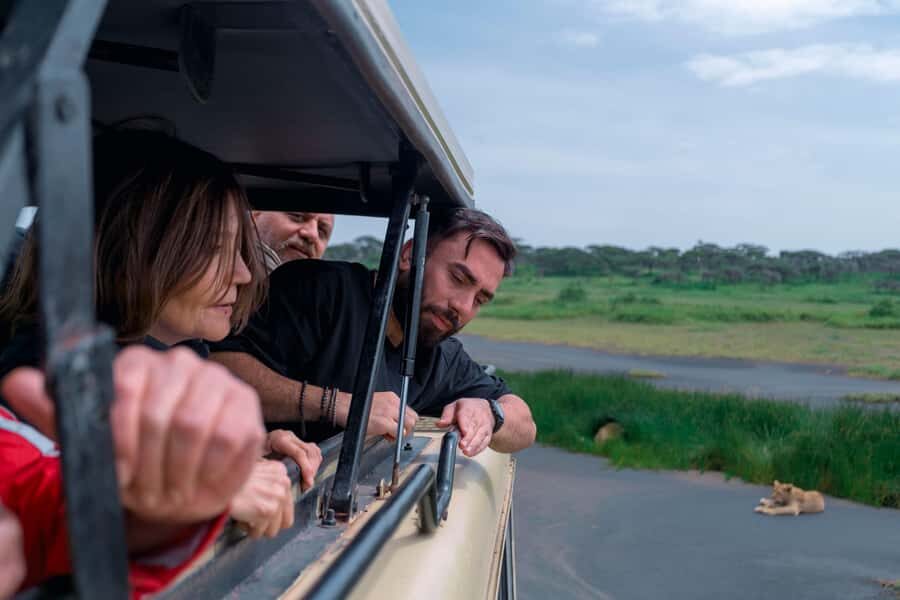
The Ngorongoro Crater isn’t a normal park stop. It’s a massive collapsed volcano (UNESCO World Heritage Site) that forms a natural bowl where wildlife concentrates. This matters, because your game-viewing time isn’t spread across endless back roads and random pull-offs. Down in the caldera, the animals can show up where you’re already looking.
There’s also the wow-factor of scale. The crater stretches over 102 miles, and the view down into it can feel like you’re entering a giant outdoor stage built by geology. Then the stage gets animated: you’ll be searching for cats, tracking grazers, and watching where the water draws hippos.
I also like how specific the experience can feel. This tour is advertised around the kind of sightings people remember: a pride of lions resting beneath a spreading acacia tree, a solitary rhino grazing in the grasslands, and hippos playing around the crater wetlands. Even when you don’t get every star animal, you’re still likely to see a lot in a short window because the setting is built for sightings.
One more practical point: this day is about focus. You’re not doing a long itinerary that turns into a checklist of quick photo stops. You’re descending into the crater, spending time on the ground level where animals move, and then returning.
A few more Arusha tours and experiences worth a look



Arusha Pickup to Crater Descent: The Time Math That Matters
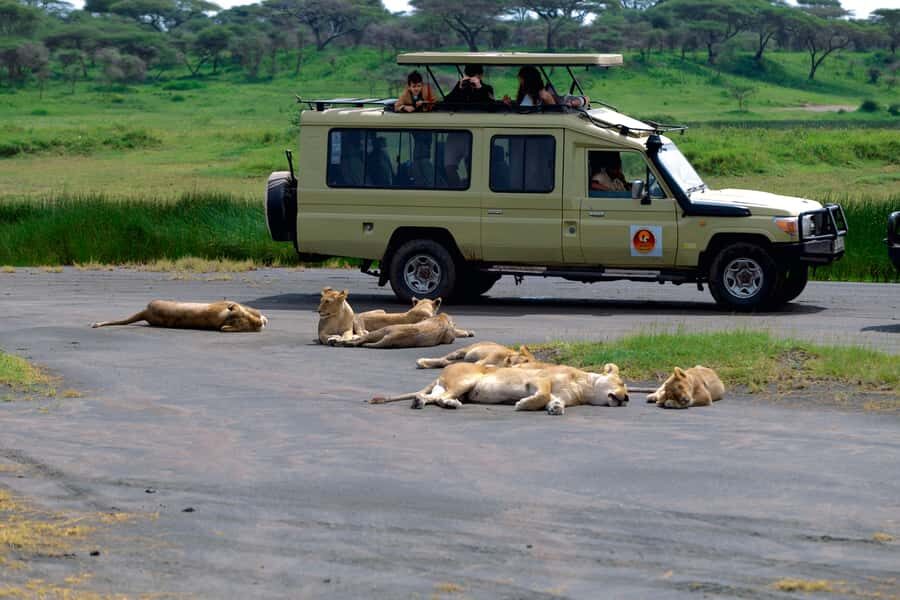
This tour is built for convenience, starting with hotel pickup and drop-off. But you should understand what the day actually costs in time. The total duration is listed as 6 hours, and that usually means the schedule is tight.
From what I’ve seen in real timing, some groups report around 3 hours driving to the entrance of the park, then another hour to get down into the caldera. That suggests your crater time can still be the main event, but you won’t “save time” by wanting a relaxed start.
A few helpful notes for planning:
- Pickup is included only for hotels in central Arusha. If you’re farther out, there can be an extra pickup cost.
- The tour can include vehicle changes if operations require it. One booking involved being collected in a car for most of the transfer, then switching to a Jeep for the safari portion.
- When everything runs smoothly, you’ll feel the day is structured. When something goes wrong (like a breakdown on the road back), you may lose hours.
That last point is the key drawback to weigh. One serious negative experience involved a vehicle breakdown near the end of the safari, followed by a much longer return time and multiple driver swaps. Even if you’re not anxious by nature, I’d still treat this as a day where you should avoid tight secondary plans the same evening, just in case.
Safari Vehicle and Game Viewing: How You Actually Spot Animals
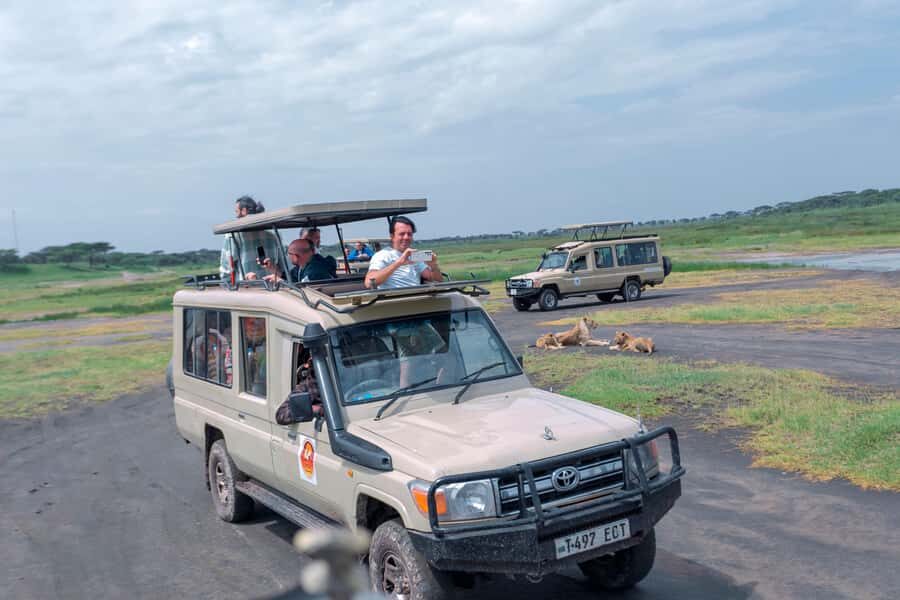
The tour’s promise isn’t just “go on safari.” It’s about being in the right kind of vehicle for crater viewing. The difference here is not magic; it’s visibility and positioning. In the crater, animals can be far out on open ground or tucked near water and slopes. A safari vehicle suited for this kind of terrain helps you scan efficiently and get better angles without constant stopping.
You’ll also benefit from having a guide who’s actively looking, not just driving. In the best moments I’ve read about, guides were sharp at spotting wildlife even when animals were not close. Names that came up include Walter and Abdallah, and the common thread is searching method: slow scanning, reading movement, and adjusting the vehicle position so you’re not just watching from one fixed spot.
What you’ll do in practice:
- You’ll ride down into the crater floor.
- You’ll spend your safari time on the ground-level track system, where wildlife appears along open grazing areas and near water points.
- You’ll pause when the guide signals something worth seeing, like a lion pride resting under an acacia or rhinos grazing in grasslands.
One note that matters: the tour doesn’t guarantee specific sightings. It focuses on the right ecosystem and the right viewing approach. So if seeing rhino is your must-do, go in with hope and patience, not certainty.
Wildlife Highlights: Lions, Rhino, Hippos, and the Friends Around Them
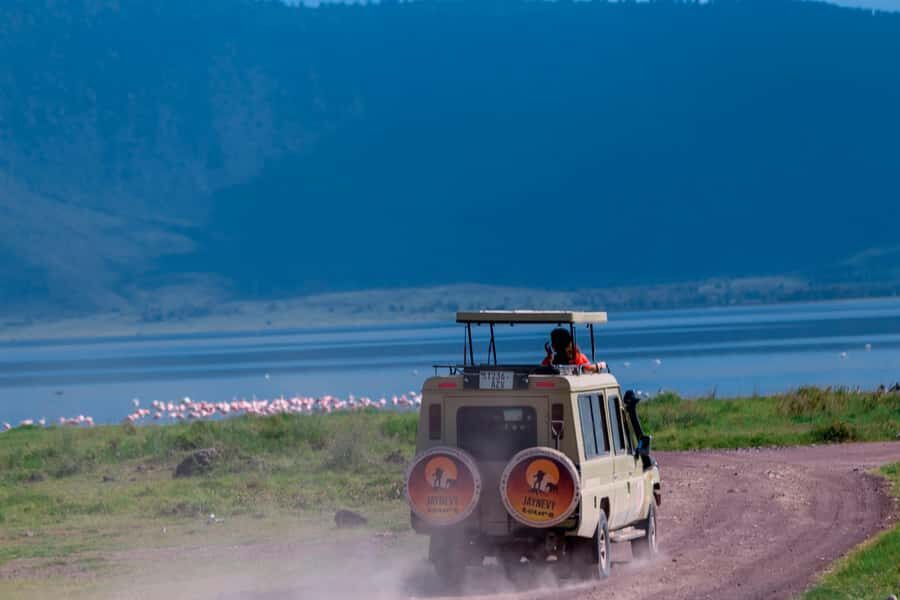
Ngorongoro’s animal mix is part luck, part ecosystem. The crater holds water and grass in a way that pulls wildlife together, and that’s why the “best-of” sightings are realistic.
Lions and the acacia-tree moment
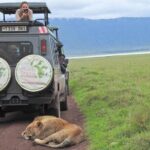
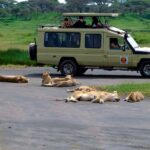
A standout description tied to this specific safari is a lion pride resting beneath a sprawling acacia tree. That’s the kind of scene that feels cinematic because the predators often pause while the rest of the crater stays busy. If lions are part of your dream list, this is exactly the moment you’ll hope for: easy to spot, relaxed, and framed by a tree that gives the scene scale.
A few more Arusha tours and experiences worth a look
Rhinos: rare, quiet, and worth the wait
Rhinos are harder to find anywhere, and Ngorongoro’s value is that the chances are better here than in many places. One guide description centered on a solitary rhino grazing in lush grasslands. When rhinos do appear, the experience is usually less about sprinting toward action and more about steady watching.
Hippos in the wetlands
Hippos can make the crater feel alive because they’re often near water and can show playful behavior. The wetlands inside the crater are a prime place to spot them. If you like wildlife that behaves more like a character than a statue, this is your area.
Other animals you might add to your checklist
Even with the advertised icons (lions, rhinos, hippos, antelopes), you may also see other species such as hyenas and a mix of birds. One full-day account included sightings like buffalo, elephants, gazelle, jackals, hyenas, flamingoes, pelicans, cranes, and pelicans. You won’t know the exact lineup in advance, but Ngorongoro often delivers variety in a short day.
Lunch at the Right Moment: Staying Fueled Without Breaking the Flow
You get lunch included, plus bottled water. That sounds basic, but it’s actually important on a day built around animal sightings. When food is included and scheduled, you’re less likely to lose time wandering or buying snacks at the wrong moment.
Also pay attention to the “no extra eating” rule. The tour notes say smoking and alcohol/drugs aren’t allowed, and it also specifies that consuming food and drinks isn’t allowed during the tour. That doesn’t contradict lunch being provided; it just means you should treat the lunch stop as the planned time to eat, not a free-for-all between sightings.
In at least one account, the lunch/picnic spot was described as beautiful and timed within the crater day. Another meal highlight was breakfast and lunch being thoughtfully prepared, which matters if you’re doing this as a once-or-twice-in-a-trip safari.
Practical tip: bring your camera-ready mindset to lunch too. Wildlife timing can change fast. If you see animals lingering nearby, lunch might not be your only photo moment.
Price and Value: Is $260 a Fair Deal for 6 Hours?
At $260 per person, this safari is in the “serious day trip” category. Here’s how I’d judge the value fairly based on what’s included.
Included:
- Professional guide
- Hotel pickup and drop-off (center Arusha only)
- Entrance fees
- Lunch
- Bottled water
Not included:
- Personal expenses
So you’re paying for an organized transfer into a protected area, guided crater viewing, and the core costs of entry and food. The value equation improves when you hit what you came for: multiple big sightings in a compressed timeframe, guided scanning, and a well-run day.
Where value can drop:
- If your return timing stretches because of a vehicle issue.
- If you experience confusion with transfers or a shift from one vehicle to another (like being moved from a car to a Jeep for the safari segment). That kind of handoff isn’t always bad, but it can feel messy and cut into the relaxed part of the day.
If you want a low-stress day, pick this kind of safari when you can afford a flexible evening. If your schedule is locked tight, I’d be cautious.
When This Tour Feels Smooth vs. When It Gets Annoying
This experience seems to work best when operations line up and the vehicle stays reliable.
Smooth version:
- Pickup happens on time.
- You transfer efficiently to the park area.
- The descent and crater viewing happen as planned.
- The guide helps you spot animals and keeps the group positioned well.
- You return without drama.
Problem version (the stuff you should plan around):
- Vehicle breakdown risk on the way back can add hours.
- A longer-than-expected return can affect flight timing for anyone with an evening departure.
- Some days can feel confusing if vehicles or drivers change partway through.
- If you end up in a less ideal seat position, you may feel like it’s harder to hear the guide.
None of this should scare you off if you’re traveling with patience. It’s more a reminder to keep your schedule forgiving. If you’re trying to make dinner reservations far away or you have a plane at night, build in buffer time.
Who Should Book This Ngorongoro Crater Safari?
This tour fits best if:
- You want a crater-focused safari day, not a multi-stop marathon.
- You like structured wildlife viewing with a professional guide.
- You’ll be happy with the “chance of seeing” approach, knowing the crater offers excellent odds.
You should think twice if:
- You’re pregnant or have back problems. The tour notes it’s not suitable for pregnant women, wheelchair users, or people with back problems.
- You need wheelchair access. It’s not listed as wheelchair-friendly.
- You don’t handle long driving days well. Even when everything goes right, you’re spending a lot of your time in transit.
If you’re a photographer, this is a good pick. Bring your camera and expect to use it constantly. Just remember the sun can be intense down in East Africa, so sunscreen and a hat aren’t optional.
What to Bring (So Your Day Doesn’t Feel Like a Battle)
The tour gives you a clear packing list. I’d follow it:
- Comfortable shoes (you may be moving around during stops)
- Hat and sunscreen for strong sun exposure
- Camera
- Water (even though bottled water is included, it helps to stay ahead of thirst)
Also keep in mind:
- Smoking is not allowed.
- Alcohol and drugs are not allowed.
- Feeding animals is not allowed.
- The group rules include restrictions on what you can eat or drink during the tour, so plan to use the provided lunch stop.
Should You Book the Ngorongoro Crater Full-Day Safari?
If you want one well-planned wildlife day in Tanzania’s north circuit, this is a strong choice. The core value is the crater-floor viewing plus a guide-focused approach to spotting animals like lions, rhinos, and hippos. With lunch and entrance fees included, it’s also easier to budget than many “DIY safari” options.
I’d recommend booking especially if you:
- Can keep your evening flexible.
- Appreciate small-group safari time (and you’re okay with tight scheduling).
- Want to base your expectations on the crater ecosystem rather than a guarantee checklist.
I’d think twice if you:
- Have a tight flight deadline later the same day.
- Need accessibility accommodations (the tour isn’t suitable for wheelchairs or back problems).
- Get stressed by logistics changes, since transfers can sometimes feel a bit confusing.
If you’re reading this, you’re probably the right kind of traveler for Ngorongoro: curious, camera-ready, and willing to let wildlife set the pace.
FAQ
How long is the Ngorongoro Crater full-day safari tour?
The duration is listed as 6 hours. Starting times depend on availability.
Where does pickup and drop-off happen?
Pickup and drop-off are included for travelers staying at hotels in central Arusha. If your hotel is far away, there is an extra cost.
What is included in the price?
The tour includes a professional guide, hotel pickup and drop-off, entrance fees, lunch, and bottled water.
What wildlife can I expect to see?
The tour highlights include lions and rhinos, plus hippos and antelopes. You may also see other animals such as hyenas, and birds are possible depending on conditions.
What should I bring with me?
Bring comfortable shoes, a hat, a camera, sunscreen, and water.
Is smoking, alcohol, or feeding animals allowed?
No. Smoking is not allowed, alcohol and drugs are not allowed, and feeding animals is not allowed.
What languages is the guide available in?
The live guide is available in English, French, and Spanish.