REVIEW · DAR ES SALAAM
Private Insightful City Tour of Dar es Salaam
Book on Viator →Operated by Chuh Chuh Tours · Bookable on Viator
Street-level Dar in just 1–2 hours. This private tour stitches together Kariakoo Market and Kivukoni Fish Market, then slows down at major monuments and a cathedral that connects the city to older colonial-era stories. You get a local guide who can talk through what you’re seeing as you go, so it feels like a conversation instead of a checklist.
I especially like the market immersion: the colors, smells, and nonstop activity make it easy to understand how Dar works day to day. I also like that the pace stays flexible—one booking specifically mentioned a guide who was happy to adjust based on interests, and the team even swapped in Tuk Tuk when rain came down. The only watch-out is that markets mean crowds, heat, and some walking, so bring water and keep your pace comfortable.
In This Review
- Key highlights you’ll feel right away
- Price and timing: a short tour that still hits the big themes
- Where the tour starts (and why that matters)
- Kariakoo Market: seeing trade up close without the planning headache
- What to watch for at Kariakoo
- Kivukoni Fish Market: the day’s work, from boats to traders
- Small practical tip
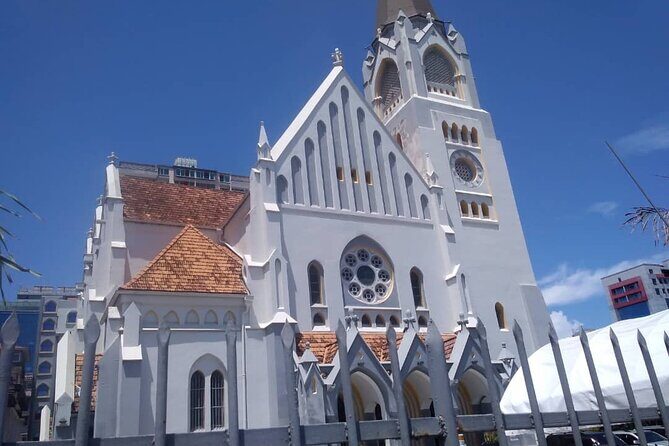
- St. Joseph’s Cathedral: a German-built landmark facing the port
- Why this works in only 20 minutes
- Askari Monument: a WWI memorial with a before-and-after story
- A quick way to engage here
- The 1898 ocean-facing sanctuary near the judiciary buildings
- What you can expect
- Bottled water and soda: small inclusions that matter in real heat
- Pickup and transport: know the optional $10 reality
- How to get more out of a private walk (without feeling awkward)
- Who should book this Dar es Salaam tour?
- Should you book this private city tour?
- FAQ
- How long is the Private Insightful City Tour of Dar es Salaam?
- What does the tour cost?
- Is the tour private?
- Does the tour include pickup?
- Is admission required for the stops?
- What’s included in the price?
- What’s the meeting point?
- Is there a ticket involved?
- What should I bring or plan for?
- Can I cancel if plans change?
- When does the tour operate?
Key highlights you’ll feel right away
- Kariakoo Market in one focused stop: big-market energy without the need to figure it out alone
- Kivukoni Fish Market and the daily catch: see how fishermen and trading connect
- St. Joseph’s Cathedral near the port: early 1900s design with a German-built backstory
- Askari Monument context: a WWI memorial with a story about what came before it
- Multiple photo-worthy landmarks close together: efficient sightseeing in a short window
Price and timing: a short tour that still hits the big themes
At $55.26 per person for a private experience, the value is in the mix: markets plus monuments plus cathedral architecture, all within about 1 to 2 hours. That’s not a long sit-down tour. It’s more like smart, guided orientation—Dar’s everyday life and its standout landmarks, without eating up your whole day.
Booking typically happens about 31 days in advance, which is a hint that you’ll want to lock in your preferred time early. The tour runs 9:00 AM to 6:00 PM during the listed operating window, so you should be able to fit it around other city plans.
You can also read our reviews of more city tours in Dar es Salaam

Where the tour starts (and why that matters)
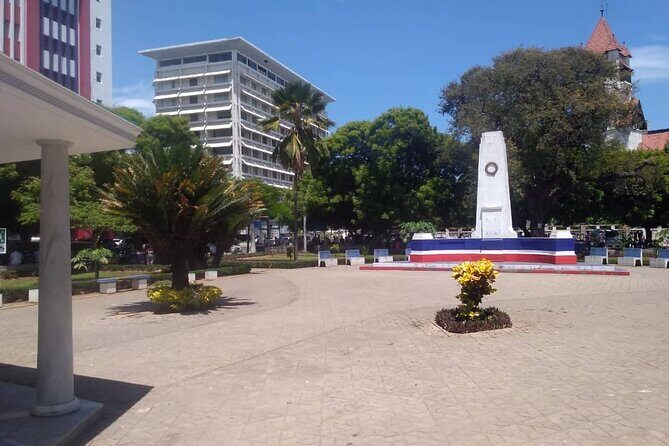
You meet at Bustani ya Posta in Dar es Salaam, and you return there at the end. That “back to base” setup is practical in a city where plans can multiply fast—once you’re done, you’re not stranded far from transit or your next stop.
The starting point is also described as near public transportation, which helps if you want a simple, low-stress day. If you’re comparing tours, I’d treat this as a plus: the easier it is to get in and out, the more you can enjoy the time you’re paying for.
Kariakoo Market: seeing trade up close without the planning headache
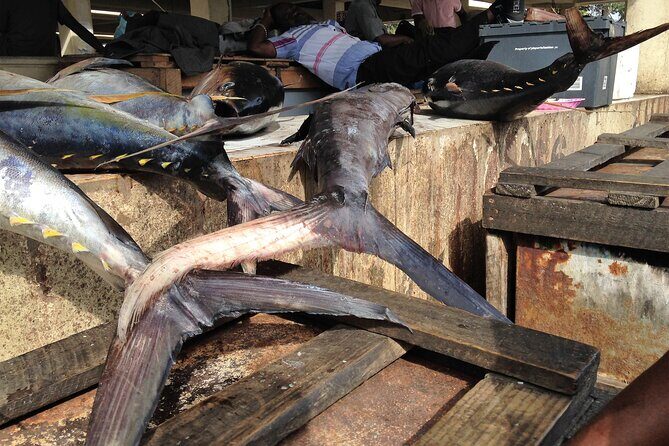
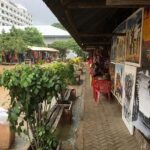
This stop is about 45 minutes, and it’s free entry for the tour. Kariakoo is one of the biggest markets in East Africa, and that scale is exactly why a guided walk helps. You get to see how business moves in real time—people trading, browsing, bargaining, and multitasking—without spending your energy just trying to find your way around.
What I like here is the clarity. A good guide doesn’t just point at stalls. They help you understand what you’re looking at: what kinds of goods pull crowds, why certain areas feel busier, and how the market fits into daily life in Dar. Even if you’re not shopping, Kariakoo gives you a sense of the city’s momentum.
What to watch for at Kariakoo
Markets can mean strong smells and crowded aisles. You don’t need to be uncomfortable—just dress sensibly, wear closed-toe shoes, and keep a bottle handy. The good news is that the time box is set: you’re in and out in a focused way.
Kivukoni Fish Market: the day’s work, from boats to traders

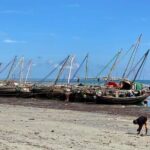
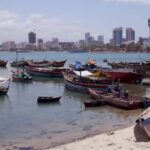
Next up is the Kivukoni Fish Market, again about 45 minutes and free entry. This is the stop where the tour earns its character. Instead of treating the fish market like a photo spot, it frames it around the fishermen’s day: their means of transport and how the trading works.
If you want to understand the city beyond monuments, this is the place. You’ll see the chain of activity—arrival, movement, buying and selling—all driven by the timing of the day’s catch. It’s a vivid reminder that Dar is not just a skyline and a harbor view; it runs on work like this.
You can also read our reviews of more private tours in Dar es Salaam




Small practical tip
Bring your patience. Fish markets don’t run on tourist schedules. But a guide who talks through what’s happening can turn that chaos into understanding, and that’s where you get value for your time.
St. Joseph’s Cathedral: a German-built landmark facing the port
The tour then steps into calmer mode at St. Joseph’s Cathedral of the Archdiocese of Dar es Salaam. You get about 20 minutes here, also free entry.
The cathedral’s backstory is one of the most memorable parts of the itinerary: it dates to the early 1900s and was built by the Germans. It also faces the Dar es Salaam Port of Zanzibar, which ties the building to the city’s movement and international connections. Even in a short stop, you’ll likely come away thinking about how architecture can carry layers of history forward.
Why this works in only 20 minutes
Twenty minutes is tight, but that can be a feature. You’re not stuck for an hour while you wait for attention to spread out. You get a focused view, plus a guided explanation that helps you notice details you might otherwise miss.
Askari Monument: a WWI memorial with a before-and-after story
Another key stop is the Askari monument, a commemorative memorial for African troops who served in the British Army in the First World War. The tour also notes a detail that makes the monument feel more layered than it first appears: before it, there was said to be a Germany soldier monument, removed after the British took over.
That kind of context matters because it turns a statue into a timeline. You’re not only looking at stone and metal—you’re seeing how power shifts show up in public memory.
A quick way to engage here
If you want more meaning from the stop, ask your guide what symbols they’re pointing out. The tour description treats the Askari monument as symbolic, and a good guide will connect that symbolism to the city’s past.
The 1898 ocean-facing sanctuary near the judiciary buildings
The itinerary includes a landmark sanctuary built in 1898. It’s described as facing the ocean and surrounded by Dar es Salaam judiciary buildings, which places it in a civic zone rather than tucked-away scenery.
I like stops like this because they show Dar in a more formal, institutional frame—how the city’s public spaces relate to the sea. If you prefer places that feel anchored in place and purpose, this one should land well.
What you can expect
Since the tour doesn’t give a lot of detail beyond the location and build date, treat it as a short, guided viewpoint stop: you’ll learn what it is, where it sits, and how it relates to its surroundings. Then you move on before the walking fatigue kicks in.
Bottled water and soda: small inclusions that matter in real heat
The tour includes bottled water and a choice of drinking water, plus soda/pop. In practice, those small inclusions can be a big deal during market time, where you’re standing, walking, and breathing in crowded spaces.
It’s also a sign the tour is planned for short, active legs rather than museum-style wandering. If you’re the type who forgets to buy water until it’s too late, you’ll appreciate this.
Pickup and transport: know the optional $10 reality
Pickup is offered, but the information you’re given is clear: offering pickup comes with an additional fee of $10. That means the quoted price can be either your final price or your near-final price, depending on your plans.
A note from a past booking: when rain hit, the team arranged a Tuk Tuk approach to keep things moving. I’d treat that as a helpful possibility, not a guarantee—weather can change fast, and a flexible guide makes city days easier.
How to get more out of a private walk (without feeling awkward)
This is a private tour, so you only share the experience with your group. That matters because you can steer the conversation in real time—questions are easier, and the guide can adjust attention if you care more about markets than architecture, or the other way around.
Here’s what I’d do:
- Tell your guide what you care about before you start: photos, food items you should recognize, or historical context.
- Keep your walking pace comfortable; the itinerary is tight enough that rushing can ruin the learning.
- Use the market stops to ask one or two focused questions. The guide’s communication style is built for interaction, not just reciting facts.
Who should book this Dar es Salaam tour?
This tour fits best if you want an efficient overview of Dar es Salaam’s real rhythms. It’s ideal for:
- First-timers who need orientation fast
- People who enjoy markets and don’t want to feel lost in a crowd
- Travelers who like a mix: street life plus landmarks, not one or the other
The tour also asks for moderate physical fitness, which makes sense. You’re walking through busy areas, and even with short stops, you’ll be on your feet more than in a typical drive-and-stop tour.
Should you book this private city tour?
I’d book it if you want a guided, low-planning way to understand Dar es Salaam quickly. The strongest reasons to choose it are the market pairing—Kariakoo plus Kivukoni—and the fact that the guide experience is described as attentive to your interests. The cathedral and Askari monument also give you a solid contrast, so your day doesn’t feel one-note.
I’d think twice if you dislike crowds or strong smells, since both markets are part of the core route and the timing is fixed. If you’re sensitive to busy environments, plan to take short breaths, move slowly in narrow aisles, and lean on the guide’s help to keep you comfortable.
If your goal is a compact Dar experience with real context, this one delivers.
FAQ
How long is the Private Insightful City Tour of Dar es Salaam?
It runs for about 1 to 2 hours total.
What does the tour cost?
The price is $55.26 per person.
Is the tour private?
Yes. It’s a private tour/activity with only your group participating.
Does the tour include pickup?
Pickup is offered, but it has an additional fee of $10.
Is admission required for the stops?
The listed stops include free admission for Kariakoo Market, Kivukoni Fish Market, and St. Joseph’s Cathedral.
What’s included in the price?
It includes bottled water (with a choice of drinking water) and soda/pop.
What’s the meeting point?
The tour starts and ends at Bustani ya Posta, Dar es Salaam, Tanzania.
Is there a ticket involved?
You’ll use a mobile ticket.
What should I bring or plan for?
Because it includes market walking, wear comfortable shoes and be ready for active, crowded areas. The tour suggests moderate physical fitness.
Can I cancel if plans change?
Yes, there’s free cancellation. You can cancel up to 24 hours in advance for a full refund.
When does the tour operate?
The listed hours are Monday to Sunday, 9:00 AM to 6:00 PM within the stated operating window.