REVIEW · ARUSHA
Materuni Waterfall Hike & Coffee Tour
Book on Viator →Operated by Home Villa Expeditions · Bookable on Viator
Materuni Waterfalls feel like a shortcut to real Tanzania. In one day, you’ll walk through the forest to Materuni Waterfalls, then learn how Chaga farmers grow and process coffee. If the clouds cooperate near Moshi, Kilimanjaro can even show itself in the distance.
I especially like the hands-on coffee part. You’re not just watching from the sidelines; you’ll be involved in grinding, roasting, sifting, and then drinking. I also like that the day builds in comfort: transport, lunch, and mineral water keep you going without constantly hunting for basics.
One thing to consider is that this is a real walk in rainforest conditions. Even if it’s described as easy, you’ll want solid footwear and you should expect the weather to shape the experience.
In This Review
- Key points that make this tour work
- Why Materuni Waterfalls beat a typical Kilimanjaro-style day
- The rainforest walk to Materuni Waterfalls: what to expect on the ground
- Chaga coffee tour: grinding, roasting, sifting, and drinking
- How the day flows: timing, lunch, and the return to Arusha
- Price and value: does $260 make sense for Materuni + coffee?
- Private feel with small-group limits (and why it’s not just marketing)
- Weather, cloud cover, and getting the most from the day
- Who should book this Materuni Waterfall and Coffee tour?
- Should you book it?
- FAQ
- FAQ
- How long is the Materuni Waterfalls and coffee tour?
- Where does the tour start and end?
- Is pickup from my hotel included?
- What do I do at Materuni Waterfalls?
- How long is the walk to the falls?
- What happens during the coffee part of the tour?
- Who shows you the coffee-growing process?
- Is lunch included?
- Is mineral water included?
- Are alcoholic beverages included?
- What’s the weather rule for this experience?
Key points that make this tour work
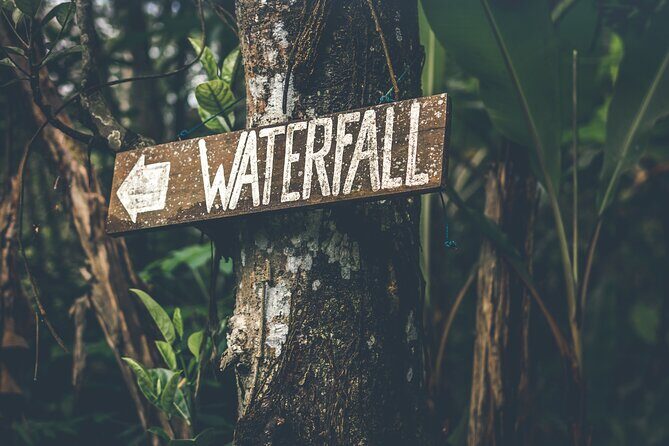
- Materuni village + village guide support: you get local context while contributing to the community through a required village guide.
- A forest walk to the falls: a half-hour walk from the village to the waterfall area, with rainforest sounds all the way.
- Chaga coffee, hands-on: grinding, roasting, sifting, and tasting are part of the day, not just a demo.
- Small group feel: capped at a maximum of 15 travelers, so it’s not a cattle-car outing.
- Comfort built in: lunch and mineral water are included, and private transportation handles the hard part.
- Kilimanjaro visibility is possible: on a great day you may spot the mountain through clouds as you head toward Moshi.
Why Materuni Waterfalls beat a typical Kilimanjaro-style day
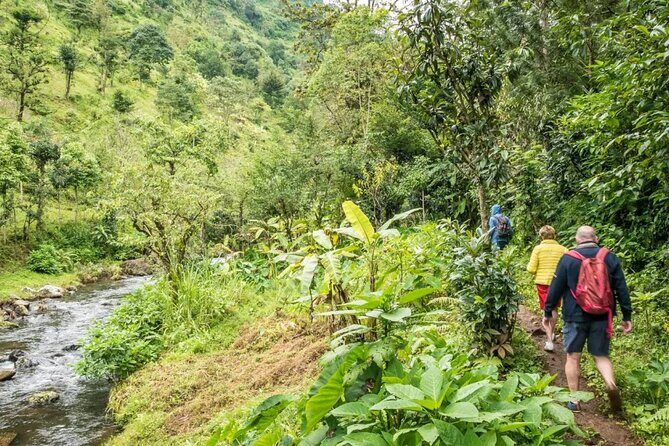
Arusha is often used as a launching point for Kilimanjaro treks. This tour gives you something else to enjoy: life around Kilimanjaro without the altitude push. Materuni Waterfalls come from snow run-off from Kilimanjaro, so you’re literally seeing water tied to the mountain, just closer to villages instead of high trails.
The setting also feels more grounded. Materuni is a real village stop, where the local guide is there to provide context and where the tour actively supports village participation. That means you’re learning how people live with the land, not only looking at it from a bus window.
And then there’s the practical bonus. A day like this lets you experience a slice of the Kilimanjaro region even if you’re short on time or energy. You still get nature, culture, and food, all in one loop.
You can also read our reviews of more hiking tours in Arusha
The rainforest walk to Materuni Waterfalls: what to expect on the ground
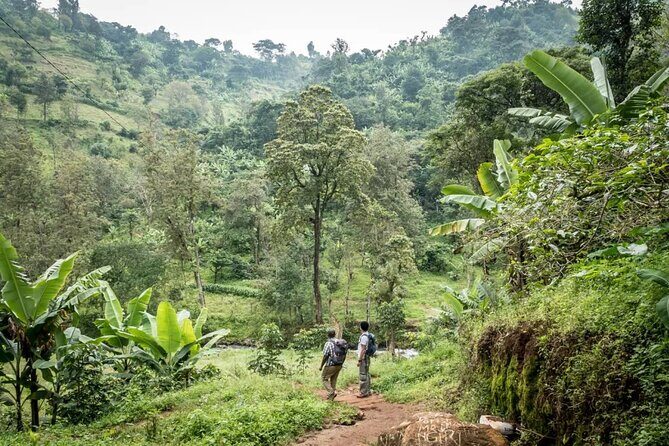
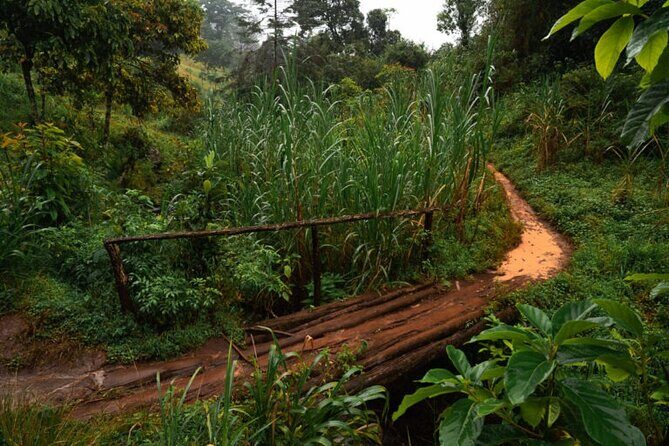
The day typically starts with pickup from your hotel area in Arusha, and you head toward Materuni Village. Once you arrive, you’ll connect with a local guide. The walk itself goes through dense rainforest, where birdsong and leaf rustling are basically the soundtrack.
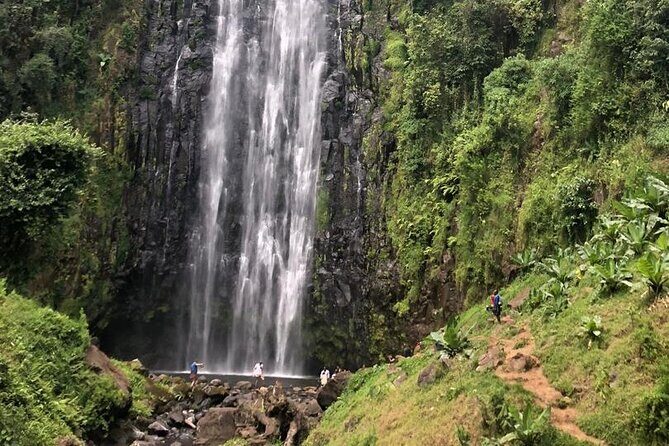
From the village, the falls are about a half-hour walk. It’s framed as an easy walk, but easy still means you should be comfortable on foot. One of the best pieces of advice here is simple: bring shoes you trust on uneven ground, and don’t plan to wear anything that’s slippery when wet.
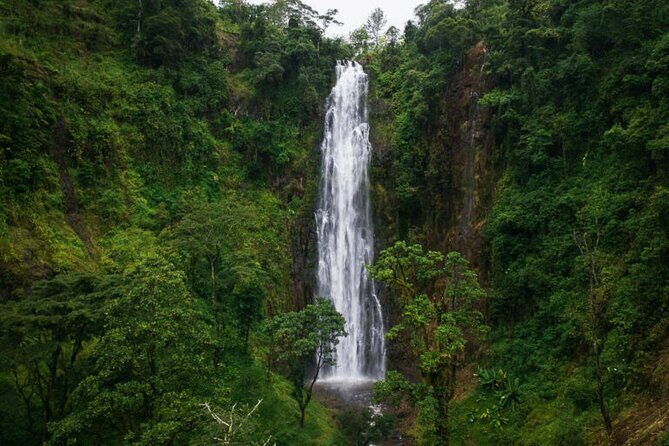
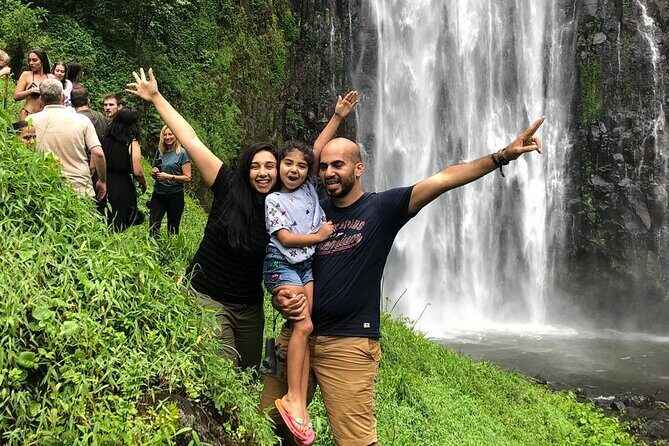
When you reach Materuni Waterfalls, you’ll see why the height gets mentioned. The falls are described as impressive, around 100 meters tall. On a good day, you’ll also get the chance to swim. That part is described as possible, not guaranteed, so treat it as a maybe and keep your expectations flexible.
A few practical thoughts for your comfort:
- Plan to get a bit damp. Rainforest weather can change quickly.
- If you want to swim, bring something quick-drying and a way to secure your phone/camera.
- Give yourself time to soak in the view before you rush back. The falls are the visual payoff.
Chaga coffee tour: grinding, roasting, sifting, and drinking
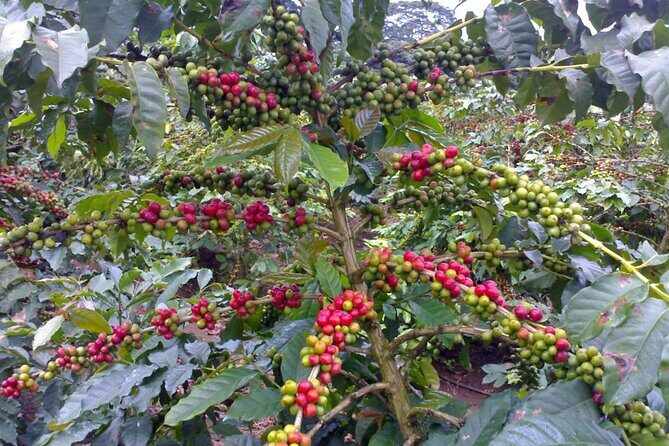
After the waterfall time, the day shifts from water to coffee. You’ll return to the village and then head to a nearby coffee plantation. This is where the tour becomes genuinely interactive.
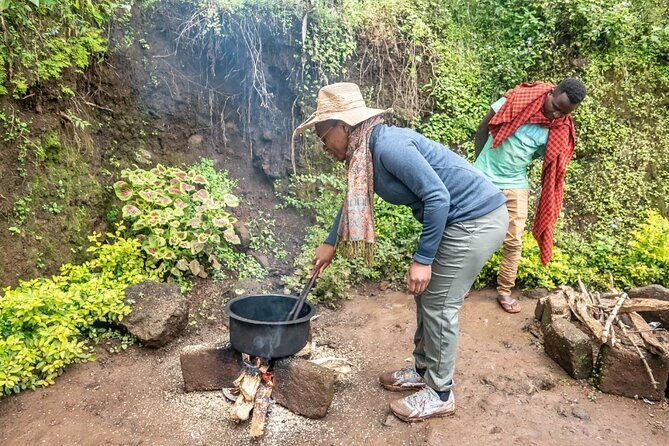
You meet members of the Chaga tribe, and they show you where coffee is grown and how the work is done. Then you move through the production steps, from harvesting and roasting to grinding and sifting. Finally, you’ll drink the coffee you helped process.
Why this matters: coffee tours can sometimes feel like a sales pitch with a few props. Here, the value is in participation. When you grind and roast as part of the process, you understand how a cup tastes different because you saw the work behind it.
A couple of coffee reality checks before you go:
- Coffee taste depends on how it’s processed and roasted. Doing the steps yourself makes that click fast.
- You’ll likely be asked questions and encouraged to follow along, which is great if you like conversation.
- If you’re a coffee person, this is the kind of stop that makes you notice flavors more later.
In past outings, guides credited by name have included Charz, with others such as Ben or Elinami leading explanations. You may not get the exact same guide, but the style you’re looking for is clear: friendly, hands-on, and grounded in local knowledge.
How the day flows: timing, lunch, and the return to Arusha
This tour is described as lasting about 6 to 10 hours. That wide range usually means the day can flex with pace, weather, and how long you linger around the falls. In plain terms: you’ll have a full day, so plan your other activities around it.
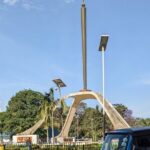
You start at the Clocktower Roundabout in Arusha, and the activity ends back at that meeting point. In addition, pickup from your hotel is offered, so you don’t have to figure out local transport to begin with.
Food is handled in a sensible way. Lunch at a local restaurant is available during the tour, and mineral water is included. Highlights also mention bottled water, so you can count on staying hydrated without improvising.
Here’s a realistic flow of the day:
- Pickup and drive to Materuni Village
- Walk through the rainforest to the waterfall area
- Falls viewing, and possibly swimming
- Return to the village
- Coffee plantation experience and tasting
One more practical note: if you’re trying to see Kilimanjaro through clouds near Moshi, you’ll want a day with good visibility. The tour notes that on a great day, the mountain can be seen through the clouds, so don’t assume you’ll get that view every time.
Price and value: does $260 make sense for Materuni + coffee?
At $260 per person, this isn’t a budget add-on. But it can be good value if you compare what’s included and what would cost you otherwise.
What your money covers includes:
- Private transportation
- All fees and taxes
- Parking fees
- Lunch at a local restaurant (available during the tour)
- Drinking mineral water included
- Admission to the mentioned attractions
It also includes a mobile ticket and group discounts are offered. And the tour limits group size to a maximum of 15 travelers, which tends to keep things smoother.
Where costs can add up outside the package:
- Tips are customary, based on your discretion and satisfaction level
- Alcoholic beverages aren’t included
So the real value question for you is: do you want a full-day, organized experience that handles transport, meals, and entry-style costs in one go? If yes, $260 can feel fair. If you’re the type who likes to self-drive and negotiate everything yourself, the packaged price might feel steep.
A few more Arusha tours and experiences worth a look



Private feel with small-group limits (and why it’s not just marketing)
The tour is described as offering a private tour experience, while also stating a maximum of 15 travelers. That combination often means you won’t be stuck with a huge crowd at the falls or during the coffee steps. You’ll still have a group dynamic, but it’s not a big, loud bus situation.
Another plus is the village-guide requirement. That requirement matters because it connects the tour to a community-based role. You’re not only getting a guide for your convenience; you’re participating in an arrangement that supports village involvement.
If you prefer to ask questions, this kind of setting tends to work well. Coffee and waterfall days are both easier to enjoy when you’re not constantly waiting for strangers to catch up.
Weather, cloud cover, and getting the most from the day
This experience requires good weather. If it’s canceled because of poor weather, you’ll be offered a different date or a full refund. That’s important because waterfall conditions and visibility depend on nature’s mood.
Even with good weather, cloud cover can change. The tour specifically notes that when conditions are right, Kilimanjaro can be seen through the clouds as you approach Moshi. That means you should keep an open mind. Plan to enjoy what you can control—your walking comfort, your ability to linger, and your patience with changing skies.
Bring basic rain readiness if you can: a light rain layer and quick-drying items help. Not because you’ll necessarily get soaked, but because rainforest regions often come with surprise weather.
Who should book this Materuni Waterfall and Coffee tour?
This is a strong fit if you want a Kilimanjaro-area day that mixes nature and culture without altitude trekking. You should especially like it if you:
- Want to see Materuni Waterfalls without a long hike day
- Like coffee and want to understand processing steps you can’t learn from a menu
- Prefer small-group outings with a more personal feel
- Enjoy meeting community members, including Chaga farmers involved in coffee growing
It’s also suited to many travelers, since it’s described as Most travelers can participate. Still, I’d treat it as a walk day: wear good shoes and make sure you’re comfortable moving on foot for the waterfall portion and back.
If you hate getting a little muddy or standing wet in mist, you’ll have to be thoughtful about clothes. But if you like experiences that feel real and active, this one fits.
Should you book it?
I’d book this tour if you want a day that feels more like a local experience than a checklist. The waterfall walk gives you the dramatic payoff, and the coffee portion gives you a story you can actually explain later, because you’ll grind, roast, sift, and taste.
If you’re traveling only for extreme views or you need something completely sedentary, this might not match your style. But if you’re okay with a rainforest walk and you want culture plus nature in one organized package, it’s an efficient, memorable choice.
FAQ
FAQ
How long is the Materuni Waterfalls and coffee tour?
The duration is listed as approximately 6 to 10 hours.
Where does the tour start and end?
It starts at Clocktower Roundabout, Arusha, Tanzania, and ends back at the same meeting point.
Is pickup from my hotel included?
Pickup is offered.
What do I do at Materuni Waterfalls?
You hike from Materuni Village to the waterfalls, view them, and you may be able to swim depending on conditions.
How long is the walk to the falls?
The waterfalls are about a half hour walk from the village.
What happens during the coffee part of the tour?
You visit a nearby coffee plantation and learn how coffee is produced, including grinding, roasting, sifting, and then drinking it.
Who shows you the coffee-growing process?
Members of the Chaga tribe help explain where coffee is grown and how the process works.
Is lunch included?
Lunch at a local restaurant is available during the tour.
Is mineral water included?
Yes, drinking mineral water is included.
Are alcoholic beverages included?
No, alcoholic beverages are not included.
What’s the weather rule for this experience?
The experience requires good weather. If it’s canceled due to poor weather, you’ll be offered a different date or a full refund.