REVIEW · MOSHI
Kilimanjaro Lemosho Route 8 Days
Book on Viator →Operated by Kilimanjaro Brothers · Bookable on Viator
The Lemosho route changes Kilimanjaro. This 8-day climb from Moshi is planned for a daylight summit feel (with sunrise timing), plus time past the Kibo crater rim and across the Shira Plateau. You also get sweeping views over the Great Rift Valley, Mt Meru, and Longido as the trail steps higher and feels less and less like regular hiking.
I especially like two things. First, the safety package: emergency oxygen tanks, a Gamow Bag, a pulse-oximeter, and VHF handheld radios carried on the trek. Second, the everyday comfort basics that keep you functional: warm water for washing each day and clean, purified drinking water alongside full meals at camp.
One thing to think about: this is a serious altitude adventure, and the price reflects that included support. At $2,833.34 per person, you’re not shopping for cheap trekking hours; you’re buying time, staffing, and equipment for the hardest days.
In This Review
- Key things that make this Kilimanjaro Lemosho 8 days different
- Why the 8-day Lemosho plan fits a sunrise summit goal
- Moshi start logistics: getting to Londorossi Park Gate smoothly
- Day-by-day: from Mti Mkubwa to the Shira Plateau
- From Karanga to Barafu: the “final approach” rhythm
- Day 8: the Mweka Gate finish and summit certificate ceremony
- Camp life and day-to-day comfort that actually help
- Guides, porters, and communication on a route like this
- Price and value: what $2,833.34 buys you on this climb
- Who should pick this Lemosho 8-day itinerary
- Quick reality check on the hardest day
- Should you book Kilimanjaro Brothers on the Lemosho 8-day route?
- FAQ
- What’s the highest point on this Kilimanjaro Lemosho itinerary?
- Where does the trek start?
- How long is the tour?
- Are meals included?
- What safety and medical items are included on the mountain?
- What about hotels before and after the trek?
- Is airport pickup and transport included?
- Is the price all-inclusive, or what’s not included?
- Is free cancellation available?
Key things that make this Kilimanjaro Lemosho 8 days different
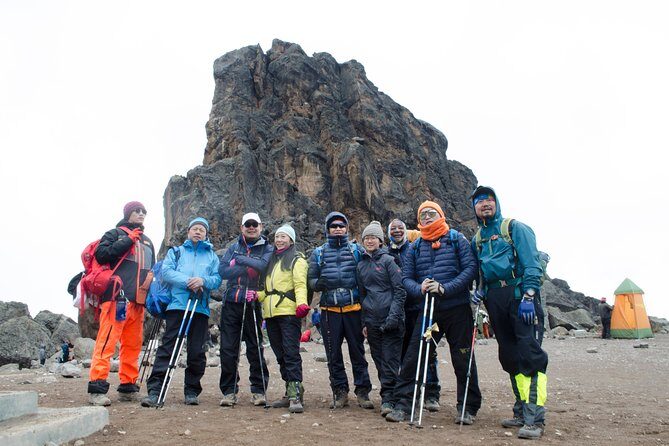
- Daylight-summit planning: Built around reaching Uhuru Peak with sunrise timing and then descending while there’s still light.
- Crater-rim scenery: You pass by the Kibo crater rim and trek to the top of the inner Reusch crater, plus the Shira Plateau crossing.
- Real safety gear in your kit: Oxygen tanks, Gamow Bag, pulse-ox checks, and VHF radios for communication.
- Well-spread acclimatization days: Camp-to-camp stages step upward gradually before the final push.
- Better camp comfort than the bare minimum: Warm washing water daily, solar LED lights in camp, and proper toilet tents.
- Team support you can feel: Past trekkers highlight guides like Abel and Eli, and cooks such as William and Thomas, plus helpful leadership from George.
Why the 8-day Lemosho plan fits a sunrise summit goal
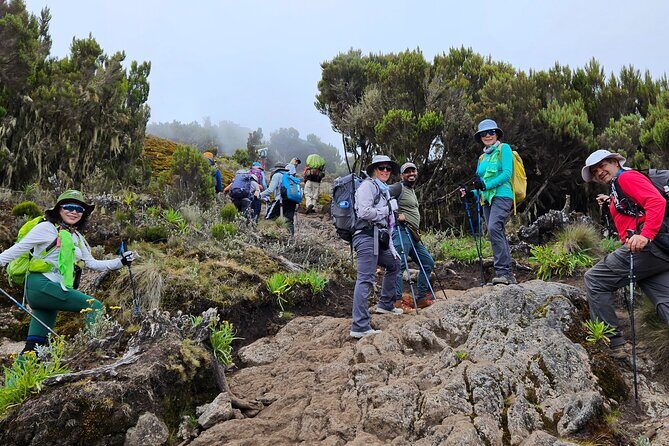
Kilimanjaro is not one long straight climb. It’s timing, altitude tolerance, and learning how to move when your body wants to slow down. The Lemosho route is often chosen because it can feel calmer than the faster routes while still getting you to the summit attempt on schedule.
This version leans into a specific goal: an ascent to the summit in the daylight hours with sunrise timing. In practice, that means your summit morning is planned so you’re not returning to camp in full darkness. It also lines up with the itinerary’s Day 7 pattern: summit, then immediately descend, with Barafu as a short rest point before continuing down to Mweka Camp.
If you’re the type who hates not seeing where you’re going, this design matters. Poor visibility on steep, rocky sections can turn a tough climb into a scary one. Sunrise timing helps you keep your bearings.
You can also read our reviews of more tours and experiences in Moshi.
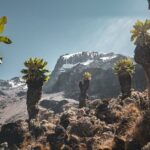
Moshi start logistics: getting to Londorossi Park Gate smoothly
Most of the stress on Kilimanjaro is the stuff you don’t want to think about: getting to the right gate, on time, with the right rhythm. This trip is based in Moshi and includes arrival and departure transfers, plus all transportation in the destination area. It also lists pickup as offered and uses a mobile ticket option.
On Day 1, you drive to Londorossi Park Gate (2,385m / 7,825 ft). From there, the climb begins with a gentle ramp toward your first camp. That matters because the first day is partly about moving, and partly about not shocking your body after a travel day.
If you want a trek that feels structured from the first drive, this is the kind of package that tries to remove decision fatigue.
Day-by-day: from Mti Mkubwa to the Shira Plateau
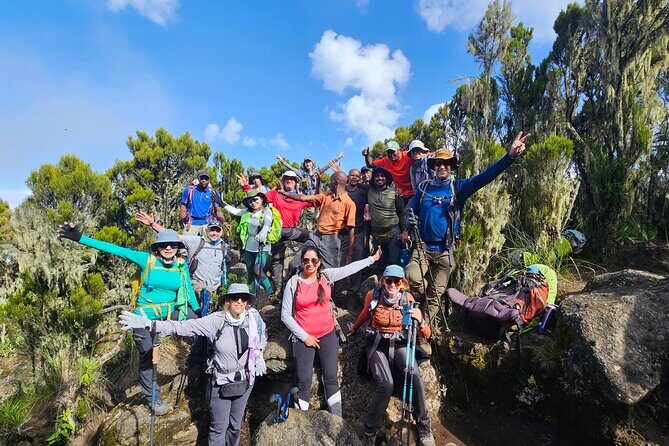
Day 1: Londorossi Park Gate to Mti Mkubwa Camp (2,700m / 8,858 ft)
You climb about 8 km over roughly 3–4 hours. This is your warm-up day at altitude, and it’s long enough to get your legs working without being a full test of endurance. Expect proper hiking time, not a quick stroll.
Day 2: Mti Mkubwa Camp to Shira Camp 1 (3,500m / 11,483 ft)
This step up is bigger. Plan for 6 km over around 5–6 hours. Shira Camp 1 is where the air starts to feel noticeably thinner, so pace is everything.
Day 3: Shira Camp 1 to Shira Camp 2 (3,840m / 12,598 ft)
It takes 3–4 hours for about 8 km. The key on a day like this is rhythm: steady effort, frequent breathing checks, and keeping your head clear. It’s a short enough stage that you’re still building altitude without feeling totally drained.
Day 4: Shira Camp 2 to Barranco Camp (3,950m / 12,959 ft)
Now you’re at 3,950m, with a longer walk: 8 km over 6–7 hours. This is where the trek starts to feel like proper Kilimanjaro rather than a sequence of camps. The route also transitions into more varied terrain, so footing and slow, deliberate movement matter more than speed.
Day 5: Barranco Camp to Karanga Valley Camp (3,995m / 13,106 ft)
This day is shorter and gentler at 5 km over 4–5 hours. Still, don’t treat it like a rest day. Altitude fatigue builds even when the distance seems manageable. Karanga Valley Camp also sets you up for the jump toward Barafu.
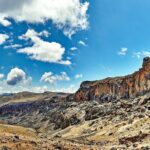
What I like about the early days: they don’t rush you straight into the highest zones. You get time across the Shira Plateau area, and you end up with a better chance of arriving at the final week feeling like a climber instead of a passenger.
From Karanga to Barafu: the “final approach” rhythm
Day 6: Karanga Valley Camp to Barafu Camp (4,550m / 14,928 ft)
This is a short distance, 4 km, but over 4–5 hours. That’s common on Kilimanjaro: steepness and altitude slow your pace more than the kilometers do. Barafu sits at 4,550m, and it’s the last major staging point before the summit attempt.
This is also the night where you’ll want to be extra disciplined: sleep as much as possible, hydrate, and follow the guide’s plan for timing. On a route like this, the body is being pushed toward a threshold. Small mistakes in the hours before your summit push can feel bigger later.
Day 7: Summit attempt to Uhuru Peak (5,895m / 19,341 ft), then down to Mweka Camp (3,060m / 10,065 ft)
This is the signature day. The ascent to Uhuru Peak is 5 km and takes about 7–8 hours. After summiting, the plan is to descend through Barafu for a short rest, then continue down to Mweka Camp for 4–6 hours over about 12 km.
That huge altitude drop is both a blessing and a challenge. Your lungs may feel like they can breathe again lower down, but your legs will still work hard on the way down. It’s normal for knees and quads to complain. You’ll feel it more if you try to move too quickly.
This is also where the included safety tools can matter. Even if you never need them, oxygen tanks, the Gamow Bag, a pulse-oximeter, and VHF communication are part of the support structure on the hardest hours.
Day 8: the Mweka Gate finish and summit certificate ceremony
Day 8: Mweka Camp to Mweka Gate (4,600m) and onward to Park View Inn
Your final walk is about 4 km and usually 3–4 hours to reach Mweka Gate. It’s still at altitude, but it’s not the technical grind of the summit day.
After the descent, you transfer to Park View Inn for a certificate and summit party ceremony. That little end-of-trip moment matters more than people expect. After days of focusing only on the next step, it helps to mark the finish line with something official and celebratory.
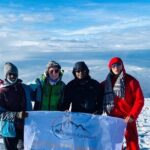
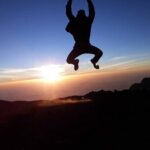
Camp life and day-to-day comfort that actually help
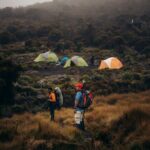
Some Kilimanjaro packages list food and tents. This one spells out more practical camp items, and that changes how the days feel.
- Warm water for washing every day: When you’ve got sweat, dust, and a lot of layering, this is not a luxury. It helps you reset at camp.
- Clean, purified drinking water: You’re at high altitude. You want hydration to be simple and reliable.
- Toilet tents and a portable personal flash toilet: Sanitation isn’t a romantic topic, but it affects morale fast.
- Solar LED lights and waterproof tents with sleeping mats: You’re dealing with cold nights. Lighting and decent bedding help you manage the routine.
- All meals while on the mountain: Breakfast, lunch, and dinner are covered during the climb. Portion size is described as large, with fresh, healthy, nutritious food.
You’ll also notice some “supporting details” built into the structure: aluminum dining tables and chairs with backs and armrests for meals. It’s a small thing, but it can make the down times feel less chaotic and more human.
Guides, porters, and communication on a route like this
The climb is only as good as the team running it. This trip is private, with experienced professional English-speaking mountain guides. It also includes a porter to carry your day-pack during the summit attempt, which can be a real help when your body is running on fumes.
Communication and monitoring are a big part of safety here:
- VHF handheld radios are carried on each trek for communication.
- A pulse-oximeter helps measure oxygen level.
- Rescue fees on mountain are included.
The guides and support crew also show up clearly in past experiences. Names that come up include Abel and Eli, Richard and Eli, Justin and Eli, plus Abdul and Priscus as guides. Cooks such as William and Thomas are highlighted too. Leadership from George is mentioned as being helpful before arrival.
One note you’ll appreciate if you’re hiring for a serious climb: the package explicitly states fair and ethical treatment of porters. That’s a quality filter. It doesn’t guarantee perfection, but it does suggest the company is thinking about who does the work that makes your trek possible.
Price and value: what $2,833.34 buys you on this climb
Let’s talk value without pretending prices don’t matter. At $2,833.34 per person, this is not a bargain-basement Kilimanjaro.
What you’re paying for, based on what’s included:
- Safety gear: emergency oxygen tanks, Gamow Bag, pulse-oximeter, VHF radios.
- Mountain operations: all meals while on the mountain, warm washing water daily, purified drinking water.
- Comfort systems: solar LED lights, sleeping mats, waterproof tents, toilet tents.
- Ground logistics: arrival and departure transfers, plus all transportation in the destination area.
- Park and government fees: all government tax and park entrance fees.
- Lodging before and after: 2 nights classic standard hotel accommodations plus 2 nights comfort hotel accommodations, with bed and breakfast.
- On-mountain administration: rescue fees included.
What’s not included: tips, Tanzania visa on arrival, personal expenses like laundry and beverages, and optional safari add-ons.
If you’re comparing packages, treat the safety equipment and full support staff as part of the real cost. A cheaper climb often cuts corners in the places that matter most when altitude turns difficult.
Who should pick this Lemosho 8-day itinerary
Choose this if you:
- Have moderate physical fitness and can handle long days on your feet.
- Want a route with more scenic variety (it’s described as more scenic) and time on the Shira Plateau.
- Prefer a plan that aims for summit timing with sunrise and then continues the descent in daylight.
- Value solid on-mountain support like communications, oxygen readiness, and monitoring.
Consider another approach if you:
- Know you struggle in cold, high-altitude conditions and can’t realistically train or pack for it.
- Want a very short trek. This is an 8-day plan, not a fast push.
Also: it’s private, so only your group participates. If you’re traveling with friends or want a more controlled pace, that can be a plus.
Quick reality check on the hardest day
Day 7 is the make-or-break. Uhuru Peak is 5,895m, and the itinerary then sends you down to Mweka Camp (3,060m). Even with rest at Barafu, it’s a long combo: climb hard, then descend hard.
You’ll feel both oxygen strain and muscular strain. The best move is not trying to hero your way through it. Follow the guide’s pacing, pay attention to your breathing, and use the oxygen and pulse-ox monitoring the team provides if needed.
The goal is to stay calm and efficient. The summit is the headline, but the process is what keeps you safe.
Should you book Kilimanjaro Brothers on the Lemosho 8-day route?
If you want a Kilimanjaro climb that blends scenic Lemosho routing with a safety-forward setup and real camp comfort, this is a strong match. The included equipment list is detailed enough that you’re not guessing what happens if altitude gets rough.
My recommendation: book if you’re ready for a true expedition, want the sunrise-and-daylight summit feel, and appreciate strong staffing and logistics from Moshi onward. Skip it only if budget constraints are your top priority or if you’re not physically ready for long, high-altitude days.
FAQ
What’s the highest point on this Kilimanjaro Lemosho itinerary?
The plan reaches Uhuru Peak, which is listed at 5,895 meters (19,341 feet).
Where does the trek start?
Day 1 begins with a drive to Londorossi Park Gate at 2,385 meters (7,825 feet), then continues to Mti Mkubwa Camp.
How long is the tour?
The itinerary is 8 days (approx.).
Are meals included?
Yes. All meals while on the mountain are included (breakfast, lunch, and dinner for the days on the route).
What safety and medical items are included on the mountain?
Included items list emergency oxygen tanks, a Gamow Bag, pulse-oximeter monitoring, and VHF handheld radios carried on the trek, plus rescue fees on mountain.
What about hotels before and after the trek?
You get 2 nights classic standard hotel accommodations and 2 nights comfort hotel accommodations, with bed and breakfast, one before and after the trek.
Is airport pickup and transport included?
Arrival and departure transfers are included, and the tour includes all transportation in the destination location. Pickup is also offered.
Is the price all-inclusive, or what’s not included?
Not included are tips, Tanzania visa on arrival, personal expenses (like laundry and beverages), and optional tours such as a safari add-on.
Is free cancellation available?
Yes. You can cancel up to 24 hours in advance for a full refund, based on local time cut-offs. If canceled due to poor weather, you’re offered a different date or a full refund.