REVIEW · ARUSHA
9-Day Serengeti Migration Footsteps Tanzania Safari
Book on Viator →Operated by Lion King Adventures · Bookable on Viator
Migration season turns the safari volume up.
This 9-day Tanzania trip is built around the Great Migration, with serious time in the Serengeti and the right geography for watching the herds make their move. I like that it mixes high-impact days (Northern Serengeti river-crossing chances and Ngorongoro Crater wildlife) with steadier wildlife watching in parks that are great even when the migration is quiet.
Two things I especially like: you get a focused run at migration viewing in the Northern Serengeti and you spend a full day on Ngorongoro Crater floor for big-animal viewing in an unfenced setting. One consideration: the itinerary is active and the drives are long, so plan for early starts and lots of time in the safari vehicle.
In This Review
- Key highlights to know before you go
- Arusha arrival: get settled, get oriented, then get going
- Tarangire National Park: baobabs, elephants, and a river that does the work
- Transition day toward Serengeti: Ngorongoro Conservation Area gives you the wow-view
- Northern Serengeti for the migration: fewer crowds, better odds, real Mara drama
- The “one brave wildebeest” payoff
- More Serengeti time: mix of predators and migration aftermath
- Ngorongoro Crater night and day: wildlife inside the caldera
- Lake Manyara finish: birds, monkeys, and lions near the trees
- Price and value: what $4,539 is buying you (and what it isn’t)
- Guides and “day in, day out” quality: where the best safaris quietly win
- Comfort and lodging: tented nights, crater-rim sleep, and real downtime
- Who this safari fits best
- Should you book the 9-Day Serengeti Migration Footsteps Safari?
- FAQ
- How many days is the safari?
- Where does the trip start and end?
- What time does the tour start on day one?
- Is airport pickup included?
- Which parks are included in the itinerary?
- Does the price include meals?
- Are international flights included?
- Is this a private group experience?
- What migration timing is mentioned for the areas on this route?
- Does the tour provide a mobile ticket?
- Is free cancellation available?
Key highlights to know before you go
- Northern Serengeti in the August window: fewer visitors than the main entry areas, more time on rolling country and kopjes
- Mara River crossing attempts: the timing is set for the dramatic moments, not random roaming
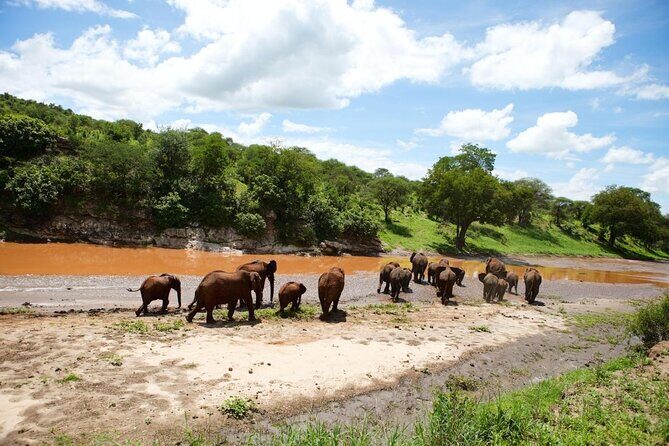
- Tarangire with baobabs and elephant families: a different look from the Serengeti’s open plains
- Ngorongoro Crater as a wildlife bowl: a rare chance to watch animals move freely inside a natural caldera
- Lake Manyara variety at the end: flamingos, birds, and a chance of lions near trees
Arusha arrival: get settled, get oriented, then get going
Your safari starts in Arusha, with airport pickup arranged through a Lion King Adventures representative. The first day is intentionally light: you move to your accommodation, settle in, and sleep in a real bed before the long days in the field.
This matters more than it sounds. Many safari itineraries dump you straight into park driving. Here, you get a buffer day to handle jet lag, swap money, and get your camera and binoculars where you can reach them fast.
If you’re the type who likes a plan, you’ll probably appreciate that the trip is paced with clear park-to-park transitions rather than chaotic “we’ll see what happens” energy.
A few more Arusha tours and experiences worth a look
Tarangire National Park: baobabs, elephants, and a river that does the work
Tarangire is the kind of park that changes your expectations. Instead of endless open grass, you get baobab-dotted ground, ancient-looking trees that look like they’ve been standing since before safari time was invented, and a river system that concentrates wildlife.
The day is built around a full game drive, and it’s not just big-cat chasing. Tarangire is famous for having Tanzania’s strongest elephant population in the area, so you’re likely to spend real time watching elephant families interacting calmly.
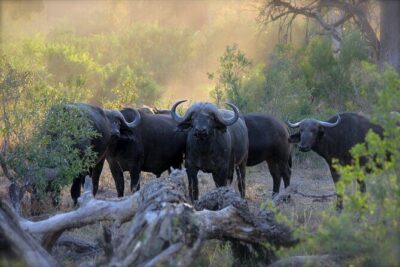
You’ll also have a shot at lion, leopard, buffalo, zebra, giraffe, and antelope, plus lots of colorful birds. If you’re traveling with mixed ages, Tarangire is also a good “first real safari day” because the wildlife density around the river gives you frequent sightings.
A small drawback: Tarangire can feel different from what people imagine as classic Serengeti “endless plains.” If that’s all you want, you may feel the day is more textured than dramatic.
Transition day toward Serengeti: Ngorongoro Conservation Area gives you the wow-view
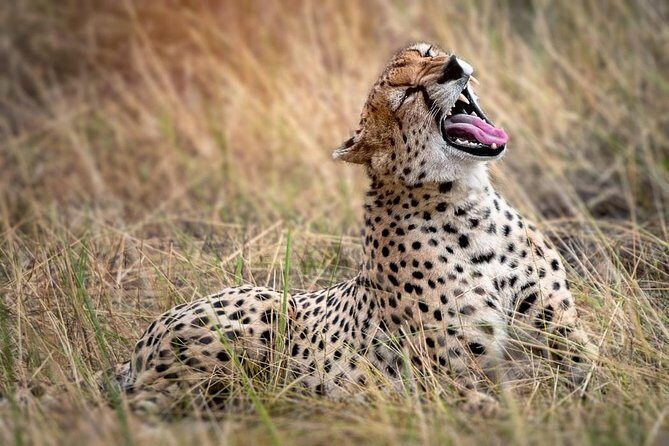
On the way to the Serengeti, the drive passes through the Ngorongoro Conservation Area, including a chance to see the breathtaking Ngorongoro Crater from the travel route before continuing on.
There’s also farming scenery along the way, because Iraqw people grow wheat and corn in the highlands. It’s a reminder that this region isn’t only parks and wildlife. People live here, and that background adds context to what you’re seeing later.
By midday, you reach the Serengeti National Park, so the day doesn’t end with just the drive. You get into position to start the migration-focused portion soon after.
Practical tip for this segment: keep your patience for the road transitions. Wildlife photos often happen from the vehicle window, so you’ll want your lenses ready and your water accessible.
Northern Serengeti for the migration: fewer crowds, better odds, real Mara drama
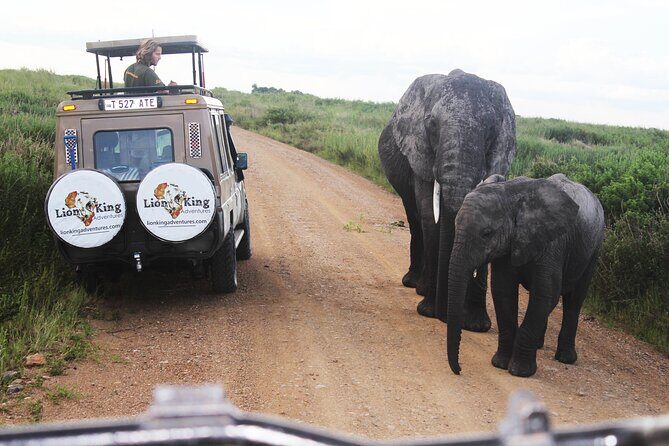
The itinerary’s core strength is the shift into the Northern Serengeti, stretching roughly 100 km from Seronera toward the Mara-area timing. This area is described as rolling country with small rivers, occasional hills, and kopjes like Lobo Kopje.
What I like here is the strategy: Northern Serengeti gets fewer visitors than the better-known entry points. That can translate into more time with your guide focused on animal movement rather than sharing space and traffic.
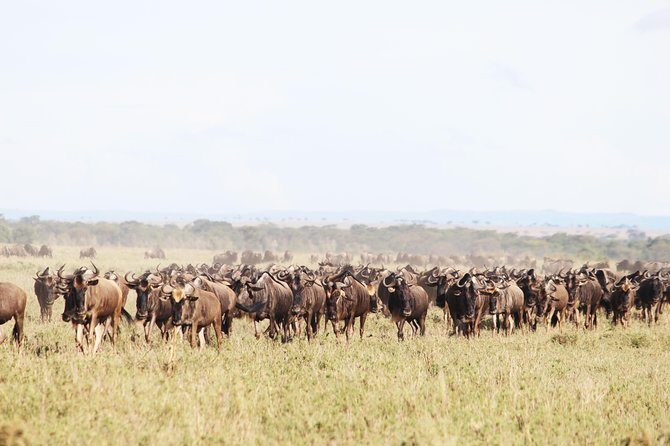
This is also where the Great Migration timing comes in. August is the stated window for migration here, and the goal is the moment when herds bunch up and test the Mara River crossing.
The “one brave wildebeest” payoff
One of the most memorable migration scenes isn’t just the river itself. It’s the tension right before everyone commits. The setup for crossing attempts includes time at river banks where you can see thousands of wildebeest gathered, staring across to the greener side, waiting for the first plunge.
In the best moments, one animal takes the literal risk, and then the pattern follows fast. You may also spot the resident dangers around the crossing zone, like crocodiles, which explains why the herds hesitate.
This is the day where your guide’s spotting skills matter. People praise guides for finding animals quickly and keeping the group positioned without rushing, and for migration country, that patience is worth its weight in gold.
More Serengeti time: mix of predators and migration aftermath
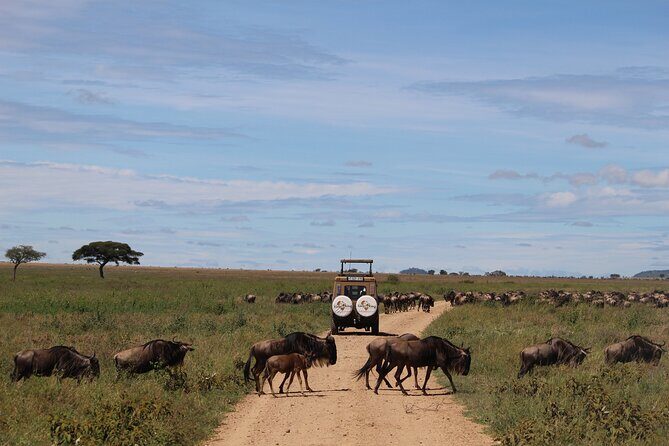
The plan doesn’t treat the migration as a single event and then move on. It gives you more time in the Serengeti with further game drives from the Seronera area, aiming for additional wildlife viewing beyond the crossing peak.
This is smart because migration doesn’t happen on a schedule your calendar controls. Even when crossings are the headline, the Serengeti is still alive with resident predators and other big players in the food chain.
You get mention of potential sightings for leopard, cheetah, and lion during predator-focused drives. If the crossing isn’t perfect on a given day, this buffer helps you feel like you’re still getting value every morning and afternoon.
In other words: you’re not paying for one lottery ticket.
Ngorongoro Crater night and day: wildlife inside the caldera
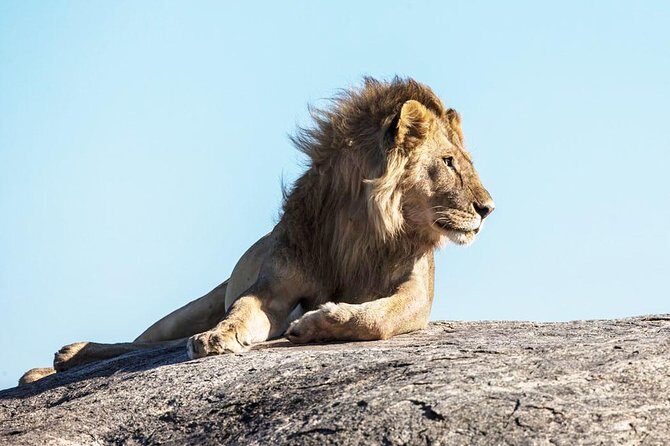
After more Serengeti driving, you travel to the Ngorongoro Crater rim, arriving in the afternoon and sleeping nearby so you can start early for the crater floor.
This is one of those classic “timing wins” moves. The day is set up for an early descent so you’re watching animals when they’re most active and the light is working in your favor.
Ngorongoro itself is described as a caldera formed about three million years ago with a depth of about 610 m and roughly 260 square kilometers. It’s also described as an enclosed ecosystem, which is why wildlife tends to be easier to track than in wider open parks.
The crater day is also one of the best places in Africa mentioned for viewing the big five. Animals move through unfenced reserves, which helps your viewing feel less like you’re in a zoo line and more like you’re observing real space-sharing.
One note: crater country can feel visually intense because there’s so much action. You’ll enjoy it most if you accept that you won’t photograph everything at once. Let your guide help you choose what to focus on, and you’ll still go home with memories that hit hard.
Lake Manyara finish: birds, monkeys, and lions near the trees
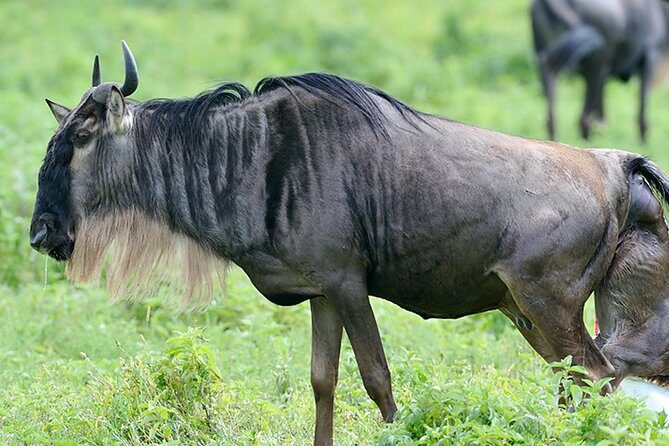
On the last day, you head to Lake Manyara National Park, about 120 km west of Arusha. This park is smaller than Serengeti, but the variety is the point.
The salt lake covers about 70% of the surface area and shifts with the seasons, flooding and drying. That change drives birdlife. You’ll have a chance at flamingos and mention of around 500 other bird species, plus sightings that can include monkey, giraffe, zebra, wildebeest, buffalo, elephant, and lions.
Lake Manyara also gets specific attention for a type of lion behavior: lions can be lounging in trees. Even if you don’t see that exact moment, the mixture of open areas, primate-filled woodlands, and baobab-dotted cliffs means your day won’t look the same from minute to minute.
After lunch, you drive back to Arusha to arrive late afternoon, so you don’t end up sleeping in transit. That’s a small comfort that helps if you’re packing for a flight later.
Price and value: what $4,539 is buying you (and what it isn’t)
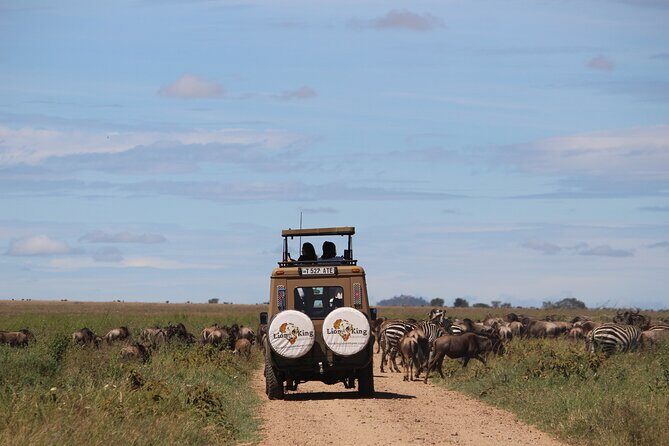
At $4,539 per person, this is not a budget safari. But it’s also not just “a vehicle and a promise.” Based on what’s included, you’re paying for a full circuit of major wildlife areas with enough time in Serengeti to chase migration patterns, plus meals and private logistics.
Included items you’ll feel day-to-day:
- Private transportation across parks
- Meals: 9 breakfasts, 8 lunches, 7 dinners
- Parking fees
- Pickup offered and mobile ticket
- The structure of a group-only trip, meaning it’s not a mixed, chaotic bus situation
What’s not included:
- International flights
- Gratitude (tips)
Value check: if you’ve priced other migration-focused safaris, the biggest determinant is whether the itinerary actually positions you for migration timing versus showing you a park map and hoping for the best. Here, the route repeatedly targets Serengeti’s Northern timing with additional days to increase your chance of a big moment.
If you want a safari that’s mostly about comfort on the road and minimal early mornings, this likely won’t match your style. If you want wildlife time with real odds, the price starts to make more sense.
Guides and “day in, day out” quality: where the best safaris quietly win
Across the provided feedback, a consistent theme is guide performance. Names that come up include Mwita, Gilbert, Ozzy, Enock, Leonard, Yusuph, Shafino, Amani, Simon, and Emanuel.
What people praise isn’t just friendliness. It’s spotting—good eyesight, knowing where to be, and making adjustments when the animals don’t show on cue. In migration country, that matters because the day can shift fast. A guide who can read the landscape and animal behavior helps you stay in the action rather than chasing rumors.
Another detail I like: some reviews call out picnic lunches as a favorite. In the field, that’s practical. It reduces back-and-forth, keeps your game drive rhythm intact, and gives you time to talk about what you just saw while it’s still fresh.
Comfort and lodging: tented nights, crater-rim sleep, and real downtime
This tour includes overnight stays in the safari circuit, including a night near the Ngorongoro Crater rim and tented lodge-style accommodations mentioned in feedback. People specifically noted lodges feeling clean and comfortable, and one review mentioned Nyota Luxury Camp as making guests feel like royalty.
Even if you don’t care about luxury, you’ll care about sleep quality after long driving days. The crater-rim setup is also practical because it shortens the morning scramble and lets you start the crater descent early.
Don’t expect a hotel-city routine. Expect nature sounds, vehicle time, and evenings that feel like a reset button before the next morning’s viewing.
Who this safari fits best
This is a strong fit if:
- You’re coming for the Great Migration and want time positioned for Mara River crossing attempts
- You want a mix of Serengeti action plus strong add-on parks like Tarangire and Lake Manyara
- You prefer a private group feel over large, mixed tours
It may be less ideal if:
- You want a very relaxed pacing with minimal driving
- You don’t handle early starts well, since the crater day is set for an early start
Should you book the 9-Day Serengeti Migration Footsteps Safari?
I’d book it if your top goal is migration-focused positioning with enough days to absorb real-world timing. The itinerary’s biggest strength is repetition in the right place: Northern Serengeti time around August, plus extra Serengeti drives to keep wildlife viewing strong even when crossings don’t line up perfectly.
I’d think twice if you’re chasing only the idea of one big river crossing scene and you’re not interested in other wildlife days that build the bigger story. Also, the road time is real. This is a safari, not a scenic walk-through.
If you do book, I’d pick this tour type with confidence. You’re getting the essential ingredients: the right parks, enough days in the right region, and guide-led logistics that keep you in the game.
FAQ
How many days is the safari?
The safari is listed as 9 days.
Where does the trip start and end?
It starts in Arusha, Tanzania and ends back at the meeting point in Arusha.
What time does the tour start on day one?
The listed start time is 8:30 am.
Is airport pickup included?
Pickup is offered, and the first day includes airport pickup from Arusha.
Which parks are included in the itinerary?
You’ll visit Tarangire National Park, Serengeti National Park, Ngorongoro Crater, and Lake Manyara National Park, with travel through the Ngorongoro Conservation Area en route to the Serengeti.
Does the price include meals?
Yes. Breakfast is included for 9 days, lunch for 8 days, and dinner for 7 days.
Are international flights included?
No, international flights are not included.
Is this a private group experience?
Yes. It’s a private tour/activity where only your group participates.
What migration timing is mentioned for the areas on this route?
Migration is described as being found in the Ndutu region from December to March, and in the remote Northern tip of the Serengeti from July to November. The Northern Serengeti section specifically mentions August.
Does the tour provide a mobile ticket?
Yes, a mobile ticket is included.
Is free cancellation available?
Yes. Free cancellation is available up to 24 hours in advance for a full refund.