REVIEW · MOSHI
Kilimanjaro Climb- 8 Days Lemosho Route
Book on Viator →Operated by Sote Tours & Travel · Bookable on Viator
A first step on Kilimanjaro is unforgettable. This 8-day Lemosho climb is built for big scenery and steady progress, moving you from heath and alpine meadows up toward the arctic zone near Uhuru Peak, then down through rainforest. It’s a premium-style route with a lot of support built into the package, so you can focus on walking, breathing, and staying calm.
I especially like the route mix. You don’t just hike one kind of terrain—you experience clear climate changes, which makes the days feel different instead of repetitive. I also like that so much of the practical stuff is included: mountain tents, a sleeping mattress, full board meals, drinking water, and even emergency oxygen plus an oximeter.
One thing to keep in mind: this is an 8-day commitment at high altitude, and you’ll still need to bring key personal items (sleeping bag, boots, trekking clothes) and handle travel/medical insurance yourself. Also, the climb depends on good weather, so flexibility helps.
In This Review
- Key things that matter on this Lemosho climb
- Why the Lemosho Route feels like more than a hike
- Price and what $2,600 actually covers on the mountain
- Moshi: your two nights to get your body ready
- The itinerary, phase by phase: from heath to Uhuru Peak and back down
- Phase 1: Pre-climb days and the 8:00am start
- Phase 2: Heath country—getting higher one step at a time
- Phase 3: Alpine meadows—where the air gets thinner fast
- Phase 4: Up toward the arctic zone near Uhuru Peak
- Phase 5: Descent through rainforest—warmth and a different kind of tired
- What’s included for safety, comfort, and peace of mind
- Oxygen and oximeter: not just words on a brochure
- Emergency first-aid kit
- Tents and sleeping mattress
- Food and water are taken seriously
- Guide team and the human side of logistics
- Packing reality: what you must bring (and what you can relax about)
- How hard is it, really? Fitness and the altitude equation
- Group size and pace: why max 20 travelers is a comfort detail
- Should you book this 8-day Lemosho climb with Sote Tours?
- FAQ
- What is the duration of the Kilimanjaro climb on the Lemosho route?
- Where does the tour start and what time does it begin?
- Is pickup offered?
- How many nights are spent in Moshi?
- What is included on the mountain for meals and water?
- Do you get a guide and what language do they speak?
- Is emergency oxygen included?
- What important items are not included that I should plan for?
- Is travel or medical insurance required?
- What is the cancellation policy?
Key things that matter on this Lemosho climb
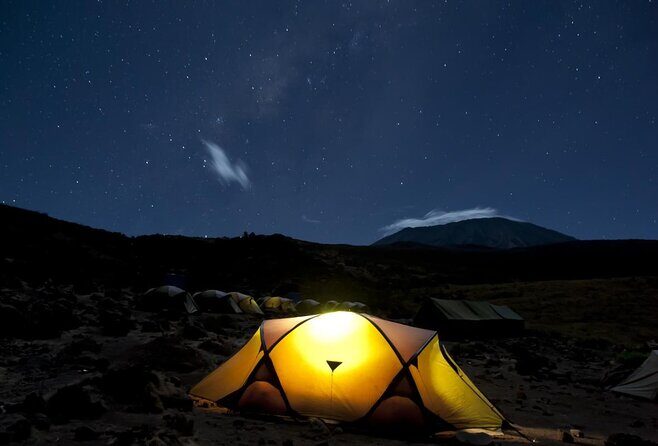
- Scenic climate transitions: heath → alpine meadows → arctic zone near Uhuru Peak → rainforest descent
- Oxygen + oximeter included: emergency readiness is built into the plan
- Strong food support: full board meals and drinking water on the mountain
- Realistic pacing potential: the Lemosho approach is commonly chosen for time to adjust to altitude
- Smaller group: max 20 travelers, so logistics feel more manageable
- You get Moshi prep time: 2 nights B&B before you start climbing
Why the Lemosho Route feels like more than a hike
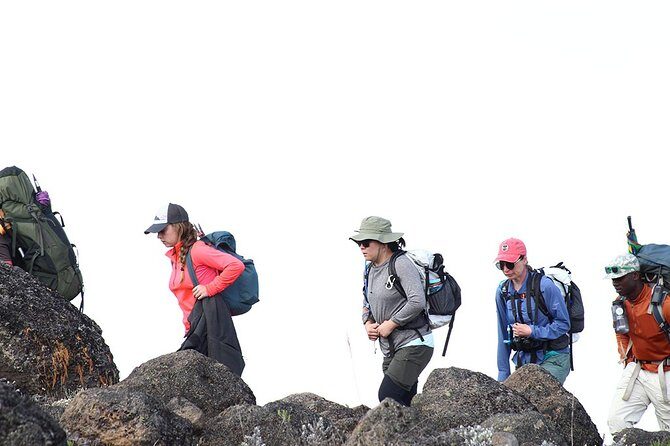
The Lemosho route is popular for a reason: it has variety. You start in vegetation zones that feel like the mountain is waking up, then you gradually move into higher country where the air changes fast and the scenery turns stark. The route’s big promise is in the transitions—heaths to alpine meadows, then up toward the cold arctic zone near Uhuru Peak.
That matters for how the trip feels. When altitude is the main challenge (and it is), you want the mental side to stay interesting. Changing scenery helps. It gives you something to focus on besides the next breath, the next step, and the next cold gust. On this route, you’ll be looking at different “worlds” more than once.
It also matters for your photos, sure—but more importantly, it matters for your energy management. Different terrain means different muscle work, and it breaks up the monotony that can sneak in on long climbs. You’ll still be tired. You’ll also feel like you earned the view when it shows up.
You can also read our reviews of more tours and experiences in Moshi.
Price and what $2,600 actually covers on the mountain
At $2,600 per person, this is not a cheap weekend. But it is a “premium route” package with a lot of operational costs already folded in. That’s the value story.
Here’s what you do get included, based on the package details:
- 2 nights in Moshi (Bed and Breakfast)
- On-mountain full board meals and drinking water
- Mountain camping setup: tents and a sleeping mattress
- An English-speaking mountain guide
- All fees and taxes
- Gate transfers
- Safety and monitoring: emergency first-aid kit, an emergency oxygen cylinder, and an oximeter on the mountain
- Crew support: fair and sustainable salary for the team as approved by KINAPA
The big practical difference is this: you’re not showing up to a mountain and then discovering you need to rent everything last minute. You also have key safety items already in the mix—oxygen and monitoring are huge in a place where conditions can turn quickly.
What the price does not cover is just as important:
- Flights and visa fees
- Travel/medical insurance (required)
- A Gamow bag
- Medication
- Tips/gratuities
- Personal spending money
- Energy snacks/drinks, alcohol, soft drinks
- Your personal gear like sleeping bags, boots, and trekking clothes
So the real value equation is simple: if you’re organized with your gear and insurance, this package pays you back in convenience and support. If you’re not, you’ll feel it in extra costs before you even start climbing.
Moshi: your two nights to get your body ready
You get 2 nights in Moshi at Bed and Breakfast, which is more than a courtesy. It’s time to breathe before the schedule gets intense.
Moshi is where you can:
- Get your timing right (and reduce the stress of arriving and climbing immediately)
- Eat proper meals and reset after travel
- Handle last-minute shopping for gear you forgot (even if it’s cheaper to do it before you go)
The package also mentions pickup is offered, and you’ll start with a schedule point at 8:00am. That early start time matters because on Kilimanjaro, the day often begins before you fully feel awake. With those Moshi nights, you can plan for a real night’s sleep and a calmer morning.
If you like things tidy and predictable, this is the kind of setup that reduces the chaos factor—especially on a first Kilimanjaro attempt.
The itinerary, phase by phase: from heath to Uhuru Peak and back down
You won’t have one single “kind of day” on this climb. The core idea of the Lemosho route is the movement through zones. Here’s what you can expect over the full 8 days / 7 nights with 5 mountain nights (because 2 nights are in Moshi).
Phase 1: Pre-climb days and the 8:00am start
You begin with a morning start time of 8:00am and the package includes Kilimanjaro gate transfers. Translation: you should treat the first morning as a real start, not a lazy travel day.
What’s special here is the transition from daily life to climb mode. You’ll be mentally switching from comfort to routine. That’s when I like to do two things:
- Check your clothing layers twice (not once)
- Keep your small essentials organized so you don’t repack every time you stop
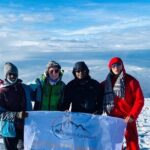
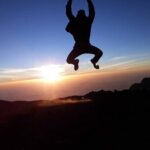
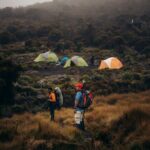
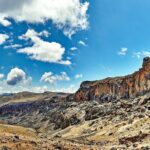
Phase 2: Heath country—getting higher one step at a time
The route begins on heaths. This part tends to feel like a gradual push upward, with enough contrast that you can keep your attention on the trail instead of staring at the ground the whole time.
Why this phase matters: your body starts learning altitude behavior. Even when you feel fine at first, altitude is already changing how you breathe and sleep.
Practical tip: in these lower-to-mid phases, I’ve always found it helps to keep your pace boring. If you feel like you’re cruising, you’re probably going about right.
Phase 3: Alpine meadows—where the air gets thinner fast
As you wind through alpine meadows, the views usually start getting bigger and the weather can get sharper. Meadows can look gentle, but don’t be fooled: thin air turns “easy walking” into “working.”
This is where you’ll want to watch your energy. The package covers large portions of fresh, healthy, nutritious food and drinking water on the mountain, so you don’t have to guess what meals will look like. But you still need to eat and drink consistently—small gaps matter more at altitude than on level ground.
Phase 4: Up toward the arctic zone near Uhuru Peak
The route’s high point is described as the arctic zone near Uhuru Peak. This is the part where cold becomes a daily character, not just a moment. Expect harsh conditions and the reality that weather can be a bigger factor than you planned for.
You’ll also appreciate what’s included for emergency readiness:
- Emergency oxygen cylinder
- Oximeter
- Emergency first-aid kit
That doesn’t mean you’ll feel fearless. It means the operation is set up to respond if the mountain decides to be dramatic.
Here, I’d be extra careful with pacing. High altitude punishes sudden effort. Steady effort usually wins.
Phase 5: Descent through rainforest—warmth and a different kind of tired
After the high zone, the descent passes through rainforest. That’s a real relief after cold air, but it comes with its own challenge: descending can stress your legs and knees, and rainforest conditions can mean damp trails.
This is also where you want to keep hydrated and keep your rhythm steady. The mountain may be giving you warmth, but dehydration and fatigue don’t take a day off.
What’s included for safety, comfort, and peace of mind
This package includes more than the basic “guide and permits” formula. The standout support items for most people are safety monitoring and emergency equipment.
Oxygen and oximeter: not just words on a brochure
You’ll have an oximeter on the mountain and an emergency oxygen cylinder. That matters because altitude issues can change quickly. Monitoring also helps guides make decisions that match how your body is adapting, not just how strong you feel.
Emergency first-aid kit
An emergency first-aid kit being included means you’re not relying entirely on improvisation. It’s one more layer of preparedness.
Tents and sleeping mattress
You get mountain tents and a sleeping mattress. This is important for recovery. A bad night on Kilimanjaro affects your next day even if the route is well chosen.
Food and water are taken seriously
The package includes drinking water and full board meals on the mountain, plus large portions of fresh, healthy, nutritious food. When climbing gets hard, your job is not to think about meals. Your job is to rest, eat, and move.
One more practical note: energy food & beverages are listed as not included. That means you might want to bring some of your own personal snacks for those moments when you want something specific, even if the meal plan is solid.
Guide team and the human side of logistics
This trip is run by Sote Tours & Travel. The details emphasize an English speaking mountain guide, which helps a lot when you’re dealing with altitude guidance and small adjustments to your routine.
From the experience notes you shared, the planning side also seems to get handled by a key organizer named Kelvin, who was described as responsive and flexible during the booking process. That type of communication matters because Kilimanjaro prep is full of questions: gear, clothing layers, insurance, and what to expect in basic terms.
There’s also a mention of a driver named Joseph greeting a traveler at Kilimanjaro airport. That’s the kind of low-stress arrival you want after a long flight. You land, you find your people, you get to Moshi and you sleep.
Good communication doesn’t climb the mountain for you—but it reduces the number of worries you carry while your body is busy adapting.
Packing reality: what you must bring (and what you can relax about)
The not-included list is where most climbers make mistakes. Don’t leave your packing plan until the last minute.
Bring your own:
- Sleeping bag
- Hiking boots
- Trekking clothes and personal gear
The package provides mountain tents and a sleeping mattress, which helps, but the sleeping bag is still on you. That’s a big one because it affects warmth at night in the higher zones.
Also budget for:
- Medication (listed as not included)
- Tips/gratuities (listed as not included)
- Personal energy snacks and beverages if you like extras beyond meals
My advice is to treat your kit like altitude gear, not regular hiking gear:
- Focus on staying warm and dry
- Keep things layered and simple
- Don’t rely on one magic item to do all the work
How hard is it, really? Fitness and the altitude equation
The package asks for moderate physical fitness. That doesn’t mean it’s easy. Kilimanjaro is still a high-altitude climb, and the hardest part can feel strangely internal: breathing, fatigue, sleep, and the mental rhythm of moving slowly while cold air keeps reminding you where you are.
A few things to remember:
- A premium route can offer good structure and pacing potential, but it doesn’t remove the altitude challenge.
- You still need to be ready for a multi-day trek with significant elevation changes, even if the exact day-by-day camps aren’t listed here.
Weather matters too. The activity notes say it requires good weather. If it’s canceled due to poor weather, you’re offered a different date or a full refund. That’s not a guarantee you’ll never face postponement, so plan for the possibility.
Group size and pace: why max 20 travelers is a comfort detail
The maximum is 20 travelers. That’s a meaningful number. A smaller group usually means smoother movement at trail checkpoints and less crowding at key moments.
It also can help you feel less lost in the shuffle. On a climb where you’re constantly checking layers and hydration, having room to manage your routine matters.
Should you book this 8-day Lemosho climb with Sote Tours?
If you want a Kilimanjaro experience that feels supported, this is a strong fit. The inclusions—oxygen, oximeter, tents and mattress, full board meals, and English guidance—signal that this operation expects the mountain to be serious, not casual.
You should strongly consider booking if:
- You want the classic Lemosho route progression through heath → alpine meadows → arctic zone near Uhuru Peak → rainforest descent
- You prefer a package where key gear and safety items are included
- You like having a clear start time (8:00am) and a couple nights to settle in Moshi
You might want to think twice if:
- You still need to buy a lot of personal gear (sleeping bag, boots, trekking clothes) and you don’t want extra prep stress
- You’re not ready to handle travel/medical insurance and your own medication plan
- You dislike the idea of weather-driven scheduling changes
If your goal is a premium, well-supported climb with a route known for scenery, I’d say this is a reasonable choice—especially when you look at what’s already included for safety and recovery.
FAQ
What is the duration of the Kilimanjaro climb on the Lemosho route?
It’s listed as 8 days (approximately) with 7 nights, including time in Moshi and nights on the mountain.
Where does the tour start and what time does it begin?
The start time is 8:00am, and the meeting point is described as near public transportation. Kilimanjaro gate transfers are included.
Is pickup offered?
Yes. Pickup offered is listed as part of the tour.
How many nights are spent in Moshi?
You get 2 nights of accommodation in Moshi at a Bed and Breakfast.
What is included on the mountain for meals and water?
The package includes drinking water and full board meals on the mountain.
Do you get a guide and what language do they speak?
Yes. The tour includes the service of an English speaking mountain guide.
Is emergency oxygen included?
Yes. An emergency oxygen cylinder is included, along with an oximeter on the mountain and an emergency first-aid kit.
What important items are not included that I should plan for?
Not included are a Gamow bag, medication, tips/gratuities, and personal trekking equipment like your sleeping bag, hiking boots, and trekking clothes.
Is travel or medical insurance required?
Yes. Travel/Medical Insurance is required, and you should ask for a recommendation.
What is the cancellation policy?
It offers free cancellation. You can cancel up to 24 hours in advance for a full refund. Less than 24 hours before the start time is not refunded, and cut-off times are based on the experience’s local time.