REVIEW · MOROGORO REGION
Uluguru mountain overnight 2 nights 3 days
Book on Viator →Operated by KURUMBIZI TOURS & SAFARIS · Bookable on Viator
Uluguru hits both culture and mountain views. This 2 nights, 3 days walk in Tanzania’s Morogoro Region mixes a real village day with hiking in the Eastern Arc Mountains, where the ridges run north to south and climb to about 2,638m at the high points. I love that this trip is built around Uluguru traditions (crafts, food, dance, and stories), not just scenery.
What I like most is the people-and-nature balance. You’ll walk with a guide who helps you understand the plants and wildlife, and past groups have talked about spotting things like the three-horned chameleon and a green mamba. The group size is capped at 15, so you get more back-and-forth than on big bus-style treks.
One consideration: you do need strong fitness and you should plan for real walking time. Day 2 alone is a 5 to 6 hour hike up toward Bondwa Peak, and the operator notes the experience requires good weather—so if rain comes in hard, conditions can get rough.
In This Review
- Key things I’d circle before you book
- Uluguru Mountains: Eastern Arc setting and what you’re walking through
- Day 1: Choma Waterfall plus Uluguru village traditions
- Day 2: Bondwa Peak hike, camping, and the strawberry farms stop
- Day 3: Return trek to Morogoro town and closure on the trail
- Price and meals: is $175.34 good value?
- Group size, guides, and what you’ll learn on the trail
- Fitness, weather, and how to pack for Uluguru reality
- Who this trek suits best
- Should you book this Uluguru overnight hike?
- FAQ
- How long is the Uluguru mountain overnight tour?
- Where does the tour start and end?
- What time does the Day 1 hike begin?
- How long is the main hiking on Day 2?
- What meals are included in the price?
- What is included and not included?
- How many people are in a group?
- What fitness level do I need?
- What is the cancellation rule?
Key things I’d circle before you book
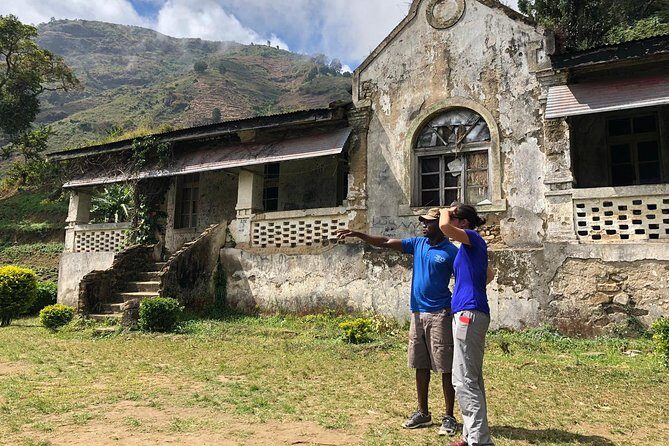
- Culture happens with hands-on activities in the village, including craft like pot making and weaving.
- Waterfall time is part of the plan, with a swim at Choma Waterfall when you reach the village area.
- Bondwa Peak day is the main fitness test (roughly half a day each way), so pack for effort.
- You camp near the action on Day 2, with options mentioned like the morning side or the old German settlement area.
- You’re not on a mega-group trek; maximum group size is 15.
- Meals are covered (breakfasts, lunches, dinners), which helps keep the trip’s value simple.
Uluguru Mountains: Eastern Arc setting and what you’re walking through
The Uluguru Mountains sit in Eastern Tanzania in the Morogoro Region, around 200km west of Dar es Salaam along the Dar es Salaam–Mbeya highway. These mountains are part of the Eastern Arc Mountains, a chain known for unusual wildlife and plant life, and this area has conservation status—established in 2008 and declared a Nature Reserve in 2008 as well (dated as 7/11/2008 in the tour notes).
Why that matters for you is simple: you’re not just getting a nice hike. You’re hiking through an ecosystem that was set aside to protect biodiversity, which is why the guides typically focus on what’s living there and how people interact with it. The mountains’ ridges run north to south, and you’ll feel the altitude shift as you move higher.
Also, the elevation targets are part of the attraction. Day 2 works toward Bondwa Peak around 2,080m, so expect cooler air and changing vegetation as you gain height. If you’ve only hiked low-lying trails, this feels different fast.
A few more Morogoro Region tours and experiences worth a look

Day 1: Choma Waterfall plus Uluguru village traditions
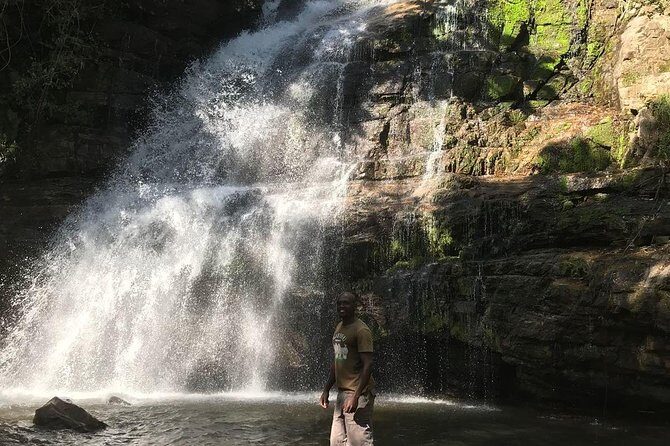
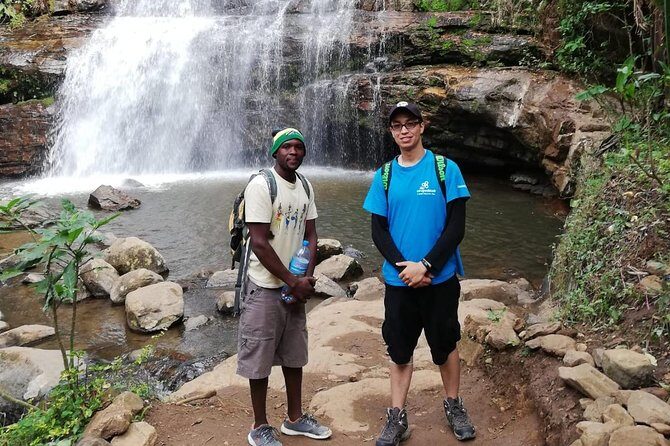
Day 1 starts at 9:30am, with the walk beginning from the hotel area toward the Choma Waterfall and village. It’s a 2.5 to 3 hour one-way trek to get there, so this day is already “real hiking,” not a slow stroll.
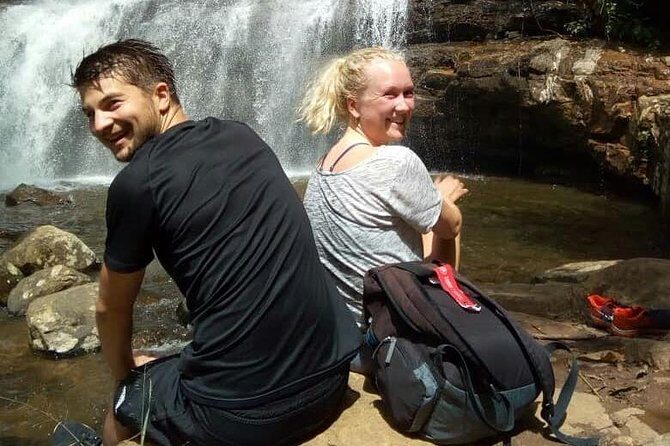
Once you arrive, you go to the waterfall first. The notes say you can swim in the cool water, which is a big perk if you’ve been sweating on the trail. Just remember: waterfalls and rocks can be slick, so treat it like a short obstacle course, not a pool party.
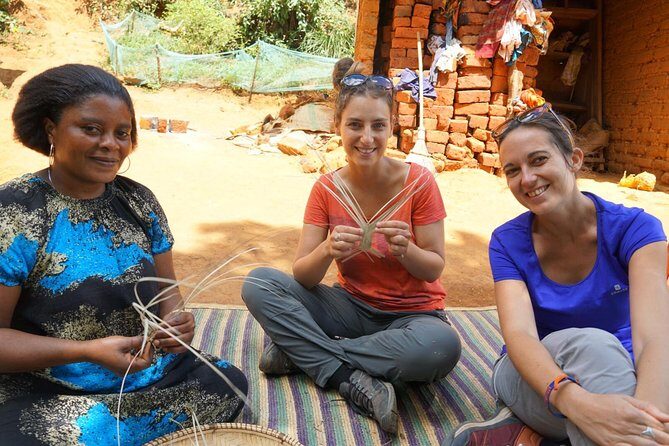
After swimming, you head straight for lunch at the camping area. This is where the day turns from nature into culture. You’ll take part in traditional activities tied to Uluguru life such as:
- Pot making
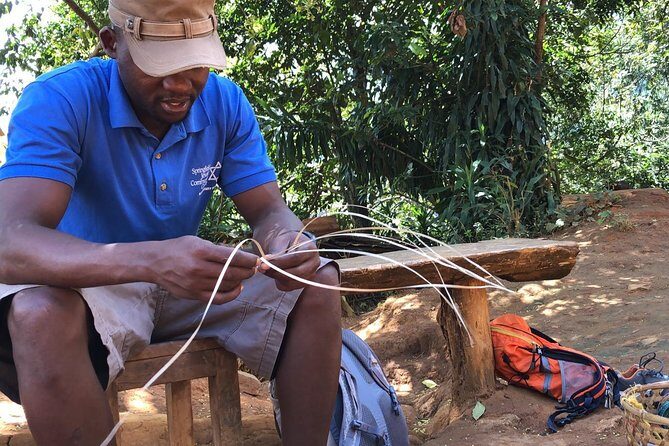
- Mat weaving
- Traditional food
- Traditional dance
- Uluguru story telling
That blend is the reason I’d pick this over a generic mountain hike. It’s not performance-only. You get involved in the skills and customs that the Uluguru people have been practicing on these mountains for generations (the tour notes say more than 500 years). And you’re doing it in a lived-in setting, not a staged craft market.
Then you finish Day 1 with dinner back at the overnight spot. After a long walk plus water time plus activities, you’ll be ready for rest.
Day 2: Bondwa Peak hike, camping, and the strawberry farms stop
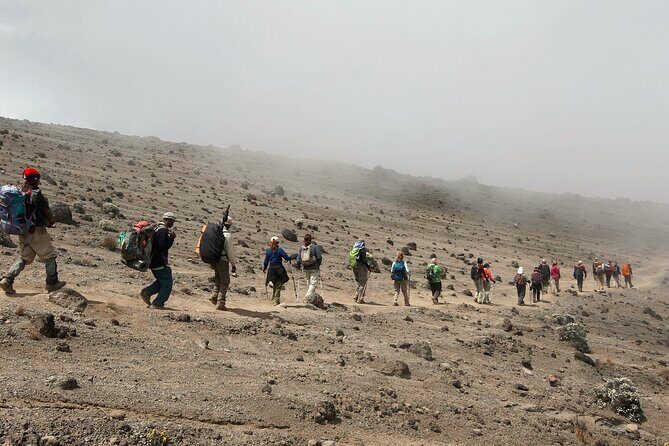
If Day 1 is about arriving and resetting into mountain mode, Day 2 is about effort. After breakfast at 7:45am, you set off on the walk to Bondwa Peak at about 2,080m. Expect 5 to 6 hours of hiking for the go-and-return, with the day described as returning via either the morning side or the old German settlement area.
Either way, you’ll camp at the overnight spot. Camping on a mountain trek changes your rhythm: you’ll spend more time simply taking in the air, the sounds, and the night sky, rather than bouncing around from place to place. It’s part of the value here—two nights help this trip feel complete.
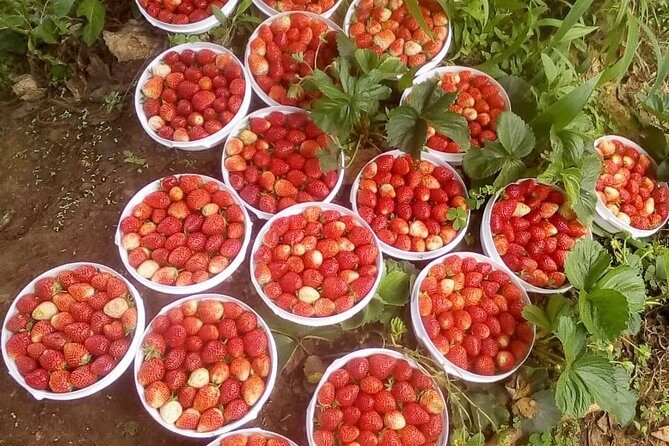
After the hike, you’ll eat lunch when you arrive at the morning side area. Then there’s a lighter stop: a visit to strawberry farms around the morning side. That’s a nice contrast to the earlier ascent, and it helps break up the day so it’s not only uphill and down.
Dinner ends Day 2, and it sets you up for a Day 3 walk that feels more like a descent into town life.
Day 3: Return trek to Morogoro town and closure on the trail
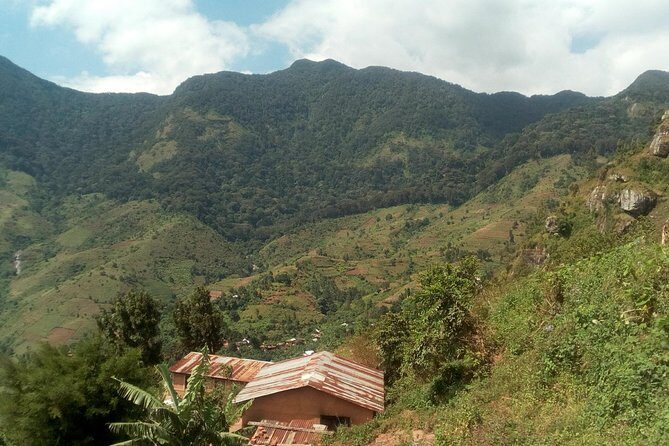
Day 3 is straightforward: breakfast at 8:00am, then you walk to Morogoro town. This final trek helps you transition out of the mountain environment without needing extra vehicle transfer plans during the trip.
Even if you’re tired, Day 3 tends to feel satisfying because you already did the hard parts—waterfall day and peak day—so the final walk becomes about finishing clean. When the tour ends, it returns you back to the meeting point.
Price and meals: is $175.34 good value?
At $175.34 per person, the price can feel like a bargain or a splurge depending on what’s included. Here, the big positive is coverage of day-to-day costs:
- Permit included
- Breakfast (2) included
- Lunch (2) included
- Dinner (2) included
On top of that, you get the core experience components: guided hiking in the Uluguru Mountains, a waterfall visit, a cultural day with hands-on traditions, and a peak-focused day with camping.
What’s not included is important to note so you don’t get surprised:
- Alcohol
- Transfer / airport pick-up
So, you’ll want to budget for getting to the meeting point on your own. The meeting point is 17/II, Morogoro, Tanzania, and the activity starts from there. If you’re coming from outside Tanzania or from Dar es Salaam, build in your local transport time and costs rather than assuming it’s handled.
For me, the value comes from two things: (1) you’re paying for multiple guided days, not one hike, and (2) meals are folded in, so your trip spending stays predictable.

Group size, guides, and what you’ll learn on the trail
The group is capped at 15 travelers, which keeps the trek from turning into a “line of walkers.” That matters for questions—if you care about birds, plants, or the way locals talk about the environment, a smaller group helps you get better answers.
The guide factor also seems to be a strong point. In past experiences, guides named Evans and Evance have been described as experienced and very helpful with understanding the environment and animals. People have also talked about learning through simple local interaction, including practicing Kiswahili and playing local games while moving between nature and village life.
Even if your main goal is photos and views, guide skill shows up in small ways: knowing which areas are worth slowing down for and how to read what’s around you. On Day 2, that matters because the hike is long and you’ll appreciate any explanation that helps the effort feel purposeful.
Fitness, weather, and how to pack for Uluguru reality
This trek is not for couch-to-trail tourists. The tour notes ask for strong physical fitness, and the schedule supports that. You’re looking at:
- Day 1: 2.5 to 3 hours one-way to reach the waterfall village
- Day 2: 5 to 6 hours up toward Bondwa Peak and back
- Day 3: a final walk to Morogoro town
That’s a lot of time on your feet. If you don’t hike regularly, start training before you go: longer walks on hills, good grip shoes, and practice carrying a daypack.
Weather is another real factor. The operator states the experience requires good weather. That can affect trail conditions, waterfall access, and comfort during camping. If rain hits, expect mud, slippery footing, and colder air at altitude. Build some flexibility into your Tanzania plan.
Packing tips based on what the tour actually does:
- Wear shoes you trust on uneven paths and possibly wet rocks
- Bring a light rain layer even if the forecast looks calm
- Keep swimwear optional but practical if you plan to use the waterfall time
- Plan for cool mountain evenings at camp
- Use a small daypack for water and snacks, since long hikes mean you’ll want control
Who this trek suits best
This tour is a strong fit if you want more than a summit. You’re coming for:
- Culture with participation (crafts, dance, food, stories)
- A meaningful hike in the Uluguru Mountains ecosystem
- The full overnight feel: you camp and you experience the slower rhythm of mountain life
It also suits people who like learning while moving. If you enjoy hearing about animals, local plant life, and how people live on the mountains, you’ll likely feel satisfied.
If you’re someone who wants everything effortless, consider that Day 2 is a long uphill day. This isn’t the kind of trip where you can rest whenever you want and still stay on schedule. It’s also better suited to travelers who can handle group pacing and basic outdoor sleeping.
Should you book this Uluguru overnight hike?
I’d book it if you’re looking for a 2-night, 3-day plan that combines trail time with authentic Uluguru village traditions. The price looks reasonable because you get permits and all key meals included, and the small group size keeps the experience personal. If you’re excited by the idea of swimming at Choma Waterfall, camping on a peak day, and learning through village activities, this trip fits that goal cleanly.
I’d think twice if you’re not confident on long hikes or you’re traveling with a tight schedule that can’t handle weather delays. The mountains demand effort, and the tour notes explicitly tie the experience to good conditions.
If you like your travel with a bit of walking and a lot of human connection, Uluguru is a smart choice.
FAQ
How long is the Uluguru mountain overnight tour?
It runs for about 3 days with 2 nights overnight camping.
Where does the tour start and end?
It starts at 17/II, Morogoro, Tanzania and ends back at the same meeting point.
What time does the Day 1 hike begin?
Day 1 starts at 9:30am from the hotel area toward Choma Waterfall and the village.
How long is the main hiking on Day 2?
Day 2 includes a hike toward Bondwa Peak that takes about 5 to 6 hours for the go and return.
What meals are included in the price?
You get breakfast (2), lunch (2), and dinner (2) during the trip.
What is included and not included?
Included: permit, breakfasts (2), lunches (2), and dinners (2). Not included: alcohol and transfer or airport pick-up.
How many people are in a group?
The tour notes a maximum group size of 15 travelers.
What fitness level do I need?
The experience requires a strong physical fitness level, since you’ll be hiking for multiple hours across the days.
What is the cancellation rule?
You can cancel for free up to 24 hours before the experience’s start time for a full refund. If you cancel less than 24 hours before, the amount paid is not refunded.